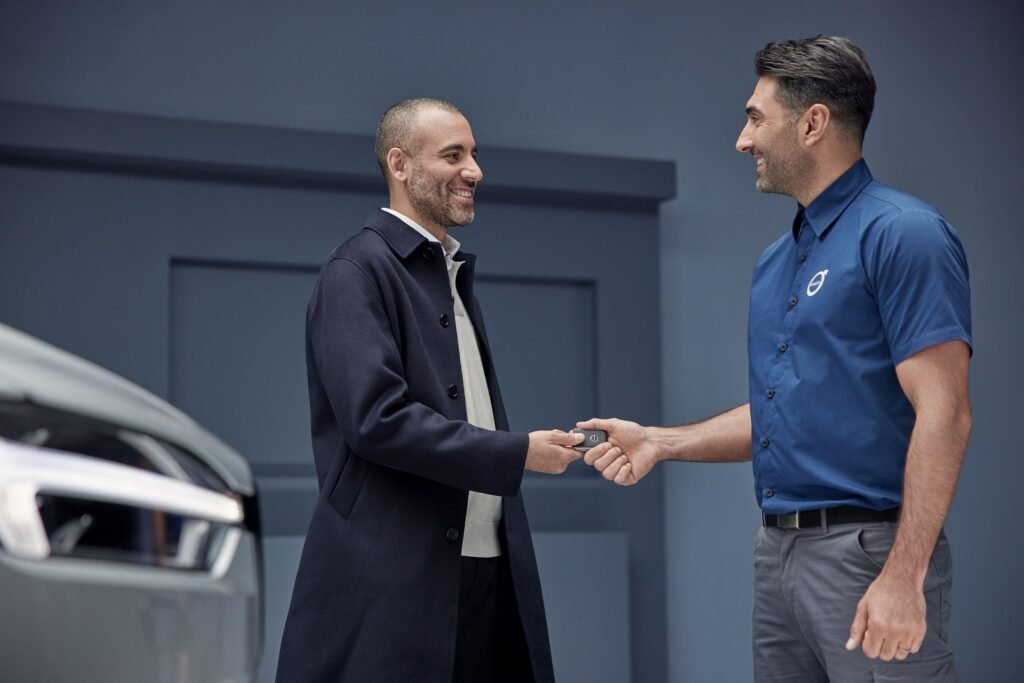
We’ve all seen them, the ubiquitous figures of the automotive retail world: the car salespeople. They are the navigators of the showroom, the interpreters of features, and ultimately, the architects of our driving dreams. But behind the polished veneer and practised pitches lies a structured process, a meticulously crafted journey designed to guide us from curiosity to commitment. We’re going to peel back the curtain and explore the ten fundamental steps that form the backbone of a successful car sale from our perspective. This isn’t about magic spells or mind games; it’s about understanding the flow, the psychology, and the practicalities that bring a vehicle from display to driveway.
How to Become a Good Car Salesman?
The sales process, much like building a sturdy house, begins with a solid foundation. This initial stage is crucial for establishing rapport and understanding the potential buyer’s needs. It’s where we, as salespeople, gather the initial intelligence that will shape the entire interaction.
Greeting and Initial Observation
When you walk through our doors, you’re not just another face; you’re an individual with a story and a need. Our first step is to welcome you warmly and genuinely. We observe your demeanor, your attire, and your companions. Are you here with family? Are you browsing casually, or do you exude a sense of urgency? This initial observation is like a quick scan of the weather before setting sail; it gives us valuable contextual clues. A hesitant browser might need more information and less direct pressure, while a confident buyer might be further along their decision-making journey. We aim to be approachable and unintimidating, like a well-lit harbour, inviting you to dock and explore.
The Art of the Open-Ended Question
We don’t bombard you with questions about specific models immediately. Instead, we employ open-ended questions. These are the keys that unlock the conversation, preventing it from slamming shut. Phrases like “What brings you in today?” or “What are you currently driving, and what do you like or dislike about it?” are designed to elicit more than a simple yes or no. We are looking for the ‘why’ behind your visit. Is it a need for more space, a desire for better fuel economy, or perhaps a craving for the latest technology? Understanding your motivations is like gathering the blueprints for your ideal vehicle.
Identifying the Decision-Maker and Influencers
In any purchase, especially one as significant as a car, there are often multiple individuals involved in the decision. We need to identify who the primary decision-maker is and who may be an influencer. Are you here alone, indicating you’re the sole driver of this decision? Or are you with a spouse, partner, or even a parent, whose opinions carry weight? Recognizing these dynamics helps us tailor our approach and ensures we’re speaking to the individuals who can ultimately sign on the dotted line, or at least sway the signing.
Uncovering Needs: The Diagnostic Phase
Once the initial contact is made and a rudimentary understanding of your presence is established, we enter the diagnostic phase. This is where we delve deeper, like a diagnostician seeking the root cause of a problem, to truly understand what you’re looking for.
Active Listening and Empathy
This is perhaps the most critical, and often underestimated, skill. Active listening means not just hearing the words you say, but understanding the emotions and underlying needs they convey. We lean in, nod, maintain eye contact, and reflect back what we hear. “So, if I’m understanding correctly, you’re looking for a vehicle that can comfortably seat your growing family on weekend trips?” This demonstrates that we’re engaged and that your needs are our priority. Empathy allows us to connect on a human level, recognizing that buying a car can be an emotional process. We are not just selling metal; we are facilitating a significant life improvement.
Probing for Specific Requirements
Beyond general preferences, we need to uncover the specific requirements that will make a vehicle a perfect fit. This involves digging into practicalities. How many miles do you typically drive in a week? What are your priorities for safety features? Do you have specific cargo needs, like transporting sports equipment or pets? We might ask about your typical daily commute, the types of roads you frequent, and any specific terrain you encounter. This level of detail is essential for eliminating unsuitable options and focusing on vehicles that genuinely meet your everyday demands. Think of it as sifting through fine grains of sand to find the precise gem you desire.
Recognizing Budgetary Constraints (Subtly)
While we don’t want to make budget the sole focus initially, it’s a crucial factor. We typically approach this by understanding what kind of payment or monthly expenditure you are comfortable with. Questions like “What would be an ideal monthly payment for you?” or “Are you looking to purchase outright or finance?” can gently guide us towards vehicles within your financial sphere. This isn’t about being intrusive; it’s about respecting your time and ensuring we don’t present options that are financially unattainable, which can lead to frustration and a wasted effort for both parties.
Presenting Solutions: The Product Showcase
With a clear understanding of your needs and desires, we transition to presenting the solutions. This is where we showcase the vehicles that align with your requirements, turning features into benefits and specifications into solutions.
Demonstrating Features and Benefits
This is where the car itself takes center stage. We go beyond reciting brochure statistics. Instead, we translate every feature into a tangible benefit for you. For example, a multi-angle rearview camera isn’t just a gadget; it’s a tool that provides peace of mind when parking in tight spaces, saving you from potential bumper damage and unnecessary stress. We highlight how specific technologies enhance safety, improve comfort, or streamline your driving experience. We aim to make the abstract concrete, painting a picture of how this vehicle will integrate seamlessly into your life.
The Test Drive: Experiencing the Vehicle
The test drive is not just a formality; it’s the ultimate proving ground. It’s your opportunity to experience the vehicle firsthand, to feel how it handles, to assess its comfort, and to hear its engine. We prepare the vehicle meticulously for this moment, ensuring it’s clean, fueled, and ready to impress. During the drive, we encourage you to engage with the car, testing its acceleration, braking, and maneuverability. We observe your reactions and listen to your feedback, as this often reveals subtle preferences or concerns that might not have surfaced in conversation. The test drive is like a dress rehearsal for your future ownership.
Addressing Objections and Concerns
As you experience the vehicle, or as we discuss different options, objections and concerns are natural. This is not a sign of disinterest, but rather a natural part of the evaluation process. Our role is to address these thoughtfully and factually. If you express concern about fuel economy, we’ll present data and discuss driving habits. If you’re unsure about a particular feature, we’ll provide a clear explanation and demonstration. We view objections as opportunities to further clarify and reassure, transforming potential roadblocks into stepping stones.
Negotiating the Agreement: Finding Common Ground

This phase is often perceived as the most daunting, but from our perspective, it’s about finding a mutually agreeable outcome. It’s a dance of numbers and conditions, where transparency and a shared goal are paramount.
Understanding Value Proposition
Before any numbers are discussed, we ensure you understand the full value of the vehicle you’re considering. This includes not just the sticker price, but also the vehicle’s features, its warranty, its expected resale value, and any included services or after-sales support. We want you to be confident that you are making a sound investment. This is about demonstrating that the price reflects the comprehensive package you are receiving.
Presenting Purchase Options
We offer various ways to acquire the vehicle, catering to different financial preferences. This could involve cash purchases, traditional financing plans with associated interest rates, or leasing options. We explain the pros and cons of each in a clear and concise manner, allowing you to make an informed decision about which path best suits your financial objectives. We are like guides navigating a financial landscape, pointing out the most efficient routes.
The Negotiation Process
Negotiation is a collaborative effort. We present our pricing based on market conditions, vehicle demand, and manufacturer incentives. We listen to your desired price point and work towards a figure that is acceptable to both parties. This involves a degree of give and take, where we aim to find a price that reflects the vehicle’s value while respecting your budget. Our aim is to close the gap, not to exploit it, ensuring that when we shake hands, both parties feel they’ve achieved a fair outcome.
Closing the Sale: The Final Stages
| Step | Action | Purpose | Key Metric |
|---|---|---|---|
| 1 | Greeting | Make a positive first impression | Customer engagement rate (%) |
| 2 | Needs Assessment | Identify customer requirements and preferences | Information accuracy (%) |
| 3 | Vehicle Presentation | Showcase features and benefits of the car | Presentation time (minutes) |
| 4 | Test Drive | Allow customer to experience the vehicle | Test drives per customer |
| 5 | Handling Objections | Address customer concerns and questions | Objection resolution rate (%) |
| 6 | Negotiation | Agree on price and terms | Negotiation success rate (%) |
| 7 | Closing the Sale | Finalize the purchase agreement | Closing rate (%) |
| 8 | Paperwork Completion | Complete all necessary documentation | Paperwork accuracy rate (%) |
| 9 | Delivery | Hand over the vehicle to the customer | Delivery time (hours) |
| 10 | Follow-up | Ensure customer satisfaction and encourage referrals | Follow-up contact rate (%) |
The culmination of our efforts, the closing phase, is about solidifying the decision and ensuring a smooth transition to ownership.
Securing Commitment
Once an agreement has been reached on price and terms, this is where we seek your definitive commitment. This often involves moving forward with the paperwork and financing arrangements. We guide you through this process efficiently, ensuring all details are accurate and understood. The feeling of commitment is like the anchor dropping; it signifies stability and the end of the voyage.
Finalizing Paperwork and Financing
This stage involves the meticulous completion of all necessary documentation, from purchase orders to financing contracts. We guide you through each form, explaining its purpose and ensuring you feel comfortable with its contents. Our aim is to make this process as streamlined and transparent as possible, turning the often-tedious administrative side into a well-managed conclusion.
Vehicle Delivery and Introduction
The moment you’ve been anticipating: taking delivery of your new vehicle. We ensure the car is immaculately prepared and present it to you with pride. This is not just handing over keys; it’s about a thorough introduction to your new mode of transport. We’ll walk you through the key features again, demonstrating how to operate everything from the infotainment system to the climate control. We’ll also explain the service schedule and warranty coverage, ensuring you feel fully equipped and supported as a new owner. This final act is like handing you the steering wheel of your future adventures.
These ten steps, from the initial greeting to the final delivery, represent a well-trodden path in automotive sales. It’s a process built on understanding, communication, and a genuine desire to match the right vehicle with the right person. By demystifying these stages, we hope to offer you a clearer perspective on the car-buying journey, empowering you with knowledge and fostering a more positive and informed experience when you next step onto our lot.
FAQs
1. What are the essential steps to successfully sell a car as a salesman?
The essential steps typically include understanding the product, identifying customer needs, building rapport, presenting the vehicle effectively, handling objections, negotiating terms, closing the sale, completing paperwork, following up with the customer, and maintaining a positive attitude throughout the process.
2. How important is product knowledge in the car sales process?
Product knowledge is crucial because it enables the salesman to confidently answer customer questions, highlight key features and benefits, and tailor the sales pitch to meet the buyer’s specific needs, thereby increasing the likelihood of a successful sale.
3. What techniques can a car salesman use to build rapport with potential buyers?
Techniques include active listening, showing genuine interest in the customer’s needs, maintaining eye contact, using positive body language, and engaging in friendly conversation to create trust and a comfortable buying environment.
4. How should a car salesman handle objections during the sales process?
A salesman should listen carefully to the customer’s concerns, acknowledge them respectfully, provide clear and honest information to address the objections, and offer solutions or alternatives that meet the customer’s needs.
5. Why is following up with customers after a sale important for car salesmen?
Following up helps build long-term relationships, encourages repeat business and referrals, ensures customer satisfaction, and provides an opportunity to address any post-sale issues, enhancing the overall reputation of the salesman and dealership.