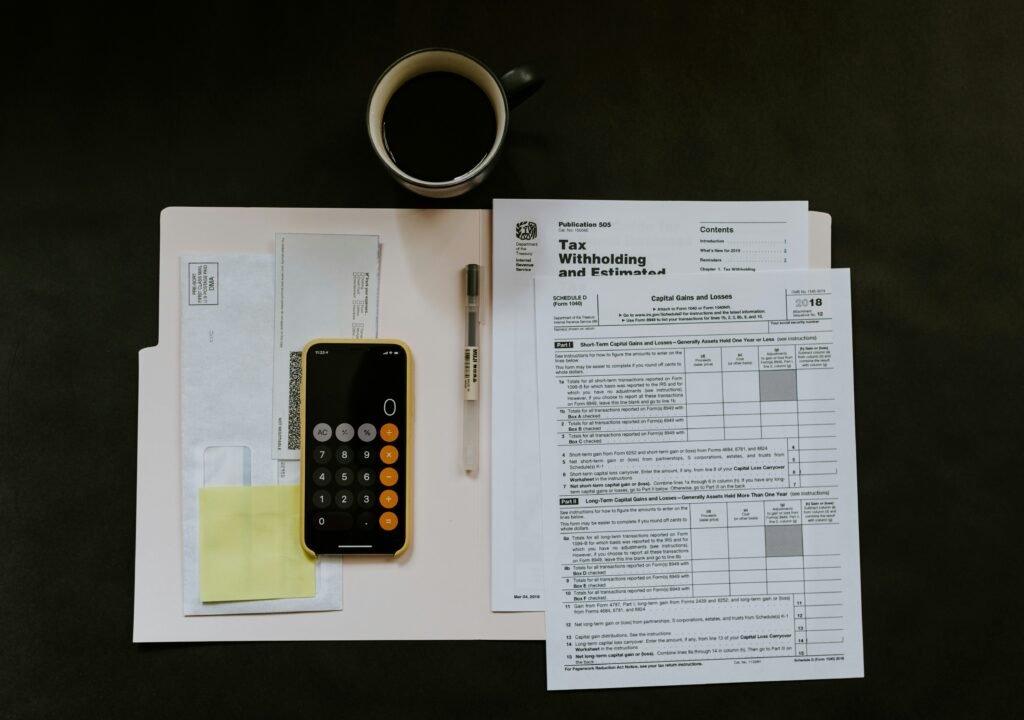
Budgeting is a fundamental practice in personal finance. It involves creating a plan for how to spend and save your money. A well-structured budget acts as a roadmap, guiding your financial decisions and helping you achieve your monetary objectives. Without a budget, you are essentially navigating your financial journey without a compass, susceptible to impulsive decisions and a lack of direction. Mastery of budgeting is not about deprivation; rather, it is about informed allocation, ensuring your resources serve your priorities.
Budgeting Guide 2026
A budget is not a static document but a dynamic system that requires regular attention and adjustment. Its foundation rests on several key pillars, each contributing to its effectiveness and your ability to manage your finances.
Income: The Fuel for Your Financial Engine
Your income is the primary resource from which all your spending and saving will originate. Accurately assessing this inflow is the first critical step in budget creation.
Identifying All Sources of Income
This includes not only your primary salary or wages but also any supplementary earnings.
- Primary Employment: This is typically the most significant component of an individual’s income, representing earnings from a regular job. Accurate net pay, after taxes and deductions, is crucial for budgeting.
- Freelance or Gig Work: Income from side hustles or contract work can be variable. It is important to establish a realistic average or a conservative estimate for budgeting purposes.
- Investment Income: Dividends, interest, and capital gains from investments contribute to overall income. The reliability and frequency of this income should be considered.
- Government Benefits and Assistance: Any regular payments received from social security, unemployment benefits, or other government programs should be included.
- Gifts and Alimonies: While often irregular, significant sums received as gifts or through alimony payments can impact your available funds.
Differentiating Between Gross and Net Income
A common pitfall is budgeting based on gross income.
- Gross Income: This is the total amount of money earned before any deductions are made. It is the headline figure usually advertised.
- Net Income (Take-Home Pay): This is the amount of money you actually receive after taxes, insurance premiums, retirement contributions, and other deductions are subtracted. Budgeting must be based on net income, as this is the money available for spending and saving.
Expenses: The Outflows of Your Financial Resources
Expenses are the costs associated with living and maintaining your lifestyle. Categorizing and tracking them is vital for understanding where your money is going.
Fixed Expenses: The Predictable Costs
These are expenses that generally remain the same each month and are often contractually obligated.
- Rent or Mortgage Payments: This is typically the largest fixed expense for most households, representing the cost of housing.
- Loan Repayments: This includes payments for mortgages, car loans, student loans, and personal loans. The principal and interest amounts are usually consistent.
- Insurance Premiums: Costs for health, auto, home, or life insurance are generally paid on a regular basis and at a set rate.
- Subscription Services: Regular fees for streaming services, gym memberships, or software subscriptions fall into this category.
Variable Expenses: The Flexible Spending
These expenses fluctuate based on your usage and choices, offering more room for adjustment.
- Groceries: The cost of food can vary significantly depending on dietary habits, meal planning, and shopping choices.
- Utilities: While some utilities like fixed-rate electricity plans exist, many such as gas and water can fluctuate based on consumption and seasonal changes.
- Transportation: Fuel costs, public transport fares, and occasional maintenance can change from month to month.
- Entertainment: Spending on movies, dining out, hobbies, and social activities is often discretionary and variable.
- Personal Care: Costs for haircuts, toiletries, and other personal grooming items can differ.
Discretionary vs. Non-Discretionary Expenses
Understanding this distinction is key to identifying areas for potential savings.
- Non-Discretionary Expenses: These are essential for daily living and survival, such as housing, food, utilities, and basic transportation. Without these, your basic needs would not be met.
- Discretionary Expenses: These are wants rather than needs, offering flexibility in spending. Examples include dining out, entertainment, vacations, and luxury purchases. Reducing discretionary spending is often the first avenue for balancing a budget.
Building Your Budget: A Step-by-Step Approach
Creating a budget requires a methodical process to ensure all financial aspects are considered. Think of this as constructing a sturdy framework upon which your financial house will stand.
Step 1: Calculate Your Total Monthly Income
This involves summing up all your net income sources for the month.
Estimating Irregular Income
For income that is not consistent, it is prudent to err on the side of caution.
- Averaging: Calculate the average monthly income over several periods (e.g., the last 6-12 months).
- Conservative Projection: Budget based on the lowest expected income to ensure you can cover essential expenses even in leaner months.
- Dedicated Savings: Set aside a portion of any windfall income for future irregular expenses or debt repayment.
Step 2: Track Your Spending
Before you can allocate funds, you need to understand where your money is currently going.
Methods for Tracking Expenses
Choose a method that suits your lifestyle and preferences.
- Manual Tracking: Using a notebook or spreadsheet allows for detailed oversight. This method demands consistent discipline.
- Budgeting Apps: Numerous applications automate expense tracking by linking to your bank accounts and credit cards. These offer convenience and visual data representation.
- Bank and Credit Card Statements: Regularly reviewing these statements can reveal spending patterns and identify recurring charges.
Categorizing Your Expenses
This is where you group your tracked spending into logical categories.
- Housing: Rent/Mortgage, property taxes, homeowners insurance.
- Utilities: Electricity, gas, water, internet, phone.
- Food: Groceries, dining out.
- Transportation: Car payments, insurance, fuel, public transport.
- Debt Payments: Credit cards, student loans, personal loans.
- Insurance: Health, life, disability.
- Personal Care: Toiletries, haircuts, gym memberships.
- Entertainment/Recreation: Hobbies, movies, dining out (beyond basic sustenance), travel.
- Savings and Investments: Emergency fund, retirement contributions, other savings goals.
Step 3: Set Financial Goals
A budget devoid of goals is like a car without a destination; it moves but without purpose. Goals provide the motivation and direction for your budgeting efforts.
Short-Term Goals
These are objectives typically achievable within one to three years.
- Building an Emergency Fund: Aim for 3-6 months of living expenses to cover unexpected events like job loss or medical emergencies.
- Saving for a Down Payment: For a car, home, or other significant purchase.
- Paying Off High-Interest Debt: Strategically targeting debts with the highest interest rates first.
Long-Term Goals
These are aspirations that usually take several years or decades to achieve.
- Retirement Planning: Accumulating sufficient funds to support yourself after you stop working.
- Children’s Education Funds: Saving for future college expenses.
- Major Purchases: Such as a vacation home or a significant renovation.
Step 4: Create Your Budget Plan
With income, expenses, and goals in hand, you can now construct your budget.
Allocating Funds to Categories
Assign a specific amount of money to each expense category based on your tracking and goals.
- Prioritize Necessities: Ensure you allocate enough for fixed and essential non-discretionary expenses first.
- Align with Goals: Allocate funds towards savings and debt repayment as per your defined goals.
- Be Realistic: Avoid setting spending limits that are unattainable, as this can lead to frustration and abandonment of the budget.
Balancing Your Budget
The golden rule is that income must equal or exceed expenses and savings.
- Surplus: If your income exceeds your planned spending and saving, you have a surplus. This can be allocated to further savings, debt reduction, or investments.
- Deficit: If your expenses and savings exceed your income, you have a deficit. This requires adjustments.
Step 5: Monitor and Adjust Your Budget
A budget is not a one-time creation; it’s an ongoing process. Regular review and adaptation are crucial for its success.
Regular Reviews
Schedule dedicated time each week or month to review your budget.
- Weekly Check-ins: Quickly assess spending against your budget to catch any overspending early.
- Monthly Reviews: Conduct a more thorough analysis of your income, expenses, and progress towards goals.
Making Adjustments
Life circumstances change, and your budget must reflect these shifts.
- Income Changes: If your income increases or decreases, adjust your allocations accordingly.
- Expense Fluctuations: Unexpected costs or changes in spending habits may necessitate budget revisions.
- Goal Reassessment: As you achieve goals or new ones emerge, update your budget to reflect these priorities.
Budgeting Strategies for Enhanced Financial Control

Beyond the foundational steps, various strategies can be employed to refine your budgeting approach and maximize its effectiveness. These are like specialized tools in your financial toolkit.
The 50/30/20 Rule: A Simple Framework
This popular rule offers a straightforward guideline for allocating your net income.
Understanding the Percentages
- 50% for Needs: This covers essential expenses like housing, utilities, groceries, transportation, and minimum debt payments.
- 30% for Wants: This is your discretionary spending on entertainment, dining out, hobbies, and non-essential purchases.
- 20% for Savings and Debt Repayment: This portion is dedicated to building wealth, paying down debt beyond minimums, and investing.
Zero-Based Budgeting: Every Dollar Has a Job
This meticulous approach ensures that every unit of currency is accounted for.
The Principle of Zero
At the end of each budgeting period, your income minus your expenses and savings should equal zero.
- Detailed Allocation: You assign every dollar of your income to a specific category, whether it’s for spending, saving, or debt repayment.
- Increased Awareness: This method fosters a deep understanding of where every dollar is going, minimizing the possibility of “lost” money.
Envelope System: Tangible Spending Limits
This an older but still effective method for controlling variable spending.
Physical Cash Allocation
You designate a specific amount of cash for each variable expense category and place it in an envelope labeled with that category.
- Visual Cues: Once the cash in an envelope is gone, you cannot spend more in that category until the next budgeting period.
- Behavioral Change: This method can be particularly helpful for individuals who tend to overspend on impulse purchases, as it provides a tangible limit.
Overcoming Common Budgeting Challenges

No financial journey is entirely without obstacles. Recognizing potential pitfalls can help you navigate them effectively.
Underestimating Expenses
A frequent cause of budget failure is not accurately predicting the cost of certain categories.
Strategies for Accurate Estimation
- Thorough Tracking: As mentioned, consistent tracking is paramount.
- Research: If you are unsure about the cost of a new, recurring expense, research average costs in your area.
- Buffer Amounts: For categories known to fluctuate, add a small buffer to your budgeted amount to provide some wiggle room.
Unexpected Expenses: The Curveballs of Finance
Life has a way of throwing in unforeseen costs, which can derail a well-intentioned budget.
The Emergency Fund as a Shield
This is the primary purpose of an emergency fund.
- First Line of Defense: Unexpected car repairs, medical bills, or job loss can be absorbed by your emergency fund.
- Preventing Debt: Without an emergency fund, these situations often lead to taking on high-interest debt.
Adjusting the Budget Temporarily
If an unexpected expense depletes your emergency fund or creates a significant budget strain, temporary adjustments may be necessary.
- Cutting Discretionary Spending: Temporarily reducing or eliminating non-essential spending can help you recuperate.
- Prioritizing Essential Payments: Ensure that critical bills are paid, even if it means delaying other financial goals for a short period.
Lack of Motivation and Discipline
Maintaining a budget requires consistent effort and self-control.
Setting Achievable Goals
Overly ambitious goals can lead to discouragement.
- Break Down Large Goals: Divide significant goals into smaller, more manageable milestones.
- Celebrate Small Wins: Acknowledge and reward yourself for reaching intermediate targets.
Finding an Accountability Partner
Sharing your financial goals and progress with someone can provide external motivation.
- Support System: A trusted friend, family member, or financial advisor can offer encouragement and perspective.
- Regular Check-ins: Schedule periodic discussions about your budget and progress.
The Long-Term Impact of Mastering Budgeting
| Metric | Description | Example Value | Unit |
|---|---|---|---|
| Monthly Income | Total income received in a month | 4000 | Currency Units |
| Fixed Expenses | Regular monthly expenses that do not change | 1500 | Currency Units |
| Variable Expenses | Monthly expenses that can vary | 800 | Currency Units |
| Savings Rate | Percentage of income saved each month | 20 | Percent |
| Debt Repayment | Amount allocated to paying off debts monthly | 300 | Currency Units |
| Emergency Fund | Amount set aside for unexpected expenses | 5000 | Currency Units |
| Budget Variance | Difference between budgeted and actual spending | 100 | Currency Units |
Budgeting is not merely an exercise in short-term financial management; it is a cornerstone of long-term financial well-being.
Achieving Financial Freedom
Financial freedom is not necessarily about having unlimited wealth, but about having control over your money and your life.
Reduced Financial Stress
A well-managed budget significantly reduces anxiety about money. Knowing where your money is going and having a plan provides peace of mind.
Increased Savings and Investment Potential
By controlling expenses and allocating funds effectively, you free up more money to save and invest, accelerating wealth accumulation.
Building Wealth Over Time
Consistent budgeting and saving are the engines of wealth creation.
- Compound Growth: The power of compound interest, where your earnings generate further earnings, is amplified by consistent investment.
- Strategic Debt Management: Budgeting allows for the strategic reduction of high-interest debt, which acts as a drag on wealth building.
Preparing for the Future
A budget is a forward-looking tool that helps you prepare for life’s inevitable stages and uncertainties.
- Retirement Security: Ensuring you have sufficient funds for your later years.
- Legacy Planning: The ability to provide for loved ones or charitable causes.
In conclusion, mastering budgeting is akin to becoming the captain of your financial ship. It requires understanding your vessel (income and expenses), charting your course (goals), and consistently adjusting the sails (budget adjustments) to navigate the ever-changing seas of your financial life. It is a journey of discipline, awareness, and proactive management, leading to greater stability, security, and the eventual realization of your financial aspirations.
FAQs
What is budgeting?
Budgeting is the process of creating a plan to manage your income and expenses. It helps individuals or organizations allocate resources effectively to meet financial goals and avoid overspending.
Why is budgeting important?
Budgeting is important because it provides a clear overview of your financial situation, helps control spending, ensures you can cover essential expenses, and allows you to save for future needs or emergencies.
What are the basic steps to create a budget?
The basic steps to create a budget include: tracking your income, listing all expenses, categorizing expenses as fixed or variable, setting spending limits, and regularly reviewing and adjusting the budget as needed.
How often should I review my budget?
It is recommended to review your budget monthly to track progress, make adjustments based on changes in income or expenses, and ensure you are staying on track with your financial goals.
Can budgeting help reduce debt?
Yes, budgeting can help reduce debt by identifying areas where you can cut back on spending, freeing up money to pay down debt faster, and preventing additional debt accumulation through better financial planning.