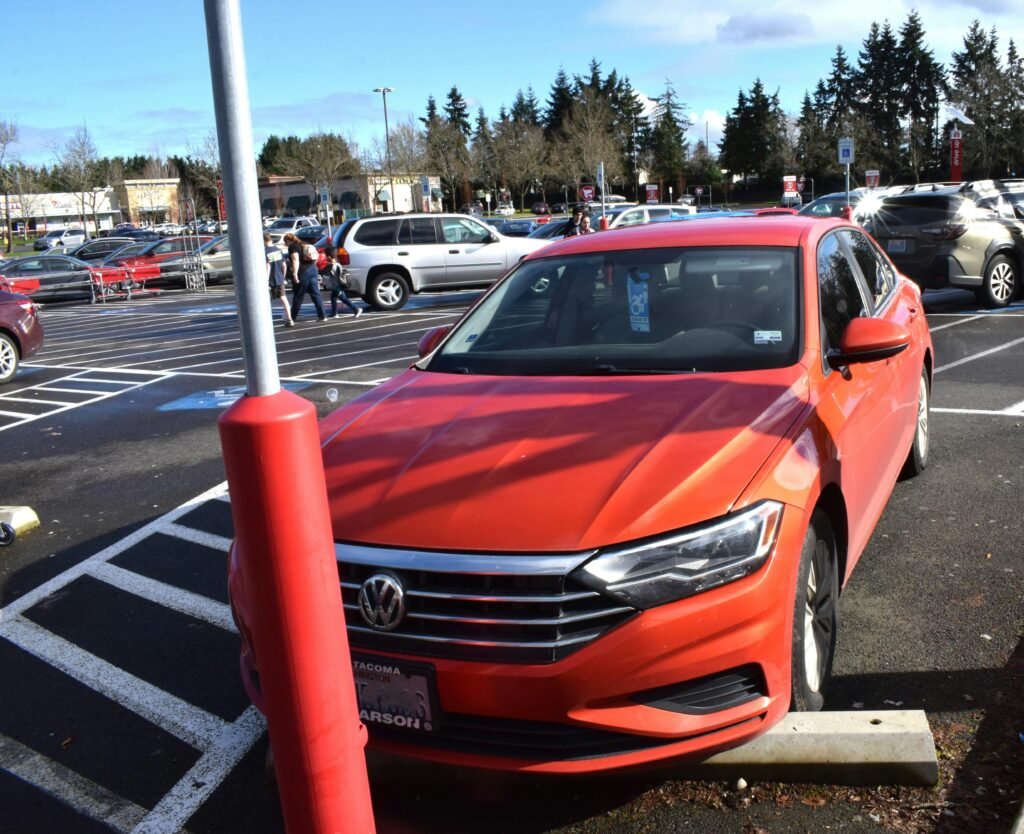
So, you’re looking to buy a car in the USA? It’s a big decision, and honestly, it can feel a bit overwhelming with all the options and the process. The good news is, buying a car doesn’t have to be a headache. By approaching it smartly and doing a little homework, you can definitely get a good deal and a vehicle that actually suits your needs.
Let’s dive into some practical advice that’ll make your car-buying journey smoother.
Before you even look at a single car, take a step back and think about why you need a new vehicle. This might sound obvious, but it’s the foundation of a smart purchase.
Daily Commute
- Miles: How many miles do you drive each day for work or errands? This will impact fuel efficiency choice, maintenance costs, and tire wear.
- Road Conditions: Mostly highway, city driving, or a mix? This influences the type of vehicle – a compact car might be great for city hopping, while an SUV or crossover could be better for longer highway stretches.
Family and Lifestyle
- Passengers: How many people do you typically need to transport? A growing family will need more seating and cargo space than a single person or a couple.
- Cargo Space: Do you haul groceries, sports equipment, luggage, or pets? Think about trunk size, especially if you have hobbies that require carrying gear.
- Towing Needs: Will you ever need to tow a trailer, boat, or camper? If so, you’ll need to look at vehicles with towing capacity, usually found in trucks and larger SUVs.
Budgeting Realistically
- Purchase Price: This is the obvious one, but don’t just think about the sticker price. Factor in taxes, registration fees, and any dealer add-ons.
- Ongoing Costs: This is where many people get caught out.
- Fuel: Estimate your monthly fuel expenses based on the car’s MPG and your driving habits.
- Insurance: Get quotes for your chosen models before you buy. Some cars are significantly more expensive to insure than others due to repair costs, theft rates, or driver demographics.
- Maintenance and Repairs: Some brands and models are known for reliability and lower repair costs. Do some research on common issues for models you’re considering.
- Depreciation: Unless you plan to keep the car forever, depreciation is a cost. Some vehicles hold their value better than others.
New vs. Used: Weighing the Pros and Cons
This is a classic car-buying dilemma. Both new and used cars have their advantages and disadvantages.
Buying New
- The Upside:
- Latest Technology: You get the newest safety features, infotainment systems, and engine advancements.
- Full Warranty: New cars come with comprehensive manufacturer warranties, giving you peace of mind against major defects for several years.
- Customization: You can often order a new car exactly to your specifications, choosing colors, trims, and optional features.
- That “New Car Smell”: Let’s be honest, there’s something satisfying about being the first owner.
- The Downside:
- Rapid Depreciation: The biggest hit. A new car loses a significant portion of its value the moment you drive it off the lot, and continues to depreciate quickly in the first few years.
- Higher Price Tag: Naturally, you’ll pay more upfront for a new vehicle.
- Higher Insurance Costs: As mentioned, insuring a new car is often more expensive.
Buying Used
- The Upside:
- Slower Depreciation: The original owner has already absorbed the steepest depreciation curve. This means you get more car for your money.
- Lower Purchase Price: The most significant advantage. You can often afford a more luxurious or capable used car for the same price as a basic new one.
- Lower Insurance Costs: Generally, insuring a used car is cheaper.
- Wider Selection within Budget: Your budget might stretch to a wider range of make and models on the used market.
- The Downside:
- No (or Limited) Warranty: Unless you’re buying a Certified Pre-Owned (CPO) vehicle, you might be taking on more risk for immediate repairs.
- Unknown History: While vehicle history reports help, you can’t always be sure how well a car was maintained by previous owners.
- Potentially Older Technology: You might miss out on the very latest features.
- More Research Required: You’ll need to be more diligent about inspections and checking vehicle history.
The Power of Research: Knowledge is Your Best Negotiating Tool

Don’t walk into a dealership unprepared. The internet is your friend here.
Setting Your Price Point
- MSRP vs. Invoice Price: Understand that the Manufacturer’s Suggested Retail Price (MSRP) is what manufacturers suggest dealers sell for. The invoice price is closer to what the dealer likely paid for the car. You want to negotiate somewhere between these two.
- Fair Market Value: Use reputable sources like Kelley Blue Book (KBB) or Edmunds to find the fair market value for the specific make, model, year, and trim level you’re interested in, considering its condition and mileage.
- Online Car Pricing Tools: Websites like TrueCar and Consumer Reports can give you an idea of what others are paying in your area for similar vehicles.
Researching Specific Models
- Reliability Ratings: Look for data from sources like Consumer Reports, J.D. Power, and RepairPal. These reports can highlight common problems and the average cost of repairs.
- Safety Ratings: Check the National Highway Traffic Safety Administration (NHTSA) and the Insurance Institute for Highway Safety (IIHS) for crash test results and safety feature ratings.
- Owner Reviews: Read reviews from actual owners of the cars you’re considering. They often provide insights into day-to-day driving, common annoyances, and long-term satisfaction.
Navigating Financing: Loans and Leases Explained

Most people finance their car purchases. Understanding your options here can save you a lot of money.
Securing Your Auto Loan
- Get Pre-Approved: This is crucial. Before you even step foot in a dealership, apply for a car loan from your bank, credit union, or an online lender. This gives you a clear interest rate and loan term to compare against dealership offers.
- Shop Around for Rates: Different lenders have different rates. Don’t settle for the first offer you get. A small difference in interest rate can add up to thousands of dollars over the life of the loan.
- Loan Term Matters: A longer loan term means lower monthly payments, but you’ll pay more interest over time. A shorter term means higher monthly payments but less interest paid overall. Aim for the shortest term you can comfortably afford.
- Credit Score Impact: Your credit score significantly impacts your interest rate. A higher score means a lower rate, saving you money.
Understanding Leases
- What is a Lease? A lease is essentially a long-term rental agreement. You pay to use the car for a set period (usually 2-4 years) and a set number of miles. You don’t own the car at the end of the lease; you can either buy it, return it, or lease another vehicle.
- Pros of Leasing:
- Lower Monthly Payments: Lease payments are typically lower than loan payments for the same car because you’re only paying for the depreciation during the lease term, not the full price of the car.
- Always Driving a New Car: You can upgrade to a new model every few years.
- Warranty Coverage: Most leases fall within the manufacturer’s warranty period, meaning fewer unexpected repair bills.
- Cons of Leasing:
- No Ownership: You don’t build equity. At the end of the lease, you have nothing to show for what you’ve paid.
- Mileage Restrictions: Exceeding the agreed-upon mileage results in hefty per-mile charges.
- Wear and Tear Fees: You can be charged for excessive damage or wear and tear on the vehicle.
- Early Termination Penalties: Getting out of a lease early can be very expensive.
The Dealership Experience: Shopping and Negotiation Smartly
| Car Buying Tips USA | Metrics |
|---|---|
| Research | Compare prices, read reviews, and research the vehicle’s history |
| Financing | Check your credit score, get pre-approved for a loan, and compare financing options |
| Test Drive | Schedule test drives, inspect the car thoroughly, and take it for a spin in different road conditions |
| Negotiation | Be prepared to negotiate the price, consider additional costs, and be ready to walk away if the deal isn’t right |
| Finalizing the Deal | Review the contract, understand the terms, and consider additional warranties or protection plans |
This is where the rubber meets the road. Being prepared and composed is key.
When to Shop
- End of the Month/Quarter/Year: Dealerships often have sales quotas to meet. They might be more willing to negotiate towards the end of these periods.
- Model Year Closeout: When the new model year is about to be released, dealers want to clear out the outgoing models. This can lead to significant discounts on remaining inventory.
- Bad Weather: Believe it or not, fewer people are actively car shopping on rainy or snowy days. You might find less competition and more attentive salespeople.
The Test Drive: Don’t Skip This Step
- Drive in Realistic Conditions: Take the car on the types of roads you’ll normally drive on – highways, city streets, bumpy roads.
- Test Everything: Check the brakes, acceleration, steering, visibility, and all the interior features (infotainment, AC, heater, seat adjustments).
- Bring Your Gear: If you regularly carry specific items (like a child’s car seat or your golf clubs), bring them along to see if they fit.
Negotiating the Price: Be Firm and Informed
- Focus on the “Out-the-Door” Price: Don’t get bogged down by individual numbers for the car price, trade-in, financing, or add-ons. Always ask for the total price you’ll pay.
- Be Prepared to Walk Away: This is your strongest negotiating tactic. If you’re not getting the deal you want, thank them for their time and leave. They might call you back with a better offer.
- Don’t Fall for Pressure Tactics: Salespeople are trained to create urgency. Take your time, don’t be rushed into a decision.
- Beware of Add-ons: Dealerships often try to sell you extras like extended warranties, paint protection, fabric protection, or VIN etching. Research these beforehand and decide if they’re truly worth the cost. Often, they are overpriced or unnecessary.
Considering Certified Pre-Owned (CPO)
Certified Pre-Owned vehicles can be a sweet spot between new and used cars.
What is CPO?
- Manufacturer-Backed: CPO vehicles are typically late-model used cars that have been inspected, refurbished, and are backed by an extended warranty from the manufacturer.
- Rigorous Inspection: They undergo a multi-point inspection (often 100+ points) by certified technicians.
- Extended Warranty: This is a major perk. You get an extended powertrain warranty beyond the original manufacturer’s warranty.
The CPO Advantage
- Peace of Mind: The inspection and extended warranty offer a significant level of reassurance compared to buying a standard used car.
- Better Value Than New: You still benefit from a lower price than a brand new car.
- Lower Risk: The inspection process aims to catch and fix potential problems.
The CPO Downsides
- Higher Price Than Non-CPO Used: CPO vehicles are generally more expensive than comparable non-certified used cars on the lot.
- Limited Selection: The inventory of CPO vehicles is limited to specific makes and models that meet the manufacturer’s criteria.
- “Certified” Doesn’t Mean Perfect: While thoroughly inspected, they are still used vehicles and could potentially have issues down the line. Always get a pre-purchase inspection from an independent mechanic if possible.
Buying a car is a significant purchase, but with a little preparation and a willingness to do your homework, you can make it a positive experience. Focus on your needs, understand your budget, and don’t be afraid to negotiate. Good luck out there!
FAQs
1. What are some important factors to consider when buying a car in the USA?
Some important factors to consider when buying a car in the USA include budget, car type, fuel efficiency, insurance costs, and resale value.
2. What are some tips for negotiating the price of a car in the USA?
Some tips for negotiating the price of a car in the USA include doing research on the car’s market value, being prepared to walk away, and considering financing options.
3. What are the different financing options available for buying a car in the USA?
Different financing options available for buying a car in the USA include auto loans from banks or credit unions, dealership financing, and leasing options.
4. What are some important documents to have when buying a car in the USA?
Some important documents to have when buying a car in the USA include a valid driver’s license, proof of insurance, and the vehicle’s title and registration.
5. What are some common mistakes to avoid when buying a car in the USA?
Some common mistakes to avoid when buying a car in the USA include not test driving the car, not getting the vehicle inspected by a mechanic, and not considering the total cost of ownership.