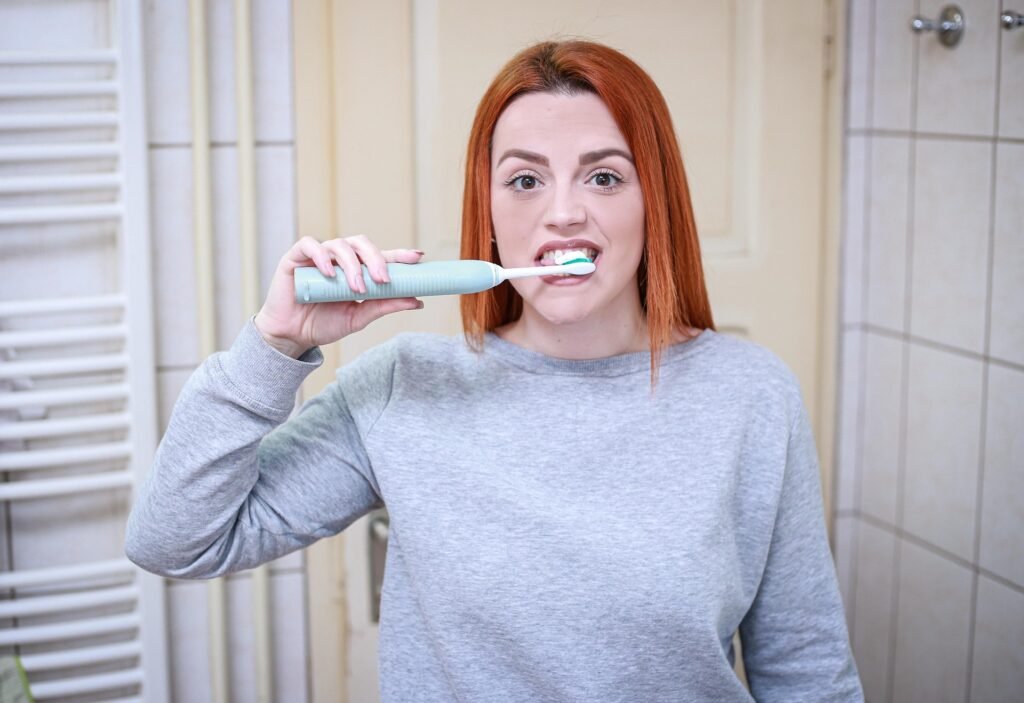
Our mouths are intricate ecosystems, teeming with bacteria. While not all bacteria are detrimental, an uncontrolled proliferation of certain types can lead to tooth decay and gum disease. Brushing serves as our primary defence mechanism, a daily ritual to dislodge and remove these potentially harmful microorganisms and the food debris that fuels them. Imagine our teeth as tiny islands in a vast ocean of saliva and bacteria. Without regular cleaning, plaque, a sticky film composed of bacteria, food particles, and their waste products, begins to form. This plaque is the architect of cavities and the silent saboteur of our gums.
So, we need to find a way to get rid of the plaque, tooth decay and gum disease and that’s what this blog post is all about. We will begin by exploring the foundational elements of effective tooth brushing, laying the groundwork for a lifetime of oral health.
The Plaque Predicament: A Silent Threat
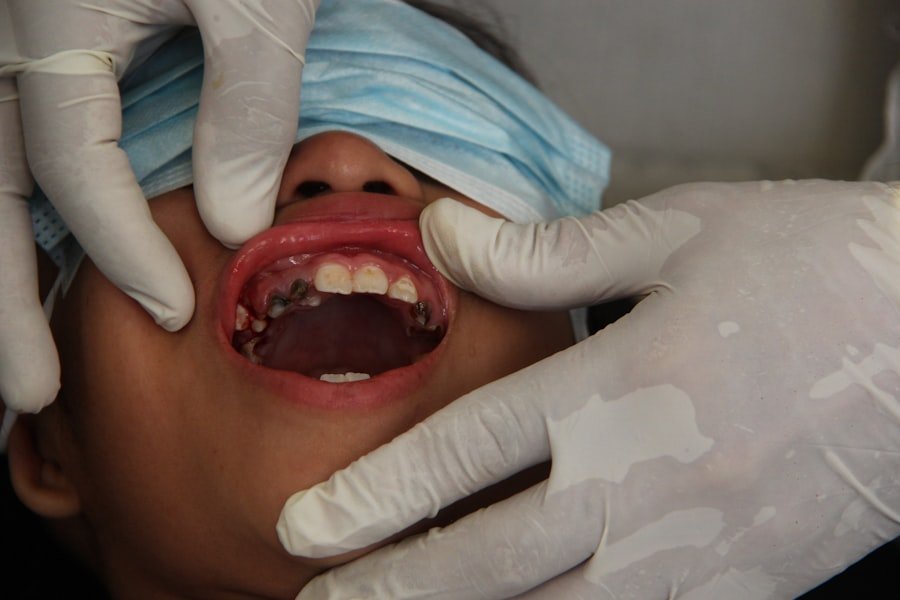
Plaque is not simply an aesthetic concern; it is a dynamic, ever-evolving entity. Within hours of brushing, it begins to reform. If left undisturbed, plaque hardens into tartar (calculus), a much tougher deposit that can only be removed by professional dental cleaning. Tartar provides a rough surface for more plaque to adhere to, creating a vicious cycle that further compromises oral hygiene. It’s akin to rust forming on an untreated metal surface – it weakens the underlying structure and promotes further deterioration.
The Role of Fluoride: Our Teeth’s Shield
Fluoride is a mineral that has been scientifically proven to strengthen tooth enamel and make it more resistant to acid attacks from bacteria and sugars. When we brush with fluoride toothpaste, the fluoride ions integrate into the enamel structure, creating a more robust barrier. Think of it as reinforcing the walls of our tooth fortresses, making them less vulnerable to siege. Many municipal water supplies are also fluoridated, providing an additional layer of protection.
When it comes to effective oral hygiene, understanding the right brushing techniques is crucial for maintaining healthy teeth and gums. For more insights on this topic, you can explore a related article that delves into various brushing methods and their benefits. Check it out here: Brushing Techniques for Optimal Oral Health.
Choosing the Right Tools for the Job
The efficacy of our brushing technique is significantly influenced by the tools we employ. Selecting the appropriate toothbrush and toothpaste is not merely a matter of personal preference; it is a strategic decision that impacts the effectiveness of our oral hygiene routine.
The Toothbrush: Our Bristle Brigade
The cornerstone of our brushing arsenal is, of course, the toothbrush. The vast array of options available can be overwhelming, but understanding the key features will empower us to make an informed choice.
Bristle Hardness: Gentle Yet Effective
The hardness of toothbrush bristles is a critical consideration. Generally, soft bristles are recommended by dental professionals for most individuals. They are effective at removing plaque and debris without causing damage to the enamel or irritating the gums. Medium or hard bristles, while seemingly offering a more vigorous clean, can actually lead to enamel abrasion and gum recession over time. Imagine using sandpaper on delicate wood; the intention might be to clean, but the outcome could be irreversible damage.
Brush Head Size and Shape: Navigating the Oral Landscape
The size and shape of the toothbrush head are also important factors. A smaller head generally allows for better access to hard-to-reach areas, such as the back molars and the lingual surfaces (the sides facing the tongue) of our teeth. Some brush heads are designed with angled bristles or multi-level bristle patterns to enhance plaque removal. We need a brush that can navigate the nooks and crannies of our mouths like a skilled explorer.
Manual vs. Electric: The Technological Divide
The debate between manual and electric toothbrushes continues. Both can be effective when used correctly. Electric toothbrushes, particularly those with oscillating-rotating or sonic technology, can offer a more consistent and thorough cleaning due to their powered movements. They often incorporate timers and pressure sensors, which can be particularly helpful for individuals who tend to brush too hard or not for long enough. However, no toothbrush, regardless of its technological sophistication, can compensate for poor technique. It’s like having a high-performance car – it won’t reach its potential without a skilled driver.
Toothpaste: The Flavorful Agent of Cleanliness
Toothpaste plays a crucial role in our brushing routine, primarily by delivering fluoride and providing a slightly abrasive agent to help remove plaque and surface stains.
Fluoride Content: The Cavity Crusader
As previously discussed, fluoride is paramount. We should ensure our toothpaste contains an adequate amount of fluoride, typically indicated by the American Dental Association (ADA) Seal of Acceptance or equivalent endorsements in other regions. The concentration of fluoride is usually measured in parts per million (ppm).
Abrasiveness: Striking the Right Balance
Toothpastes also contain mild abrasives that help to polish the teeth and remove surface stains. However, excessively abrasive toothpastes can contribute to enamel wear. Look for toothpastes labeled as “low abrasion” if you have concerns about enamel sensitivity. The abrasive particles in toothpaste are like tiny polishing cloths – they need to be effective enough to remove imperfections without scratching the surface.
Specialty Toothpastes: Addressing Specific Needs
There are various specialty toothpastes designed to address specific oral health concerns, such as sensitivity, whitening, or gum health.
Toothpastes for Sensitive Teeth: Soothing the Sting
For individuals experiencing tooth sensitivity, toothpastes containing ingredients like potassium nitrate or stannous fluoride can help block the transmission of pain signals. These act like tiny construction workers, sealing off the vulnerable pathways within the dentin.
Whitening Toothpastes: Removing Surface Stains
Whitening toothpastes primarily work by using mild abrasives or chemicals to remove surface stains caused by food and beverages. They are generally not effective at changing the intrinsic color of the teeth.
Mastering the Fundamental Brushing Technique
The most crucial aspect of achieving healthy teeth lies in the meticulous execution of our brushing technique. It is not about brute force, but about precision and completeness.
The Modified Bass Technique: A Widely Recommended Approach
The Modified Bass technique is a widely recognized and recommended brushing method for effectively removing plaque from the tooth surfaces and along the gumline. This technique emphasizes a precise angle and motion.
Step-by-Step Implementation
- Positioning the Brush: Place the toothbrush bristles at a 45-degree angle to the gumline. This angle allows the bristles to reach gently beneath the gumline, where a significant amount of plaque accumulates. Imagine the bristles as tiny fingers probing under the edge of a carpet to pick up dust.
- Gentle Vibrating Motion: Move the brush back and forth with short, gentle strokes. The motion should be more of a vibratory action rather than a vigorous scrubbing. The goal is to dislodge plaque from the tooth surface and the sulcus (the small pocket between the tooth and the gum).
- Covering All Surfaces: Systematically brush the outer surfaces of all teeth, ensuring that you cover three to four teeth at a time before moving to the next section.
- Inner Surfaces: Repeat the same technique on the inner surfaces of all teeth. For the inner surfaces of the front teeth (incisors and canines), tilt the brush vertically and use a gentle up-and-down motion with the tip of the brush. This is akin to navigating a narrow hallway; a vertical approach is often more effective.
- Chewing Surfaces: Brush the chewing surfaces of your molars with a back-and-forth motion.
- Tongue Brushing: Do not forget to brush your tongue. This helps to remove bacteria that contribute to bad breath. Your tongue is a fertile ground for odor-causing bacteria, and a gentle sweep can clear this potential source of unpleasantness.
The Importance of Pressure: Less is More
One of the most common mistakes people make is applying too much pressure when brushing. Excessive pressure can lead to:
Enamel Abrasion: Wearing Down Our Defenses
As mentioned earlier, aggressive brushing can wear away tooth enamel, leaving the underlying dentin exposed. This can lead to increased sensitivity and a higher risk of decay.
Gum Recession: Exposing the Tooth Roots
Vigorous brushing can also damage the gum tissue, causing it to recede. Receding gums expose the tooth roots, which are not covered by enamel and are thus more susceptible to decay and sensitivity. We must be gentle custodians of our gumlines, not aggressive removers.
Recognizing Excessive Pressure
If your toothbrush bristles are splaying out or bending immediately after purchase, you are likely applying too much pressure. Some electric toothbrushes have pressure sensors that alert you when you are brushing too hard, which can be a valuable tool for learning the correct pressure.
Ensuring Comprehensive Oral Hygiene: Beyond the Brush
While brushing is fundamental, achieving optimal oral health requires a multi-faceted approach. We must recognize that brushing alone is not a panacea; it is one component of a comprehensive strategy.
The Crucial Role of Flossing: Reaching the Unreachable
Flossing is as essential as brushing, if not more so, for removing plaque and food particles from between teeth and under the gumline – areas that toothbrushes cannot effectively reach. Think of it as the essential detail work after the broad strokes of brushing.
Technique for Effective Flossing
- Sufficient Length: Break off about 18 inches of floss. This provides a clean section for each tooth.
- Gentle Insertion: Gently guide the floss between your teeth using a sawing motion, being careful not to snap it against the gums.
- C-Shaped Embrace: Curve the floss into a “C” shape around each tooth, and slide it gently beneath the gumline.
- Up-and-Down Motion: Move the floss up and down against the side of each tooth to remove plaque and debris. Repeat this motion for each tooth surface.
- Clean Section for Each Tooth: Use a clean section of floss for each tooth to avoid spreading bacteria.
Frequency of Flossing
We should aim to floss at least once daily, ideally before bedtime, to remove accumulated debris and plaque.
The Rinse of Defense: Mouthwash as a Complement
Mouthwash can serve as a beneficial adjunct to brushing and flossing, but it is not a substitute for these essential practices.
Types of Mouthwash
- Antiseptic Mouthwashes: These contain antimicrobial agents that can help reduce the bacteria in the mouth, potentially reducing plaque and gingivitis.
- Fluoride Mouthwashes: These can provide an extra boost of fluoride to strengthen tooth enamel, particularly for individuals at higher risk of cavities.
Proper Usage
Always follow the instructions on the mouthwash packaging. Typically, you swish the solution in your mouth for a recommended duration, then spit it out. It’s like a final strategic patrol of our oral fortress.
When it comes to maintaining optimal oral hygiene, understanding the right brushing techniques is essential. For those looking to enhance their knowledge on this topic, a related article can provide valuable insights. You can explore more about effective methods and tips for proper brushing by visiting this informative resource. By incorporating these techniques into your daily routine, you can ensure a healthier smile and better overall dental health.
The Importance of Regular Dental Check-ups
| Brushing Technique | Description | Recommended Duration | Effectiveness | Common Use |
|---|---|---|---|---|
| Bass Technique | Brush at a 45-degree angle to the gum line with small circular motions. | 2 minutes | High plaque removal near gum line | Daily oral hygiene |
| Modified Bass Technique | Same as Bass but includes a sweeping motion away from the gum line. | 2 minutes | Improved plaque removal and gum stimulation | Daily oral hygiene |
| Stillman Technique | Brush with bristles partly on gums and partly on teeth with a vibratory motion. | 2 minutes | Good for gum stimulation and plaque removal | Gum care |
| Fones Technique | Brush in large circular motions over teeth and gums. | 2 minutes | Effective for children and beginners | Children’s oral hygiene |
| Charters Technique | Brush with bristles pointed toward the chewing surface at a 45-degree angle. | 2 minutes | Good for cleaning around orthodontic appliances | Orthodontic patients |
| Horizontal Scrub Technique | Brush back and forth horizontally across teeth surfaces. | 2 minutes | Less effective; may cause gum recession if overused | Common but not recommended |
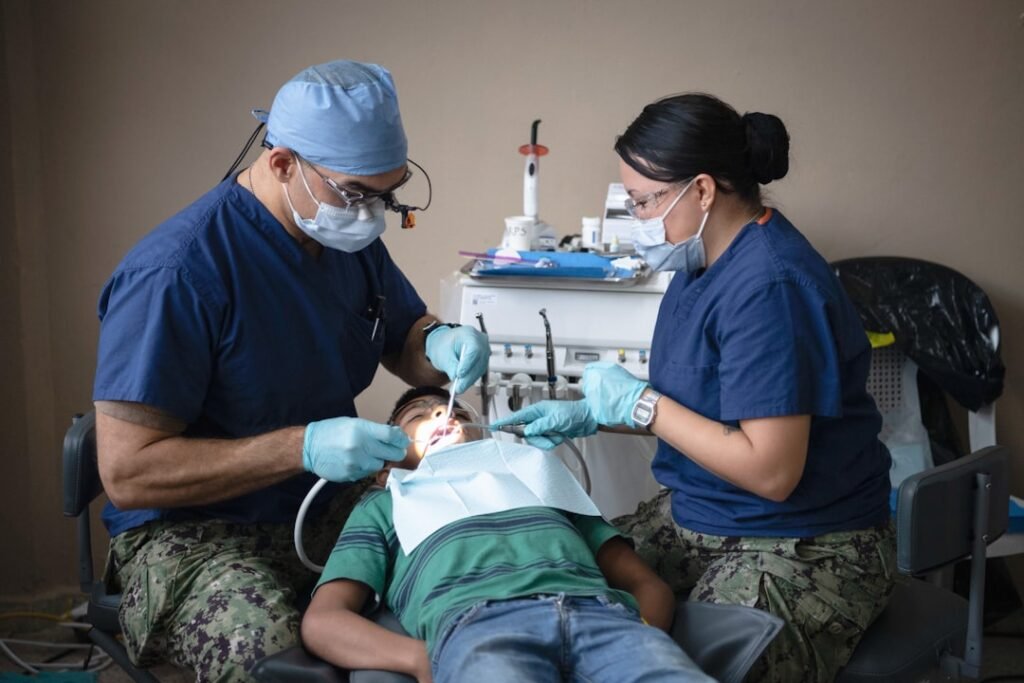
Even with the most diligent home care, professional dental check-ups and cleanings are indispensable for maintaining optimal oral health. Our dentists and hygienists are the skilled mechanics of our oral systems.
Professional Cleaning: The Deep Clean Experts
Dental hygienists use specialized instruments to remove hardened tartar that cannot be eliminated through brushing and flossing alone. They also perform thorough cleanings to polish tooth surfaces and eliminate surface stains. This is our biannual deep maintenance.
Early Detection and Prevention: Catching Problems Before They Escalate
During a dental check-up, dentists can identify early signs of tooth decay, gum disease, and other oral health issues. Early detection often means simpler, less invasive, and more cost-effective treatment. It’s much easier to fix a small leak in a dam than to deal with a catastrophic breach.
Identifying Cavities
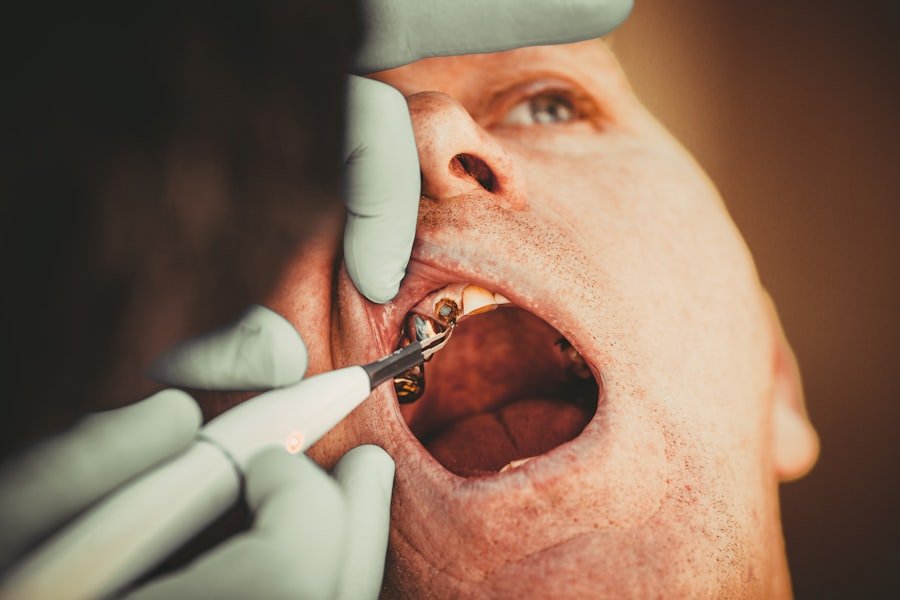
Dentists use dental instruments and sometimes X-rays to detect cavities, which may not be visible or felt in their early stages.
Assessing Gum Health
They will examine our gums for signs of gingivitis or periodontitis, which can lead to tooth loss if left untreated.
Oral Cancer Screenings
Regular dental check-ups often include oral cancer screenings, which are crucial for early detection and improved prognosis.
Personalized Advice: Tailored Guidance for Our Oral Needs
Dentists and hygienists can provide personalized advice on brushing and flossing techniques, recommend specific products, and address any individual concerns we may have about our oral health. They act as our personal oral health strategists.
By embracing these principles and techniques, we invest in a future of healthy smiles and robust oral well-being. Our mouths are not just for eating; they are also crucial for speaking and expressing ourselves, and maintaining their health allows us to do so with confidence.
FAQs
What are the basic steps of proper brushing technique?
Proper brushing involves placing the toothbrush at a 45-degree angle to the gums, using gentle circular or back-and-forth motions, brushing all surfaces of the teeth including outer, inner, and chewing surfaces, and brushing for at least two minutes twice a day.
How often should I replace my toothbrush?
It is recommended to replace your toothbrush or toothbrush head every three to four months, or sooner if the bristles become frayed or worn, to ensure effective cleaning.
What type of toothbrush is best for effective brushing?
Both manual and electric toothbrushes can be effective if used correctly. Soft-bristled brushes are generally recommended to avoid damaging gums and enamel.
Is it necessary to brush the tongue as part of brushing techniques?
Yes, gently brushing the tongue helps remove bacteria and freshens breath, contributing to overall oral hygiene.
Can brushing too hard damage my teeth or gums?
Yes, brushing too hard can cause gum recession and enamel wear. It is important to use gentle pressure and soft bristles to protect oral tissues.