Dental Tips for a Healthy Smile
We often take our dental health for granted, a vital component of our overall well-being that functions as a gateway to our digestive system and a key element of our social interactions. Neglecting it can lead to a cascade of problems, from the discomfort of cavities to systemic health issues. Here, we delve into the multifaceted aspects of maintaining optimal oral hygiene, providing practical advice to ensure your smile remains a vibrant asset.
Our daily routine forms the bedrock of good dental hygiene. Brushing and flossing, when performed correctly and consistently, are our primary defenses against plaque, a sticky bacterial film that is the primary culprit in tooth decay and gum disease.
The Art of Effective Brushing
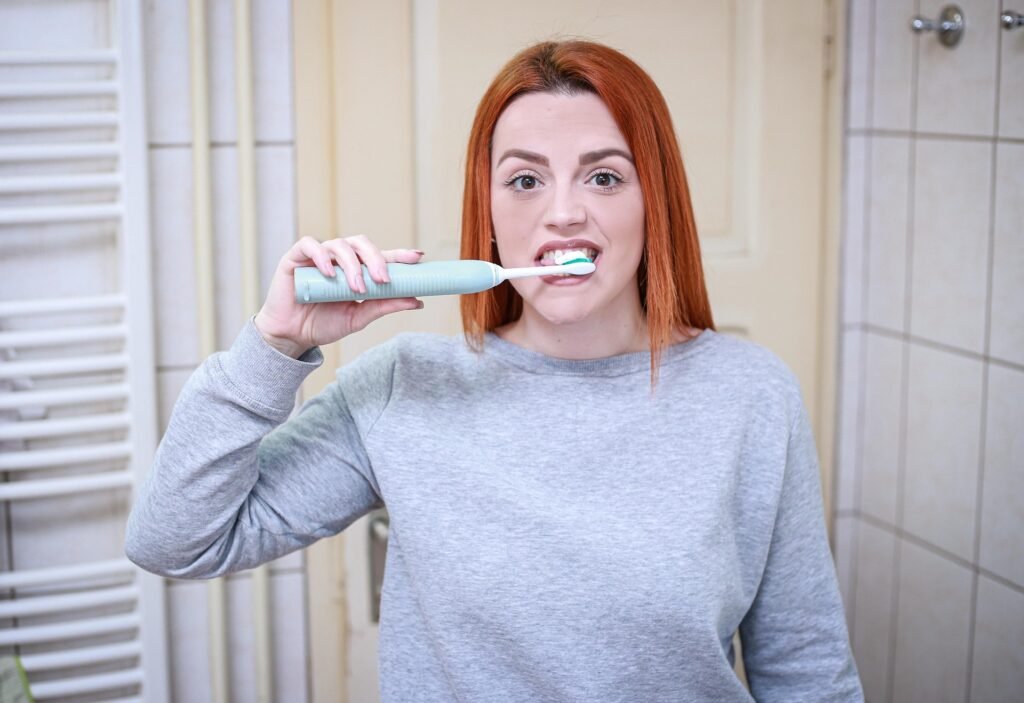
Brushing is more than just a quick scrub; it’s a precise operation requiring attention to detail. We recommend using a soft-bristled brush, as hard bristles can abrade tooth enamel and irritate gums. Electric toothbrushes demonstrably offer an advantage due to their oscillating or sonic actions, often providing a more thorough clean with less user effort compared to manual brushing.
- Frequency and Duration: We should aim to brush at least twice a day, ideally in the morning and before bed, for a minimum of two minutes each time. This duration allows sufficient time to cover all tooth surfaces.
- Technique: The modified Bass technique is widely endorsed by dental professionals. We position the toothbrush at a 45-degree angle to the gum line, gently sweeping or vibrating the brush back and forth in short, gentle strokes. This angle allows the bristles to clean both the tooth surface and just beneath the gum line, where plaque often accumulates. We meticulously cover the outer, inner, and chewing surfaces of all teeth.
- Tongue Cleaning: Neglecting the tongue contributes to bad breath and harbors bacteria. We can use our toothbrush or a specialized tongue scraper to gently remove bacteria and food debris from the tongue’s surface.
The Indispensability of Flossing
Flossing, often seen as an optional extra, is in fact a critical adjunct to brushing. It reaches areas that toothbrushes cannot access, such as between teeth and beneath the gum line.
- Frequency: We advocate for flossing at least once a day, preferably before bedtime, to remove food particles and plaque that have accumulated throughout the day.
- Technique: We break off about 18 inches of floss, winding most of it around our middle fingers, leaving a small section to work with. We gently guide the floss between our teeth, using a C-shape to hug each tooth, moving it up and down from the gum line to the contact point. We exercise caution to avoid snapping the floss into the gums, which can cause irritation.
- Types of Floss: Various types of floss exist, including waxed, unwaxed, tape, and PTFE (Teflon) floss. We encourage individuals to experiment to find the type they find most comfortable and effective. For those with difficulty manipulating traditional floss, floss picks or interdental brushes can be valuable alternatives.
Maintaining good dental hygiene is essential for overall health, and understanding the various aspects of oral care can significantly impact your well-being. For more insights on this topic, you can read a related article that discusses effective strategies and tips for improving your dental hygiene practices. Check it out here: Dental Hygiene Strategies.
The Role of Diet and Nutrition
Our diet serves as fuel for our bodies, and its impact on our oral health is profound. The foods and beverages we consume directly influence the bacterial environment in our mouths.
Sugary and Acidic Culprits
Refined sugars and highly acidic foods and drinks are the primary antagonists of a healthy smile. The bacteria in our mouths metabolize sugars, producing acids that erode tooth enamel, leading to cavities. Acidic foods and beverages directly contribute to enamel erosion.
- Minimizing Sugar Intake: We recommend reducing our consumption of sugary snacks, candies, sodas, and fruit juices, which are often high in added sugars. If we do consume them, we suggest doing so in moderation and preferably with meals, as saliva production increases during meals, helping to neutralize acids.
- Limiting Acidic Foods and Drinks: Citrus fruits, vinegar-containing foods, and carbonated beverages can all contribute to enamel erosion. We advise rinsing our mouths with water after consuming such items to help neutralize the acid. We also caution against brushing immediately after consuming acidic foods, as softened enamel is more susceptible to abrasion.
- Hidden Sugars: We must be vigilant for “hidden sugars” in processed foods, such as bread, sauces, and breakfast cereals. Scrutinizing food labels for ingredients like high-fructose corn syrup, dextrose, and maltose is crucial.
Nutrient-Rich Allies
Conversely, certain foods contribute positively to our oral health, providing essential vitamins and minerals that strengthen teeth and gums.
- Calcium and Phosphorus: These minerals are the building blocks of strong teeth and bones. We can find them in dairy products (milk, cheese, yogurt), leafy green vegetables (spinach, kale), and nuts (almonds).
- Vitamin D: This vitamin is essential for our bodies to absorb calcium. We obtain it through sun exposure, fortified foods, and dietary supplements.
- Vitamin C: An antioxidant, Vitamin C plays a crucial role in maintaining healthy gums. Deficiencies can lead to bleeding gums and scurvy. We recommend incorporating citrus fruits, bell peppers, broccoli, and strawberries into our diet.
- Chewing Gum with Xylitol: Xylitol is a natural sweetener that inhibits the growth of bacteria responsible for tooth decay. We suggest chewing xylitol-sweetened gum after meals, as it also stimulates saliva flow, which helps to wash away food particles and neutralize acids.
The Power of Prevention: Regular Dental Check-ups
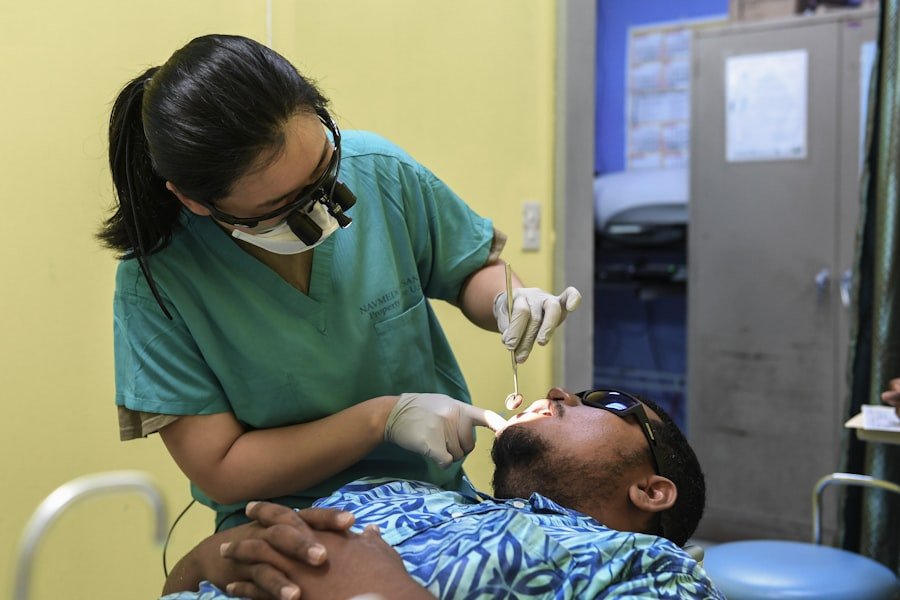
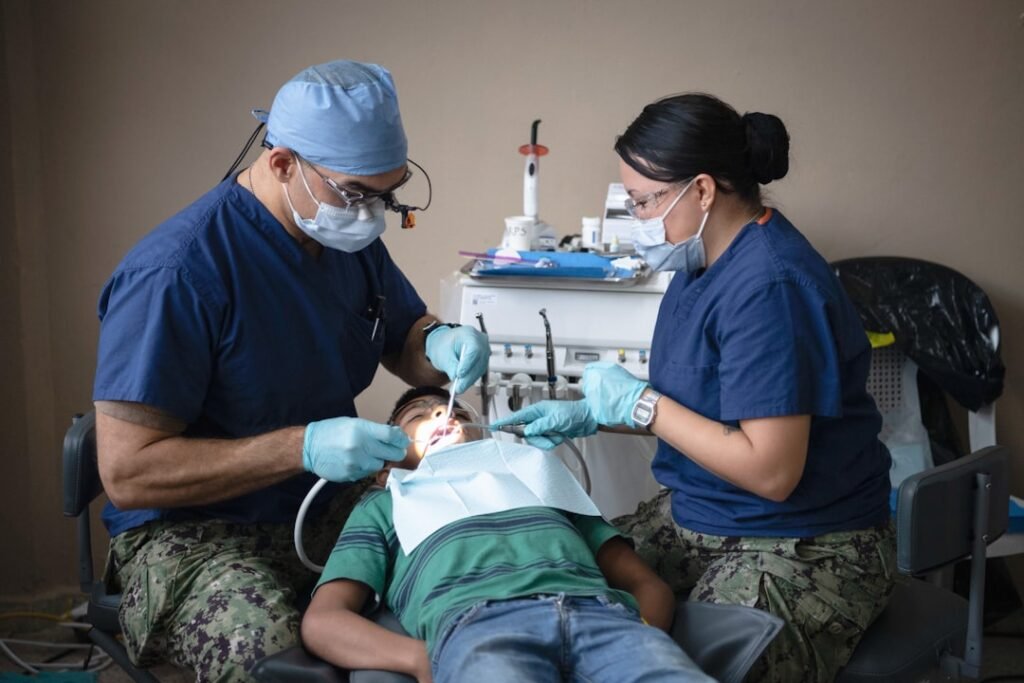
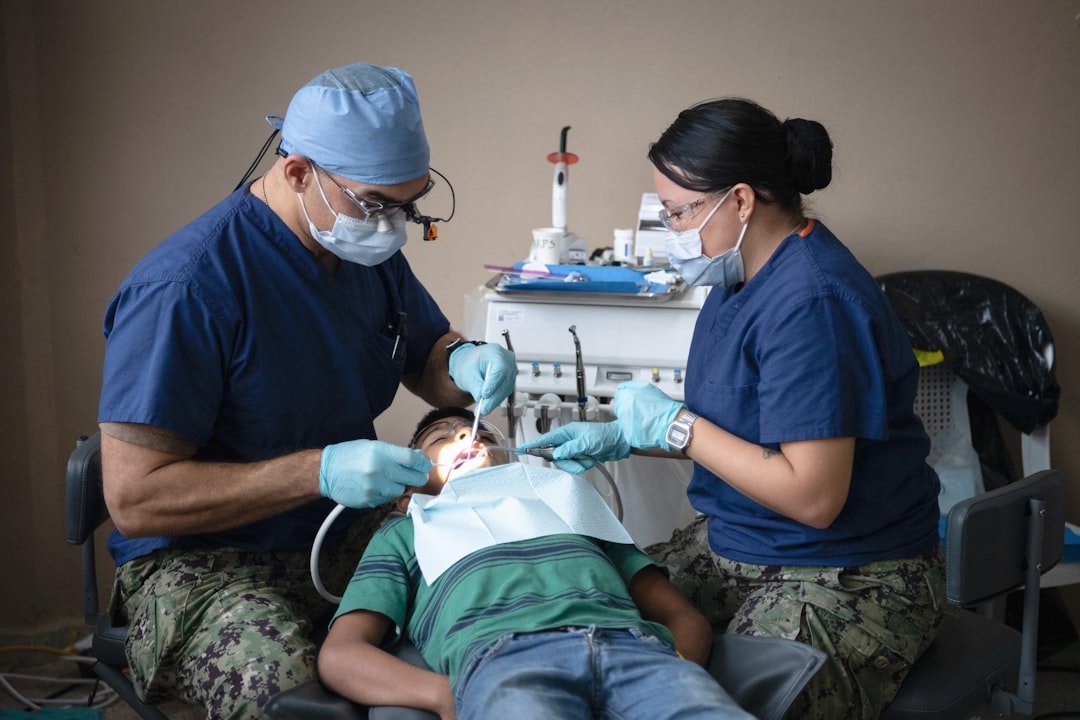
Just as we conduct routine maintenance on our vehicles to prevent breakdowns, we require regular professional dental care to maintain optimal oral health. These appointments are not merely for addressing existing problems but are foundational to preventative care.
The Comprehensive Examination
During our dental check-ups, the dentist performs a thorough examination of our entire oral cavity. This multifaceted assessment extends beyond merely looking for cavities.
- Plaque and Tartar Assessment: We recognize that even with diligent home care, some plaque and tartar (hardened plaque) may accumulate. The dentist identifies these areas, which will be targeted during the cleaning.
- Cavity Detection: Using specialized instruments and often X-rays, the dentist meticulously searches for signs of tooth decay, even in its earliest stages, which are often imperceptible to us. Early detection significantly improves the prognosis for successful treatment.
- Gum Health Evaluation: We pay close attention to the condition of our gums, checking for signs of gingivitis (inflammation of the gums) and periodontitis (a more severe form of gum disease that can lead to bone loss and tooth mobility). This includes probing gum pockets and assessing for bleeding or recession.
- Oral Cancer Screening: A crucial, often overlooked, aspect of the examination is the screening for oral cancer. The dentist visually inspects the soft tissues of the mouth, including the tongue, cheeks, and floor of the mouth, for any suspicious lesions or abnormalities. Early detection of oral cancer dramatically improves treatment outcomes.
- Assessment of Existing Restorations: We examine any existing fillings, crowns, or other dental restorations to ensure they are intact and functioning correctly. Over time, restorations can wear down or sustain damage, requiring repair or replacement.
Professional Dental Cleanings
Professional cleanings, also known as prophylaxis, are an integral part of our preventative strategy. They remove plaque and tartar that we cannot effectively eliminate with brushing and flossing alone.
- Scaling: We use specialized instruments called scalars to meticulously remove tartar from above and below the gum line. This process is crucial as tartar provides a rough surface for further plaque accumulation and harbors bacteria that contribute to gum disease.
- Polishing: Following scaling, we polish the tooth surfaces using a gentle abrasive paste and a rotating brush. This removes surface stains and smooths the enamel, making it more difficult for plaque to adhere.
- Fluoride Treatments: For many individuals, particularly children and those prone to cavities, we apply a topical fluoride treatment. Fluoride strengthens tooth enamel, making it more resistant to acid erosion and aiding in the remineralization of early decay.
- Tailored Advice: During these appointments, we also provide individualized advice on oral hygiene techniques, dietary modifications, and recommend any specialized products that may benefit your specific needs.
Addressing Specific Oral Health Concerns
Beyond general maintenance, certain conditions warrant specific attention and interventions. Understanding and addressing these proactively can prevent further complications.
Sensitivity
Tooth sensitivity, often characterized by a sharp pain when consuming hot, cold, sweet, or acidic foods, can be a symptom of various underlying issues.
- Causes: We identify common causes including receding gums (exposing the dentin), worn enamel, cavities, cracked teeth, or even recent dental procedures.
- Management: We often recommend desensitizing toothpastes, which contain compounds that block the microscopic tubules in the dentin, reducing nerve exposure. In some cases, we may apply fluoride varnishes or recommend dental bonding to cover exposed root surfaces. If the sensitivity persists or worsens, we advise a comprehensive dental examination to rule out more serious issues.
Bad Breath (Halitosis)
Halitosis can be a source of significant social discomfort. While occasional bad breath can be caused by certain foods, persistent bad breath often indicates an underlying oral health issue.
- Oral Causes: We determine that the vast majority of halitosis cases originate in the mouth. These include poor oral hygiene (allowing bacteria to flourish), gum disease, dry mouth, and oral infections. Bacteria on the back of the tongue are a common culprit.
- Systemic Causes: Less commonly, bad breath can be a symptom of systemic conditions such as sinus infections, tonsillitis, acid reflux, diabetes, kidney disease, or liver problems.
- Treatment: Addressing halitosis typically involves improving oral hygiene practices, including diligent brushing, flossing, and tongue cleaning. Professional cleanings are also beneficial. If an underlying systemic condition is suspected, we recommend consultation with a general physician.
Gum Disease (Gingivitis and Periodontitis)
Gum disease, an inflammatory condition affecting the gums and supporting structures of the teeth, progresses from mild gingivitis to severe periodontitis if left untreated.
- Gingivitis: We characterize gingivitis by red, swollen, and sometimes bleeding gums. It is caused by plaque accumulation and is reversible with proper oral hygiene and professional cleaning.
- Periodontitis: If gingivitis is not treated, it can advance to periodontitis. This more severe form of gum disease involves the breakdown of the bone and ligaments that support the teeth. Symptoms include persistent bad breath, receding gums, loose teeth, and changes in bite. We emphasize that periodontitis is a significant cause of tooth loss in adults.
- Treatment: Treatment for gum disease varies depending on its severity. For gingivitis, we focus on improving oral hygiene and professional cleaning. For periodontitis, we may recommend deep cleaning (scaling and root planing), antibiotics, or in advanced cases, surgical interventions to remove infected tissue and reshape bone. We educate our patients that managing periodontitis often requires ongoing maintenance and meticulous home care.
Maintaining good dental hygiene is essential for overall health, and understanding the various aspects of oral care can greatly benefit individuals. For those looking to enhance their knowledge, a related article discusses the importance of regular dental check-ups and effective brushing techniques. You can read more about it in this insightful piece on dental practices. To explore further, check out the article here.
Embracing a Lifetime of Oral Health
| Metric | Description | Recommended Value/Range | Importance |
|---|---|---|---|
| Brushing Frequency | Number of times teeth are brushed daily | 2 times per day | Reduces plaque and prevents cavities |
| Flossing Frequency | Number of times flossing is done daily | Once per day | Removes plaque between teeth and prevents gum disease |
| Duration of Brushing | Time spent brushing teeth each session | 2 minutes | Ensures thorough cleaning of all tooth surfaces |
| Use of Fluoride Toothpaste | Use of toothpaste containing fluoride | Yes | Strengthens enamel and prevents tooth decay |
| Dental Checkups | Frequency of professional dental visits | Every 6 months | Early detection and treatment of dental issues |
| Plaque Index | Measure of plaque accumulation on teeth | Less than 1 (on a scale of 0-3) | Indicator of oral hygiene effectiveness |
| Gingival Index | Assessment of gum inflammation | Less than 1 (on a scale of 0-3) | Helps monitor gum health |
| Water Flossing Usage | Use of water flossers as adjunct cleaning | Optional, recommended for some patients | Improves gum health and plaque removal |
Our collective journey towards optimal dental hygiene is an ongoing process, not a destination. Consistent effort and a proactive approach are the hallmarks of a healthy smile that serves us well throughout our lives.
Making Oral Hygiene a Habit
We understand that incorporating new habits can be challenging. However, viewing oral hygiene as an investment in our overall health can provide the necessary motivation.
- Consistency is Key: We emphasize that intermittent effort yields minimal results. Daily dedication to brushing and flossing is paramount. We advocate for making it an ingrained part of our morning and evening routines.
- Visual Reminders: We find that placing our toothbrush and floss in conspicuous locations, or setting reminders on our phones, can help reinforce these habits.
- Personalized Approach: We acknowledge that what works for one individual may not work for another. We encourage experimentation with different types of toothbrushes, floss, and mouthwashes to find what feels comfortable and effective, thereby increasing adherence.
The Broader Impact on General Health
The connection between oral health and systemic health is increasingly recognized by the medical and dental communities. We view the mouth as a mirror reflecting the health of the entire body.
- Cardiovascular Disease: We note that studies have indicated a potential link between gum disease and an increased risk of cardiovascular disease. The inflammation associated with periodontitis may contribute to inflammation in other parts of the body, including the arteries.
- Diabetes: We observe a bidirectional relationship between diabetes and gum disease. Individuals with diabetes are more susceptible to gum disease, and severe gum disease can make blood sugar control more challenging.
- Respiratory Infections: We highlight that the bacteria in the mouth can be aspirated into the lungs, potentially leading to respiratory conditions such as pneumonia, particularly in vulnerable populations.
- Pregnancy Outcomes: We inform expectant mothers that gum disease has been linked to adverse pregnancy outcomes, including preterm birth and low birth weight.
- Cognitive Function: Emerging research suggests a possible association between poor oral hygiene and cognitive decline, though this area requires further investigation.
In conclusion, maintaining excellent dental hygiene is a fundamental aspect of our self-care. By diligently applying the principles of effective brushing, flossing, a balanced diet, and regular professional care, we not only safeguard our smiles but also contribute significantly to our overall health and longevity. Our mouths are not isolated entities; they are integral to the intricate network of our bodies, and their care warrants our utmost attention.
FAQs
What is dental hygiene?
Dental hygiene refers to the practice of maintaining clean and healthy teeth and gums to prevent dental problems such as cavities, gum disease, and bad breath. It involves regular brushing, flossing, and professional dental cleanings.
How often should I brush my teeth?
It is recommended to brush your teeth at least twice a day—once in the morning and once before bed. Each brushing session should last for about two minutes to effectively remove plaque and food particles.
Why is flossing important for dental hygiene?
Flossing helps remove plaque and food debris from between the teeth and under the gumline, areas that a toothbrush cannot reach. Regular flossing reduces the risk of gum disease and cavities.
How often should I visit the dentist for a check-up?
Most dental professionals recommend visiting the dentist every six months for a routine check-up and professional cleaning. However, the frequency may vary based on individual oral health needs.
What foods should I avoid to maintain good dental hygiene?
To maintain good dental hygiene, it is advisable to limit sugary and acidic foods and drinks, such as candies, soda, and citrus fruits, as they can contribute to tooth decay and enamel erosion. Drinking plenty of water and eating a balanced diet supports oral health.