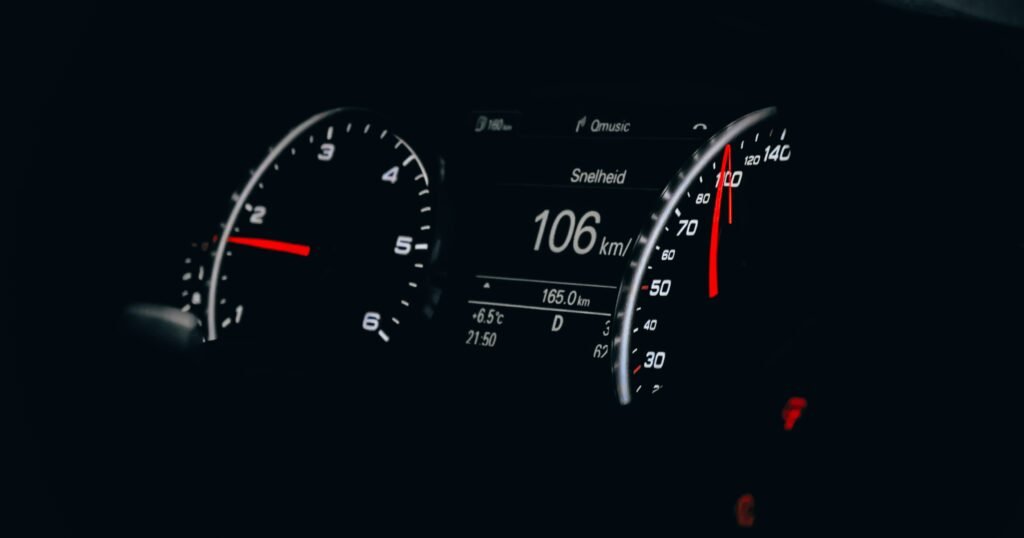
We’ve all been there, standing in front of a meticulously polished used car, the scent of leather and ambition filling our nostrils. Our minds race through possibilities, calculating the financial impact and imagining the open road. But beneath that gleaming exterior, a silent arbiter of value and longevity lurks – the odometer. This seemingly simple display is, in essence, a chronicle of a vehicle’s life, a digital autobiography that holds crucial clues for us, the prospective buyers. This mileage guide for used cars aims to demystify the mileage factor when purchasing a used car, offering a structured approach to understanding its implications and evaluating its true significance.
Used Cars Mileage is More than a Number
We often view the odometer as a singular, definitive number, but it’s more complex than that. Think of it as a historical document, a tapestry woven with threads of daily commutes, weekend adventures, and perhaps even cross-country odysseys. Just as we wouldn’t judge a book solely by its page count, we shouldn’t judge a car solely by its mileage. Instead, we must learn to interpret what those numbers truly represent.
The Myth of the “Magic Number”
There’s a pervasive myth in the used car market that certain mileage thresholds are inherently good or bad. We hear whispers of 100,000 miles being a death knell, or 50,000 miles being the sweet spot. While these numbers can offer a starting point, they are far from absolute. A car driven 150,000 miles on well-maintained highways might be in better condition than one with 70,000 miles subjected to constant stop-and-go city traffic and neglected maintenance. The true “magic” lies not in the number itself, but in the story it tells about the car’s past life.
Mileage vs. Age: A Dynamic Duo
When we evaluate a used car, we are actually looking at two intertwined variables: mileage and age. A five-year-old car with 25,000 miles suggests a gentle life, perhaps as a secondary vehicle or a commuter with a short trip. Conversely, a two-year-old car with 60,000 miles indicates substantial use, likely for business or long-distance travel. We need to consider how these two factors interact. A younger car with higher mileage might still offer good value if the maintenance has been meticulous, as critical components are still relatively new. An older car with low mileage, while seemingly a bargain, could have its own set of issues related to inactivity, such as dried-out seals or battery degradation.
The Impact of Mileage on a Car’s Components
Every revolution of the wheel represents wear and tear, a tiny chip off the block of a car’s lifespan. We understand this intuitively, but it’s important to break down how mileage specifically affects different parts of a vehicle. This allows us to anticipate potential issues and budget for future repairs.
Engine and Powertrain
The engine is the heart of the vehicle, and its health is directly correlated with mileage. Each combustion cycle, each rotation of the crankshaft, contributes to wear. Higher mileage often means increased stress on pistons, cylinders, bearings, and gaskets. While modern engines are remarkably durable, even the best engineering succumbs to the relentless march of time and use.
- Oil Sludge and Contamination: Over time, even with regular oil changes, some sludge can accumulate, reducing engine efficiency and potentially causing blockages.
- Timing Belt/Chain Wear: These critical components, responsible for synchronizing engine parts, have specific replacement intervals. Higher mileage generally means they are closer to or past their recommended service life.
- Transmission Wear: The transmission, a complex system of gears and clutches, also endures significant stress. Automatic transmissions can develop shifting issues, while manual transmissions may experience clutch wear or syncromesh problems.
Suspension and Steering
These systems are the car’s foundation, responsible for ride comfort, handling, and safety. Every bump, pothole, and turn puts stress on their components.
- Shock Absorbers/Struts: With each mile, these dampen road imperfections less effectively, leading to a bumpier ride and reduced control.
- Bushings and Ball Joints: These rubber and metal components, which allow for movement while cushioning impact, degrade over time, leading to rattles, clunks, and loose steering.
- Power Steering Pump/Rack: High mileage can mean increased wear on these hydraulic or electric components, leading to stiff steering or leaks.
Brakes, Tires, and Consumables
These are the ” расходники” (consumables) of a car, designed for regular replacement. While they are expected to wear out, their condition can provide insights into the car’s overall maintenance history.
- Brake Pads and Rotors: While readily replaceable, their condition can hint at the driving style of the previous owner. Heavily worn brakes at lower mileage might suggest aggressive driving.
- Tires: The age and tread depth of tires are crucial for safety. High mileage cars will almost certainly require new tires, a significant expense to factor in.
- Fluids and Filters: Engine oil, transmission fluid, coolant, brake fluid, and air filters all have service intervals. Higher mileage means they’ve been subjected to more cycles and are more likely to need replacement.
Electrical System and Electronics
Modern cars are increasingly complex networks of wires, sensors, and computer modules. While mileage doesn’t directly cause electrical failures in the same way it impacts mechanical parts, consistent vibrations and temperature changes can contribute to their degradation over extended periods.
- Battery Life: Regardless of mileage, a battery typically lasts 3-5 years. However, consistent use and charging cycles contribute to its degradation.
- Sensor Failures: Oxygen sensors, ABS sensors, and various engine sensors can fail due to age, heat cycles, and general wear.
- Wiring Harnesses: While rare, rodent damage or abrasion over many years can lead to electrical shorts or open circuits.
Factors Beyond the Odometer Reading
We must resist the temptation to view the odometer as the sole arbiter of a car’s worth. Its number is merely one piece of a larger puzzle. A low mileage car with a history of neglect can be a far worse investment than a higher mileage car that has been meticulously cared for.
Maintenance History: The Unwritten Chapters
This is arguably the most crucial factor alongside mileage. A comprehensive, verifiable service history is like a golden ticket. It tells us about the attention the car has received throughout its life. We should look for:
- Regular Oil Changes and Service Intervals: Evidence that the previous owner adhered to the manufacturer’s recommended maintenance schedule.
- Records of Major Repairs: Documentation of any significant work, such as transmission overhauls, engine work, or suspension component replacements.
- Recall Completions: Proof that all safety recalls have been addressed.
Without a robust service history, even a low mileage car carries a significant element of risk. It’s like buying a house without ever seeing an inspection report – we are essentially gambling on its internal health.
Driving Conditions: The Road Less Traveled
Mileage accumulated under different driving conditions has vastly different implications for a car’s wear and tear.
- Highway Mileage: Generally less taxing on a car. Constant speeds, minimal braking, and fewer gear changes are gentler on the engine, transmission, and brakes.
- City Mileage: Far more demanding. Constant stop-and-go acceleration and braking, frequent gear changes, and idling all contribute to accelerated wear on a multitude of components. We often say that a car with 50,000 city miles has endured more stress than one with 100,000 highway miles.
- “Hard” Driving: Frequent acceleration, aggressive braking, and spirited cornering can significantly shorten the lifespan of many parts, regardless of whether it’s city or highway driving.
Previous Ownership and Environmental Factors
The history of the previous owner(s) can offer further insights into a car’s condition.
- Number of Owners: While not always a definitive indicator, multiple owners in a short period can sometimes suggest unresolved issues or dissatisfaction.
- Environment: Cars driven in harsh climates (extreme heat, cold, or areas with heavy road salt) may exhibit accelerated wear unique to those conditions. Rust, for example, is a much greater concern in areas with salted roads.
How to Evaluate Mileage and Condition During Inspection
Armed with this knowledge, we can approach a used car inspection with a more discerning eye. We’re not just looking at a number; we’re seeking to understand the narrative behind it.
The Pre-Purchase Inspection (PPI): Our Ace in the Hole
This is our most potent weapon in the used car hunt. No matter how confident we feel, a professional, independent pre-purchase inspection by a trusted mechanic is non-negotiable. They possess the expertise and tools to uncover issues that we, as laypersons, might miss. They can assess the true condition of the engine, transmission, suspension, brakes, and electrical system, providing a detailed report that often includes estimates for necessary repairs. Think of it as a medical exam for the car – crucial for a clear diagnosis.
Visual Clues and Test Drive Tells
While a PPI is paramount, we can still gather valuable information through our own observations and a thorough test drive.
- Interior Wear: Excessive wear on the driver’s seat, steering wheel, and pedal rubbers at low mileage could indicate inaccurate odometer readings or exceptionally heavy use by the previous owner. Conversely, a high-mileage car with a remarkably well-preserved interior might suggest meticulous care.
- Exterior Condition: Chips, dents, and scratches are not necessarily mileage-related, but their presence can suggest how carefully the car was driven and maintained.
- Engine Bay: Look for signs of leaks, dried-out hoses, cracked belts, or excessive corrosion. A clean engine bay can be a positive sign, but also be wary of one that’s too clean, potentially concealing issues.
- During the Test Drive: Pay close attention to how the car starts, idles, shifts gears, corners, and brakes. Listen for unusual noises, feel for vibrations, and note any warning lights. A car with high mileage should still drive smoothly and predictably if it has been well-maintained.
The Financial Implications of Mileage
| Car Make & Model | Average Mileage (miles) | Recommended Mileage Range (miles) | Notes |
|---|---|---|---|
| Honda Civic | 75,000 | 50,000 – 100,000 | Reliable engine, good for long-term use |
| Toyota Camry | 80,000 | 60,000 – 110,000 | Low maintenance costs, durable |
| Ford F-150 | 90,000 | 70,000 – 120,000 | Popular pickup, check for heavy use |
| BMW 3 Series | 65,000 | 40,000 – 90,000 | Luxury car, higher maintenance costs |
| Chevrolet Malibu | 70,000 | 50,000 – 95,000 | Good fuel economy, moderate reliability |
Ultimately, our decision to purchase a used car hinges on its value proposition. Mileage plays a significant role in this equation, influencing both the purchase price and the anticipated running costs.
Depreciation and Resale Value
Mileage is a primary driver of depreciation. Higher mileage cars generally command lower initial prices due to the increased probability of future maintenance and a perceived shorter remaining lifespan. This initial saving, however, needs to be balanced against potential repair costs. Furthermore, when we eventually sell the car, its accumulated mileage will again play a crucial role in its resale value. A car bought with 120,000 miles will inevitably have even higher mileage when we sell it, which will impact its market appeal.
Insurance Costs and Fuel Efficiency
While not directly tied to a car’s initial mileage, insurance companies may consider the age and overall condition of a higher-mileage vehicle, potentially influencing premiums. More significantly, older, higher-mileage cars, particularly those with less efficient engines or transmissions, may incur higher fuel costs due to reduced efficiency over time. Regular maintenance can mitigate this to some extent, but age and wear are ultimately factors in fuel consumption.
Anticipated Maintenance and Repair Costs
This is where the rubber meets the road. We must factor in the increased likelihood of needing to replace or repair components as mileage accumulates. A lower purchase price for a high-mileage vehicle can quickly be negated by a series of expensive repairs. We should research common issues for the specific make and model at various mileage intervals and budget accordingly. Creating a “contingency fund” for unexpected repairs is always a wise strategy when buying any used car, but especially one with significant mileage.
In conclusion, mileage is not a scarlet letter, but rather a vital piece of information that demands our careful consideration. We, as informed buyers, must look beyond the number on the odometer and delve into the narratives of maintenance, driving conditions, and previous ownership. By combining a thorough understanding of mileage’s impact with diligent research and a non-negotiable pre-purchase inspection, we can confidently navigate the used car market and find a vehicle that not only fits our budget but also reliably serves our needs for years to come.
FAQs
What is considered good mileage for a used car?
Good mileage for a used car typically ranges between 12,000 to 15,000 miles per year. A car with lower mileage than this average is generally considered to be in better condition and may have a longer lifespan.
How does mileage affect the value of a used car?
Mileage is a key factor in determining a used car’s value. Generally, the higher the mileage, the lower the car’s resale value, as increased mileage often indicates more wear and tear on the vehicle.
Is high mileage always a bad sign for used cars?
Not necessarily. While high mileage can indicate more usage, a well-maintained car with high mileage can still be reliable. Maintenance history and overall condition are equally important when evaluating a used car.
How can I verify the mileage on a used car?
You can verify mileage by checking the vehicle’s odometer, reviewing maintenance and service records, and using vehicle history reports from services like Carfax or AutoCheck, which track reported mileage over time.
What mileage should I expect for different types of used cars?
Mileage expectations vary by vehicle type and age. For example, a 5-year-old car with average use might have around 60,000 to 75,000 miles, while older or less frequently used vehicles may have lower mileage. SUVs and trucks may have different mileage patterns based on their typical usage.