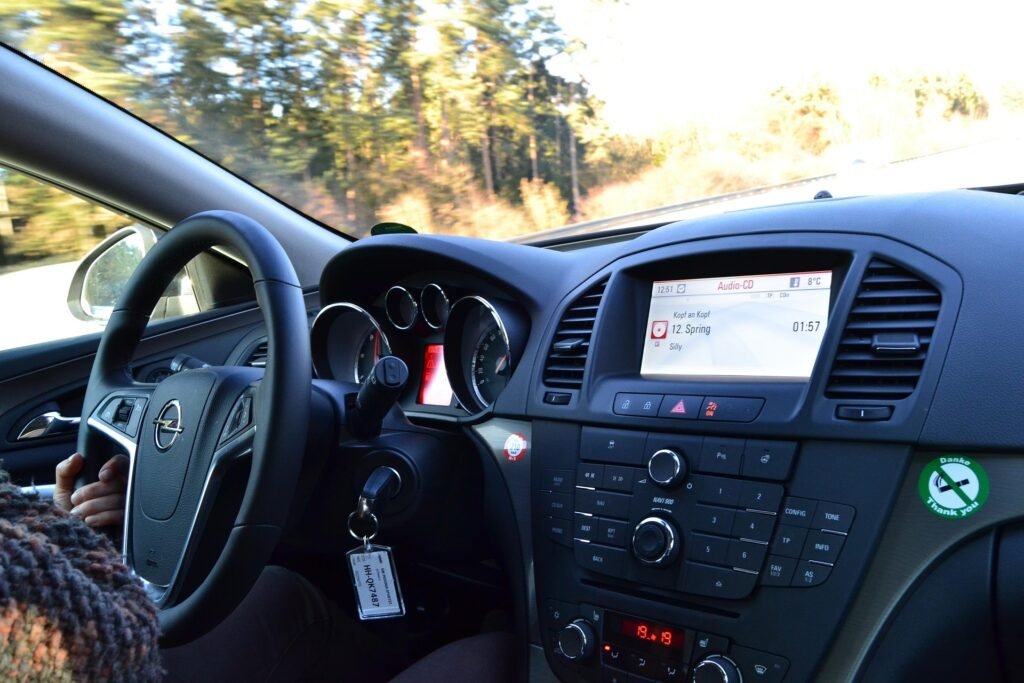
As we embark on the journey of purchasing a used vehicle, a sense of both excitement and trepidation often accompanies us. The allure of a lower price point compared to a new car is undeniable, but this path, while promising, is also paved with potential pitfalls. We must approach this endeavor with a discerning eye, understanding that each pre-owned automobile carries its own unique history, a tapestry woven with miles driven, maintenance performed, and even the occasional mishap. This second hand car buying guide aims to equip us with the knowledge and strategies to navigate this landscape, ensuring we drive away not with a lemon, but with a reliable companion for our journeys.
Tips When Buying a Second Hand Car
Before we even set foot on a dealership lot or scroll through online listings, we must lay a strong foundation by thoroughly understanding our own requirements. This foundational step is the bedrock upon which all subsequent decisions will rest. Without clarity here, we risk becoming like a ship without a rudder, adrift in a sea of options, potentially making choices that do not truly serve our practical or financial needs.
Defining Our Purpose: What Will This Car Do For Us?
The first puzzle piece we must identify is the primary role this vehicle will play in our lives. Will it be our daily commuter, navigating congested city streets, demanding fuel efficiency and maneuverability? Or will it be a workhorse, tasked with hauling cargo or towing equipment, requiring robust performance and ample space? Perhaps it’s a weekend cruiser, meant for leisurely drives and the open road, where comfort and refinement might take precedence.
- Daily Commuting: For those whose daily routine involves predictable routes and regular stop-and-go traffic, fuel economy becomes a paramount concern. Smaller engines, hybrid powertrains, or even electric vehicles (though less common in the “second-hand” realm) might be worth considering. Ease of parking and a comfortable ride for extended periods are also important factors.
- Family Transportation: If the vehicle is intended to ferry a family, safety features, passenger space, and cargo capacity are non-negotiable. We need to consider seating arrangements, the ease of installing child seats, and whether the trunk can accommodate strollers, sports equipment, or luggage for longer trips.
- Work or Hobby-Related Use: For tradespeople, outdoor enthusiasts, or those with specific hobbies requiring transport of gear, the vehicle’s capabilities become critical. This could involve considering trucks with towing capacity, SUVs with all-wheel drive for off-road excursions, or vans offering versatile cargo configurations.
- Long-Distance Travel: If our plans involve frequent road trips, comfort, reliability, and fuel efficiency on the highway are key. We should look for vehicles known for their smooth ride, quiet cabins, and predictable cruising characteristics.
Setting a Realistic Budget: The Financial Compass
Once we’ve defined the purpose, we must anchor ourselves with a concrete budget. This isn’t just about the sticker price; it’s a holistic financial picture that includes ongoing costs. Overlooking these secondary expenses is akin to buying a beautiful, but potentially leaky, vessel without accounting for essential repairs.
- Purchase Price: This is the most obvious component, but it’s crucial to determine our maximum comfortable spending limit. This figure should take into account any available savings or financing options.
- Taxes and Fees: Remember that the advertised price is rarely the final price. We need to factor in sales tax, registration fees, and any dealership processing fees. These can add a significant percentage to the total cost.
- Insurance Premiums: Different vehicles carry different insurance costs. We must research the anticipated insurance rates for any car we are seriously considering. A sporty sedan might be more expensive to insure than a sensible hatchback, for instance.
- Fuel Costs: Based on our anticipated mileage and the vehicle’s fuel efficiency, we should estimate our monthly fuel expenditure. This can vary dramatically between models.
- Maintenance and Repairs: This is a crucial, and often underestimated, aspect of used car ownership. Older cars, by their nature, are more prone to wear and tear and may require more frequent or expensive repairs. We should budget for routine maintenance (oil changes, tire rotations) and also set aside a contingency fund for unexpected mechanical issues. Researching common problems for specific makes and models can provide valuable insight here.
- Financing Costs (if applicable): If we are taking out a loan, we must factor in the interest rates and loan terms. A lower interest rate can significantly reduce the overall cost of ownership over time.
The Research Phase: Arming Ourselves with Knowledge
With our needs and budget firmly established, we transition to the research phase. This is where we become detectives, gathering intelligence on potential vehicles. Skipping this step is like going into battle without a map; we might stumble upon something suitable, but the odds are stacked against us.
Identifying Target Models: Narrowing the Field
Based on our needs and budget, we can start identifying specific makes and models that fit the bill. This is not a random selection; it’s a strategic narrowing of options.
- Reliability Ratings: We should consult reputable sources for reliability ratings. Organizations like Consumer Reports, J.D. Power, and various automotive enthusiast websites provide in-depth reviews and long-term reliability data. These reports act as a weather forecast, predicting potential storms of mechanical trouble.
- Common Issues and Recalls: Every car model has its Achilles’ heel. Researching common problems and safety recalls for the models we are considering is paramount. Knowing about potential issues before they arise allows us to ask informed questions and potentially negotiate a better price or be more vigilant during inspections.
- Owner Reviews: Beyond official ratings, reading owner reviews can offer a more intimate perspective. Other drivers who have lived with these vehicles can provide insights into their real-world performance, quirks, and the overall ownership experience.
Valuation Tools: Understanding Market Worth
Once we have a shortlist of models, we need to understand their fair market value. This knowledge is our shield against overpayment.
- Online Valuation Guides: Websites like Kelley Blue Book (KBB), Edmunds, and NADA Guides provide estimated values for used cars based on their year, make, model, condition, and mileage. These are essential tools for establishing a realistic price range.
- Local Market Analysis: While national guides are helpful, local market conditions can also influence pricing. We should also check local dealership websites and online classifieds to see what similar vehicles are actually selling for in our area. This provides a grounded perspective.
Understanding Vehicle History: Peering Behind the Curtain
Every car has a story, and the vehicle history report is its autobiography. It’s crucial to get this document to uncover any hidden chapters that might impact our decision.
- Vehicle History Reports (CarFax, AutoCheck): These reports can reveal crucial information such as accident history, salvage titles, odometer discrepancies, flood damage, and previous ownership. While not foolproof, they are an indispensable tool in assessing a vehicle’s past. Think of it as a x-ray for the car’s history.
- Title Status: We must ensure the vehicle has a clean title. A “salvage” or “rebuilt” title indicates the vehicle has been declared a total loss by an insurance company due to significant damage, and while it may have been repaired, its structural integrity could be compromised.
Inspection and Evaluation: The Hands-On Assessment
Research is vital, but it cannot replace a thorough physical inspection of the car. This is where we shift from being armchair analysts to hands-on inspectors, looking for tangible signs of a vehicle’s condition.
The Exterior Examination: First Impressions Matter
The external appearance of a car can reveal a great deal about its past care and any potential underlying issues. We need to be meticulous in our scrutiny.
- Body Damage and Rust: Look for dents, scratches, and especially rust. Rust is a corrosive enemy that can compromise the structural integrity of the vehicle. Pay close attention to wheel wells, door bottoms, and the undercarriage.
- Panel Gaps and Paint: Uneven panel gaps between doors, fenders, and the hood can indicate previous accident repairs. Mismatched paint colors or overspray can also suggest bodywork has been done.
- Tires: Check the tread depth of all four tires. Uneven wear can signal alignment problems or suspension issues. Also, note the brand and age of the tires; older tires, even with good tread, can degrade over time.
- Glass: Inspect all windows and the windshield for cracks or chips. A damaged windshield might need replacement, adding to immediate costs.
The Interior Inspection: A Glimpse into the Cabin Life
The interior offers clues about how the car has been treated and any signs of wear or malfunction.
- Upholstery and Carpeting: Look for tears, stains, or excessive wear on seats, carpets, and headliner. The smell of the interior can also be telling; musty odors might indicate water leaks or mold.
- Dashboard and Controls: Ensure all dashboard lights illuminate when the ignition is turned on and then extinguish as expected. Test all buttons, knobs, and switches for functionality: climate control, radio, power windows, locks, mirrors, and wipers.
- Pedals and Steering Wheel: Excessive wear on pedals and the steering wheel can indicate high mileage, even if the odometer reading suggests otherwise.
- Odors: Be sensitive to any unusual smells, such as cigarette smoke, mildew, or strong air fresheners used to mask other odors.
Under the Hood and Undercarriage: The Mechanical Heartbeat
This is where we delve into the car’s mechanical well-being. It’s wise to bring a flashlight and perhaps a friend with some automotive knowledge.
- Fluids: Check the levels and condition of engine oil, coolant, brake fluid, power steering fluid, and transmission fluid. The oil should be amber or light brown, not black and sludgy. Coolant should be the correct color and free of rust or debris.
- Belts and Hoses: Inspect belts for cracks or fraying and hoses for leaks or swelling. A failing belt or hose can lead to serious engine problems.
- Battery: Check for corrosion on the battery terminals.
- Leaks: Look for any signs of leaks under the car or around engine components. This could indicate issues with seals, gaskets, or the cooling system.
- Suspension: Push down on each corner of the car. It should bounce once or twice and then settle. Excessive bouncing suggests worn shock absorbers.
The Test Drive: Listening to the Car’s Voice

The test drive is arguably the most critical activity in the entire process. It’s where we move beyond static observation and experience the car’s performance, handling, and overall drivability. This is the car’s opportunity to speak to us through its mechanics and dynamics.
Starting Up and Initial Impressions: The First Rhythms
The first few moments of the test drive can reveal a lot.
- Engine Start: The engine should start promptly without hesitation. Listen for any unusual noises like knocking, grinding, or chattering.
- Idle Smoothness: Once started, the engine should idle smoothly without excessive vibration or stalling.
- Warning Lights: Ensure no warning lights illuminate on the dashboard during startup or while the engine is running (check engine, ABS, airbag lights, etc.).
On the Road: Experiencing the Drive Dynamics
This is where we truly get a feel for the vehicle. Take the car on a varied route, including different speeds and road surfaces.
- Acceleration and Braking: The car should accelerate smoothly and without hesitation. When braking, it should stop in a straight line without pulling to one side, and the brakes should feel firm and responsive, not spongy. Listen for any grinding or squealing noises.
- Steering and Handling: The steering wheel should feel responsive and return to center easily after a turn. Listen for any clunking or popping noises when turning, especially at low speeds. The car should track straight on a level road.
- Transmission Shifts: If the car is automatic, shifts should be smooth and seamless. If it’s a manual, the clutch should engage cleanly without slipping, and gears should shift easily without grinding.
- Suspension and Ride Comfort: Drive over bumps and uneven surfaces to assess the suspension. Listen for any rattles, clunks, or creaks from the suspension system. The ride should be reasonably comfortable and not overly jarring.
- Unusual Noises: Pay close attention to any new noises that appear during the drive. These could be related to the engine, transmission, brakes, suspension, or exhaust system.
Testing All Gears and Reverse:
Don’t just drive in a straight line.
- Manual Transmission: Ensure all gears engage properly, including reverse, without resistance or grinding.
- Automatic Transmission: Test all drive modes and ensure the transmission shifts through all gears at appropriate speeds.
The Professional Inspection: An Unbiased Opinion
| Tip | Description | Importance Level | Estimated Cost Impact |
|---|---|---|---|
| Check Vehicle History | Obtain a detailed report to verify past accidents, ownership, and service records. | High | Can save thousands by avoiding problematic cars |
| Inspect the Car Thoroughly | Look for signs of rust, damage, and wear; check tires, brakes, and engine condition. | High | Prevents unexpected repair costs |
| Test Drive | Drive the car in various conditions to assess performance and comfort. | High | Helps identify mechanical issues early |
| Get a Professional Inspection | Hire a mechanic to perform a detailed check before purchase. | Medium | Inspection fee typically low compared to repair costs |
| Verify Ownership and Documentation | Ensure the seller has legal ownership and all necessary documents are in order. | High | Avoids legal complications and fines |
| Negotiate Price | Use findings from inspection and market research to negotiate a fair price. | Medium | Potential savings of several hundred to thousands |
| Check for Recalls | Verify if the car has any outstanding manufacturer recalls. | Medium | Ensures safety and avoids future repair costs |
| Consider Total Cost of Ownership | Factor in insurance, taxes, fuel efficiency, and maintenance costs. | High | Impacts long-term affordability |
Even with our best efforts, we are not automotive mechanics. To gain truly unbiased and expert insight, we must engage a professional. This is akin to consulting a seasoned physician for a definitive diagnosis, rather than relying solely on self-assessment.
Finding a Trusted Mechanic: Your Mechanical Oracle
Locating a reliable and reputable independent mechanic is crucial.
- Recommendations: Ask friends, family, or colleagues for recommendations.
- Online Reviews and Certifications: Research mechanics online and look for certifications from automotive professional organizations.
What to Expect During the Pre-Purchase Inspection (PPI): The Deeper Dive
A pre-purchase inspection is a comprehensive examination of the vehicle by a qualified mechanic.
- Thorough Mechanical Check: The mechanic will inspect the engine, transmission, brakes, suspension, exhaust system, and all other critical mechanical components. They will also check for any diagnostic trouble codes stored in the car’s computer.
- Fluid Analysis: They will likely perform a more detailed analysis of all fluids.
- Underbody and Frame Inspection: A mechanic can identify rust, damage, or other structural issues that might be difficult for an untrained eye to detect.
- Road Test: They will also conduct a test drive to assess the car’s performance and identify any handling or braking issues.
- Written Report: The mechanic should provide a detailed written report outlining their findings, including any recommended repairs and an estimate of their cost. This report is invaluable for negotiation.
Negotiation and Finalizing the Purchase: The Art of the Deal
Once we’ve found a car that passes our thorough inspections, it’s time to negotiate the price. This is where the information we’ve gathered becomes our leverage.
Using Inspection Findings to Your Advantage: The Leverage of Truth
The mechanic’s report is a powerful tool.
- Highlighting Issues: Any identified problems, from minor cosmetic flaws to significant mechanical concerns, can be used to justify a lower offer.
- Repair Costs: Use the estimated repair costs to further strengthen your negotiation position.
Understanding Dealer vs. Private Seller Negotiation: Different Arenas
The negotiation process can differ depending on whether you are buying from a dealership or a private seller.
- Dealerships: Dealers often have more room for negotiation, but they also have overhead costs to consider. Be wary of add-ons and extended warranties unless you have thoroughly researched their value.
- Private Sellers: Private sellers may be more flexible on price but are typically selling the car “as-is” with no recourse if problems arise later. Your bargaining power relies more on the car’s objective condition and market value.
The Offer and Counter-Offer: The Dance of Agreement
Be prepared for a back-and-forth.
- Starting Point: Make an initial offer that is fair but leaves room for negotiation.
- Patience and Persistence: Don’t be afraid to walk away if you can’t reach a mutually agreeable price. There will always be other cars.
Paperwork and Payment: Sealing the Deal
Once a price is agreed upon, ensure all paperwork is in order.
- Bill of Sale: Ensure it accurately reflects the terms of the sale, including VIN, mileage, and agreed-upon price.
- Title Transfer: Ensure the seller properly signs over the title to you.
- Payment Method: Understand the acceptable payment methods. Avoid carrying large sums of cash unless absolutely necessary and always take precautions.
By approaching the purchase of a second-hand car with diligence, research, and a healthy dose of skepticism, we can transform a potentially daunting task into a rewarding experience. This investment, made wisely, will provide us with reliable transportation and peace of mind on our future voyages.
FAQs
1. What should I check before buying a second-hand car?
Before purchasing a second-hand car, inspect the vehicle’s exterior and interior for any damage or signs of repair. Check the engine, tires, brakes, and lights. Review the car’s service history and verify the Vehicle Identification Number (VIN) to ensure it matches the registration documents.
2. How can I verify the car’s history?
You can obtain a vehicle history report from authorized services using the car’s VIN. This report provides information about previous accidents, ownership history, mileage records, and any outstanding finance or legal issues related to the car.
3. Is it important to take a test drive?
Yes, taking a test drive is crucial. It helps you assess the car’s performance, handling, braking, and comfort. Pay attention to any unusual noises, vibrations, or warning lights on the dashboard during the drive.
4. Should I get a professional inspection before buying?
It is highly recommended to have a trusted mechanic conduct a thorough inspection. A professional can identify hidden problems that may not be apparent during a casual check or test drive, potentially saving you from costly repairs later.
5. How do I negotiate the price of a second-hand car?
Research the market value of the car model you are interested in, considering its age, condition, mileage, and features. Use any issues found during inspection or test drive as leverage to negotiate a fair price with the seller.