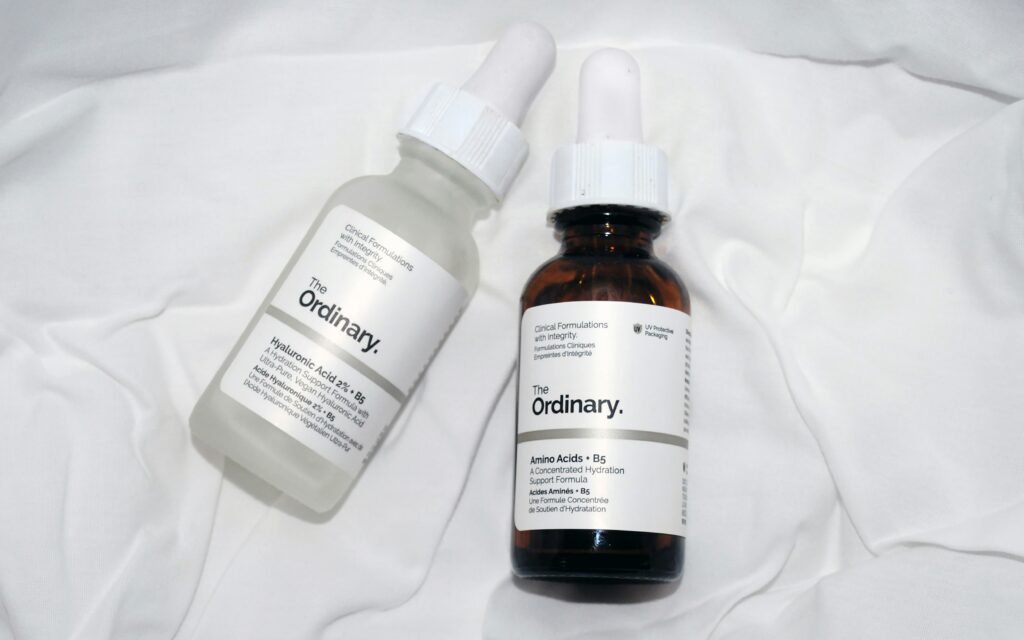
If your skin tends to react to almost anything – redness, itching, burning, breakouts – then you’ve got sensitive skin. The good news is, you’re not alone, and managing it doesn’t have to be a constant battle. The key to happy sensitive skin is gentle, consistent care, and a proactive approach to understanding what your skin likes and dislikes. It’s all about protecting your skin’s natural barrier and avoiding common irritants.
Sensitive skin isn’t a specific skin type like oily or dry; it’s more of a condition. It can affect any skin type and refers to skin that’s more prone to adverse reactions. This often stems from a compromised skin barrier, which is your skin’s outermost layer. When this barrier is weakened, it’s less effective at keeping irritants out and moisture in, leading to those uncomfortable symptoms.
What Causes Sensitivity?
There are a few common culprits. Genetics play a role; if your parents have sensitive skin, you might too. Environmental factors like pollution, extreme weather, and sun exposure can also trigger sensitivity. And then there are product ingredients – fragrances, harsh chemicals, certain preservatives, and aggressive exfoliants are often big no-nos for sensitive complexions. Sometimes, underlying skin conditions like eczema, rosacea, or contact dermatitis are the root cause.
Recognizing the Signs
It’s not always obvious. While redness, itching, and burning are clear indicators, sensitivity can also manifest as dryness, tightness, peeling, bumps, or even sudden breakouts after using a new product. Pay attention to how your skin feels and looks after applying something new or being exposed to different environments. This detective work is crucial for managing your skin effectively.
Building Your Gentle Skincare Routine
Less is often more when it comes to sensitive skin. A simple, consistent routine with carefully chosen products will serve you much better than a multi-step regimen packed with active ingredients. The goal is to cleanse gently, hydrate effectively, and protect barrier.
Cleansing Wisely
This is where many people go wrong. Harsh cleansers strip the skin of its natural oils, further damaging that delicate barrier.
Choose the Right Cleanser
Opt for a cream, milk, or oil-based cleanser. Look for terms like “gentle,” “fragrance-free,” “non-foaming,” or “for sensitive skin.” Avoid anything with sulfates (like sodium lauryl sulfate), strong exfoliants (like salicylic acid or glycolic acid in high concentrations), or alcohol.
Water Temperature Matters
Luke-warm water is your friend. Hot water can strip your skin and exacerbate redness, while ice-cold water isn’t much better. A gentle rinse is all you need.
Skip the Scrub
Physical exfoliants like facial scrubs with beads or grains are generally too harsh for sensitive skin. Even washcloths can be too abrasive if used vigorously. Your fingers are usually the gentlest tool for cleansing.
Hydration is Key
Moisture helps repair and protect your skin barrier. Hydration is non-negotiable for sensitive skin.
Select a Soothing Moisturizer
Look for ingredients like ceramides, hyaluronic acid, glycerin, colloidal oatmeal, and squalane. These help to replenish the skin’s natural barrier and draw in moisture. Again, fragrance-free is important. Products labeled “non-comedogenic” are also a good bet if you’re prone to breakouts.
Apply to Damp Skin
For best absorption, apply your moisturizer within a few minutes of cleansing while your skin is still a little damp. This helps to lock in moisture.
Layering for Extra Dryness
If your skin is particularly dry or flaky, consider a hydrating serum before your moisturizer. Serums with hyaluronic acid or niacinamide can be beneficial. However, introduce one product at a time to see how your skin reacts.
Ingredient Watch: What to Avoid and What to Embrace

This is perhaps the most important aspect of caring for sensitive skin. Understanding ingredients helps you make informed choices.
Common Irritants to Avoid
Learning to read ingredient labels will save your skin a lot of grief. Here are some of the most common culprits:
Fragrance
This is a big one. “Fragrance” can be a catch-all term for dozens of chemicals, many of which are known irritants. Even natural essential oils can be problematic for sensitive skin. Always opt for “fragrance-free” or “unscented” products. Be aware that “unscented” can sometimes mean masking fragrances are used, so “fragrance-free” is generally safer.
Alcohol
Specifically denatured alcohol or alcohol denat. These types of alcohol are drying and can damage the skin barrier. Fatty alcohols, like cetyl alcohol or stearyl alcohol, are different and generally safe, as they act as emollients.
Harsh Exfoliants
While exfoliation can be beneficial, strong alpha hydroxy acids (AHAs) like glycolic acid or beta hydroxy acids (BHAs) like salicylic acid can be too much for sensitive skin. If you do exfoliate, opt for very low concentrations and use them infrequently, or consider very gentle enzymes.
Certain Preservatives
Some preservatives, like parabens (though less common now) and formaldehyde-releasing agents (e.g., quaternium-15), can trigger reactions. Propylene glycol can also be an irritant for some.
Dyes
Artificial colors added to products serve no functional purpose and can be an unnecessary irritant.
Beneficial Ingredients to Look For
Focus on ingredients that soothe, hydrate, and protect.
Ceramides
These lipids are naturally found in your skin barrier and are crucial for its integrity. Products with ceramides help to repair and strengthen your barrier.
Hyaluronic Acid
A powerful humectant that draws moisture from the air into your skin, providing deep hydration without feeling heavy.
Niacinamide (Vitamin B3)
This versatile ingredient helps improve skin barrier function, reduce redness, and can even help with breakouts and fine lines. Start with lower concentrations (2-5%).
Colloidal Oatmeal
Known for its anti-inflammatory and soothing properties, it’s excellent for calming irritated, itchy skin.
Squalane
A stable emollient that mimics skin’s natural oils, providing hydration and softening the skin without feeling greasy.
Sun Protection is Non-Negotiable

Sun exposure is a significant trigger for sensitive skin and can worsen redness, inflammation, and barrier damage. Daily, consistent sun protection is vital.
Choose Mineral Sunscreens
Look for sunscreens with zinc oxide and titanium dioxide as their active ingredients. These are “physical” or “mineral” blockers that sit on top of your skin and reflect UV rays, making them generally less irritating than chemical sunscreens, which absorb into the skin.
Broad-Spectrum and High SPF
Ensure your sunscreen offers “broad-spectrum” protection against both UVA and UVB rays, and has an SPF of 30 or higher.
Apply Generously and Reapply
Don’t skimp. Apply a generous amount to all exposed skin and reapply every two hours, or more frequently if swimming or sweating.
Seek Shade and Wear Protective Clothing
Sunscreen is part of a larger strategy. Seek shade during peak sun hours (10 AM to 4 PM), wear wide-brimmed hats, and choose UV-protective clothing when spending extended time outdoors.
Lifestyle Adjustments for Happier Skin
| Product | Price | Rating |
|---|---|---|
| Gentle Cleanser | 12.99 | 4.5 |
| Hydrating Moisturizer | 19.99 | 4.8 |
| Calming Serum | 24.99 | 4.7 |
Skincare isn’t just about what you put on your face; it’s also about your daily habits and environment.
Patch Testing New Products
This is a non-negotiable step for anyone with sensitive skin. Before applying a new product all over your face, test a small amount on a discreet area of your skin (behind your ear or on your inner forearm) for a few days. If no irritation occurs, then try it on a small area of your face. Introduce one new product at a time so you can identify exactly what’s causing a reaction if one occurs.
Diet and Hydration
While not a direct cure, what you eat can impact your skin. Some people find that certain foods (e.g., spicy foods, dairy, alcohol) trigger flare-ups. Pay attention to your body and adjust if necessary. Drinking enough water is always beneficial for overall skin health.
Stress Management
Stress can exacerbate many skin conditions, including sensitivity. Finding healthy ways to manage stress – whether through exercise, meditation, hobbies, or spending time in nature – can indirectly benefit your skin.
Environmental Considerations
Protect your skin from harsh elements. In cold, dry weather, use a humidifier indoors. In windy conditions, apply a thicker balm or ointment to act as an extra protective layer. Shield your face from direct exposure to very hot or cold air.
Laundry Detergents and Fabric Softeners
Believe it or not, residual detergents in your pillowcases and towels can irritate sensitive facial skin. Switch to “free and clear” or hypoallergenic detergents, and avoid fabric softeners, which often contain fragrances.
By taking a gentle, informed approach, you can significantly reduce flare-ups and help your sensitive skin feel more comfortable, hydrated, and resilient. It takes a bit of patience and observation, but understanding your skin and treating it kindly will pay off in the long run.
FAQs
What is sensitive skin?
Sensitive skin is a common condition characterized by a heightened reaction to certain products or environmental factors. It can manifest as redness, itching, burning, or dryness.
What are common triggers for sensitive skin?
Common triggers for sensitive skin include harsh chemicals in skincare products, extreme weather conditions, certain fabrics, and allergens such as pollen or pet dander.
How can sensitive skin be cared for?
Sensitive skin can be cared for by using gentle, fragrance-free skincare products, avoiding harsh exfoliants, using sunscreen daily, and protecting the skin from extreme temperatures.
What ingredients should be avoided in skincare products for sensitive skin?
Skincare products for sensitive skin should avoid ingredients such as alcohol, fragrances, parabens, sulfates, and synthetic dyes, as these can exacerbate sensitivity.
When should I seek professional help for my sensitive skin?
If you experience persistent or severe symptoms of sensitive skin, it is important to seek professional help from a dermatologist or skincare specialist for proper diagnosis and treatment.