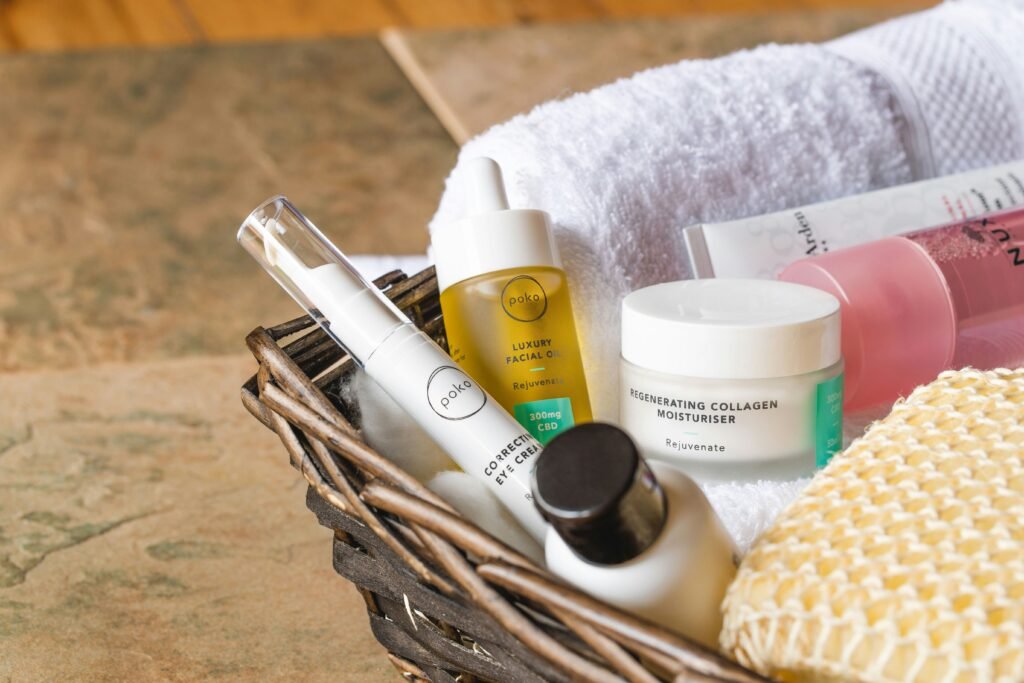
Getting that healthy, glowing skin isn’t usually about a magic potion, but it is about having a few key players in your corner. Think of these as your skincare MVPs. Having the right products can make a genuine difference in how your skin looks and feels, without needing a whole five-star spa in your bathroom. So, let’s dive into what those crucial items are and why they earn their spot on your counter for real, tangible results.
Cleansing is arguably the most fundamental step in any skincare routine. It’s where you remove the day’s grime, makeup, and excess oil that can clog pores and lead to breakouts. The key here is gentleness; harsh cleansers strip your skin of its natural oils, leading to irritation, dryness, and even triggering your skin to produce more oil to compensate.
Why Gentle Matters
Think of your skin like a protective barrier. When you use a cleanser that’s too aggressive, you’re essentially damaging that barrier. This makes your skin more vulnerable to environmental stressors, pollutants, and bacteria. The result? Redness, sensitivity, and a dull complexion. A gentle cleanser, on the other hand, respects your skin’s natural balance. It effectively removes impurities without leaving your skin feeling tight or stripped.
What to Look For in a Good Cleanser
- pH-Balanced Formulas: Skin’s natural pH is slightly acidic (around 4.7-5.75). Cleansers that mimic this pH are less likely to disrupt your skin’s barrier. This information is often found on the packaging, though not always explicitly stated as “pH-balanced.” If your skin feels okay after cleansing, it’s likely on the right track.
- Sulfate-Free Ingredients: Be wary of ingredients like Sodium Lauryl Sulfate (SLS) and Sodium Laureth Sulfate (SLES). These are strong detergents that can be very drying for many people.
- Key Ingredients for Different Skin Types:
- For Dry or Sensitive Skin: Look for creamy, hydrating formulas often containing ingredients like glycerin, ceramides, hyaluronic acid, or soothing botanicals like chamomile or calendula. Micellar water is also a fantastic gentle option.
- For Oily or Acne-Prone Skin: Gel or foam cleansers can be effective, but still choose ones that are gentle. Ingredients like salicylic acid (a beta-hydroxy acid, or BHA) can be helpful in moderation to unclog pores, but start with a lower concentration if you’re new to it. Avoid harsh scrubbing beads that can cause micro-tears.
- For Normal or Combination Skin: You have a bit more flexibility. Creamy, gel, or light foam cleansers can work well. You might still benefit from ingredients that offer mild exfoliation or hydration.
How to Use It Effectively
The way you cleanse is as important as the product you choose.
- Temperature Matters: Use lukewarm water, never hot. Hot water can strip your skin and worsen redness.
- Lather Gently: If using a foam or gel cleanser, work it between your hands with a little water to create a light lather before applying to your face.
- Massage, Don’t Scrub: Use the pads of your fingertips to gently massage the cleanser onto your skin in circular motions. Spend about 30-60 seconds ensuring you’ve covered all areas.
- Rinse Thoroughly: Make sure to rinse off all cleanser residue. Leftover product can irritate your skin.
- Pat Dry: Instead of rubbing your face with a towel – which can be abrasive – gently pat your skin dry with a clean, soft towel.
A good cleanser sets the stage for everything else you apply afterward, ensuring your skin is clean and receptive to treatments and hydration.
The Hydration Hero: A Quality Moisturizer
Moisturizer is often an misunderstood hero. It’s not just about combating dryness; it’s about maintaining your skin’s natural barrier function, which is crucial for overall skin health and that coveted glow. When your skin is well-hydrated, it looks plumper, smoother, and fine lines are less noticeable.
Why Barrier Function is Key
Your skin’s barrier, also known as the stratum corneum, is made up of skin cells and lipids (fats). This barrier acts like a shield, keeping beneficial substances in (like moisture) and harmful ones out (like pollutants and irritants). When this barrier is compromised, your skin loses water more easily, becomes dry, sensitive, and prone to inflammation. Moisturizers help to reinforce and repair this barrier.
Choosing the Right Moisturizer
The best moisturizer for you depends on your skin type and specific concerns.
- For Dry Skin: You’ll want richer, creamier formulas. Look for ingredients that act as emollients (softening the skin) and occlusives (forming a barrier to prevent water loss).
- Emollients: Ceramides, fatty acids, cholesterol, shea butter, cocoa butter.
- Humectants: Glycerin, hyaluronic acid, urea, sodium PCA. These draw water from the air and deeper layers of the skin.
- Occlusives: Petrolatum, dimethicone, mineral oil, lanolin. These create a physical barrier.
A good heavy cream can be a game-changer.
- For Oily or Acne-Prone Skin: Don’t skip moisturizer! Oily skin can still be dehydrated. Opt for lightweight, oil-free, non-comedogenic formulas. Gel-based moisturizers are often a good choice.
- Look for water-based formulas with humectants like hyaluronic acid and glycerin.
- Ingredients like niacinamide can also be beneficial as they help regulate oil production and improve the skin’s barrier.
- Avoid heavy, greasy formulas.
- For Normal or Combination Skin: You can often use a medium-weight lotion or cream. You might need different formulations for your T-zone versus drier cheeks, or a product that balances hydrating and oil-controlling properties.
- A balanced formula with humectants and some lighter emollients often works well.
- For Sensitive Skin: Fragrance-free, hypoallergenic formulas are essential. Look for soothing ingredients like ceramides, colloidal oatmeal, or panthenol (Vitamin B5). Avoid potential irritants like alcohol, essential oils, and strong fragrances.
When and How to Apply
The timing of your moisturizer application can enhance its effectiveness.
- After Cleansing: Apply moisturizer to slightly damp skin. This helps to trap moisture. Gently pat it in; avoid vigorous rubbing.
- Morning and Night: Your skin loses moisture overnight, so applying moisturizer before bed is crucial. In the morning, it preps your skin for the day and provides a base for sunscreen.
- Layering: If you use serums or treatments, apply them first and let them absorb for a minute or two before applying moisturizer.
A consistently moisturized skin barrier is resilient, better able to defend itself, and reflects light more effectively, contributing significantly to a healthy glow.
The Brightener & Protector: Vitamin C Serum

Vitamin C is a powerhouse ingredient for achieving brighter, more even-toned skin with that desirable glow. It’s a potent antioxidant that offers both preventative and reparative benefits, making it a worthwhile investment for most skin types.
Why Vitamin C is a Star
Vitamin C, or ascorbic acid, is a natural antioxidant found in fruits and vegetables. In skincare, it plays several crucial roles:
- Antioxidant Powerhouse: It neutralizes free radicals, which are unstable molecules that damage skin cells and contribute to premature aging (think fine lines, wrinkles, and dullness). These free radicals can come from UV radiation, pollution, and even internal metabolic processes.
- Collagen Booster: Vitamin C is essential for collagen synthesis. Collagen is the protein that gives skin its structure and firmness. By supporting collagen production, Vitamin C can help improve skin elasticity and reduce the appearance of fine lines and wrinkles.
- Brightening Agent: It inhibits melanin production, which is the pigment responsible for dark spots and hyperpigmentation. This helps to fade existing dark spots and prevent new ones from forming, leading to a more even and luminous complexion.
- Sun Damage Defense: While not a sunscreen itself, Vitamin C can enhance the effectiveness of your sunscreen by protecting against UV-induced damage.
What to Look For in a Vitamin C Serum
The world of Vitamin C serums can be a bit confusing, but here’s what to prioritize:
- L-Ascorbic Acid (L-AA): Generally considered the most potent and well-researched form of Vitamin C. However, it can be unstable and more irritating for some individuals.
- Derivatives: If L-AA is too harsh, look for more stable derivatives like Sodium Ascorbyl Phosphate, Magnesium Ascorbyl Phosphate, Ascorbyl Glucoside, or Tetrahexyldecyl Ascorbate. These are often gentler and more stable but may be less potent.
- Concentration: Look for serums with concentrations typically ranging from 10% to 20% for L-AA. For derivatives, the effective concentration might be higher. Start lower if you have sensitive skin.
- Packaging: Vitamin C is sensitive to light and air, which can degrade its efficacy. Look for serums packaged in dark glass bottles or airless pumps to protect the formula.
- Formulation: It’s often formulated with other antioxidants like Vitamin E and ferulic acid, which can enhance its stability and effectiveness.
How to Incorporate It Into Your Routine
- Morning Application: Vitamin C is best applied in the morning. After cleansing and toning (if you use one), apply a few drops of your Vitamin C serum to dry skin.
- Allow Absorption: Let the serum absorb for a minute or two before applying other products, especially sunscreen.
- Follow with Sunscreen: This is crucial. Vitamin C doesn’t replace sunscreen; it complements it. Applying it in the morning provides an extra layer of defense against environmental damage throughout the day.
- Patch Test: If you’re new to Vitamin C or have sensitive skin, do a patch test on a small area of your jawline or behind your ear for a few days to ensure you don’t have an adverse reaction.
- Expect a Slight Tingle: It’s common to feel a slight tingling sensation upon application, especially when you first start using it. If it’s severe or causes redness or irritation, try a lower concentration or a derivative.
A consistent application of Vitamin C serum can visibly brighten your complexion, fade dark spots, and contribute to a more youthful and radiant appearance over time.
The Protective Shield: Broad-Spectrum Sunscreen

This is non-negotiable. If you want healthy, glowing skin, consistent, daily sunscreen use is the single most impactful thing you can do. It’s not just about preventing sunburn; it’s your primary defense against premature aging, dark spots, and ultimately, skin cancer.
The Damage Sunscreen Prevents
The sun emits ultraviolet (UV) radiation, which has two primary types that affect our skin:
- UVA Rays: These penetrate deep into the skin and are responsible for premature aging. They contribute to wrinkles, loss of elasticity, and dark spots. They can penetrate clouds and glass, meaning you’re exposed even on cloudy days or when driving.
- UVB Rays: These are the primary cause of sunburn and play a significant role in skin cancer development. They are most intense between 10 am and 4 pm and can be blocked by glass.
Without sunscreen, cumulative UV damage leads to:
- Photoaging: Wrinkles, fine lines, sagging skin, leathery texture, and uneven tone.
- Hyperpigmentation: Sunspots, melasma, and freckles.
- Skin Cancer: The most severe consequence, including melanoma, basal cell carcinoma, and squamous cell carcinoma.
What ‘Broad-Spectrum’ Really Means
- Broad-Spectrum: This label means the sunscreen protects against both UVA and UVB rays. Look for this on the packaging.
- SPF (Sun Protection Factor): This number indicates how well the sunscreen protects against UVB rays. An SPF of 30 blocks about 97% of UVB rays, while SPF 50 blocks about 98%. Higher SPFs don’t offer significantly more protection beyond SPF 50, and applying less than the recommended amount will reduce the effective SPF.
Types of Sunscreens and What to Choose
There are two main types of UV filters:
- Chemical Sunscreens: These absorb UV rays and convert them into heat, which is then released from the skin. Common active ingredients include oxybenzone, avobenzone, octinoxate, and octisalate. They are often lighter in texture and spread easily. These can sometimes cause irritation or allergic reactions in sensitive individuals.
- Mineral (Physical) Sunscreens: These sit on top of the skin and create a physical barrier that reflects UV rays. Their active ingredients are typically zinc oxide and titanium dioxide. They are generally well-tolerated by sensitive skin and are effective immediately upon application. Historically, they could leave a white cast, but formulations have vastly improved, and many are now sheer or tinted.
Recommendation: For daily use, especially if you have sensitive skin or are concerned about chemical absorption, mineral sunscreens are often a great choice. However, any broad-spectrum sunscreen with an SPF of 30 or higher that you will use consistently is better than none.
How to Maximize Sunscreen Protection
- Apply Generously: Most people don’t apply enough sunscreen. You need about a nickel-sized amount for your face alone. A good rule of thumb is two finger lengths of product for your face and neck.
- Apply 15-20 Minutes Before Sun Exposure: This is especially important for chemical sunscreens, which need time to absorb and become effective. Mineral sunscreens work immediately.
- Reapply Regularly: This is crucial! Reapply at least every two hours, or more often if you’re sweating, swimming, or toweling off.
- Don’t Forget Key Areas: These include your ears, neck, lips (use a lip balm with SPF), and the backs of your hands.
- Use It Everyday: Rain or shine, indoors or out, UV rays are present. Make it a non-negotiable part of your morning routine, just like brushing your teeth.
Sunscreen is the ultimate anti-aging and skin health product. It’s the foundation upon which all other efforts to achieve healthy, glowing skin will succeed.
The Refiner: A Gentle Exfoliant (Resurfacing Serum or Toner)
| Product Name | Price | Ingredients | Skin Type |
|---|---|---|---|
| Cleanser | 20 | Aloe Vera, Green Tea Extract | Normal to Oily |
| Moisturizer | 30 | Hyaluronic Acid, Vitamin E | All Skin Types |
| Serum | 40 | Retinol, Peptides | Dry to Combination |
While cleansing and moisturizing are about maintenance and protection, exfoliation is about renewal. It’s the process of removing dead skin cells that accumulate on the surface of your skin, which can make your complexion look dull, uneven, and clog pores. A gentle exfoliant can significantly boost your skin’s radiance and improve its texture.
Why Exfoliation is Beneficial
Dead skin cells, when left on the surface, can:
- Dull Your Complexion: This is their most obvious effect. They block light, making your skin look flat and lackluster.
- Clog Pores: This can lead to blackheads, whiteheads, and acne breakouts.
- Hinder Product Absorption: Your expensive serums and moisturizers can’t penetrate as effectively when your skin’s surface is covered in a layer of dead cells.
- Exacerbate Fine Lines: The uneven surface can make fine lines and wrinkles appear more pronounced.
By gently removing these cells, you reveal the fresh, new skin underneath, leading to a brighter, smoother, and clearer complexion.
Types of Exfoliants and What to Look For
There are two main categories of exfoliants:
- Chemical Exfoliants: These use acids to dissolve the bonds holding dead skin cells together. They are generally considered more effective and less abrasive than physical exfoliants when used correctly.
- Alpha Hydroxy Acids (AHAs): These are water-soluble and work on the skin’s surface. They are excellent for improving skin tone, texture, and boosting hydration. Common AHAs include:
- Glycolic Acid: Small molecule size, penetrates well, good for dullness and texture. Can be more potent.
- Lactic Acid: Larger molecule, gentler than glycolic, also hydrating. Good for sensitive skin and dryness.
- Citric Acid, Malic Acid, Tartaric Acid: Other AHAs that offer mild exfoliation.
- Beta Hydroxy Acids (BHAs): The most common BHA is salicylic acid. It’s oil-soluble, meaning it can penetrate into pores to unclog them. This makes it ideal for oily, acne-prone, and combination skin. It also has anti-inflammatory properties.
- Polyhydroxy Acids (PHAs): These are similar to AHAs but have larger molecules, making them even gentler and less likely to cause irritation. They also have humectant properties. Examples include gluconolactone and lactobionic acid. These are excellent for sensitive skin.
- Physical Exfoliants: These use granular particles or tools to manually slough off dead skin cells. While some people like them, they can be too abrasive for many, leading to micro-tears in the skin.
- Scrubs: Avoid scrubs with jagged particles like crushed nut shells or large sugar crystals. Look for finer, more uniform particles like jojoba beads or very finely milled oats.
- Tools: Soft cloths, konjac sponges, or gentle facial brushes can be used, but always with a light touch.
Recommendation: For most people seeking healthy, glowing skin, a well-formulated chemical exfoliant (serum or toner) is the most effective and safest option. Start with a product containing AHAs or PHAs, and if you have oily/acne-prone skin, consider one with salicylic acid.
How to Use an Exfoliant Safely and Effectively
- Frequency is Key: Do not over-exfoliate! Start by using an exfoliant 1-2 times per week. As your skin builds tolerance, you might be able to increase to 3-4 times per week, or even daily with very gentle formulations (like some PHAs or low-concentration AHAs in toners). Listen to your skin. If it becomes red, irritated, or sensitive, reduce the frequency.
- Start Low and Go Slow: If you’re new to exfoliating acids, begin with a lower concentration (e.g., 5% AHA) or a gentler ingredient (e.g., a PHA).
- Apply to Clean Skin: Typically, exfoliants are applied after cleansing and before serums or moisturizers. Follow the product’s instructions.
- Avoid Other Actives: On nights you use an exfoliant, avoid using other strong active ingredients like retinoids or strong vitamin C serums. This helps prevent over-sensitization.
- Hydrate Afterward: Always follow with a good moisturizer to replenish hydration after exfoliation.
- Sunscreen is Essential: Since exfoliation makes your skin more sensitive to the sun, daily broad-spectrum SPF 30 or higher is absolutely mandatory. Exfoliating without sun protection will undo your progress and increase your risk of sun damage and hyperpigmentation.
A regular routine of gentle exfoliation can dramatically improve your skin’s texture, clarity, and luminosity, revealing that healthy, natural glow.
Honorable Mentions: Other Beneficial Products
While the five above are generally considered the “must-haves” for a solid foundation, a few other products can significantly enhance your skincare routine for that extra glow.
The Soothing Calmer: Hydrating Toner or Essence
After cleansing, your skin’s pH might be slightly disrupted. A hydrating toner or essence can help balance it, reintroduce a layer of moisture, and prep your skin for subsequent products.
- Ingredients to Look For: Hyaluronic acid, glycerin, ceramides, aloe vera, plant extracts (like green tea or chamomile).
- How to Use: Apply a few drops onto your palms and gently pat into your skin after cleansing.
Targeted Treatments: Serums for Specific Concerns
Once you have the basics covered, serums are where you can target specific issues.
- Niacinamide (Vitamin B3): Fantastic for regulating oil production, minimizing pores, improving skin texture, and reducing redness.
- Hyaluronic Acid: For an extra boost of hydration. Great for all skin types, especially dry or dehydrated.
- Peptides: Can help support collagen production and improve firmness over time.
The Nighttime Renewal: Retinoids (Use Carefully)
Retinoids (like retinol, retinaldehyde, or prescription tretinoin) are powerful ingredients that accelerate cell turnover, boost collagen production, and improve a wide range of skin concerns from acne to wrinkles.
- How to Use: Introduce very slowly. Start with a low concentration (0.1%-0.3% retinol) 1-2 times per week at night. Apply on dry skin after cleansing. Always follow with moisturizer. Never use retinoids in the morning. Sunscreen is absolutely non-negotiable when using retinoids. Due to their potency and potential for irritation, they’re often considered an advanced step rather than a starter “must-have” for everyone.
Incorporating these products thoughtfully can elevate your skincare routine, but remember that consistency with the core five is where you’ll see the most significant and lasting improvement for healthy, glowing skin.
FAQs
What are skincare products?
Skincare products are products designed to help maintain the health and appearance of the skin. They can include cleansers, moisturizers, serums, masks, and more.
What are the common ingredients in skincare products?
Common ingredients in skincare products include hyaluronic acid, retinol, vitamin C, glycolic acid, and niacinamide. These ingredients can help with hydration, anti-aging, brightening, and exfoliation.
How do I choose the right skincare products for my skin type?
It’s important to consider your skin type (dry, oily, combination, sensitive) and any specific skin concerns (acne, aging, hyperpigmentation) when choosing skincare products. Consulting with a dermatologist or skincare professional can also help determine the best products for your skin.
How often should I use skincare products?
The frequency of skincare product use can vary depending on the product and your skin’s needs. Cleansers are typically used twice a day, while exfoliants and masks may be used 1-3 times a week. Moisturizers and serums are often used daily.
Are there any potential side effects of using skincare products?
Some skincare products may cause irritation, redness, or allergic reactions in certain individuals. It’s important to patch test new products and discontinue use if any adverse reactions occur. Additionally, some active ingredients like retinol and acids may cause sensitivity to the sun, so it’s important to use sunscreen when using these products.