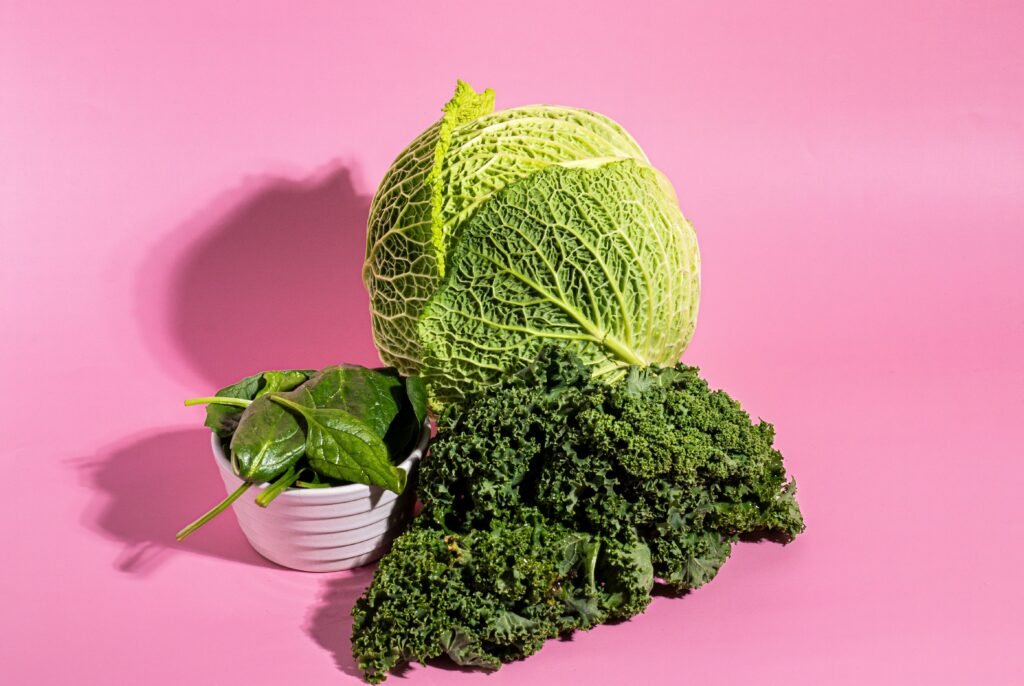
So, you’re wondering why everyone’s always talking about broccoli and kale like they’re some kind of superfoods? It’s not just hype. These aren’t just fancy salads or side dishes; they’re packed with stuff your body really needs to function well. We’re talking about a serious arsenal of vitamins, minerals, and compounds that can genuinely make a difference in how you feel and your long-term health. Let’s dive into what makes these leafy greens and florets such nutritional powerhouses.
Think of broccoli and kale as tiny, edible vitamin and mineral factories. They don’t just offer a little bit of a few things; they offer a whole lot of a wide range of essential nutrients.
Vitamin C: More Than Just for Colds
You probably know Vitamin C helps with immunity, and that’s true. But it’s also a powerful antioxidant, meaning it helps protect your cells from damage.
- Antioxidant Action: Vitamin C neutralizes free radicals, unstable molecules that can contribute to aging and chronic diseases.
- Collagen Production: Crucial for healthy skin, bones, and connective tissues. Without enough Vitamin C, your body can’t make collagen effectively.
- Iron Absorption: It significantly improves the absorption of iron from plant-based foods, which is especially important for vegetarians and vegans.
Both broccoli and kale are excellent sources, often providing more than your daily recommended intake in a single serving.
Vitamin K Champions
This vitamin often flies under the radar, but it’s vital for several bodily functions.
- Blood Clotting: Vitamin K is essential for proper blood clotting, preventing excessive bleeding.
- Bone Health: It plays a role in calcium metabolism and bone mineralization, helping to keep your bones strong.
Kale, in particular, is an absolute superstar for Vitamin K. You can get several times your daily requirement from just a small amount. Broccoli also contributes a healthy dose.
Folate’s Foundation
Folate (or folic acid in its synthetic form) is a B vitamin that’s incredibly important, especially for cell growth and replication.
- DNA Synthesis: It’s a coenzyme in the creation and repair of DNA, making it critical for all rapidly dividing cells.
- Red Blood Cell Formation: Works with Vitamin B12 to produce healthy red blood cells.
- Pregnancy Health: Adequate folate intake before and during pregnancy is crucial for preventing neural tube defects in developing babies.
While many foods contain folate, broccoli offers a good contribution, and kale provides a decent amount as well.
Minerals that Matter
Beyond vitamins, these cruciferous stalwarts also pack a punch with essential minerals.
Potassium for Balance
Potassium is an electrolyte that helps regulate fluid balance, nerve signals, and muscle contractions.
- Blood Pressure Regulation: It helps counteract the effects of sodium, contributing to healthy blood pressure levels.
- Muscle Function: Essential for muscles to contract properly, including your heart muscle.
Broccoli and kale both contribute to your potassium intake, helping you maintain that crucial electrolyte balance.
Calcium Beyond Dairy
While dairy gets all the glory for calcium, leafy greens are a surprisingly good source.
- Bone Strength: The most well-known role of calcium is for building and maintaining strong bones and teeth.
- Nerve Function: Involved in transmitting nerve signals throughout the body.
- Muscle Contraction: Plays a role in enabling muscles to contract.
Kale is particularly notable for its bioavailable calcium, meaning your body can absorb and use it efficiently. Broccoli also offers a good amount.
Other Micronutrients
Don’t forget about the smaller players. Both vegetables offer manganese, phosphorus, and small amounts of iron and zinc, all contributing to your overall nutritional health.
The Power of Phytochemicals
This is where broccoli and kale really move into “powerhouse” territory. Beyond the standard vitamins and minerals, they are bursting with unique plant compounds that offer a wide array of health benefits.
Glucosinolates: The Unique Cruciferous Advantage
These sulfur-containing compounds are what give cruciferous vegetables their distinctive taste and smell, and they are responsible for some of their most potent health effects.
- Precursors to Isothiocyanates (ITCs) and Indoles: When you chop, chew, or digest these vegetables, glucosinolates are broken down into biologically active compounds like sulforaphane and indole-3-carbinol (I3C).
- Detoxification Support: These compounds are famous for their ability to support your body’s natural detoxification processes, particularly in the liver. They help activate enzymes that neutralize and eliminate harmful toxins and carcinogens.
- Anti-inflammatory Properties: ITCs and indoles have demonstrated significant anti-inflammatory effects, which can be beneficial for a wide range of chronic conditions.
- Antioxidant Network: They don’t just act as antioxidants themselves; they also help boost your body’s own antioxidant defense system.
Broccoli, especially broccoli sprouts, is exceptionally rich in glucosinolates, particularly the precursor to sulforaphane. Kale also contains a good amount.
Sulforaphane: The Star Player
This compound, derived from glucoraphanin (a specific glucosinolate), is one of the most extensively researched in cruciferous vegetables.
- Nrf2 Pathway Activation: Sulforaphane is a potent activator of the Nrf2 pathway, often called the “master regulator” of cellular defense. This pathway dramatically increases the production of antioxidant and detoxification enzymes.
- Cancer Prevention Research: A significant amount of research points to sulforaphane’s potential role in cancer prevention by protecting cells from DNA damage and inhibiting the growth of cancer cells.
- Brain Health: Emerging research suggests sulforaphane may also have benefits for brain health and neuroprotection.
Indole-3-Carbinol (I3C) and Diindolylmethane (DIM)
These are other important breakdown products of glucosinolates, particularly from indole-containing plants like kale and cabbage (and secondarily broccoli).
- Hormone Balance: I3C and its metabolite DIM are well-known for their role in hormone metabolism, particularly estrogen. They can help promote the breakdown and excretion of “less favorable” forms of estrogen, potentially reducing the risk of hormone-related cancers.
- Immune System Support: They also have immune-modulating effects.
Gut Health Benefits: Feeding Your Inner Ecosystem

It might seem counterintuitive, but these veggies are fantastic for your digestive system, not just because of fiber, but due to their unique compounds.
Fiber’s Friendly Flow
Both broccoli and kale are excellent sources of dietary fiber, which is crucial for a healthy gut.
- Regularity: Fiber adds bulk to your stool, promoting regular bowel movements and preventing constipation.
- Gut Microbiome Nourishment: It acts as a prebiotic, meaning it feeds the beneficial bacteria in your gut. A healthy gut microbiome is linked to everything from better digestion to improved immunity and even mental well-being.
- Satiety: Fiber helps you feel fuller for longer, which can be helpful for weight management.
Sulforaphane’s Gut Connection
The protective effects of sulforaphane documented in the previous section extend to the gut lining itself.
- Gut Barrier Integrity: Research suggests sulforaphane can help strengthen the gut barrier, preventing “leaky gut” syndrome where undigested food particles and toxins pass into the bloodstream.
- Modulating Gut Inflammation: Its anti-inflammatory properties can calm inflammation within the digestive tract.
Disease Prevention Potential: Looking Ahead

The combination of vitamins, minerals, and especially the powerful phytochemicals in broccoli and kale suggests significant potential in preventing a range of chronic diseases.
Heart Health Helpers
Keeping your heart healthy is a multifaceted goal, and these vegetables contribute in several ways.
- Blood Pressure Support: The potassium content helps regulate blood pressure, a key factor in heart disease.
- Cholesterol Management: The fiber, particularly soluble fiber, can help lower LDL (“bad”) cholesterol levels.
- Antioxidant Protection: The antioxidants combat oxidative stress, which is a major contributor to atherosclerosis (hardening of the arteries).
- Inflammation Reduction: Chronic inflammation is a root cause of many heart problems, and the anti-inflammatory compounds in these veggies can help mitigate this.
Cancer-Fighting Capabilities
This is perhaps the most talked-about area of research for cruciferous vegetables.
- Detoxification Enzymes: As mentioned, glucosinolates and their breakdown products boost the body’s ability to neutralize carcinogens.
- DNA Protection: Antioxidants and sulforaphane help prevent DNA damage that can lead to cancer.
- Inhibiting Cancer Cell Growth: Studies have shown that compounds like sulforaphane can directly inhibit the proliferation of various cancer cells.
- Hormone Regulation: The effect on estrogen metabolism from I3C and DIM can be particularly relevant for hormone-sensitive cancers like breast and prostate cancer.
Blood Sugar Regulation
For those concerned with blood sugar management, these vegetables can be allies.
- Fiber’s Role: The high fiber content slows down the absorption of sugar into the bloodstream, preventing sharp spikes and crashes.
- Anti-inflammatory Effects: Inflammation can interfere with insulin sensitivity, so the anti-inflammatory properties of compounds like sulforaphane can indirectly help.
Making Them a Regular Staple: Practical Tips
| Nutrient | Broccoli (1 cup, chopped) | Kale (1 cup, chopped) |
|---|---|---|
| Calories | 55 | 33 |
| Protein | 4.3g | 2.9g |
| Fiber | 2.4g | 2.6g |
| Vitamin C | 135% DV | 134% DV |
| Vitamin K | 116% DV | 684% DV |
| Calcium | 6% DV | 9% DV |
Knowing how good they are is one thing, but actually eating them regularly is the key. Here’s how to make broccoli and kale part of your diet without fuss.
Preparation is Key
How you prepare them can significantly impact their nutrient availability and taste.
- Chopping & Chewing: For maximum glucosinolate conversion to beneficial compounds like sulforaphane, chop or chew your broccoli and kale thoroughly.
- Raw vs. Cooked:
- Raw: Best for preserving Vitamin C and some heat-sensitive nutrients. Kale is great in salads (massaged first to soften it) or smoothies. Broccoli florets can be munched on raw.
- Steaming: A great method for retaining most nutrients, especially water-soluble vitamins, while also making them more digestible. Avoid boiling, as it leaches out many nutrients.
- Sautéing/Stir-frying: Quick cooking methods that preserve a good amount of nutrients and add great flavor.
- Roasting: Brings out a lovely sweetness and slightly firm texture.
Flavor Enhancements
They don’t have to taste like cardboard!
- Broccoli:
- Steam and toss with a little olive oil, lemon juice, garlic powder, and a pinch of salt.
- Roast with olive oil, salt, pepper, and maybe some red pepper flakes.
- Add florets to stir-fries, soups, or pasta dishes.
- Blend into smoothies (yes, really – the flavor is mild and masked by other ingredients).
- Kale:
- Salads: “Massage” kale leaves with a little olive oil and lemon juice to break down the tough fibers and soften them. Then mix with your favorite salad ingredients.
- Smoothies: A classic for a reason. Pairs well with fruits like banana, berries, and mango, and a dash of almond milk or water.
- Chips: Toss with olive oil and salt, then bake until crisp. A delicious and healthy snack.
- Sautéed: Sauté with garlic, chili flakes, and a splash of soy sauce or tamari.
- Soups and Stews: Add towards the end of cooking to retain some texture and nutrients.
Variety is the Spice of Life
Don’t feel like you have to eat the same thing every day.
- Different Types: Explore different varieties of kale (curly, Lacinato/dinosaur) and broccoli (broccolini, purple broccoli).
- Pairings: Combine them with other vegetables, lean proteins, and healthy fats.
In conclusion, broccoli and kale aren’t just trendy superfoods; they are genuinely packed with an incredible array of nutrients and beneficial plant compounds that support everything from your immune system and gut health to reducing your risk of chronic diseases. Incorporating them into your diet regularly is one of the simplest yet most impactful things you can do for your overall health.
FAQs
What are cruciferous vegetables?
Cruciferous vegetables are a group of vegetables that belong to the Brassicaceae family, including broccoli, kale, cabbage, Brussels sprouts, and cauliflower. They are known for their cross-shaped flowers and are packed with nutrients and health benefits.
What makes broccoli and kale nutritional powerhouses?
Broccoli and kale are considered nutritional powerhouses because they are rich in vitamins, minerals, and antioxidants. They are particularly high in vitamin C, vitamin K, folate, and fiber, as well as compounds like sulforaphane and indole-3-carbinol, which have been linked to various health benefits.
What are the health benefits of consuming broccoli and kale?
Consuming broccoli and kale has been associated with numerous health benefits, including reduced risk of chronic diseases such as heart disease, certain cancers, and diabetes. They also support digestion, bone health, and immune function, and may help with weight management.
How can broccoli and kale be incorporated into a healthy diet?
Broccoli and kale can be incorporated into a healthy diet in various ways, such as adding them to salads, stir-fries, soups, smoothies, or simply steaming or roasting them as a side dish. They can also be used in recipes for casseroles, pasta dishes, and even as a pizza topping.
Are there any potential drawbacks to consuming broccoli and kale?
While broccoli and kale are highly nutritious, some individuals may experience digestive discomfort when consuming them in large amounts, due to their high fiber content. Additionally, people taking blood-thinning medications should be cautious with kale consumption due to its high vitamin K content.