Let’s be honest, wading through diet trends can feel like navigating a minefield. You see “detox” advertised everywhere, promising a magical reset button for your body. But what if I told you that focusing on nourishing your body with actual food is generally a much more effective and sustainable path to feeling great? This isn’t about demonizing the occasional green juice, but rather understanding why consistently feeding your body what it truly needs is the real game-changer.
We’ve all seen the ads, the social media posts, the breathless testimonials. “Detox” promises to cleanse your system, shed pounds rapidly, and bestow upon you a radiant glow. It’s a compelling narrative, tapping into our desire for quick fixes and a feeling of control over our health. The idea is that by drastically restricting your intake, often to liquids or very specific foods, you’re giving your organs a “break” and flushing out all the “toxins” that have accumulated.
What Exactly Are We “Detoxing” From?
This is where things get a little fuzzy. The term “toxins” is thrown around a lot, but in the context of most commercial detoxes, it’s not a scientifically defined state. Our bodies, thankfully, have incredibly sophisticated built-in detoxification systems: the liver, kidneys, lungs, and skin are constantly working to filter and eliminate waste products and harmful substances. While environmental pollutants and processed foods can certainly stress these systems, the idea that you need a drastic juice cleanse to “flush them out” is a bit of an oversimplification. Your liver is doing that job 24/7 without needing you to abstain from solid food.
The Short-Term Buzz: Why it Feels Good (Initially)
So, why do people often feel something after a detox?
- Calorie Restriction: Most detoxes are incredibly low in calories. Naturally, when you consume fewer calories than your body burns, you’ll lose weight. This is simple math, not magic.
- Water Weight Loss: Cutting out sodium and refined carbohydrates can lead to a quick drop in water retention, which can be encouraging.
- Placebo Effect: The strong belief that you are doing something beneficial can actually create positive physiological responses. You expect to feel better, so you do.
- Reduced Bloating: Eliminating processed foods, dairy, or gluten (common in detoxes) can significantly reduce bloating and digestive discomfort for some individuals, leading to a feeling of lightness.
The problem is that these feelings are often fleeting. Once you reintroduce your normal eating habits, the weight often returns (especially the water weight), and the underlying nutritional deficiencies haven’t been addressed.
Nutritional Powerhouses: Fueling Your Body for the Long Haul
While detoxes offer a temporary illusion of purity, nourishing your body means providing it with the essential building blocks it needs to function optimally, repair itself, and thrive. This isn’t about deprivation; it’s about abundance – the abundance of vitamins, minerals, protein, healthy fats, and complex carbohydrates that your cells crave.
The Crucial Role of Macronutrients
These are the big players – the nutrients your body needs in large amounts.
- Protein Power: Essential for building and repairing tissues, making enzymes and hormones, and supporting your immune system. Think lean meats, fish, eggs, beans, lentils, tofu, and nuts.
- Carbohydrate Complexity: Not all carbs are created equal! Focus on complex carbohydrates from whole grains, fruits, and vegetables. These provide sustained energy and fiber, which is vital for digestion and gut health.
- Healthy Fats for Function: Crucial for hormone production, nutrient absorption (especially fat-soluble vitamins like A, D, E, and K), and brain health. Avocados, nuts, seeds, olive oil, and fatty fish are your friends here.
Micronutrient Marvels: The Tiny Nutrients with Huge Impact
These are the vitamins and minerals we need in smaller amounts, but their absence can cause significant problems. They are the sparks that ignite countless bodily processes.
- Vitamins: From Vitamin C for immunity to B vitamins for energy metabolism and Vitamin D for bone health, each has a specific and vital role.
- Minerals: Think calcium for strong bones, iron for oxygen transport, magnesium for muscle and nerve function, and zinc for immune health and wound healing.
A diet rich in whole, unprocessed foods naturally delivers a broad spectrum of these essential micronutrients. This is where your body truly gets the raw materials it needs to heal, adapt, and maintain peak performance.
The Limitations of Juice Cleanses

Let’s get specific about why juices, while sometimes enjoyable or a good way to sneak in some greens, fall short of providing comprehensive nourishment.
The Fiber Factor: Often Missing in Action
One of the biggest drawbacks of juicing is the removal of fiber. Fiber is the unsung hero of digestive health.
- Gut Health: Fiber feeds the beneficial bacteria in your gut (your microbiome), which play a huge role in everything from digestion and nutrient absorption to immunity and even mood.
- Satiety: Fiber helps you feel fuller for longer, which is crucial for managing appetite and avoiding overeating.
- Blood Sugar Control: Fiber slows down the absorption of sugar into your bloodstream, preventing sharp spikes and crashes.
When you juice, you’re essentially extracting the liquid and leaving the majority of the fiber behind. This means you miss out on these critical benefits.
The Sugar Rush Problem
While fruit juices can be a source of vitamins, they are also concentrated sources of natural sugars. Without the fiber to slow down their absorption, you can experience rapid blood sugar spikes.
- Energy Crashes: These spikes are often followed by dips, leaving you feeling tired and craving more sugar.
- Impact on Insulin: Frequent sugar spikes can put a strain on your system and contribute to insulin resistance over time.
Even vegetable juices, while generally lower in sugar, can still be a concentrated source of certain nutrients and may lack the balance of other macronutrients your body needs.
Incomplete Nutritional Profile
A juice cleanse, even if it includes a variety of fruits and vegetables, is unlikely to provide adequate amounts of protein, healthy fats, and certain essential minerals. This can lead to:
- Muscle Loss: Without sufficient protein, your body can start to break down muscle tissue for energy, which is the opposite of what most people want from a “health kick.”
- Nutrient Deficiencies: A prolonged period of nutrient imbalance can lead to fatigue, weakened immunity, and other health issues.
- Metabolic Slowdown: When your body doesn’t get enough fuel, it can signal your metabolism to slow down to conserve energy.
Nourishment Strategies for Real, Lasting Results

So, if detoxes aren’t the answer, what is? It all boils down to building sustainable habits that focus on providing your body with the consistent, high-quality fuel it needs to thrive.
Prioritize Whole Foods
This is the cornerstone of good nutrition. Think of foods as close to their natural state as possible.
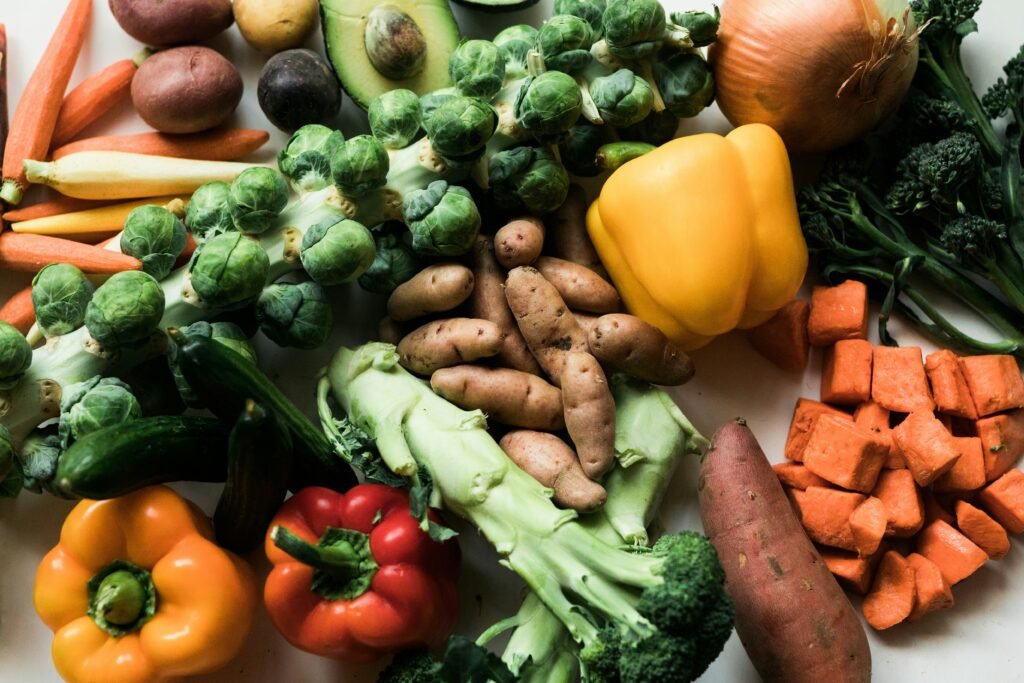
- Veggies and Fruits Galore: Aim for a rainbow of colors to ensure a wide array of vitamins, minerals, and antioxidants.
- Lean Proteins at Every Meal: Essential for satiety and muscle maintenance.
- Healthy Fats for Balance: Incorporate sources like avocados, nuts, seeds, and olive oil.
- Whole Grains for Sustained Energy: Opt for quinoa, brown rice, oats, and whole wheat bread.
Rethink Your Relationship with Food
Instead of viewing food as something to be “detoxed” from or a source of guilt, consider it as your body’s pharmacy and fuel station.
- Listen to Your Body’s Cues: Learn to distinguish between true hunger, thirst, and emotional eating.
- Mindful Eating: Slow down, savor your meals, and pay attention to how different foods make you feel.
- Focus on How Food Makes You Feel: Notice the energy levels, digestion, and overall well-being that different foods provide.
Hydration is Key (Water, Not Just Juice!)
While juices can contribute to fluid intake, plain water is generally the best choice for hydration.
- Supports Bodily Functions: Water is essential for nutrient transport, temperature regulation, and waste removal.
- Aids Digestion: Proper hydration helps prevent constipation and keeps things moving smoothly.
- Can Help with Appetite Control: Sometimes, thirst can be mistaken for hunger.
Consider Supplements Strategically (Not as a Replacement)
While a well-balanced diet is the primary goal, there may be specific instances where supplements can be beneficial.
- For Specific Deficiencies: If you have a diagnosed deficiency (e.g., Vitamin D in winter, iron during pregnancy), a supplement can be crucial.
- During Periods of Increased Need: Athletes or those recovering from illness might benefit from targeted supplementation under professional guidance.
- As a “Boost,” Not a Cure: Supplements are not a substitute for a healthy diet, but they can fill in nutritional gaps. Always consult with a healthcare professional or registered dietitian before starting any new supplement regimen.
Long-Term Health vs. Short-Term Fixes
| Comparison | Detox | Nourish |
|---|---|---|
| Focus | Removing toxins | Providing essential nutrients |
| Goal | Cleansing the body | Supporting overall health |
| Effect | Short-term cleansing | Long-term wellness |
| Emphasis | Quick fixes | Healthy lifestyle |
The drive for quick results is understandable, but when it comes to our health, sustainable practices are the real winners.
The Habit Loop of Nourishment
Focusing on nourishment helps build positive habits that become second nature.
- Consistency Breeds Results: Small, consistent efforts in eating well compound over time, leading to significant and lasting improvements in energy, mood, and physical health.
- Building Resilience: A well-nourished body is better equipped to handle stress, fight off illness, and recover from physical exertion.
The Dangers of Yo-Yo Dieting
Frequent detoxes and restrictive diets can actually be detrimental.
- Metabolic Damage: Repeatedly restricting calories and then overeating can wreak havoc on your metabolism, making it harder to lose weight and easier to gain it back.
- Nutrient Depletion: Each restrictive phase can strip your body of vital nutrients, weakening your overall health.
- Psychological Strain: Constantly battling food cravings and feelings of deprivation can lead to disordered eating patterns and a negative relationship with food.
The True Glow-Up Comes from Within
The radiant skin, clear mind, and sustained energy that people often associate with “detoxing” are actually the natural byproducts of consistent, nourishing eating. It’s not about cleansing your system of hypothetical toxins; it’s about providing your body with the optimal environment to flourish. When you consistently feed your cells what they need, they function better, repair themselves more effectively, and showcase that health from the inside out.
Ultimately, ditching the idea of extreme, short-term “detoxes” and embracing a lifestyle of consistent nourishment is the most practical, effective, and kindest thing you can do for your body. It’s a journey of building positive habits that support your well-being for the long run, rather than chasing a fleeting feeling.
FAQs
What is the difference between detoxing and nourishing the body?
Detoxing typically involves consuming juices or following a strict diet to eliminate toxins from the body, while nourishing the body involves consuming nutrient-dense foods to support overall health and well-being.
Why does the body need nutrients more than juices?
The body needs nutrients to support various bodily functions, including energy production, immune function, and cellular repair. While juices may provide some vitamins and minerals, they often lack essential nutrients such as protein, healthy fats, and fiber.
What are the potential drawbacks of relying on juice detoxes?
Relying solely on juice detoxes can lead to nutrient deficiencies, unstable blood sugar levels, and a lack of satiety, which may result in decreased energy levels and potential muscle loss.
How can nourishing the body with nutrient-dense foods support overall health?
Consuming a variety of nutrient-dense foods, such as fruits, vegetables, whole grains, lean proteins, and healthy fats, can provide essential vitamins, minerals, and antioxidants that support overall health, immune function, and disease prevention.
What are some examples of nutrient-dense foods that can nourish the body?
Examples of nutrient-dense foods include leafy greens, berries, nuts and seeds, quinoa, salmon, and avocados, which provide a wide range of vitamins, minerals, and essential nutrients to support overall health and well-being.