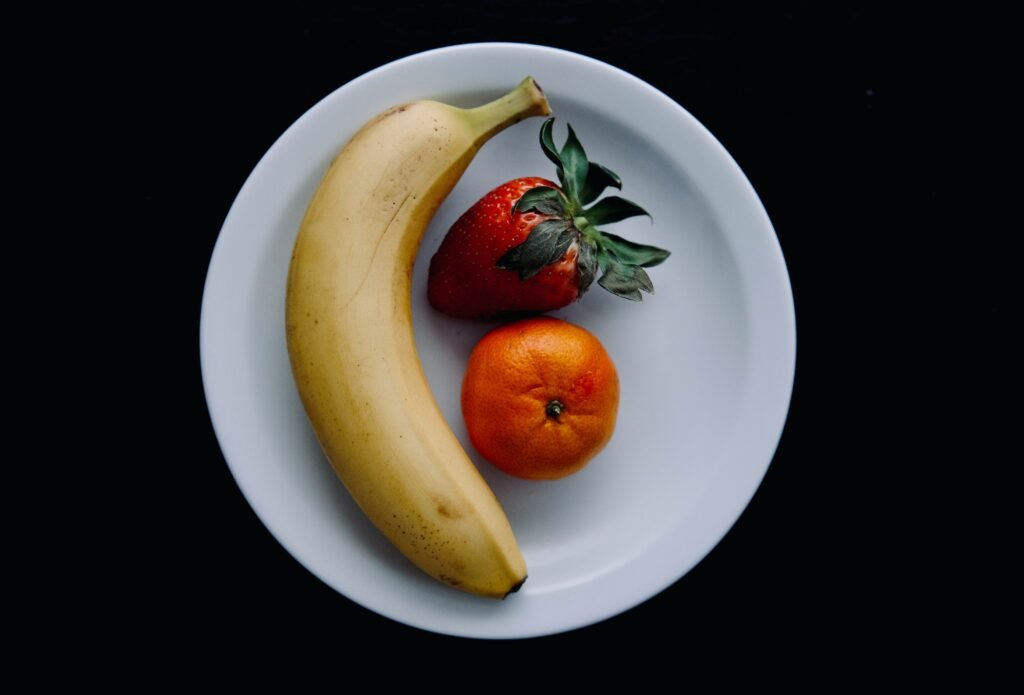
Bloating can be a real drag, making you feel sluggish and uncomfortable. While many things can cause it, sometimes the culprit is simply an imbalance in your electrolytes, particularly sodium and potassium. Getting more potassium-rich foods into your diet can be a really practical, natural way to help your body rebalance and reduce that puffy feeling.
Think of your body like a finely tuned machine, and electrolytes are a bit like the essential fluids that keep it running smoothly. Sodium and potassium are two major players here, working together to manage the fluid balance both inside and outside your cells. When sodium intake is too high compared to potassium, your body tends to hold onto more water. This is where potassium steps in.
Potassium acts as a natural diuretic. It signals your kidneys to excrete more sodium and water, which can help flush out excess fluid and reduce that feeling of bloat. It’s not about dehydrating yourself, but rather helping your body achieve a healthier, more natural fluid balance. It’s a key part of your body’s osmoregulation system, ensuring cells have the right amount of water. Without enough potassium, this system can get a little out of whack, leading to fluid retention.
The Sodium-Potassium Pump
This isn’t just about simple intake; there’s a sophisticated mechanism at play called the sodium-potassium pump. Located in the membrane of nearly every cell, this pump actively transports three sodium ions out of the cell for every two potassium ions it brings in. This continuous ballet of ions is crucial for maintaining cell volume, nerve impulse transmission, and nutrient transport. When you have a good balance of sodium and potassium, this pump works efficiently, contributing to proper fluid regulation. If potassium levels are low, this pump’s efficiency can be compromised, leading to cellular swelling and, you guessed it, bloating.
Counteracting High Sodium
In many modern diets, sodium is abundant, often hidden in processed foods, restaurant meals, and even supposedly “healthy” snacks. While sodium is essential for various bodily functions, too much of it can lead to water retention and increased blood pressure. Potassium serves as a vital counterbalance. By increasing your potassium intake, you’re not just adding a beneficial nutrient; you’re actively helping your body counteract the effects of excess sodium. It aids in the excretion of sodium via urine, directly contributing to a reduction in fluid overload and the associated bloat.
Spotting the Signs of Low Potassium
Sometimes, bloating isn’t just a random occurrence; it could be one of several subtle indicators that your potassium levels are a bit low. While severe potassium deficiency (hypokalemia) is a serious medical condition, even a mild deficiency can leave you feeling less than optimal.
Beyond bloating, you might notice a few other things:
- Muscle cramps and weakness: Potassium is crucial for muscle contraction and relaxation. When levels are low, muscles might not function as smoothly, leading to cramps, especially in the legs, or a general feeling of weakness.
- Fatigue: Feeling unusually tired or lacking energy, even after a good night’s sleep, could be linked to an electrolyte imbalance. Potassium plays a role in energy metabolism, and its deficiency can disrupt cellular energy production.
- Constipation: Potassium aids in regulating muscle contractions in the digestive tract. Low levels can slow down bowel movements, contributing to constipation, which itself can cause bloating and discomfort.
- Irregular heartbeats (palpitations): While this is a more serious symptom and warrants medical attention, potassium is vital for heart muscle function. Mild changes can sometimes manifest as a fluttering sensation or irregular beats.
- Mood changes: Electrolyte imbalances can affect brain function. Some people report feeling irritable, anxious, or generally “off” when their potassium levels aren’t quite right.
It’s always a good idea to chat with a doctor if you’re consistently experiencing these symptoms, as they can also be indicators of other health issues. But paying attention to them can give you a clue about your dietary needs.
Potassium-Packed Produce: Fruits and Vegetables

When aiming to boost your potassium, fruits and vegetables are your absolute best friends. They’re not only rich in this essential mineral but also packed with fiber, vitamins, and antioxidants, making them incredible all-around choices for your health.
Bananas
We can’t talk about potassium without mentioning bananas. They’re convenient, relatively inexpensive, and a fantastic source. A medium banana typically offers around 422 mg of potassium. They’re great for a quick snack, added to smoothies, or sliced over oatmeal. Beyond potassium, bananas provide dietary fiber, which aids digestion and can prevent constipation-related bloating, and vitamin B6.
Avocados
These creamy, versatile fruits are potassium superstars. A single medium avocado (about 200 grams) can pack a whopping 975 mg of potassium, along with healthy fats, fiber, and various vitamins. Enjoy them smashed on toast, in salads, or as a creamy base for dips. The healthy fats in avocados also contribute to satiety, helping to curb overeating which can sometimes lead to bloating.
Sweet Potatoes
More than just a delicious side dish, sweet potatoes are powerhouses of nutrition. One medium sweet potato (around 114 grams) provides about 542 mg of potassium. They’re also rich in fiber, beta-carotene (a precursor to vitamin A), and vitamin C. Roast them, mash them, or make them into fries for a tasty, potassium-rich meal component. The complex carbohydrates in sweet potatoes also provide sustained energy without the blood sugar spikes that can sometimes contribute to water retention.
Spinach
Leafy greens, especially spinach, are excellent sources of potassium. One cup of cooked spinach (about 180 grams) contains approximately 839 mg of potassium. It’s incredibly versatile: add it to stir-fries, omelets, smoothies, or wilt it into pasta dishes. Spinach is also rich in iron, vitamin K, and magnesium, making it a nutritional powerhouse.
Other Leafy Greens
Don’t stop at spinach! Kale, Swiss chard, and collard greens are also excellent sources of potassium and offer a similar array of vitamins and minerals. Think of incorporating a variety of these into your diet throughout the week to maximize nutrient intake.
Potatoes (White Russet)
Often unfairly demonized, the humble potato is a fantastic source of potassium. One medium baked potato with its skin (about 173 grams) can provide around 926 mg of potassium. The key is to eat the skin, where much of the potassium, fiber, and other nutrients are located. Just be mindful of what you add to your potato; butter, sour cream, and excessive salt can quickly negate its health benefits.
Oranges and Orange Juice
A single medium orange provides about 237 mg of potassium. If you opt for orange juice, one cup can deliver around 496 mg, but remember that whole fruit is generally preferred due to its fiber content. Oranges are also well-known for their high vitamin C content, which supports immune function.
Dried Apricots
These intense little fruits are concentrated sources of potassium. Just half a cup of dried apricots can deliver over 1,100 mg of potassium! They’re great for snacking, adding to trail mix, or chopping into oatmeal or yogurt. Remember they are also high in natural sugars, so moderation is key.
Tomatoes and Tomato Products
Tomatoes, whether fresh, canned, or in paste form, are excellent sources of potassium. One cup of tomato puree has around 1,060 mg, while one large fresh tomato provides about 292 mg. They also offer lycopene, an antioxidant linked to various health benefits.
Watermelon
Beyond being refreshing, watermelon is a good source of potassium. A wedge (about 286 grams) can provide around 320 mg of potassium, along with a high water content which further aids in hydration and flushing out excess fluids.
Beets
Cooked beets are another potassium-rich vegetable. One cup provides about 518 mg. They’re also known for their nitrates, which can support cardiovascular health.
Brussels Sprouts
These mini cabbages offer a decent potassium boost, with about 494 mg per cup (cooked). They’re also a great source of vitamin K and fiber.
Beyond Fruits and Veggies: Other Potassium-Rich Foods

While fruits and vegetables are stellar sources, potassium isn’t exclusive to the produce aisle. Several other food groups can contribute significantly to your daily intake.
Legumes: Beans and Lentils
| Foods | Potassium Content (mg per serving) | Fiber Content (g per serving) |
|---|---|---|
| Bananas | 422 | 3.1 |
| Spinach | 839 | 0.7 |
| Sweet Potatoes | 542 | 3.3 |
| Avocado | 975 | 6.7 |
| Oranges | 237 | 3.1 |
Legumes are truly nutritional powerhouses, offering not just potassium but also protein, fiber, and a host of other micronutrients.
- White Beans: These are some of the highest potassium sources among legumes. One cup of cooked white beans can provide over 1,000 mg of potassium! They’re fantastic in soups, stews, or mashed into a dip.
- Black Beans: A common pantry staple, black beans offer around 611 mg of potassium per cooked cup. Great in tacos, salads, and rice dishes.
- Kidney Beans: Similar to black beans, one cup provides about 607 mg of potassium. They’re sturdy enough for chilis and salads.
- Lentils: Versatile and quick-cooking, lentils offer about 731 mg of potassium per cooked cup. They’re excellent in soups, curries, and as a meat substitute.
Fish: Salmon and Halibut
Certain types of fish are excellent sources of potassium and essential omega-3 fatty acids.
- Salmon: A 3-ounce serving of cooked salmon can provide approximately 534 mg of potassium. It’s also famous for its heart-healthy omega-3s and vitamin D.
- Halibut: This firm white fish offers a similar potassium punch, with about 445 mg per 3-ounce cooked serving.
Dairy: Milk and Yogurt
Dairy products can also contribute to your potassium intake, especially if you tolerate them well.
- Milk: One cup of skim milk contains around 381 mg of potassium.
- Yogurt: A cup of plain, low-fat yogurt can provide about 579 mg of potassium. Greek yogurt often has even more protein, but check labels for potassium content as it can vary.
Nuts and Seeds
While not as high per serving as some other foods, nuts and seeds can add a good boost of potassium, especially when consumed regularly.
- Almonds: A quarter cup provides about 208 mg of potassium.
- Pumpkin Seeds: A quarter cup offers around 223 mg of potassium.
Whole Grains
Some whole grains contribute a decent amount of potassium.
- Brown Rice: One cup cooked brown rice has about 84 mg of potassium. While lower than other sources, it’s a good cumulative addition.
- Whole Wheat Pasta: Similar to brown rice, it adds to your total daily intake.
Putting it into Practice: Daily Meal Ideas
Knowing which foods are high in potassium is one thing, but figuring out how to easily incorporate them into your daily routine is the really practical part. Here are some simple meal ideas to help you naturally boost your potassium and tackle that bloat.
Breakfast Boosts
- Banana and Spinach Smoothie: Blend a banana, a generous handful of spinach, a scoop of plain yogurt (or milk/dairy-free alternative), and a spoonful of almond butter. This is a quick and effective way to get multiple potassium sources in one go.
- Oatmeal with Dried Apricots and Nuts: Cook rolled oats with water or milk, then stir in a quarter cup of chopped dried apricots and a handful of sliced almonds.
- Sweet Potato Hash: Dice and roast sweet potatoes, then sauté them with some kale or spinach and top with a fried egg.
Lunch & Dinner Ideas
- Lentil Soup or Chili: A hearty bowl of lentil soup or a bean-based chili (think black beans, kidney beans, or white beans) is packed with potassium and fiber.
- Salmon with Baked Potato and Steamed Greens: A simple, well-rounded meal. Bake a potato (eat the skin!), bake or pan-sear salmon, and serve with a side of steamed spinach or Brussels sprouts.
- Avocado and Black Bean Salad: Mix canned black beans (rinsed), diced avocado, chopped tomatoes, and corn with a lime-cilantro dressing. Add some grilled chicken or fish for extra protein if desired.
- Sweet Potato and Black Bean Burgers: Mash cooked sweet potatoes with black beans, spices, and a binding agent, form into patties, and bake or pan-fry. Serve on whole-grain buns or lettuce wraps.
- Stuffed Bell Peppers: Halve bell peppers and stuff them with a mixture of cooked brown rice, ground turkey or lentils, and chopped tomatoes. Bake until tender.
- Garbanzo Bean & Vegetable Curry: Use a base of canned tomatoes and coconut milk, add garbanzo beans, spinach, and other vegetables like bell peppers and zucchini. Serve with a small portion of brown rice.
Snacking & Sides
- Sliced Avocado: Eat half an avocado with a sprinkle of everything bagel seasoning or a pinch of salt and pepper.
- Baby Carrots with Hummus: While carrots aren’t exceptionally high in potassium, hummus (made from chickpeas) gives a good boost.
- Fruit Salad: A bowl with slices of banana, watermelon, and orange can be a refreshing and potassium-rich snack.
- Baked Sweet Potato Fries: Slice sweet potatoes into wedges or fries, toss with a little olive oil and your favorite herbs, and bake until crispy.
- Edamame: Steamed edamame in their pods or shelled are a quick, satisfying, and potassium-rich snack.
Remember, consistency is key. Small, regular inclusions of these foods throughout your day will make a bigger difference than sporadic mega-doses. Pay attention to how your body feels; you might notice a reduction in bloating and a general improvement in well-being.
FAQs
What is the role of potassium in preventing bloating?
Potassium helps regulate the balance of fluids in the body, which can help prevent bloating by reducing water retention.
What are the best sources of potassium to include in a balanced diet?
Foods rich in potassium include bananas, sweet potatoes, spinach, avocados, and beans. Incorporating these foods into your diet can help maintain healthy levels of potassium.
How does potassium compare to other electrolytes in terms of reducing bloating?
Potassium is particularly effective in reducing bloating because it helps regulate fluid balance in the body, while other electrolytes like sodium can contribute to water retention and bloating when consumed in excess.
What are the potential risks of consuming too much potassium?
Consuming too much potassium can lead to hyperkalemia, which can cause symptoms such as irregular heartbeat, muscle weakness, and nausea. It is important to consume potassium in moderation and consult with a healthcare professional if you have any concerns.
How can I incorporate potassium-rich foods into my diet to help prevent bloating?
You can incorporate potassium-rich foods into your diet by adding them to smoothies, salads, or as a side dish with your meals. Additionally, choosing whole, unprocessed foods is a great way to naturally increase your potassium intake.