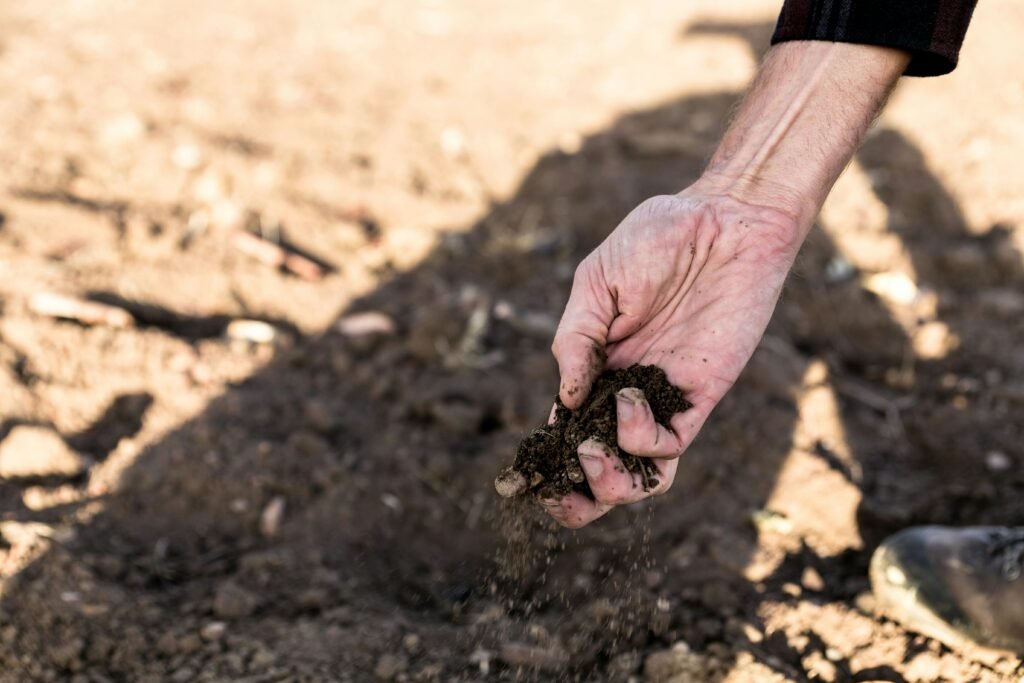
Ever wondered why some tomatoes taste like sunshine and others are, well, just okay? A big part of that story is hidden right beneath our feet: soil health. It’s easy to think of soil as just dirt, something to keep our plants anchored. But it’s so much more – it’s a living, breathing ecosystem that directly impacts the quality and nutritional value of the food we eat. So, where our food grows really matters. This isn’t just about getting bigger harvests; it’s about getting more goodness out of every bite.
Think of soil not as inert matter, but as a bustling city. It’s packed with billions of microorganisms – bacteria, fungi, protozoa, and a whole host of other tiny critters. These aren’t just freeloaders; they’re the engines that make everything happen. They break down organic matter, release nutrients for plants, and create the very structure of the soil that allows roots to grow and water to flow.
Microbes: The Unsung Heroes
These microscopic organisms are the true architects of healthy soil. They hold it together, making it less prone to erosion. They convert complex nutrients locked up in dead leaves and other organic material into forms that plants can actually absorb. Without them, plants would struggle to get the food they need, and the soil would be a sterile, lifeless substance.
Fungi: The Networkers
Fungi, especially mycorrhizal fungi, form intricate webs with plant roots. They extend the reach of a plant’s root system, helping it access water and nutrients that would otherwise be out of reach. In return, the plant shares sugars produced through photosynthesis. It’s a classic win-win scenario, and it’s happening constantly below ground.
The Importance of Diversity
Just like in any healthy ecosystem, a diverse community of soil life is key. A monoculture of microbes isn’t as resilient or as effective as a varied population. Different microbes perform different tasks, and a diverse community can adapt to changing conditions and tackle a wider range of nutrient cycles.
Nutrient Availability: It’s Not Just About What’s in the Soil
You might think that if a nutrient is present in the soil, a plant will automatically be able to use it. But it’s not that simple. Soil health dictates how easily plants can access those nutrients.
Nutrient Cycling: The Soil’s Delivery Service
Soil organisms are responsible for breaking down organic matter (like compost, manure, or decaying plant and animal material) into basic elements – carbon, nitrogen, phosphorus, potassium, and many, many others. These elements are then transformed into forms that plant roots can absorb through their root hairs. Without this constant cycling, nutrients would remain locked up and unavailable to crops, no matter how much was theoretically present.
The Role of Organic Matter
Organic matter is the fuel for this nutrient cycling engine. It’s not just about adding bulk to the soil. It’s a source of slow-release nutrients and food for those vital soil microbes. Soils rich in organic matter tend to be better at retaining moisture and nutrients, preventing them from being washed away by rain.
pH Levels and Nutrient Lock-Up
Soil pH is another critical factor. It determines which nutrients are available to plants. If the pH is too high or too low, certain essential nutrients can become “locked up” in the soil, even if they are present in large quantities. This is why soil testing often includes pH measurements, as it directly influences nutrient uptake.
The Direct Link to Food Quality and Nutrition

This is where it all comes together. The health of the soil directly translates to the health and nutritional content of the food growing in it. It’s not just about taste; it’s about the actual vitamins, minerals, and beneficial compounds we get from our food.
Nutrient Density: More Bang for Your Bite
Studies have shown that conventionally farmed produce, grown in soils depleted of nutrients and microbial life, can be less nutrient-dense than produce grown in healthy, well-managed soils. This means you might need to eat more of the less healthy option to get the same amount of a particular vitamin or mineral. It’s about getting more nutritional value from the food you consume.
Vitamins and Minerals: From Soil to Plate
Plants absorb minerals from the soil. If the soil is deficient in a particular mineral, the plant will likely be too. Similarly, some vitamins are synthesized by plants using compounds derived from soil processes. A thriving soil ecosystem supports robust plant growth and, consequently, better nutritional output.
Antioxidants and Phytonutrients: The Hidden Boost
Beyond basic vitamins and minerals, healthy soils can also promote the production of beneficial compounds like antioxidants and phytonutrients. These are the plant compounds that give many fruits and vegetables their vibrant colors and offer significant health benefits to humans. They are often a response to stress, and a healthy plant in healthy soil is better equipped to thrive and produce these protective compounds.
Common Soil Degradation Practices and Their Impact

Unfortunately, many modern agricultural practices can inadvertently degrade soil health, leading to a domino effect on food quality.
Chemical Fertilizers: A Short-Term Fix
While synthetic fertilizers can provide plants with readily available nutrients, they often do so at the expense of soil life. They can create an imbalance in the soil microbial community and bypass the natural nutrient cycling processes. Over time, this can lead to soils that are dependent on external inputs and less able to sustain themselves.
Monoculture Farming: The “One Crop for Years” Approach
Planting the same crop in the same field year after year depletes specific nutrients and can encourage the buildup of pests and diseases that are specific to that crop. This often leads to increased reliance on pesticides and herbicides, which can further harm soil organisms and soil structure. Crop rotation, on the other hand, is a practice that helps to break pest cycles and redistribute nutrients.
Compaction: Smothering the Soil
Heavy machinery used in large-scale farming can compact the soil, squeezing out air pockets and hindering water and root penetration. Compacted soil is less able to support a diverse microbial community and makes it harder for nutrients to move around.
Tilling: Turning the Soil Upside Down
While tilling can incorporate crop residues and prepare a seedbed, excessive tilling can disrupt soil structure, kill beneficial organisms like earthworms, and expose organic matter to rapid decomposition, leading to a loss of carbon from the soil. No-till or reduced-till methods are increasingly being recognized for their benefits in preserving soil structure and life.
Cultivating Healthier Soil for Better Food
| Metrics | Data |
|---|---|
| Organic Matter Content | 3-6% is considered ideal for soil health |
| pH Level | 5.5-7.0 is optimal for most crops |
| Nutrient Levels | Key nutrients include nitrogen, phosphorus, and potassium |
| Microbial Activity | Diverse microbial community is essential for nutrient cycling |
| Soil Erosion | Causes loss of topsoil and reduces soil fertility |
The good news is that we can actively work to improve soil health. Farmers are increasingly adopting practices that regenerate the soil, and consumers can make choices that support these efforts.
Regenerative Agriculture: Working with Nature
This approach focuses on practices that improve soil health, biodiversity, and water cycles. Key practices include cover cropping (planting non-cash crops to protect and enrich the soil), reduced tillage, crop rotation, and integrating livestock. The goal is to build soil organic matter and create a resilient ecosystem.
Composting and Organic Amendments: Feeding the Soil
Adding compost, aged manure, and other organic materials to the soil provides essential nutrients and food for soil microbes. This is a cornerstone of improving soil structure, water retention, and nutrient availability.
Cover Cropping: The Soil’s Blanket
Planting cover crops between cash crops can prevent erosion, suppress weeds, fix nitrogen (in the case of legumes), and add organic matter when they are tilled back into the soil. It’s like giving the soil a protective and nourishing rest.
Support Local and Sustainable Farmers
When you buy from farmers who prioritize soil health, you are directly investing in a more sustainable food system and supporting practices that lead to more nutritious food. Looking for certifications or simply asking farmers about their practices can be a great starting point.
In conclusion, the soil beneath our feet is not just dirt. It’s a vibrant ecosystem that is fundamental to the quality and nutritional value of the food we eat. By understanding and prioritizing soil health, we can not only grow more nutritious food but also contribute to a more sustainable and resilient planet. Next time you enjoy a fresh, flavorful meal, take a moment to appreciate the incredible work of that living soil.
FAQs
What is soil health and why is it important for food production?
Soil health refers to the overall well-being and fertility of the soil, including its physical, chemical, and biological properties. It is important for food production because healthy soil provides essential nutrients for plants to grow, helps retain water, and supports a diverse ecosystem of beneficial organisms.
How does soil health affect the nutritional quality of food?
The health of the soil directly impacts the nutritional quality of the food grown in it. Nutrient-rich soil produces crops with higher levels of essential vitamins, minerals, and antioxidants. Conversely, depleted or unhealthy soil can result in lower nutritional value in the food grown.
What are some factors that can impact soil health?
Factors that can impact soil health include agricultural practices such as excessive tilling, heavy pesticide and fertilizer use, and monocropping. Soil erosion, pollution, and urban development can also negatively affect soil health.
How can consumers support soil health and nutrition in their food choices?
Consumers can support soil health and nutrition by choosing foods that are grown in sustainable and regenerative farming practices. This includes seeking out organic and locally-grown produce, as well as supporting farmers who prioritize soil health and biodiversity in their growing methods.
What are some benefits of prioritizing soil health in agriculture?
Prioritizing soil health in agriculture can lead to increased crop yields, improved water retention, reduced need for chemical inputs, and enhanced biodiversity. It also contributes to long-term sustainability and resilience in the face of environmental challenges.