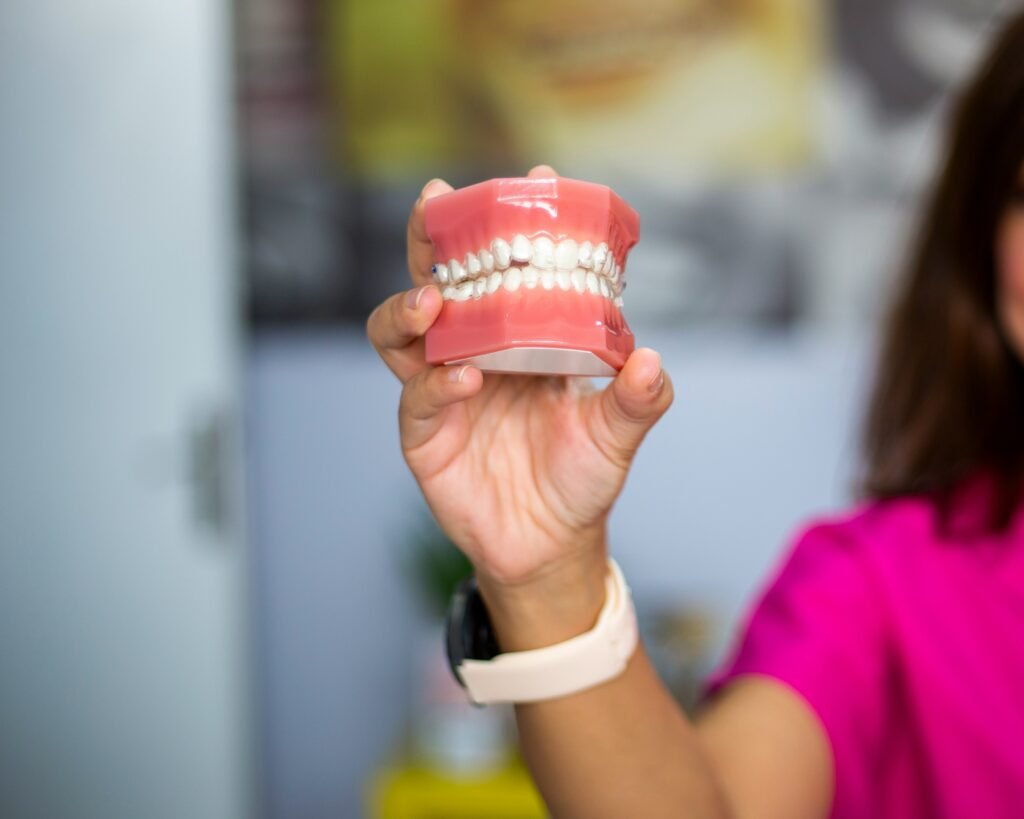
So, you’re wondering if you can actually get a straighter smile in just six months? It’s a tempting idea, right? The promise of fast-track orthodontics, sometimes called accelerated orthodontics, can sound too good to be true. The short answer is: sometimes, yes. But it’s not a magic bullet for everyone, and there are important things to understand before you jump in. This isn’t about a quick fix that compromises results; it’s about techniques that can speed up the natural tooth-moving process.
When people talk about “fast-track” or “accelerated” orthodontics, they’re generally referring to treatments designed to move teeth more quickly than traditional methods. This doesn’t mean abandoning the science of orthodontics; it means leveraging a combination of advanced technologies and specialized techniques to encourage bone remodeling and tooth movement at a faster pace. The goal is to achieve a straighter smile in a shorter timeframe, typically ranging from 3 to 9 months, rather than the year or two often associated with conventional braces.
What’s Being Accelerated?
The core principle behind any orthodontic treatment, fast or traditional, is the body’s natural ability to remodel bone. Braces or aligners apply gentle pressure to teeth, which in turn applies pressure on the bone surrounding them.
- Bone Resorption: On the side of the tooth where pressure is applied, the bone gradually breaks down (resorbs).
- Bone Formation: On the opposite side, where the tooth is being pushed away, new bone forms.
Accelerated orthodontics aims to enhance this natural remodeling process. It’s not about forcing teeth or bone unnaturally, but rather about optimizing the conditions for faster, yet still safe, tooth movement.
Not a One-Size-Fits-All Solution
It’s crucial to understand that not every smile can be straightened in six months. The complexity of your bite issue plays a significant role. Minor crowding, slight gaps, or a few teeth out of alignment might be candidates for faster treatment. However, more complex issues like severe misalignment, significant overbites, underbites, or crossbites usually require more time for a stable and healthy outcome. Your orthodontist will be the best person to assess your specific needs and determine if accelerated treatment is a viable option for you.
Technologies and Techniques That Speed Things Up
The “fast” in fast-track orthodontics comes from a variety of innovative approaches. These aren’t just gimmicks; they’re backed by research and clinical experience.
Vibration Therapy and Micro-Osteoperforations
This is one of the most common and scientifically supported methods to accelerate tooth movement. These techniques work by stimulating the bone tissue around the teeth, encouraging it to remodel more readily.
How VIBE Devices Work
Devices designed to deliver gentle vibrations, often a few times a day, can increase cellular activity in the bone. Think of it like a gentle massage for your jawbone that encourages faster bone turnover.
- Mechanism: The vibrations are thought to promote osteoblast (bone-building cells) and osteoclast (bone-resorbing cells) activity, essentially jump-starting the remodeling process.
- Usage: Patients typically use these devices for a short period each day, usually 5-20 minutes, following their orthodontist’s instructions.
What are Micro-Osteoperforations (MOPs)?
MOPs involve creating tiny holes or perforations in the bone surrounding the teeth. This is usually done by a dentist or orthodontist in their office.
- Procedure: Using a specialized tool, small, controlled punctures are made in the bone. This is generally a minimally invasive procedure with little discomfort.
- Effectiveness: Similar to vibration therapy, MOPs create localized areas of bone remodeling, which can significantly speed up the rate at which teeth move.
Propel and Acceledent are Two Examples
You might hear specific brand names like PROPEL® or AcceleDent®. These are examples of systems that utilize these principles.
- PROPEL®: This system, for example, uses specialized micro-osteoperforations made during orthodontic treatment to enhance bone regeneration and accelerate tooth movement. It’s often integrated with conventional braces or aligners.
- AcceleDent® Aura: This device uses SoftPulse Technology™ to deliver gentle, non-invasive pulses to the bone surrounding the teeth. Worn for just five minutes a day, it’s designed to complement orthodontic treatment by increasing the rate of tooth movement.
These devices aim to work with your existing orthodontic appliances, whether they are braces or clear aligners.
Advanced Bracket and Wire Systems
The actual orthodontic appliances themselves have also seen innovations that contribute to faster treatment times.
Damon Braces and Self-Ligating Technology
Damon braces are a popular example. They use what’s called “self-ligating” technology. This means the brackets have a built-in mechanism (a clip or slide) to hold the archwire, rather than traditional elastic ties.
- Reduced Friction: This design significantly reduces friction between the wire and the bracket. Less friction allows teeth to slide more freely along the wire, which can lead to faster movement.
- Less Adjustment Needed: Damon braces are also designed to be tied less frequently, potentially reducing the number of office visits.
Flexible and Shape-Memory Wires
While not exclusively feature of fast-track systems, the materials used in archwires have also evolved.
- NiTi (Nickel Titanium) Wires: These wires have “shape memory” and exert a continuous, gentle force. They can return to their original shape from significant deformation, allowing for longer intervals between adjustments and consistent tooth movement.
- Reduced Discomfort: The constant, light force is also often associated with less discomfort for the patient compared to older, stiffer wires that required more forceful adjustments.
Clear Aligners and Their Evolution
Clear aligner systems, like Invisalign, have also embraced speed. While not always categorized as “fast-track,” advancements in their technology and treatment planning allow for more efficient tooth movement.
Precision in Digital Planning
Modern aligner treatments start with highly detailed 3D scans of your teeth. This allows orthodontists to meticulously plan every tooth movement, step-by-step, before treatment even begins.
- Optimized Movement Paths: The digital planning software can calculate the most efficient path for each tooth to move, avoiding unnecessary steps or movements.
- Predictive Accuracy: This detailed planning leads to a high degree of predictability in how teeth will move and how quickly.
Vivera Retainers and Retention Strategies
While retention happens after treatment, it’s intrinsically linked to the success of any orthodontic plan, fast or not. Vivera retainers, for example, are strong and durable, which is important for maintaining the achieved results. The overall strategy for retention is crucial for long-term smile stability, especially after accelerated treatment.
What Kinds of Issues Can Be Addressed Quickly?

The dream of a quickly straightened smile is most realistic for certain types of orthodontic problems. If your smile concerns are relatively minor, you might be a good candidate for faster treatment.
Mild to Moderate Crowding
This is perhaps the most common scenario where accelerated orthodontics shines. When teeth are just a little too close for comfort, and there’s not significant overlap or rotation.
- Space Creation: Techniques that encourage bone remodeling can create just enough space for teeth to shift into their correct positions more rapidly.
- Less Complex Root Angulation: Mild crowding often means less drastic changes in the roots of the teeth, making them more amenable to quicker movement.
Small Gaps or Spacing
If you have small gaps between your front teeth or other areas, accelerated methods can often close these gaps efficiently.
- Drawing Teeth Together: The continued gentle force from wires or aligners, combined with enhanced bone remodeling, helps to draw the teeth closer together.
- Esthetic Zone Focus: Often, these gaps are in the front of the mouth where esthetics are a primary concern, making speed a desirable factor.
Minor Rotations and Tipping
A tooth that is slightly rotated or tipped inward or outward can sometimes be corrected in a shorter timeframe.
- Targeted Pressure: Advanced bracket and wire systems, or specialized aligner movements, can apply precise forces to untwist or upright these teeth.
- Bone Response: The patient’s individual bone response is key here; some individuals metabolize and remodel bone more quickly than others.
What’s Likely Not Suitable for Fast-Track?
It’s equally important to know when fast-track isn’t the right approach.
- Complex Skeletal Issues: Significant overbites, underbites, or crossbites that involve the jaw structure itself usually require more extensive, multi-phase treatment, often including surgery.
- Severe Rotations and Overcrowding: When teeth are severely overlapped or twisted, it takes more time for the roots to reposition and for the surrounding bone to adapt.
- Impacted Teeth: Teeth that are fully or partially trapped within the bone need a more specialized and often longer treatment plan to be brought into alignment.
- Pre-Prosthetic or Pre-Surgical Orthodontics: Treatments that are part of a larger plan to prepare for implants, crowns, or jaw surgery typically have specific timelines that aren’t dictated by speed alone.
The Importance of the Orthodontist’s Expertise

No matter how advanced the technology, the skill and judgment of your orthodontist are paramount. They are the architects of your smile’s transformation, and their assessment is the most critical factor in determining success.
Diagnosis and Treatment Planning
This is where the real “fast-track” magic begins, or doesn’t. A thorough examination, including X-rays and 3D scans, is essential.
- Assessing Bone Density and Quality: The orthodontist needs to understand the health and density of your jawbone. Some individuals have thicker or denser bone, which can naturally slow down tooth movement.
- Predicting Response: Experienced orthodontists can often predict how a patient’s bone will respond to treatment. This prediction is based on years of clinical observation and understanding of biological processes.
- Setting Realistic Expectations: They will be honest about what can be achieved within a fast timeframe and what will require more patience.
Monitoring and Adjustments
Even with accelerated techniques, regular check-ups are vital.
- Ensuring Healthy Movement: Your orthodontist will monitor the health of your teeth and gums closely to ensure that the rapid movement isn’t causing any issues, like bone loss or gum recession.
- Fine-Tuning the Plan: Progress isn’t always linear. Your orthodontist might need to make slight adjustments to the treatment plan based on how your teeth are moving. This could involve switching wires, adjusting aligner sequences, or modifying the use of auxiliary devices.
- Preventing Relapse: Proper monitoring also ensures that teeth are moving into their most stable positions, reducing the risk of them shifting back after treatment.
Choosing the Right Provider
Not all orthodontists have adopted or are as experienced with accelerated techniques.
- Ask About Their Experience: Don’t hesitate to ask potential orthodontists about their experience with fast-track orthodontic methods, vibration therapy, micro-osteoperforations, or specific advanced bracket systems.
- Look for Modern Practices: Practices that are up-to-date with the latest technologies and training are more likely to offer these accelerated options.
- Trust Your Gut: Ultimately, you need to feel comfortable and confident with your orthodontist.
Is It “Safe” to Straighten Teeth Faster?
| Metrics | Results |
|---|---|
| Treatment duration | 6 months |
| Success rate | Varies by patient |
| Types of cases suitable | Mild to moderate orthodontic issues |
| Orthodontic techniques used | Clear aligners, accelerated braces |
| Follow-up appointments | Regular check-ups every few weeks |
The word “safe” is often a concern when discussing speed. The good news is that properly managed accelerated orthodontics is considered safe and effective by the orthodontic community. The key is that the movement is still biological, just optimized.
The Biological Limits of Tooth Movement
Teeth are designed to move, but there are biological limits to how fast they can safely move without damage.
- Optimal Rate: Generally, teeth can move about 1mm per month without significant risk of damage to the root or surrounding bone. Accelerated techniques aim to increase this rate for specific phases of treatment, often by a moderate amount, rather than drastically exceeding natural biological capacity.
- Root Health: Accelerated methods are designed to promote root health and prevent excessive root resorption (shortening of the root), which can be a concern with uncontrolled or overly aggressive tooth movement.
Potential Risks and How They Are Managed
Like any dental or orthodontic treatment, there are potential risks, but these are minimized with professional oversight.
- Gum Recession: Aggressive tooth movement without adequate bone support can sometimes lead to gum recession. This is why regular monitoring by an orthodontist is crucial. They can ensure that teeth are moving into healthy bone support.
- Root Resorption: While a risk associated with any orthodontic treatment, aggressive or prolonged movement can exacerbate root resorption. Modern techniques and careful planning aim to minimize this.
- Enamel Wear: Less of a concern with modern methods, but improper forces could theoretically lead to enamel concerns over very extended periods. This is managed by using the correct forces and appliances.
The Role of Retention
After any orthodontic treatment, especially accelerated ones, retention is absolutely critical. Straightening teeth is only half the battle; keeping them that way is the other.
- Maintaining Results: Your orthodontist will prescribe a retention plan, which typically involves wearing retainers (fixed or removable) for a specific period. This is non-negotiable for long-term stability.
- Why It’s More Important After Fast Treatment: Because the bone and ligament structures are still settling into their new positions, diligent retention is even more crucial to prevent teeth from drifting back towards their original alignment.
In summary, fast-track orthodontics can be a viable and safe option for many individuals looking to straighten their teeth more quickly. However, it’s essential to have realistic expectations, understand that it’s not suitable for every case, and most importantly, work with a qualified and experienced orthodontist who can guide you through the process safely and effectively.
FAQs
What is fast-track orthodontics?
Fast-track orthodontics is a treatment approach that aims to straighten teeth in a shorter amount of time compared to traditional orthodontic methods. This is achieved through various techniques and technologies that focus on accelerating the tooth movement process.
How long does fast-track orthodontics take to straighten teeth?
Fast-track orthodontics typically aims to straighten teeth in 6 months or less, as opposed to the 18-24 months often required with traditional orthodontic treatment. However, the exact duration can vary depending on the individual’s specific orthodontic needs and the treatment plan recommended by the orthodontist.
What are the techniques used in fast-track orthodontics?
Techniques used in fast-track orthodontics may include the use of advanced orthodontic appliances such as clear aligners or accelerated braces, as well as procedures like dental micro-osteoperforations (MOPs) or high-frequency vibration devices. These methods are designed to facilitate faster tooth movement and reduce treatment time.
Is fast-track orthodontics suitable for everyone?
Fast-track orthodontics may be suitable for individuals with mild to moderate orthodontic issues, such as crowded or misaligned teeth. However, more complex cases may still require traditional orthodontic treatment for optimal results. It is important to consult with an orthodontist to determine the most appropriate treatment approach for individual needs.
What are the potential benefits and risks of fast-track orthodontics?
The potential benefits of fast-track orthodontics include shorter treatment time, reduced discomfort, and improved aesthetics. However, there may also be risks such as root resorption, tooth sensitivity, or compromised treatment outcomes if not performed by a qualified orthodontic specialist. It is essential to weigh the pros and cons and make an informed decision in consultation with a professional.