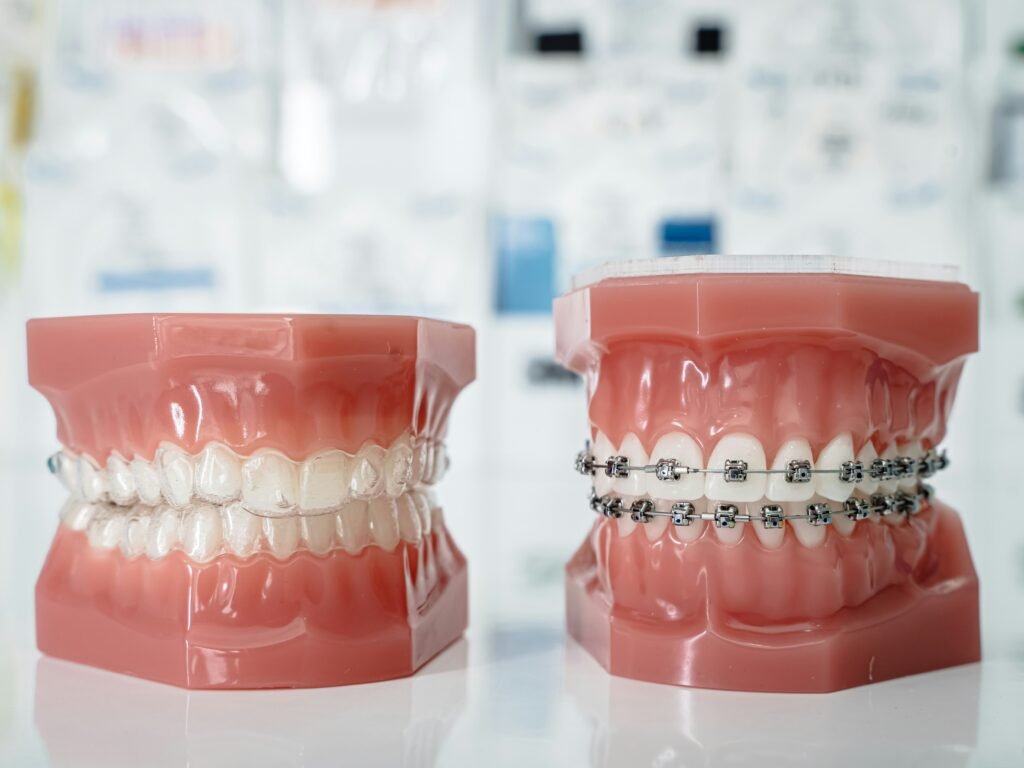
So, what exactly is surgical orthodontics and how does it help with really tricky bite problems and jaw issues? In simple terms, surgical orthodontics, often called orthognathic surgery, is a combined approach where an orthodontist and an oral surgeon work together. The orthodontist first straightens your teeth with braces or aligners, and then the oral surgeon repositions your jaw(s) to fix the underlying skeletal issue. This isn’t just about aesthetics; it’s primarily aimed at improving your speech, chewing function, and overall oral health, which sometimes has a nice cosmetic bonus. It’s for those times when braces alone just aren’t enough to get your teeth to line up properly because the problem is with the jawbones themselves, not just the teeth.
Before we dive into the surgery part, it’s good to understand what “severe malocclusion” actually means. It’s essentially a bad bite – your upper and lower teeth don’t fit together correctly when your mouth is closed. While minor malocclusions can be fixed with just braces, severe ones often involve a mismatch in the size or position of your jawbones.
What Makes a Malocclusion “Severe”?
A malocclusion moves from “mild” to “severe” when the discrepancy between the upper and lower jaws is too great to be corrected by tooth movement alone. Think of it like this: if you have a perfectly aligned set of teeth but your upper jaw is way too far forward, no amount of pushing or pulling on your teeth will bring your jaw back.
Common Types of Severe Malocclusions
There are a few classic ways your jaws can be out of whack that often require surgery.
Class II Malocclusion (Overbite)
This is when your upper jaw and teeth protrude significantly past your lower jaw and teeth. People often refer to it as an “overbite,” but technically, it’s often a “retrognathic” lower jaw (meaning your lower jaw is set too far back). This can affect chewing and even how your lips close.
Class III Malocclusion (Underbite)
Here, your lower jaw and teeth extend further forward than your upper jaw and teeth. This is commonly known as an “underbite” or a prognathic lower jaw. It can make biting into food difficult and affect speech.
Open Bite
An open bite means your upper and lower front teeth don’t meet when you close your mouth. There’s a gap between them. This can make it hard to bite into things like sandwiches and can also affect speech.
Crossbite
While some crossbites can be mild, a severe crossbite means your upper teeth fit inside your lower teeth on one or both sides when you bite down. This can lead to uneven wear on teeth and jaw problems.
Asymmetry
Sometimes, one side of your jaw grows differently from the other, leading to a visibly crooked face and an uneven bite. This can affect how your whole face looks and functions.
Why Braces Alone Aren’t Always Enough
It’s common to wonder why, with all the advancements in orthodontics, surgery is sometimes necessary. The core reason lies in the nature of the problem itself.
Teeth vs. Jaws: The Key Difference
Orthodontists are wizards at moving teeth within the jawbones. They can tip them, rotate them, and shift them into new positions. However, they cannot change the size, shape, or position of the jawbones themselves. If your lower jaw is significantly shorter than your upper jaw, for example, moving your teeth around won’t fix that foundational skeletal issue.
Limitations of Dental Camouflage
Sometimes, for minor skeletal discrepancies, orthodontists can try “dental camouflage.” This involves moving teeth in such a way that they hide the underlying jaw problem, making the bite appear better even if the jaws themselves are still misaligned. However, this has its limits. If the jaw discrepancy is too large, camouflaging can lead to:
- Unstable bite: The teeth are in precarious positions, leading to relapse.
- Root damage: Teeth are moved too far out of their supporting bone.
- Poor facial aesthetics: While the bite might look better, the underlying jaw issue can still affect your profile and facial balance.
- Compromised function: Chewing and speaking might still be difficult.
The Orthognathic Surgery Process: A Collaborative Journey

Surgical orthodontics isn’t a quick fix; it’s a carefully planned process that involves two highly specialized professionals working in tandem: your orthodontist and an oral and maxillofacial surgeon. It’s truly a team effort.
Step 1: Pre-Surgical Orthodontics
This is where your orthodontist lays the groundwork. You’ll wear braces (or sometimes clear aligners) for typically 12-18 months before surgery.
Straightening the Teeth Without Compensation
During this phase, the orthodontist’s goal is to get your teeth into their ideal positions relative to their own jaw, ignoring the skeletal mismatch for now. This might sound counterintuitive—sometimes, it can even make your bite look worse temporarily. For example, if you have an underbite, your orthodontist might move your lower front teeth backwards and your upper front teeth forwards, essentially “un-camouflaging” the bite. This ensures that once the jaws are realigned, the teeth will fit together perfectly.
Preparing for the Surgical Fit
By precisely aligning your teeth in this way, the orthodontist creates the perfect “puzzle pieces” that will fit together once the surgeon repositions the jawbones. This meticulous preparation is crucial for a successful surgical outcome.
Step 2: The Surgical Phase (Orthognathic Surgery)
Once your teeth are in their proper pre-surgical positions, and you’re deemed skeletally ready, it’s time for the oral surgeon to step in. This is usually done in a hospital setting under general anesthesia.
What Happens During Surgery?
The surgeon makes incisions inside the mouth (so no visible external scars). They then carefully cut the jawbones, allowing them to be freely moved into their new, corrected positions. Specialized surgical guides and plates are often used to ensure precise placement.
Common Surgical Procedures
Depending on your specific malocclusion, the surgeon might perform one or more of these procedures:
Le Fort I Osteotomy (Upper Jaw Surgery)
This procedure involves carefully separating the upper jaw from the rest of the face. The surgeon can then move it forward, backward, upward, or downward. This is commonly used to correct severe overbites, open bites, or to lengthen a short upper jaw.
Bilateral Sagittal Split Osteotomy (BSSO) (Lower Jaw Surgery)
This is the most common lower jaw procedure. The surgeon makes a cut along the body of the lower jaw, splitting it on both sides. This allows the lower jaw to be moved forward or backward to correct underbites or recessive lower jaws. It can also be used to widen or narrow the lower jaw.
Genioplasty (Chin Surgery)
Often performed in conjunction with jaw surgery, genioplasty reshapes the chin bone. This can effectively enhance facial balance and profile without affecting the bite itself. It might be moved forward, backward, or from side to side.
Maxillary Expansion (SARPE)
For severe upper jaw narrowness in adults, a surgically assisted rapid palatal expander (SARPE) might be used. The surgeon makes small incisions to loosen the upper jaw, and then an orthodontic expander gradually widens it over several weeks or months.
Stabilizing the Jawbones
Once the jaws are in their new positions, they are secured with small surgical plates and screws, usually made of titanium. These plates are biocompatible and typically remain in place permanently, though they can be removed later if necessary (which is rare). You won’t usually be “wired shut” for an extended period anymore, thanks to modern surgical techniques, but your jaws might be carefully guided with small elastics.
Step 3: Post-Surgical Orthodontics
The journey doesn’t end after surgery. After a healing period (typically 6-12 weeks), you’ll return to your orthodontist to fine-tune your bite.
Finalizing Tooth Alignment
During this phase, which usually lasts another 6-12 months, your orthodontist uses your braces or aligners to make small, precise adjustments to your teeth. Now that your jaws are correctly aligned, the teeth can be moved into their absolute perfect positions, ensuring an ideal bite.
Retention
Just like with traditional orthodontics, retainers are crucial after surgical orthodontics. You’ll wear them as prescribed to maintain your new bite and prevent relapse. This might involve removable retainers, fixed (permanent) retainers, or both.
Benefits of Surgical Orthodontics

While the process is extensive, the benefits of successfully treating severe malocclusions with surgical orthodontics can be life-changing, going far beyond just a pretty smile.
Improved Oral Function
This is arguably the most significant benefit. When your jaws and teeth are properly aligned:
Easier Chewing and Biting
You’ll be able to bite into and chew food much more effectively, improving digestion and your overall enjoyment of meals. No more struggling with apples or sandwiches.
Clearer Speech
Many malocclusions can affect how you form sounds. Correcting jaw position can significantly improve articulation and speech clarity.
Reduced Jaw Pain (TMJ Issues)
Severe malocclusions can put undue stress on your temporomandibular joints (TMJ), leading to pain, clicking, or even headaches. Correcting the bite can alleviate these symptoms.
Better Oral Health
A properly aligned bite makes it easier to keep your teeth clean and can reduce the risk of certain dental problems.
Easier Cleaning and Reduced Wear
When teeth are properly aligned, they are easier to brush and floss, reducing the risk of cavities and gum disease. A balanced bite also ensures even wear on your teeth, preventing premature erosion of certain areas.
Enhanced Facial Aesthetics and Confidence
While not the primary goal, improved facial balance and harmony are often a welcome side effect of jaw surgery.
Balanced Facial Profile
Correcting a recessed chin or a prominent jaw can dramatically improve your facial profile and overall appearance, leading to a boost in self-confidence.
Symmetry
For those with facial asymmetry due to jaw discrepancies, surgery can bring the face into much greater balance.
What to Expect During Recovery
| Benefits of Surgical Orthodontics | Explanation |
|---|---|
| Corrects Severe Malocclusions | Surgical orthodontics can address severe misalignments of the teeth and jaws that cannot be corrected with braces alone. |
| Improves Jaw Function | The procedure can improve the function of the jaw, allowing for better chewing, speaking, and overall oral health. |
| Enhances Facial Aesthetics | By repositioning the jaws, surgical orthodontics can improve the overall appearance of the face and smile. |
| Long-Term Stability | Patients can expect long-term stability and improved bite function after undergoing surgical orthodontic treatment. |
Understanding the recovery process is key to preparing for surgical orthodontics. It’s a significant surgery, and recovery takes time and patience.
Immediately After Surgery
You’ll spend a night or two in the hospital. Swelling will be significant, and you’ll experience some discomfort, which will be managed with pain medication.
Diet Restrictions
A liquid diet is usually required for the first few weeks, gradually progressing to soft foods. Chewing will be restricted to allow the bones to heal.
Swelling and Numbness
Swelling will peak around 2-3 days post-op and gradually subside over several weeks. Some numbness in the face, lips, or chin is common and can last for weeks or even months, occasionally being permanent (though rare).
Activity Limitations
You’ll need to avoid strenuous activity for several weeks to allow your jaws to heal properly. Most people return to non-strenuous work or school within 2-4 weeks.
Long-Term Healing
While initial recovery is a few weeks, full bone healing takes several months. It’s important to follow all post-operative instructions from both your surgeon and orthodontist. Regular follow-up appointments are crucial to monitor healing and guide subsequent orthodontic treatment.
Is Surgical Orthodontics Right for You?
Considering surgical orthodontics is a big decision and one that requires careful thought and consultation with experienced professionals.
Consultation is Key
The first step is always a thorough consultation with an orthodontist. They will take detailed records, including X-rays, photos, and models of your teeth. If they suspect a skeletal issue, they will refer you to an oral surgeon for a joint evaluation.
Weighing the Pros and Cons
Together, your orthodontist and oral surgeon will discuss your specific malocclusion, the potential benefits of surgery, and the risks involved. They’ll also explore alternative treatment options, if any, and explain why surgical orthodontics is recommended in your case. It’s an opportunity to ask all your questions and understand what the journey entails.
Ultimately, surgical orthodontics is a powerful solution for complex bite and jaw problems when traditional orthodontics simply isn’t enough. It’s a testament to how far dentistry has come, offering real solutions for real functional challenges.
FAQs
What is surgical orthodontics?
Surgical orthodontics, also known as orthognathic surgery, is a type of treatment used to correct severe malocclusions and jaw misalignments that cannot be fully corrected with braces or orthodontic treatment alone.
Who is a candidate for surgical orthodontics?
Candidates for surgical orthodontics are typically individuals with severe malocclusions or jaw misalignments that significantly impact their ability to chew, speak, or breathe. These conditions may be the result of genetics, trauma, or developmental abnormalities.
How does surgical orthodontics work?
Surgical orthodontics involves a combination of orthodontic treatment and corrective jaw surgery. The orthodontic treatment helps to align the teeth in preparation for surgery, while the jaw surgery repositions the upper and lower jaws to improve bite function and facial aesthetics.
What are the benefits of surgical orthodontics?
Surgical orthodontics can improve facial symmetry, enhance bite function, and alleviate symptoms such as difficulty chewing, speaking, or breathing. It can also improve the overall appearance of the face and smile.
What is the recovery process like after surgical orthodontics?
The recovery process after surgical orthodontics can vary, but typically involves a period of swelling, discomfort, and dietary restrictions. Patients will work closely with their orthodontist and oral surgeon to manage pain, monitor healing, and gradually return to normal activities.