So, you’ve got braces? Awesome! It’s a big step towards a straighter smile, and while it comes with a bit of a learning curve, especially when it comes to what you can and can’t shove in your mouth, it’s totally manageable. The big question everyone has is: what can I actually eat? The good news is, you can still enjoy a lot of your favorite foods, with a few smart adjustments. This guide is all about helping you navigate the braces-friendly food scene, so you can eat comfortably, keep your braces in good shape, and get on with enjoying your journey to that beautiful smile.
Before we dive into specific foods, it’s helpful to understand the general principles. Think of it as your braces’ survival guide.
Soft is Sensible
The primary goal is to avoid anything that can bend, break, or dislodge your brackets or wires. This means anything hard, sticky, or excessively chewy is generally off the table, at least until your orthodontist gives you the all-clear.
Bite-Sized is Best
Even with softer foods, how you eat them matters. Cutting food into small, manageable pieces reduces the force you need to apply when chewing, making it easier on your new hardware.
Watch Out for Seeds and Small Bits
Tiny, hard bits like sesame seeds, poppy seeds, or corn kernels can get stuck in your braces and be really difficult to remove, potentially irritating your gums or even loosening a bracket.
Temperature Matters Too
Extremely hot or cold foods can sometimes cause sensitivity with braces. While not usually damaging, it’s something to be mindful of, especially in the initial stages.
What You Can Absolutely Go For: The “Safe Zone” Foods
This is where things get fun. There’s a whole world of delicious and nutritious food that’s perfectly suited for your braces.
The Power of Smoothies and Shakes
These are your best friends, especially in the first few days after getting your braces on or after an adjustment. They require no chewing and deliver nutrients without any risk.
Fruit Fantasies
- Berry Bliss: Strawberries, blueberries, raspberries – all fantastic in smoothies. Just make sure they’re deseeded if you’re blending them whole.
- Tropical Twist: Mango, banana, pineapple (make sure it’s ripe and soft) add sweetness and creaminess.
- Apple Sauce & Pear Puree: Pre-made or homemade, these are easy on your braces and can be flavored with cinnamon.
Creamy Creations
- Yogurt Power: Greek yogurt or regular yogurt, plain or flavored, provides protein and calcium.
- Milk & Dairy Alternatives: Use milk, almond milk, soy milk, or oat milk as your base.
- Avocado Ace: Believe it or not, a little avocado blended in can add a silky texture and healthy fats.
Cooked and Soft Veggies are Your Allies
Forget raw, crunchy carrots for now. Think well-cooked and tender.
Steamed and Boiled Wonders
- Broccoli Florets: Steamed until tender, they’re easy to manage.
- Carrots (Cooked): Boil or steam them until they’re soft enough to mash with a fork.
- Green Beans: Steamed until tender are a great option.
- Peas & Corn (Creamed): While whole corn kernels are a no-go, creamed corn is usually fine.
- Sweet Potatoes & Potatoes: Mashed or baked until very soft, these are filling and nutritious.
Soups and Stews
- Pureed Soups: Tomato, butternut squash, lentil – as long as there aren’t any chunky bits of hard vegetables or meat, these are excellent.
- Comforting Stews: Make sure the meat is fall-apart tender and any vegetables are soft.
Tender Proteins for Sustained Energy
Protein is crucial for healing and overall health. Opt for the easily chewable versions.
The Soft Meat Maneuvers
- Shredded Chicken or Turkey: Perfectly cooked and shredded, these are super easy to eat. Think chicken salad (made with soft bread or no bread) or in soft tacos.
- Ground Meat: Well-cooked ground beef, turkey, or chicken in dishes like chili (ensure no beans that are too hard) or shepherd’s pie.
- Fish: Flaky fish like salmon or cod, baked or pan-seared until it easily falls apart.
Egg-cellent Choices
- Scrambled Eggs: A classic for a reason.
- Omelets: Filled with soft ingredients like cheese or well-cooked vegetables.
- Poached Eggs: Delicate and easy to digest.
Legume Love (When Soft)
- Refried Beans: Soft and flavorful, perfect in burritos (with soft tortillas) or as a side.
- Lentils: Cooked until very soft, they can be incorporated into soups and stews.
Dairy Delights
Beyond yogurt, other dairy products are generally safe.
Cheese Please
- Soft Cheeses: Mozzarella, cheddar (shredded), cottage cheese, cream cheese.
- Cheese Sauces: Think macaroni and cheese or cheese sauces for vegetables.
Grains and Carbs: The Soft Side
When choosing grains, focus on those that are soft and cooked thoroughly.
Grains for Goodness
- Oatmeal & Grits: These are fantastic. Just be mindful of a few stray hard grains.
- Rice: Well-cooked white or brown rice.
- Pasta: Cooked until al dente, or even a little softer if you prefer. Avoid very thick strands that require a lot of chewing.
- Soft Breads: White bread, whole wheat bread (ensure no hard seeds or crusts). You might want to avoid toasting it to the point of crispiness.
Sweet Treats (In Moderation)
Yes, you can still have dessert! Just steer clear of the usual culprits.
Softer Sweetness
- Puddings & Custards: Mousse, Jell-O, anything that melts in your mouth.
- Ice Cream & Sorbet: Your best friend, especially after adjustments. Avoid chunky additions.
- Soft Cookies: Think chocolate chip cookies without hard nuts, or sugar cookies that aren’t overly crisp.
Foods to Approach with Caution (and How to Make Them Work)
Some foods aren’t strictly forbidden, but they require a bit of modification or extra care.
The Dreaded Popcorn Kernel
You know it. You love it. But popcorn kernels can lodge themselves in your braces and cause a lot of discomfort and potential damage.
Popcorn Predicament
- Avoid Entirely: This is the safest bet, especially in the beginning.
- If You Must: If you absolutely cannot resist, be incredibly meticulous about checking for and removing every single kernel. Air-popped is generally better than microwaved (which can have more hard bits).
Nuts and Seeds: The Tiny Terrors
While loaded with nutrients, the hardness and small size of nuts and seeds make them a high-risk food.
Nutty but Not Nice (for Braces)
- Whole Nuts: Absolutely avoid. They can break wires.
- Seeds: Sunflower seeds, pumpkin seeds, sesame seeds – all problematic.
- Nut Butters: Peanut butter, almond butter, etc., are generally okay, but choose smooth varieties. If you have chunky peanut butter, the nut pieces can still be a problem. Ensure you’re not getting large chunks stuck.
Crunchy Fruits and Veggies: A Matter of Preparation
These are often healthy, but their raw texture can be a challenge.
Crispy Cuties
- Apples: Slice them thinly or bake them until soft. Avoid biting into a whole, raw apple.
- Carrots: As mentioned earlier, cook them until tender.
- Celery: Usually too stringy and fibrous. Best to avoid.
- Corn on the Cob: The kernels can get stuck and are hard to chew off cleanly. Creamed corn is a much safer alternative.
What to Avoid Entirely: The “Absolutely Not” List
These are the foods that can cause significant damage to your braces or are just a major pain to deal with.
The Sticky Situations
Sticky foods cling to your brackets and wires, creating a persistent pulling force that can dislodge them.
Sticky Traps
- Caramel: Whether in candy bars or as a topping.
- Taffy & Chewy Candies: Starburst, toffees, caramels, gummy bears (unless they’re very soft).
- Gummy Worms & Fruit Snacks: Anything with that characteristic chewy texture.
The Rock-Hard Offenders
| Food Category | What to Eat | What to Avoid Entirely |
|---|---|---|
| Fruits | Soft fruits like bananas, berries, and melons | Hard fruits like apples and pears |
| Vegetables | Soft cooked vegetables like mashed potatoes and steamed spinach | Raw vegetables like carrots and celery |
| Proteins | Soft meats like chicken and fish | Tough meats like steak and jerky |
| Dairy | Soft dairy products like yogurt and cheese | Hard cheeses and sticky dairy products |
| Grains | Soft grains like pasta and rice | Hard grains like popcorn and nuts |
Hard foods can bend or break your wires and brackets.
Hard Hats to Break
- Hard Candies: Lollipops, jawbreakers, hard mints.
- Ice: Don’t chew on ice.
- Pretzels & Hard Crackers: Especially the really crunchy ones.
- Nuts: As reiterated, a big no-no.
- Popcorn Kernels: Again, the main culprit.
The Strenuous Chewers
Foods that require a lot of forceful chewing can put undue stress on your braces.
Chewy Challenges
- Tough Meats: Steaks, jerky, dried meats.
- Bagels: The crust can be particularly tough.
- Pizza Crust: Especially the thicker, chewier types.
- Licorice: Both chewy and can get stuck.
Biting into Danger
Certain ways of eating can also pose a risk.
Bite-Sized Blunders
- Whole Apples, Pears, and Carrots: Avoid biting directly into them.
- Corn on the Cob: The act of biting off the kernels is risky.
- Sandwiches with Hard Crusts: Maybe remove the crust or opt for softer breads.
Eating on the Go and Social Situations
Navigating meals outside the comfort of your home can feel a bit daunting. Here are some tips for staying on track.
Restaurant Reconnaissance
- Scan the Menu: Look for soft options like soups, pasta dishes, well-cooked chicken or fish, and mashed potatoes.
- Ask Questions: Don’t hesitate to ask your server for modifications. “Can the chicken be shredded?” “Is the vegetable medley soft?”
- Choose Wisely: If sushi is on the menu, opt for rolls with soft ingredients and skip anything with crunchy tempura bits or whole fish.
Pack Your Own Power Snacks
- Smoothie to Go: Prepare a smoothie in a thermos to keep you fueled between meals.
- Yogurt Cups: Easy to carry and eat.
- Soft Fruits: Pre-sliced bananas or applesauce pouches.
Dealing with Unavoidable Situations
Sometimes you’re faced with a food situation you can’t fully control.
The Birthday Cake Dilemma
- Take Small Bites: If it’s a soft cake with frosting, enjoy it in moderation and in small pieces.
- Avoid Hard Decorations: Candy toppers or hardened frosting can be problematic.
Movie Theater Munchies
- Soft Candies (in moderation): If you must indulge, go for softer options.
- Avoid Popcorn: This is probably the biggest temptation and risk.
- Fruit Snacks: A softer alternative.
Maintaining Your Braces and Oral Hygiene
Beyond what you eat, how you care for your braces is paramount.
The Post-Meal Ritual
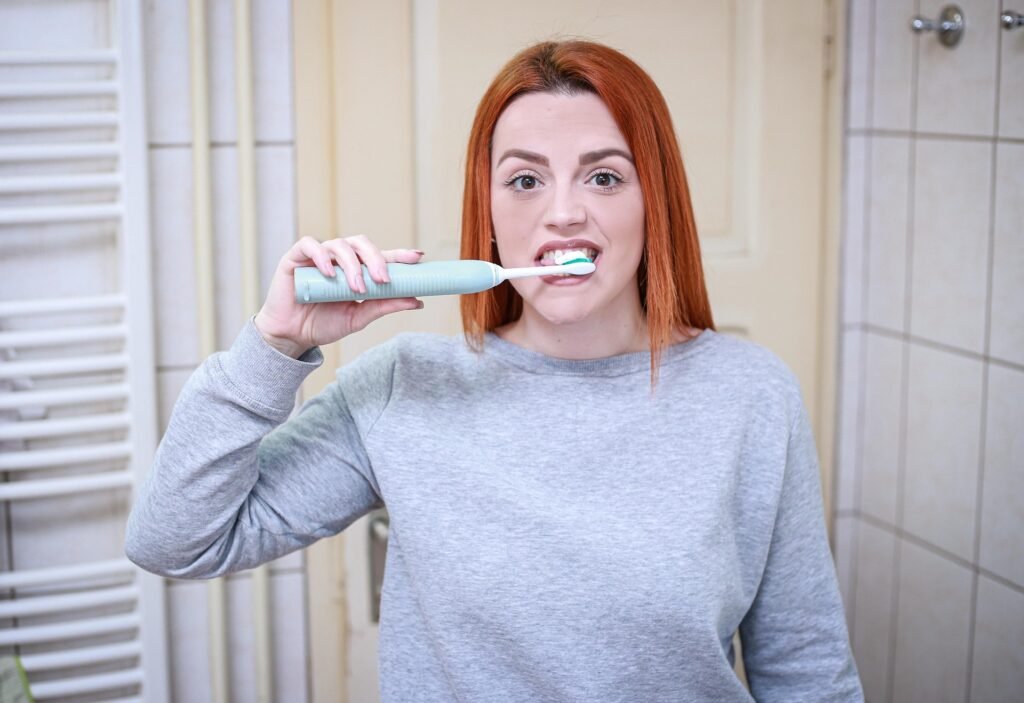
- Brush and Floss: This is non-negotiable. You’ll need to brush after every meal and snack to remove food particles. Invest in an interdental brush – they’re a lifesaver for cleaning between brackets.
- Rinse Well: Even after brushing, an antimicrobial mouthwash can help keep things clean.
Listening to Your Body (and Your Orthodontist)
- Discomfort vs. Pain: Some discomfort is normal, especially after adjustments. Sharp pain or a feeling of something being loose means you should contact your orthodontist.
- Follow Their Advice: Your orthodontist is your best resource. They’ll provide specific instructions tailored to your treatment plan.
The Long Game
Remember, braces are a temporary phase. By being mindful of your food choices now, you’re setting yourself up for success and a fantastic, healthy smile in the long run. It might feel like a hassle at first, but with a little planning and creativity, you can still eat well and enjoy your journey. Happy eating!
FAQs
What are the best foods to eat with braces?
Soft foods like yogurt, mashed potatoes, pasta, and smoothies are great options for those with braces. Other good choices include soft fruits, cooked vegetables, and tender meats.
What foods should be avoided entirely with braces?
Sticky and chewy foods like caramel, taffy, and gum should be avoided entirely with braces. Hard foods like nuts, popcorn, and hard candies can also damage braces and should be avoided.
Can I still eat crunchy fruits and vegetables with braces?
Yes, but it’s best to cut them into small, bite-sized pieces to avoid damaging your braces. Apples, carrots, and celery can still be enjoyed with braces as long as they are cut into smaller pieces.
Are there any specific foods that can help with discomfort from braces?
Cold foods like ice cream, popsicles, and frozen yogurt can help alleviate discomfort from braces. Additionally, soft foods like mashed potatoes and smoothies can be soothing for sore teeth and gums.
How can I maintain good oral hygiene while wearing braces?
It’s important to brush and floss regularly while wearing braces to prevent food particles from getting stuck and causing plaque buildup. Using a water flosser and interdental brushes can also help clean hard-to-reach areas around braces.