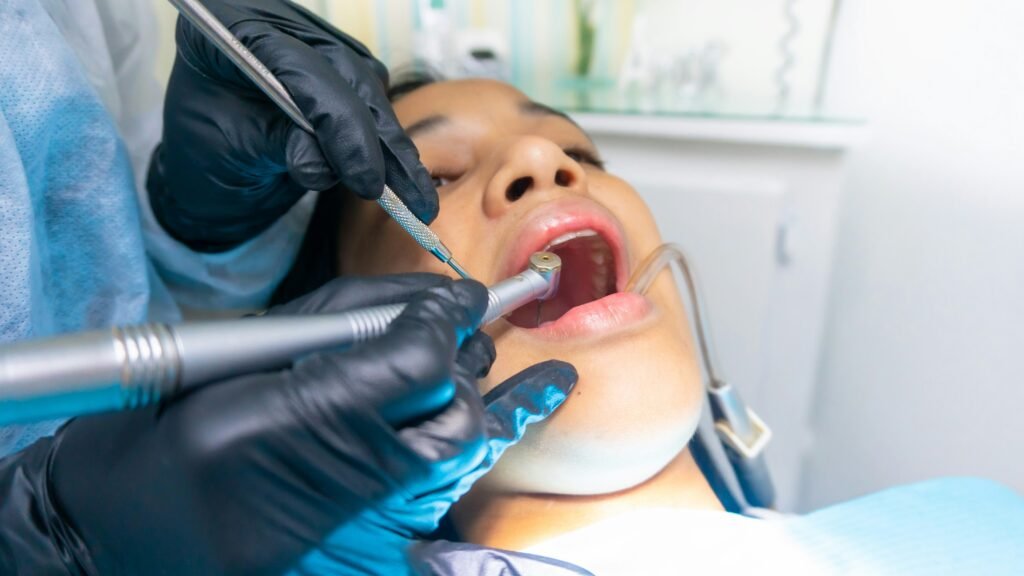
When should your child first visit an orthodontist? The straightforward answer is around age seven. This isn’t about immediately getting braces; it’s more about a proactive check-up to see how their teeth and jaw are developing. Think of it as a friendly screening to catch potential issues early, making future treatments, if needed, often simpler and more effective.
Why Age Seven? It’s All About Growth and Opportunity
The age of seven is often a tipping point in a child’s dental development. Several significant things are usually happening around this time that make it the ideal window for an orthodontic evaluation.
The Mixed Dentition Stage: A Special Time
This is the period when your child has a mix of baby teeth (primary teeth) and adult teeth (permanent teeth) in their mouth. This “mixed dentition” stage is crucial because:
- Permanent teeth are starting to emerge: The first permanent molars (six-year molars) usually appear behind the baby molars, and the lower front permanent incisors often start to push through. These are key indicators of how the permanent dentition will set up.
- Jaw growth continues: While their permanent teeth are coming in, a child’s jaw is still actively growing and developing. This growth phase is much easier to influence than it will be later in life.
- Existing issues become apparent: Problems like crowding, crossbites, or excessive spacing can become more noticeable as these permanent teeth start to erupt.
Early Detection is Key: What the Orthodontist Looks For
At this age, the orthodontist isn’t looking to fix anything necessarily, but rather to identify potential problems and assess the overall development. They’ll be examining:
- Jaw development: Is the upper jaw developing in harmony with the lower jaw? Are there signs of the upper jaw being too narrow, or the lower jaw extending too far forward or backward?
- Tooth eruption patterns: Are the permanent teeth coming in correctly in terms of alignment and position? Are baby teeth being lost on schedule, or are they lingering too long?
- Spacing and crowding: Is there enough room for all the permanent teeth to erupt properly, or does it look like crowding will be an issue?
- Bite issues: How do the upper and lower teeth meet? Are there any signs of an overbite, underbite, crossbite, or open bite?
- Habits: Issues like thumb-sucking or tongue thrusting can significantly impact tooth and jaw alignment. The orthodontist can offer guidance on addressing these.
What Happens During That First Visit? More Than Just a Quick Look
Don’t picture this as a sterile, scary exam. A good pediatric dentist or orthodontist will make the first visit for a seven-year-old very low-key and observational.
The Orthodontist’s Toolkit at This Stage
Their assessment will involve a few key things:
- Visual Examination: The orthodontist will look at your child’s teeth, jaw, and profile. They’ll see how the teeth are erupting and how the bite is forming.
- X-rays (Sometimes): Depending on what they see visually, they might take a panoramic X-ray. This is a special type of X-ray that shows all the teeth – both the ones erupted and those still developing within the jawbone. This X-ray is invaluable for seeing unerupted permanent teeth, checking for extra or missing teeth, and assessing jaw development.
- Impressions (Less Common): In most cases, for a routine seven-year-old check, impressions (molds of the teeth) aren’t necessary. However, if there are more significant concerns, they might take them to create study models.
Communication is Crucial: What to Expect from the Orthodontist
After the examination, the orthodontist will discuss their findings with you. They’ll explain if everything looks normal, or if there are any potential issues they’re monitoring.
- “No Treatment Needed” is a Common Outcome: It’s very important to understand that this first visit often results in a “wait and see” approach. The orthodontist might simply recommend continuing to monitor your child’s development and schedule another check-up in a year or two. This is excellent news!
- Early Intervention Might Be Recommended: If they do spot an issue that could be more easily corrected at this stage, they’ll explain it clearly. This doesn’t automatically mean braces. It might involve a habit-breaking appliance, or simply a plan for future treatment.
- Understanding the “Why”: A good orthodontist will explain why they are recommending a certain course of action (or inaction). They’ll talk about the long-term benefits of addressing a problem now rather than later.
Addressing Common Concerns: What If There’s No Obvious Problem?
Many parents wonder if they should still bother with a seven-year-old orthodontic visit if their child’s smile looks perfectly fine. The answer is a resounding yes.
The Hidden Potential: Problems You Can’t See
Not all orthodontic issues are immediately visible to the naked eye.
- Ectopically Erupting Teeth: Sometimes, a permanent tooth starts to erupt in an unusual position, which can affect the neighboring teeth or cause baby teeth to be “locked” in place. This is something an X-ray can often reveal.
- Impacted Teeth: A permanent tooth might be blocked by another tooth or bone and unable to erupt. Early detection can inform future management.
- Underlying Skeletal Discrepancies: Even if the teeth look straight now, there might be a developing imbalance between the upper and lower jaws that will become more prominent as the child grows. Addressing these during periods of active jaw growth can prevent more complex treatments later.
The Benefit of a Professional Opinion
Your child’s pediatric dentist is excellent at regular check-ups and addressing cavities. However, orthodontists specialize in the alignment of teeth and the development of the jaws. They have a specific skill set and diagnostic tools dedicated to these aspects of oral health.
- Expertise in Development: They understand the intricacies of how children’s mouths grow and change. They can predict potential future issues based on current development.
- Preventing Future Issues: Identifying and addressing minor problems early can often prevent them from becoming major, costly, and more involved treatments down the road. It’s like getting an oil change regularly for your car to prevent engine failure.
Early Intervention vs. Waiting: Weighing the Options
When an orthodontic issue is identified, the orthodontist will discuss whether early intervention is the best approach. This is often called Phase I treatment.
What is Phase I Treatment?
Phase I treatment typically occurs during the mixed dentition stage (around ages 7-10) and is designed to:
- Correct Severe Bite Problems: Such as significant underbites or crossbites, where the upper teeth don’t fit properly over the lower teeth.
- Guide Jaw Growth: For example, if the upper jaw is too narrow, an expander can be used to gently widen it, creating more space for teeth and improving the overall facial profile.
- Address Severe Crowding: In some cases, creating more space can help permanent teeth erupt in better positions, potentially reducing the need for extensive extraction later.
- Correct Harmful Habits: Appliances can be used to help children break habits like thumb-sucking or tongue thrusting that are negatively impacting their bite.
The Advantages of Early Intervention
- Simpler Treatment: Influencing jaw growth and tooth movement when bones are still developing is generally easier and less invasive.
- Reduced Need for Extractions: Creating adequate space early on can sometimes eliminate the need to pull permanent teeth later.
- Improved Facial Aesthetics: Correcting jaw discrepancies early can lead to a more balanced and harmonious facial profile as the child grows.
- Increased Self-Esteem: Addressing visible issues can boost a child’s confidence, especially if they are being teased or feel self-conscious.
When Waiting is the Smarter Choice
It’s important to remember that not every patient needs Phase I treatment.
- Minimal or No Issues: If the orthodontist’s assessment shows textbook development, the best course of action is often to simply continue monitoring.
- Problems Best Addressed Later: Some orthodontic issues, particularly minor crowding or alignment concerns, are best addressed once most or all of the permanent teeth have erupted (Phase II treatment). Trying to fix them too early can sometimes lead to relapse or simply be less effective.
- Cost and Complexity: Phase I treatment can add to the overall cost of orthodontic care. If it’s not deemed essential, skipping it can save time and money.
The orthodontist’s role is to guide you on this decision based on your child’s unique dental development.
What Happens If You Miss the Seven-Year-Old Mark?
Life gets busy, and sometimes things are missed. If your child has passed the age of seven and hasn’t had an initial orthodontic screening, don’t panic.
It’s Never Too Late to Check
While age seven is ideal for evaluating growth, it’s not the only time to identify issues. Many children who are concerned about their teeth, or whose parents notice a problem, seek orthodontic advice at later ages.
- The Pediatric Dentist Can Refer: If your child’s regular dentist notices anything concerning during a check-up, they will likely recommend a referral to an orthodontist.
- Concerns About Appearance or Function: If your child is self-conscious about their smile, or if they have difficulty chewing certain foods due to their bite, it’s worth investigating sooner rather than later.
Later Treatment Still Highly Effective
The majority of orthodontic treatment, involving braces or clear aligners, is done during the teenage years. This is known as Phase II treatment.
- Full Permanent Dentition: By the time most children are 11-13 years old, they usually have all or most of their permanent teeth. This stage is ideal for comprehensive alignment of the entire set of teeth.
- Proven Results: Modern orthodontics is incredibly effective at creating beautiful and functional smiles for teenagers, regardless of whether they had an early screening.
The Advantage of Early Assessment Persists
While valuable, missing the initial seven-year-old window doesn’t mean you’ve missed all opportunities. However, it does mean you might miss the chance to:
- Influence Jaw Growth: The window for significantly altering jaw growth closes as a child enters adolescence.
- Prevent More Complex Issues: Sometimes, early intervention can simplify complicated jaw alignment problems.
So, while you can absolutely still get great results without that early visit, it’s a missed opportunity for potential early, simpler interventions if they were indicated.
The Goal: A Healthy Smile for Life
Ultimately, the reason for an early orthodontic visit at age seven is to ensure your child grows into an adult with a healthy, functional, and aesthetically pleasing smile.
Beyond Straight Teeth: The Importance of a Good Bite
Straight teeth are often the most visible outcome of orthodontic treatment, but a healthy bite is equally, if not more, important.
- Functionality: A proper bite allows for efficient chewing, which aids digestion and nutrient absorption.
- Speech: The alignment of teeth plays a role in clear speech.
- Jaw Joint Health: An improper bite can put undue stress on the temporomandibular joint (TMJ), leading to pain, clicking, and other issues.
- Tooth Wear: Misaligned teeth can wear down unevenly, leading to sensitivity and potential tooth damage.
- Gum Health: Crowded or misaligned teeth can be harder to clean effectively, increasing the risk of gum disease and cavities.
Prevention is Better Than Cure
The proactive approach of an early orthodontic check-up is rooted in the principle that prevention is far better (and often less costly) than cure.
- Proactive versus Reactive: Instead of waiting for a problem to become severe and require extensive treatment, the aim is to identify potential issues when they are small and manageable.
- Long-Term Oral Health: The benefits of a well-aligned bite and healthy jaw development extend throughout a person’s life, contributing to better oral health and overall well-being.
Making the Appointment: What to Do Next
If you’re looking to schedule that first orthodontic visit for your child, here’s a straightforward approach:
- Consult Your Pediatric Dentist: They can often provide a recommendation for an orthodontist in your area.
- Research Orthodontists: Look for orthodontists who specialize in treating children and adolescents. Many offer free initial consultations, which can be a great way to get acquainted and have your questions answered without an immediate commitment.
- Ask About Their Approach: During the consultation, don’t hesitate to ask about their philosophy for early evaluations and what they typically look for at that age.
The key takeaway is that a visit around age seven is a low-pressure, informational appointment designed to give you and your child the best possible insights into their future oral health.
FAQs
1. What is the recommended age for a child to first see an orthodontist?
The American Association of Orthodontists recommends that children have their first orthodontic evaluation by the age of 7.
2. Why is it important for a child to see an orthodontist at an early age?
Early orthodontic evaluations can help identify any potential issues with the child’s bite, alignment, and jaw development, allowing for timely intervention if necessary.
3. What are the potential benefits of early orthodontic treatment?
Early orthodontic treatment can help guide the growth of the jaw, create space for permanent teeth, and reduce the need for more extensive treatment in the future.
4. What are some signs that a child may need orthodontic treatment?
Signs that a child may need orthodontic treatment include difficulty chewing or biting, mouth breathing, thumb sucking, crowded or misplaced teeth, and early or late loss of baby teeth.
5. What should parents consider when choosing an orthodontist for their child?
Parents should look for an orthodontist who is experienced in treating children, has a welcoming and child-friendly office environment, and is able to effectively communicate with both the child and the parents throughout the treatment process.