Ever felt a little wiggle in your teeth when you’re in the middle of braces or aligners? It can be a bit unnerving, right? You might be wondering, “Wait, aren’t braces supposed to straighten my teeth, not make them feel like they’re about to fall out?” Well, take a deep breath – that slight looseness is actually a key part of the whole process, and it’s completely normal. It means your teeth are doing exactly what they’re supposed to be doing to get to their new, beautiful position.
This might sound a little counterintuitive, but for teeth to move into a new position, they actually need to loosen up a bit first. Think of it like building a house. You can’t just plop a new room onto an existing foundation without some preparatory work. The same applies to your teeth. Orthodontic treatment is all about gently repositioning them, and that requires a biological process that involves some temporary loosening.
The Role of Pressure and Bone Remodeling
So, what’s actually happening at a microscopic level? When your braces or aligners apply gentle pressure to your teeth, they cause tiny forces to be exerted on the periodontal ligament.
The Periodontal Ligament: Your Tooth’s Shock Absorber
What is this ligament, anyway? It’s a really cool, elastic tissue that surrounds the root of your tooth and connects it to the bone (the alveolar bone) in your jaw. It’s not just some passive filler; it’s a dynamic structure that acts as a shock absorber, helping to cushion your teeth from the forces of chewing and speaking. It’s also packed with cells that are crucial for tooth movement.
Bone Resorption and Deposition: The Key Players
When that gentle pressure from your orthodontic appliance is applied, it triggers a response in the periodontal ligament and the surrounding bone. On the side of the tooth where the pressure is being applied, specialized cells called osteoclasts get to work. They start to break down the bone – this process is called bone resorption. Think of it as making a little bit of space. Meanwhile, on the opposite side of the tooth, where the tooth is being pushed towards, other cells called osteoblasts are busy building new bone. This is bone deposition.
So, in essence, the bone is being reshaped. It’s being resorbed (broken down) from one side to allow the tooth to move, and then rebuilt on the other side to support the tooth in its new location. This continuous cycle of bone remodeling is what allows your teeth to gradually shift.
Why Looseness is a Sign of Progress
This bone remodeling process is precisely why you might feel that slight looseness. As the bone is being resorbed to allow movement, the tooth isn’t as firmly anchored in that exact spot anymore. It’s like a boat being gently nudged along a dock – for it to move, it needs to be able to detach and reattach slightly at different points. The feeling of looseness is actually a tell-tale sign that this biological dance of bone resorption and deposition is happening. It means your orthodontic treatment is actively working to move your teeth. If your teeth felt completely rigid and unmoving, that would likely be a sign that the orthodontic forces aren’t effectively engaging with the biological processes needed for tooth movement.
What You Might Feel and When
It’s important to understand that “loose” doesn’t mean “falling out.” The looseness you might experience is usually very subtle. Most people describe it as a slight wiggle or a feeling that the tooth is a little more mobile than usual. It’s rarely a dramatic sensation.
Early Stages of Treatment
You might notice this feeling most prominently in the initial weeks after getting your braces or a new set of aligners. This is when the orthodontic forces are new and really starting to stimulate the bone remodeling process. The initial adjustments can sometimes lead to a more pronounced feeling of looseness for a few days.
Initial Tightening or New Aligner Fit
When your orthodontist tightens your braces at an adjustment appointment, or when you switch to a new set of aligners, there’s a fresh application of pressure. This can temporarily increase the sensation of looseness as your body responds to these new forces.
Soreness vs. Looseness
It’s also worth distinguishing between that feeling of looseness and general soreness. Many people experience some soreness or aching for a day or two after an adjustment or changing aligners. This is also a normal response to the pressure. The looseness, however, is a distinct sensation of mobility that might linger a bit longer or be present even when there’s no significant aching.
Throughout the Treatment Process
While you might notice it more at the beginning, you might still experience intermittent feelings of looseness throughout your orthodontic journey. This is perfectly normal. Every time your braces are adjusted or you transition to a new set of aligners, the process of bone remodeling is reactivated in the areas where tooth movement is occurring.
Ongoing Adjustments and Movements
As your teeth gradually drift into their targeted positions, the forces are continuously working. Sometimes, if your orthodontist is making a significant adjustment or trying to correct a specific tooth’s alignment, you might notice a bit more of that subtle looseness.
The Closer You Get to the Finish Line
Towards the end of your treatment, as your teeth get closer to their final positions, the forces might be more focused, and you could again notice a slight increase in the feeling of looseness as those final movements are made. It’s all part of the careful choreography of getting your smile just right.
What NOT to Expect: When to Be Concerned

While a little wiggle is normal, there are definitely signs that would warrant a call to your orthodontist. The key is to differentiate between a subtle, controlled mobility and something more alarming.
Red Flags to Watch For
Your teeth shouldn’t feel like they’re about to dislodge entirely. If you experience any of the following, it’s time to get in touch with your orthodontic team:
Severe Pain or Throbbing
While mild soreness is common, severe, persistent pain or a throbbing sensation that doesn’t subside after a day or two is not typical. This could indicate a different issue.
Visible Changes in Gum Line or Tooth Position
If you notice any teeth that suddenly appear much longer than their neighbors, or if a tooth seems to have significantly shifted or tilted on its own without any recent adjustment, that’s a cause for concern. This could suggest a problem with the appliance or an underlying issue.
Bleeding Gums Without Cause
While some minor bleeding might occur if you’ve been a bit rough with brushing around your braces, persistent or heavy bleeding from the gums around a specific tooth, or multiple teeth, could point to gum inflammation or infection, which needs professional attention.
Mobility That Feels Exaggerated
If a tooth feels excessively wobbly, to the point where you can visibly see it moving independently or it feels like it’s “hanging on by a thread,” this is not the normal, subtle movement we’re talking about. This is an emergency situation and requires immediate contact with your orthodontist.
Your Orthodontist is Your Best Resource
It bears repeating: your orthodontist is the expert here. They know what’s happening inside your mouth on a much deeper level than anyone else. If you’re ever in doubt about a sensation you’re feeling, or if something just doesn’t seem right, pick up the phone and call their office. They’d much rather you called with a minor concern than waited until a bigger problem developed.
Caring for Your Teeth During This Mobile Phase

Even though your teeth are in a state of flux, it’s crucial to maintain excellent oral hygiene. In fact, it’s even more important during orthodontic treatment.
Brushing and Flossing are Non-Negotiable
The appliances themselves can trap food particles and plaque, creating a breeding ground for bacteria. This can lead to cavities, gum disease, and even issues that could negatively impact tooth movement.
Special Tools for Braces Wearers
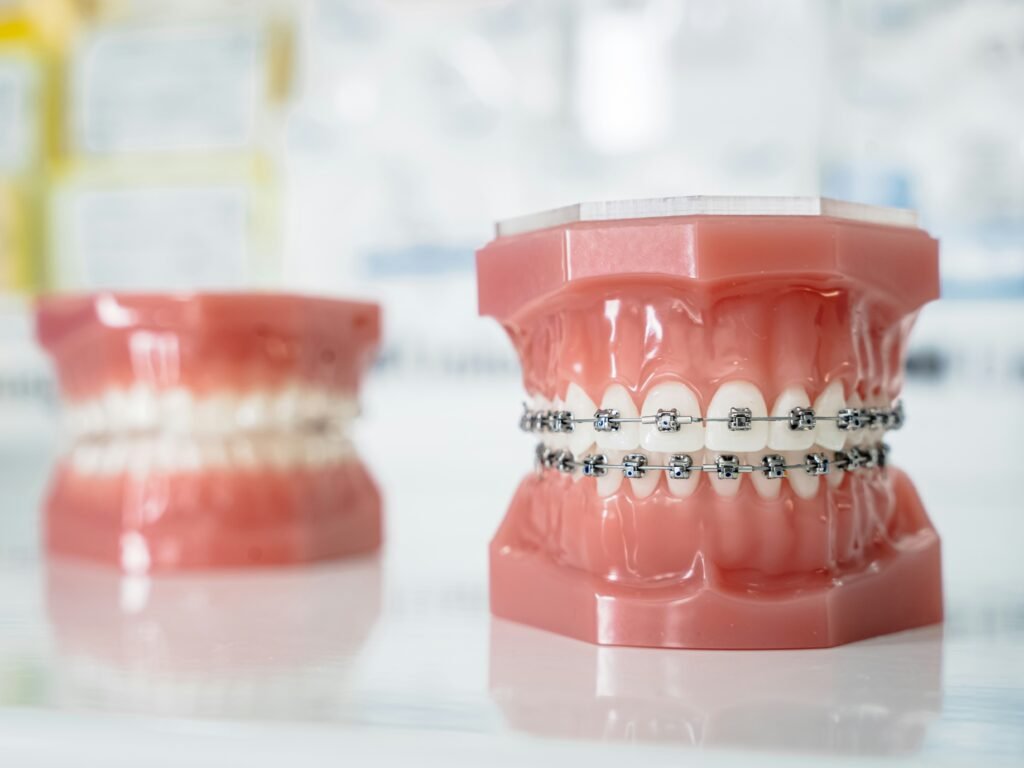
If you have braces, your orthodontist will likely recommend specialized brushes, floss threaders, or interdental brushes to help you navigate around the brackets and wires effectively. Don’t skip these! They are designed to make cleaning effective and accessible.
Aligners and Regular Brushing
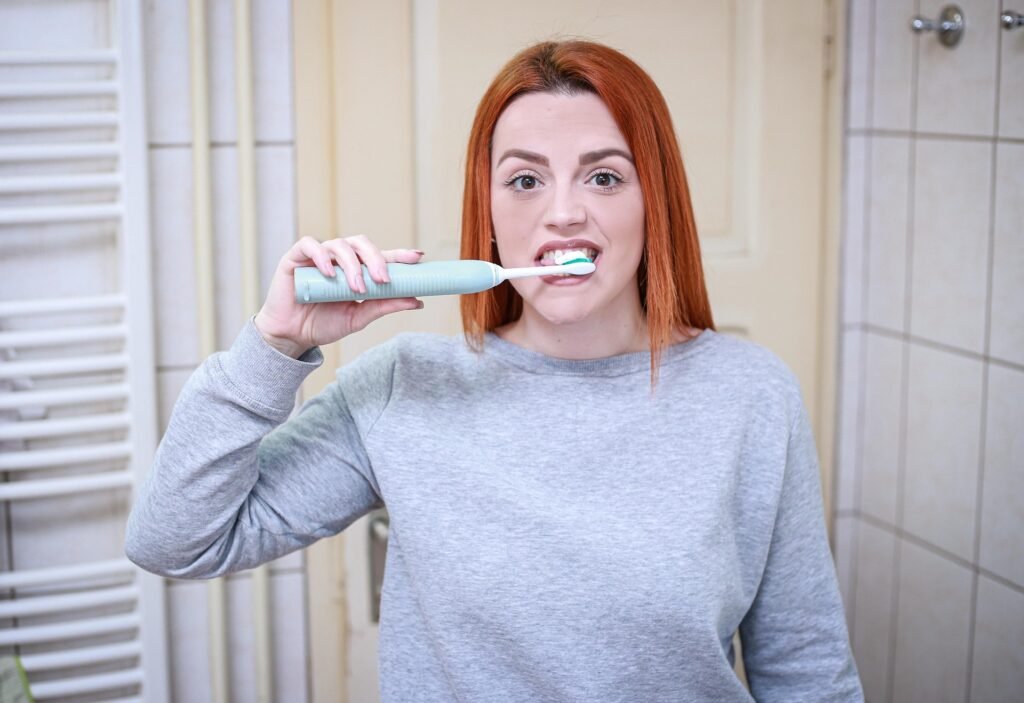
If you’re using clear aligners, remember to remove them before brushing and flossing your teeth normally. Then, brush your aligners gently with a soft brush and cool water before reinserting them.
What About Eating?
Certain foods can put undue stress on your teeth and appliances, potentially exacerbating any looseness or even causing damage.
Stick to Soft Foods When Needed
Especially after an adjustment or when you get used to new aligners, sticking to softer foods can prevent unnecessary pressure on your teeth. Think smoothies, yogurt, mashed potatoes, soups, and well-cooked pasta.
Avoid Sticky, Chewy, and Hard Foods
These are the usual suspects: caramel, toffees, hard candies, popcorn kernels, and even biting into raw carrots or apples. These can bend wires, break brackets, or put a sudden jolt on your teeth that you don’t want.
Guarding Against Further Injury
With teeth that might feel a little looser, they can be more susceptible to injury if you have any kind of impact to the mouth.
Mouthguards for Sports
If you play any sports, even contact sports where you might think there’s not much risk of head-to-head contact, wearing a sports mouthguard is a smart move. It provides an extra layer of protection. The same goes if you tend to grind your teeth at night; talk to your orthodontist about a night guard.
The Finish Line: When the Looseness Subsides
| Reason | Explanation |
|---|---|
| Orthodontic Force | The pressure from braces or aligners can cause temporary looseness as the teeth shift into their new positions. |
| Bone Remodeling | As the teeth move, the bone around them remodels to support the new positions, causing temporary looseness. |
| Soft Tissue Adjustment | The gums and other soft tissues in the mouth may need time to adjust to the changing tooth positions, leading to temporary looseness. |
| Normal Healing Process | Looseness is a normal part of the healing process as the teeth and surrounding tissues adapt to orthodontic treatment. |
The good news is that this feeling of looseness is temporary. As your teeth settle into their new, corrected positions, the bone remodeling process will shift.
Stabilization and Retention
Once your teeth have reached their ideal alignment, the goal shifts from active movement to stabilization. Your orthodontist will remove your braces or provide you with your final set of aligners, and then you’ll move into the retention phase.
The Role of Retainers
Retainers are absolutely critical. They are designed to hold your teeth in their new positions and prevent them from drifting back. This is where you’ll notice that the subtle looseness completely disappears. Your teeth will feel solid and secure once again.
Bone Settling In
Over time, the bone continues to remodel and solidify around the roots of your teeth in their new locations. This process, combined with the constant wear of your retainers, ensures long-term stability for your beautiful, straight smile.
Trust the Process
Orthodontic treatment is a marathon, not a sprint. There will be moments of discomfort, and there will be sensations that might make you pause. That slight feeling of looseness in your teeth is one of those normal, albeit sometimes unsettling, experiences. It’s a sign that the diligent, biological work necessary for your smile transformation is happening. So, while it’s good to be aware and know when to seek professional advice, trust that this little wiggle is simply a step on the path toward your perfectly aligned smile.
FAQs
1. Why do teeth feel loose during orthodontic treatment?
During orthodontic treatment, the braces or aligners apply pressure to the teeth, causing them to gradually shift into the desired position. This movement can make the teeth feel loose as they adjust to the new positioning.
2. Is it normal for teeth to feel loose during orthodontic treatment?
Yes, it is completely normal for teeth to feel loose during orthodontic treatment. The feeling of looseness is a sign that the teeth are responding to the orthodontic forces and are moving as intended.
3. How long does the feeling of loose teeth last during orthodontic treatment?
The feeling of loose teeth during orthodontic treatment can vary from person to person. Generally, the sensation of looseness may last for a few days after an adjustment and then gradually subside as the teeth adapt to their new positions.
4. Are there any activities or habits to avoid when teeth feel loose during orthodontic treatment?
It is advisable to avoid chewing on hard or sticky foods when teeth feel loose during orthodontic treatment. Additionally, patients should follow their orthodontist’s instructions regarding any specific activities or habits to avoid during this time.
5. What should I do if my teeth feel excessively loose during orthodontic treatment?
If you experience excessive looseness or discomfort in your teeth during orthodontic treatment, it is important to contact your orthodontist. They can assess the situation and provide guidance on whether any adjustments are needed.