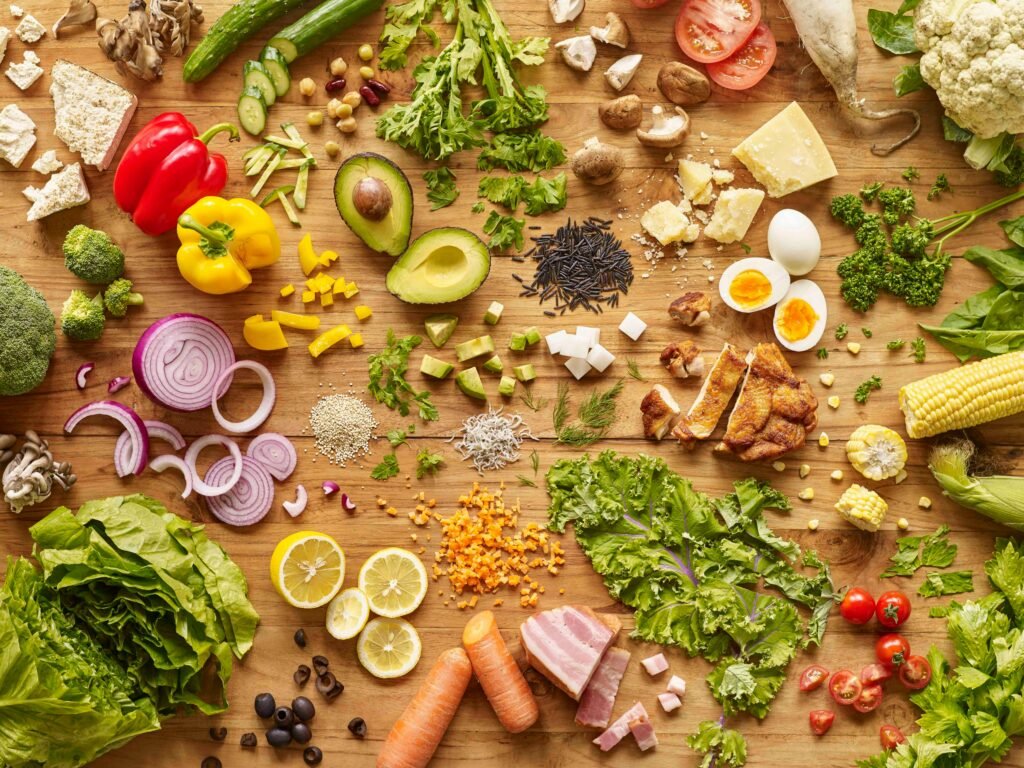
You’re looking for calcium without the dairy? Totally understandable! Dairy can be a big trigger for a lot of people, whether it’s lactose intolerance, allergies, or just a personal preference. The good news is, you absolutely don’t need to chug milk or pile on the cheese to get enough of this crucial mineral. Calcium is vital for strong bones and teeth, but it also plays a role in muscle function, nerve signals, and even blood clotting. So, let’s dive into some seriously good, non-dairy sources of calcium that are easy to incorporate into your meals.
When we talk about plant-based calcium powerhouses, leafy greens are often the first to come to mind, and for good reason. They pack a pretty decent punch for their calorie count, and you can use them in so many ways. Forget boring salads; these versatile veggies can be steamed, sautéed, blended into smoothies, or even baked into chips.
Spinach: The Powerhouse You Might Be Underestimating
Spinach is a superstar when it comes to nutrients, and calcium is definitely on that list. Now, it’s important to note that spinach contains oxalates, which are compounds that can slightly interfere with calcium absorption. However, the amount of calcium you still get from spinach is significant enough to make it a valuable part of your diet. Cooking spinach, especially, can help reduce the oxalate content.
Cooking Tips: Wilted spinach can be added to omelets, stir-fries, pasta dishes, or even blended into a pesto. It’s surprisingly versatile and a great way to sneak in extra greens.
Kale: The Trendy Green That Delivers
Kale has earned its health halo, and its calcium content is a big part of that. Similar to spinach, kale also has oxalates, but again, the absorption is still quite good, especially when cooked. It’s a fantastic source of vitamins K and C as well, which are also beneficial for bone health.
Ways to Enjoy: Massaged kale makes a tender salad base. Steamed or sautéed kale is a great side dish. You can also roast kale leaves until crispy for a healthy snack.
Collard Greens: A Southern Staple with Serious Calcium
Collard greens are a bit tougher than spinach or kale, but their calcium content is excellent, and they have lower oxalate levels than spinach. This means your body can absorb the calcium more readily. They have a slightly bitter but pleasant flavor that pairs well with many savory dishes.
Cooking Methods: Collard greens are traditionally slow-cooked, which can make them tender and flavorful. They are also great in soups and stews.
Turnip Greens and Mustard Greens: Don’t Discard Them!
These greens, often overlooked, are also fantastic sources of calcium. They have a more pungent flavor than spinach or kale, which some people love. Like collards, they have relatively low oxalate levels, making them efficient calcium providers.
Culinary Uses: These greens are often cooked down with a bit of broth or water and seasoned. They can be a flavorful addition to grain bowls or served alongside roasted meats.
Fortified Foods: Smart Swaps for Everyday Staples
Fortification is a brilliant way for manufacturers to boost the nutritional value of common foods, and it’s a game-changer for non-dairy calcium intake. Many plant-based milks and other everyday items are now fortified with calcium, making it super easy to hit your targets without even thinking too hard about it.
Plant-Based Milks: Your Dairy-Free Liquid Gold
This is probably the most common and convenient way people increase their non-dairy calcium. Brands of almond, soy, oat, cashew, and rice milk are widely available and often fortified to match or even exceed the calcium content of cow’s milk. Always check the label, as fortification levels can vary between brands and types of milk.
What to Look For: Aim for milks that are fortified with at least 100-120 mg of calcium per 100 ml serving, or around 25-30% of the Daily Value per cup.
Beyond Drinking: Fortified plant-based milks are excellent in smoothies, for making sauces, in baking, and even in your morning cereal or oatmeal.
Tofu and Tempeh: Soy-Based Wonders
Tofu and tempeh, made from soybeans, can be surprisingly good sources of calcium, especially if they are prepared using calcium sulfate. Calcium sulfate is a coagulant that adds calcium to the final product.
Check the Packaging: Look for tofu that lists calcium sulfate in the ingredients. This will significantly boost its calcium contribution. Tempeh, while not always calcium-fortified, is naturally a decent source of minerals.
Versatile Proteins: Tofu can be scrambled, baked, fried, or added to stir-fries. Tempeh has a firmer texture and a nuttier flavor, making it great for grilling, marinating, and adding to sandwiches or bowls.
Orange Juice: A Morning Boost
Some brands of orange juice are fortified with calcium, alongside vitamin D (which helps with calcium absorption). This makes it a convenient way to get a calcium boost, especially if you’re already a fan of having OJ with breakfast.
Read the Labels: Not all orange juice is fortified, so be sure to check the nutrition label.
Enjoy It: A glass of fortified OJ can be a refreshing way to start your day, or you can use it in smoothies.
Cereals and Breads: Sneaky Calcium Sources
Many breakfast cereals and some types of bread are fortified with calcium. This is another area where checking the nutrition label is key, as fortification levels can vary widely.
Breakfast Strategy: If you eat cereal regularly, choose a fortified option. It’s an easy way to add calcium to your morning routine.
Bread Choices: Some whole-grain breads can also contain added calcium. This can be a nice bonus if you’re already choosing whole grains for fiber.
Legumes: The Humble Heroes of the Plant World

Legumes, a broad category that includes beans, lentils, and peas, are nutritional powerhouses. They’re not only great sources of protein and fiber but also offer a surprising amount of calcium.
White Beans: Creamy and Calcium-Rich
White beans, like cannellini and navy beans, are particularly good sources of calcium. Their mild flavor and creamy texture make them incredibly versatile in cooking.
Culinary Ideas: Add them to soups, stews, chilis, or mash them into dips and spreads. They also work well in salads.
Chickpeas: The Versatile Globetrotters
Chickpeas, also known as garbanzo beans, are another excellent legume choice for calcium. They’re incredibly versatile and can be enjoyed in countless dishes.
How to Use Them: Hummus is the obvious star, but chickpeas are also fantastic roasted for a crunchy snack, added to curries, salads, or used in vegetarian patties.
Black Beans: A Protein and Calcium Staple
Black beans are a fantastic source of both protein and calcium. They’re a staple in many cuisines and can be used in a wide variety of savory dishes.
Meal Prep Friendly: Black beans are great for meal prepping. They can be added to burrito bowls, tacos, salads, and more.
Lentils: Tiny but Mighty
Lentils, particularly brown and green varieties, offer a good amount of calcium. They’re quick to cook and absorb flavors beautifully.
Hearty Additions: Lentils make fantastic additions to soups, stews, curries, and can even be used as a base for vegetarian shepherd’s pie.
Seeds and Nuts: Small Packages, Big Nutrition

Don’t underestimate the power of seeds and nuts! Many varieties are packed with calcium, along with healthy fats, protein, and other essential minerals. They’re easy to snack on or sprinkle into meals for an extra nutritional boost.
Sesame Seeds and Tahini: The Mediterranean Marvels
Sesame seeds are a surprisingly rich source of calcium. Tahini, which is made from ground sesame seeds, is a concentrated form of this mineral.
Tahini’s Role: Tahini is a key ingredient in hummus and baba ghanoush, but it can also be used in salad dressings, sauces, and even drizzled over roasted vegetables. Sprinkle whole or ground sesame seeds on your food for an added calcium kick.
Almonds: The Popular Nut with a Calcium Bonus
Almonds are a well-known healthy snack, and their calcium content is an added bonus. They provide a good amount of calcium along with vitamin E and magnesium.
Snacking and More: Enjoy a handful of almonds as a snack. They’re also great in trail mix, chopped and sprinkled over salads or yogurt, or blended into almond butter.
Chia Seeds: The Tiny Seeds of Power
| Food | Calcium Content (per 100g) |
|---|---|
| White Beans | 443mg |
| Chia Seeds | 631mg |
| Almonds | 264mg |
| Oranges | 40mg |
| Broccoli | 47mg |
| Kale | 150mg |
| Figs | 162mg |
Chia seeds are tiny but mighty when it comes to nutrients, including calcium. They are also packed with omega-3 fatty acids and fiber.
Hydrate and Consume: Chia seeds absorb liquid, forming a gel. You can make chia pudding, add them to smoothies, or sprinkle them on oatmeal or yogurt.
Poppy Seeds: A Culinary Sprinkle
While often used in smaller quantities, poppy seeds can contribute to your daily calcium intake, especially if you use them regularly in baking or as a topping.
Sweet and Savory Uses: Poppy seeds are common in baked goods like muffins and breads, but they can also be used in savory dishes, like dressings or as a crust for fish.
Fish and Seafood: More Than Just Protein
While many people associate calcium primarily with dairy, certain types of fish and seafood offer a decent amount of this mineral, particularly when you consume the edible bones.
Sardines: The Bone-In Bite
Sardines, especially those packed in oil or water with their bones, are an exceptional source of calcium. The tiny, edible bones are where the calcium is concentrated.
Easy to Eat: You can eat sardines straight from the can on crackers, add them to salads, or mash them into a spread. The texture of the bones is usually soft enough to be unnoticeable.
Canned Salmon: With Bones Included
Similar to sardines, canned salmon, particularly varieties that include the soft, edible bones, can be a good source of calcium.
Versatile Ingredient: Canned salmon can be used in salmon patties, salads, sandwiches, or added to pasta dishes.
Other Seafood Options: A Supporting Role
While not as concentrated as sardines or canned salmon with bones, other shellfish like oysters and shrimp can contribute smaller amounts of calcium to your diet.
Variety is Key: Including a variety of seafood in your diet can offer a range of nutrients, with calcium being one of them.
By incorporating a mix of these delicious and nutrient-dense non-dairy foods into your daily meals, you can easily meet your calcium needs and support your overall health. Don’t be afraid to experiment with different recipes and find your favorites!
FAQs
What are some non-dairy foods high in calcium?
Some non-dairy foods high in calcium include leafy greens (such as kale and collard greens), tofu, almonds, chia seeds, and sardines.
How much calcium do adults need daily?
The recommended daily intake of calcium for adults is 1,000 milligrams for men aged 19-70 and women aged 19-50, and 1,200 milligrams for women over 50 and men over 70.
Why is calcium important for the body?
Calcium is important for maintaining strong bones and teeth, as well as for muscle function, nerve transmission, and hormone secretion.
What are the health benefits of consuming non-dairy sources of calcium?
Consuming non-dairy sources of calcium can help reduce the risk of osteoporosis, improve bone health, and support overall health and wellness.
Are there any potential risks associated with consuming non-dairy sources of calcium?
Some non-dairy sources of calcium, such as fortified foods and supplements, may contain added ingredients that could be harmful if consumed in excess. It’s important to consume calcium from a variety of sources and to consult with a healthcare professional if considering calcium supplements.