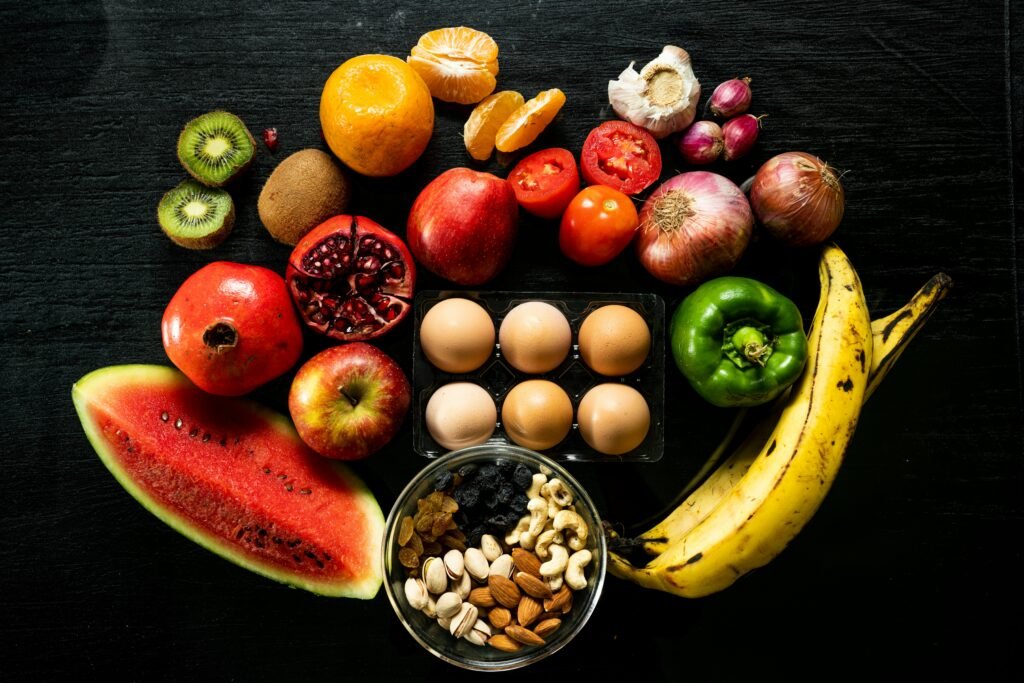
So, you’re wondering how to make your digestive system happier and keep your blood sugar from doing a rollercoaster impersonation? The good news is, it’s pretty straightforward and doesn’t require a complete overhaul of your pantry. The key players are fiber-rich foods. They’re not just good for keeping things moving; they also play a crucial role in managing how your body processes sugar, leading to more stable energy levels throughout the day. Think of fiber as your body’s helpful assistant, doing a lot of the heavy lifting in keeping you feeling good from the inside out.
Let’s get down to the nitty-gritty of why fiber is such a superstar for your gut. It’s not just one thing; it’s a complex carbohydrate that your body can’t actually digest. But don’t let that fool you – that’s precisely where its magic lies.
Keeping Things Moving: The Mechanical Benefit
This is the most commonly known benefit of fiber, and for good reason. Fiber adds bulk to your stool, making it softer and easier to pass. This is especially important for preventing constipation, which can be a real drag on your well-being.
Soluble Fiber: The Water Lover
Soluble fiber, found in oats, beans, apples, and citrus fruits, dissolves in water to form a gel-like substance. This gel moves through your digestive tract, softening your stool and making it easier for your intestines to do their job. It also acts as a prebiotic, feeding the good bacteria in your gut, which is another huge win for digestive health.
Insoluble Fiber: The Roughage Rider
Insoluble fiber, present in whole grains, nuts, seeds, and the skins of many fruits and vegetables, doesn’t dissolve in water. Instead, it adds bulk directly to your stool, speeding up its passage through your intestines. This can be particularly helpful for regularity.
The Gut Microbiome’s Best Friend
Your gut is home to trillions of bacteria, and a healthy balance of these microbes is essential for a vast array of bodily functions, from immunity to mood. Fiber is the primary food source for these beneficial bacteria. When you eat fiber, they feast, ferment it, and produce short-chain fatty acids (SCFAs) like butyrate. SCFAs are like little superheroes for your gut lining, reducing inflammation and strengthening your gut barrier.
Prebiotic Powerhouses
Many fiber-rich foods are also considered prebiotics. This means they selectively stimulate the growth and activity of beneficial bacteria in your gut. Think of it as providing the VIP lounge for your good gut bugs.
A Feeling of Fullness
Fiber takes longer to digest than refined carbohydrates. This means it can help you feel fuller for longer after eating, which can be incredibly useful if you’re trying to manage your weight or simply avoid those pesky afternoon hunger pangs.
Slowing Down Gastric Emptying
The gel-forming properties of soluble fiber can slow down the rate at which food leaves your stomach. This contributes to that feeling of satiety and can help prevent overeating.
Fiber’s Balancing Act: Blood Sugar Stability
Beyond keeping your digestive system humming, fiber is a silent but powerful force in regulating your blood sugar levels. This is crucial for preventing those sharp spikes and crashes that can leave you feeling tired and irritable.
The Glycemic Index Lowdown
The glycemic index (GI) is a ranking of carbohydrates based on how quickly they raise blood glucose levels. Foods high in refined carbohydrates often have a high GI, meaning they cause rapid blood sugar increases. Fiber, on the other hand, generally lowers the GI of foods.
How Fiber Dampens the Sugar Rush
When you eat fiber-rich foods, especially those containing soluble fiber, it slows down the absorption of sugar into your bloodstream. Instead of a sudden influx of glucose, you get a more gradual release, allowing your body to manage it more effectively.
Preventing Insulin Spikes
A rapid rise in blood sugar triggers a significant release of insulin. Over time, frequent insulin spikes can contribute to insulin resistance, a precursor to type 2 diabetes. By slowing down sugar absorption, fiber helps to minimize these sharp insulin responses, promoting more stable insulin levels.
Long-Term Benefits for Diabetes Management
For individuals managing diabetes, incorporating plenty of fiber into their diet is a cornerstone of effective blood sugar control. It’s a natural and sustainable way to improve glycemic control and reduce the risk of complications.
Reducing the Risk of Type 2 Diabetes
Consistently eating a high-fiber diet has been linked to a significantly lower risk of developing type 2 diabetes. This is a testament to fiber’s multifaceted role in metabolic health.
Top Fiber-Rich Foods for Your Plate

Now, let’s talk about the actual food! It’s not about deprivation; it’s about smart choices that pack a fiber punch.
Whole Grains: The Foundation
These are the heroes of the fiber world. When you choose whole grains, you’re getting the entire grain kernel – the bran, germ, and endosperm – all loaded with nutrients and, of course, fiber.
Oats and Barley: Breakfast Champions
These humble grains are powerhouses. A bowl of oatmeal or a hearty barley soup can provide a significant portion of your daily fiber needs. They are particularly good sources of soluble fiber, which is excellent for cholesterol management and blood sugar control.
Quinoa and Brown Rice: Versatile Staples
Moving beyond just breakfast, quinoa and brown rice are excellent alternatives to refined white rice. They are complete proteins (quinoa) and offer a nutty flavor and satisfying chew that elevates any meal.
Whole Wheat Bread and Pasta: Smarter Choices
When reaching for bread or pasta, always look for “100% whole wheat” on the label. This ensures you’re getting the benefits of the entire wheat kernel, unlike “wheat bread” which can still be made with refined flour.
Legumes: The Affordable Powerhouses
Beans, lentils, and peas are incredibly affordable, versatile, and ridiculously high in fiber. They are also excellent sources of protein, making them a fantastic option for vegetarians and vegans, or anyone looking to reduce their meat consumption.
Lentils: The Quick Cookers
Lentils are a busy person’s best friend. They cook relatively quickly and can be added to soups, stews, salads, or even made into dips. Their high fiber content makes them incredibly filling.
Black Beans and Kidney Beans: Salad and Chili Stars
These hearty beans are perfect for adding to salads, chili, tacos, and burritos. They provide a substantial fiber boost and a satisfying texture.
Chickpeas: Hummus and Beyond
Chickpeas are incredibly versatile. Of course, there’s hummus, but they’re also great roasted, added to curries, or tossed into salads.
Fruits: Nature’s Sweet Treats
Don’t underestimate the fiber content of fruits, especially when you eat the whole fruit, skin and all (when appropriate!).
Berries: The Antioxidant & Fiber Combo
Raspberries, blueberries, blackberries, and strawberries are not only bursting with antioxidants but are also fiber champions. They are relatively low in sugar compared to some other fruits, making them an excellent choice.
Apples and Pears: The Skinny on Fiber
Remember to eat the skin! The skin of apples and pears contains a significant amount of their fiber. They are also good sources of pectin, a type of soluble fiber.
Oranges and Grapefruits: Citrusy Goodness
While the juice of these fruits can be high in sugar and low in fiber, eating the whole fruit provides a good dose of fiber and a satisfying citrusy zing.
Vegetables: The Unsung Heroes
This is where you can really load up. Most vegetables are packed with fiber, and the more colorful, the better.
Leafy Greens: The Nutrient Dense Bunch
Spinach, kale, Swiss chard, and collard greens are not only loaded with vitamins and minerals but also contribute a good amount of fiber to your diet.
Broccoli and Brussels Sprouts: Cruciferous Conquerors
These cruciferous vegetables are fiber powerhouses. Roasting or steaming them brings out their natural sweetness and makes them a delicious side dish.
Carrots and Sweet Potatoes: Earthy Delights
These root vegetables offer a good balance of fiber and natural sweetness. They are great roasted, mashed, or added to stews.
Nuts and Seeds: The Calorie-Dense Fiber Bombs
While calorie-dense, nuts and seeds are small but mighty when it comes to fiber. A small handful can make a difference.
Chia Seeds: The Swelling Superstars
These tiny seeds are incredibly absorbent and form a gel when mixed with liquid. They are a fantastic source of soluble fiber and omega-3 fatty acids.
Flaxseeds: Grinding for Gold
For optimal absorption, it’s best to grind flaxseeds. They can be added to smoothies, yogurt, or baked goods for a fiber boost.
Almonds and Walnuts: Snackable Fiber
A small portion of almonds or walnuts makes for a satisfying and fiber-rich snack. They also provide healthy fats.
Practical Tips for Boosting Your Fiber Intake

Knowing what to eat is one thing, but actually incorporating it into your daily life is another. Here are some straightforward ways to make fiber a regular part of your diet.
Start Small and Gradually Increase
If you’re not used to a high-fiber diet, don’t go from zero to sixty overnight. Suddenly increasing your fiber intake can lead to gas and bloating. Gradually add fiber-rich foods to your meals over a few weeks to allow your digestive system to adjust.
Hydration is Key
Fiber works best when it has water to absorb. If you’re increasing your fiber intake, make sure you’re also increasing your fluid intake. Aim for plenty of water throughout the day.
Read Food Labels
Become a label reader. Look for “whole grain” or “high fiber” on packaging. Check the “Dietary Fiber” content per serving. Aim for foods with at least 3 grams of fiber per serving.
Sneak It In
| Fiber-Rich Foods | Benefits |
|---|---|
| Broccoli | High in fiber, vitamins, and minerals. Helps with digestion and blood sugar control. |
| Chia Seeds | Rich in fiber and omega-3 fatty acids. Aids in digestion and helps stabilize blood sugar levels. |
| Quinoa | Contains both soluble and insoluble fiber. Supports healthy digestion and helps regulate blood sugar. |
| Black Beans | High in fiber and protein. Promotes digestive health and helps maintain steady blood sugar levels. |
| Avocado | Rich in fiber and healthy fats. Supports digestion and helps keep blood sugar stable. |
Add fiber to meals you already enjoy. Toss some beans into your chili or pasta sauce. Sprinkle chia seeds or ground flaxseeds into your yogurt or oatmeal. Add a handful of spinach to your smoothie.
Make Smart Swaps
Replace refined grains with whole grains. Swap white bread for 100% whole wheat bread. Choose brown rice over white rice. Opt for whole wheat pasta.
Snack Smart
Instead of reaching for processed snacks, opt for a piece of fruit, a handful of nuts, or some raw vegetables with hummus.
When to Be Mindful of Fiber Intake
While fiber is overwhelmingly beneficial, there are a few situations where you might need to be more cautious or consult a healthcare professional.
Pre-existing Digestive Conditions
If you have conditions like Irritable Bowel Syndrome (IBS), Inflammatory Bowel Disease (IBD), or diverticulitis, your tolerance for certain types of fiber might vary. Some people with IBS find that high-FODMAP foods, which can be high in fiber, trigger symptoms. It’s best to discuss your fiber intake with your doctor or a registered dietitian.
Sudden Changes and Discomfort
As mentioned, a rapid increase in fiber can cause temporary digestive discomfort like gas, bloating, and cramping. This is usually a sign that your body needs time to adjust. If these symptoms are severe or persist, it’s worth speaking to a healthcare provider.
Certain Medications
Some medications, particularly those that affect gut motility, might interact with high-fiber diets. If you’re on medication, it’s always a good idea to mention your dietary changes to your doctor.
Dehydration Risk
If you’re not drinking enough water, a high-fiber diet can potentially lead to constipation or even blockages. Ensuring adequate hydration is paramount when increasing fiber.
The Bigger Picture: A Balanced Approach
Focusing on fiber is a fantastic step towards better health, but it’s part of a larger, more balanced picture.
Variety is the Spice of Life (and Fiber!)
Don’t get stuck on just one or two fiber-rich foods. Aim for a wide variety of fruits, vegetables, whole grains, legumes, nuts, and seeds. Different types of fiber offer different benefits, and a diverse diet ensures you’re getting the full spectrum.
Fiber is Not a Magic Bullet
While fiber is incredibly powerful, it works best when combined with other healthy habits. Regular physical activity, adequate sleep, stress management, and a generally balanced diet all contribute to your overall well-being, including digestive and metabolic health.
Listen to Your Body
Ultimately, your body is the best guide. Pay attention to how different foods make you feel. If a particular fiber-rich food consistently causes you discomfort, explore other options.
By understanding the “why” behind fiber and making practical, consistent choices, you can significantly improve your digestive comfort and enjoy more stable energy levels throughout your day. It’s a journey of small, manageable changes that can lead to big, lasting results for your health.
FAQs
What are fiber-rich foods?
Fiber-rich foods are foods that contain a high amount of dietary fiber, which is the indigestible part of plant foods. This includes fruits, vegetables, whole grains, nuts, seeds, and legumes.
How does fiber help with digestion?
Fiber helps with digestion by adding bulk to the stool, making it easier to pass through the digestive system. It also helps to regulate bowel movements and prevent constipation.
How do fiber-rich foods help stabilize blood sugar?
Fiber-rich foods help stabilize blood sugar levels by slowing down the absorption of sugar into the bloodstream. This can help prevent spikes and crashes in blood sugar levels, which is beneficial for overall health and can reduce the risk of developing type 2 diabetes.
What are some examples of fiber-rich foods?
Examples of fiber-rich foods include raspberries, broccoli, lentils, chia seeds, quinoa, and whole grain bread. These foods are not only high in fiber, but also provide essential vitamins, minerals, and antioxidants.
How much fiber should I consume daily?
The recommended daily intake of fiber is 25 grams for women and 38 grams for men. It’s important to gradually increase fiber intake and drink plenty of water to avoid digestive discomfort.