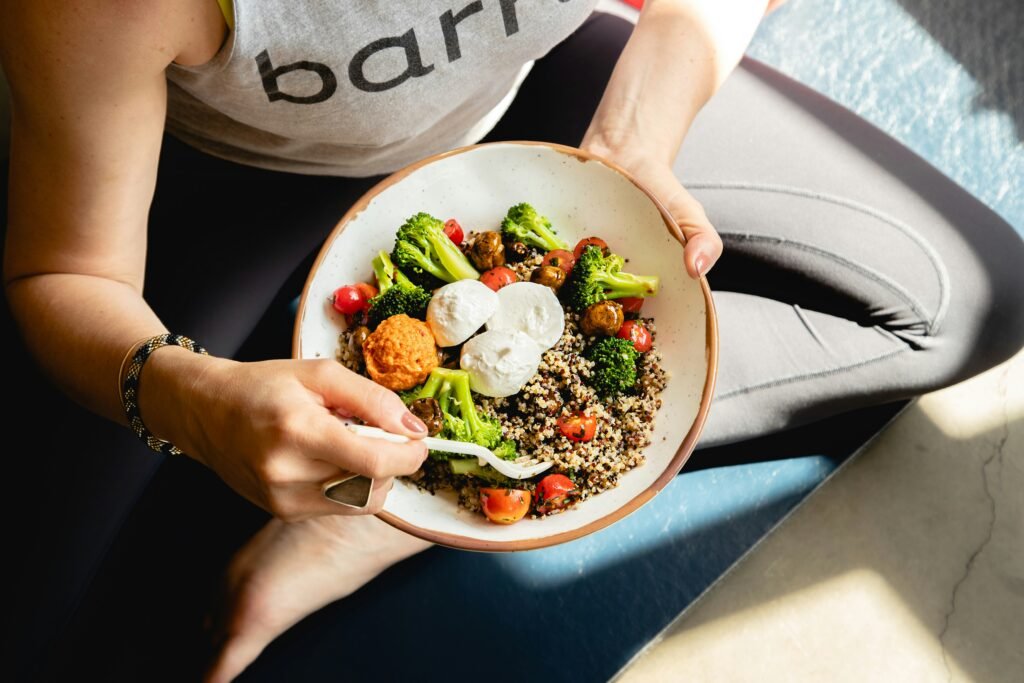
Feeling sluggish after your workout? Or maybe you’re just not hitting your stride during your exercise sessions? The culprit might be what you’re putting into your body before and after you sweat. Think of food as the high-octane fuel your muscles need to perform and then repair themselves. Getting this right can make a noticeable difference, turning a “meh” workout into a really productive one and helping you bounce back faster. So, what exactly should you be eating? Let’s break it down.
Before we dive into specific foods, it’s important to grasp why what and when you eat around your workouts makes such a big difference. Your body isn’t a static machine; it’s a dynamic system that responds to activity and nutrient availability.
The Immediate Pre-Workout Window
This is your chance to give your body readily available energy. During exercise, your primary fuel source is glycogen, which is stored carbohydrates in your muscles and liver. If your glycogen stores are low, you’re going to feel it – think fatigue, decreased performance, and maybe even hitting a wall sooner than you’d like.
The Crucial Post-Workout Window
This period is all about recovery and adaptation. After exercise, your muscles are essentially in a state of repair. They need nutrients to rebuild damaged muscle fibers, replenish depleted glycogen stores, and reduce inflammation. This “window of opportunity,” while perhaps not as strictly time-sensitive as once thought, is still a critical period for optimizing your gains.
Pre-Workout Power-Ups: Energizing Your Session
What you eat in the hour or two before hitting the gym or heading out for a run is about providing sustained energy and ensuring you don’t feel that gnawing hunger halfway through. The goal is to top off your fuel tanks without leaving you feeling heavy or uncomfortable.
Carbohydrates: Your Go-To Energy Source
Carbs are the most efficient fuel for moderate to high-intensity exercise. They break down into glucose, which your muscles can use immediately.
Simple vs. Complex Carbohydrates
- Simple Carbs: These are quick to digest and provide a rapid energy boost. Think fruits like bananas or apples, or a small amount of honey. They’re great for a quick top-up if you’re training soon after eating.
- Complex Carbs: These digest more slowly, providing a more sustained release of energy. Examples include oatmeal, whole-wheat toast, or sweet potatoes. These are ideal if you have a couple of hours before your workout.
Timing Your Carb Intake
The closer you are to your workout, the simpler your carbohydrate choices should be. If you’re eating 2-3 hours beforehand, a combination of complex and simple carbs is fine. If it’s less than an hour, stick to easily digestible simple carbs to avoid stomach upset.
Protein: The Muscle Saver
While carbs are the primary fuel, a small amount of protein before exercise can help spare muscle glycogen and kickstart the muscle repair process.
Why a Little Protein Helps
Including a bit of protein can help prevent your body from breaking down muscle tissue for energy during your workout, especially if your carb intake is a little lower. It also primes your muscles for the recovery phase.
Hydration: The Unsung Hero
Don’t underestimate the power of water! Dehydration, even mild, can significantly impair your performance.
Simple Rules for Hydration
- Drink water consistently throughout the day.
- Aim for a glass or two in the hour leading up to your workout.
- Listen to your body; thirst is a sign you’re already behind.
What to Avoid Right Before Exercise
Some foods can do more harm than good in the immediate pre-workout window.
Fatty Foods
High-fat foods take a long time to digest. Eating them too close to a workout can lead to stomach cramps and a feeling of sluggishness as your body diverts energy to digestion.
Excessive Fiber
While fiber is great for overall health, a large amount right before exercise can cause digestive discomfort, bloating, and gas for some individuals.
Spicy Foods
These can trigger heartburn and indigestion, making your workout miserable.
Post-Workout Replenishment: Rebuilding and Recovering

The period after your exercise is crucial for not only replenishing your energy stores but also for signaling to your body that it’s time to repair and grow. This is where strategic nutrient intake can really make a difference in your progress.
The Power Duo: Carbohydrates and Protein
This is the golden combination for post-workout recovery. They work together synergistically to optimize muscle repair and replenishment.
Replenishing Glycogen Stores
After a tough workout, your muscle glycogen is depleted. Consuming carbohydrates helps to refill these stores, preparing you for your next training session.
Repairing Muscle Tissue
During exercise, microscopic tears occur in your muscle fibers. Protein provides the amino acids, the building blocks, necessary to repair these tears and build stronger, more resilient muscles.
The Ideal Ratio
While there’s no single magic number, a common recommendation is a carbohydrate-to-protein ratio of around 3:1 or 4:1 for general exercise. For endurance athletes, this might lean slightly more towards carbs. For strength athletes, a ratio closer to 2:1 or 3:1 is often effective.
Timing Your Post-Workout Nutrition
While the “anabolic window” might not be as narrow as once believed, consuming your recovery meal or snack within a couple of hours after finishing your workout is generally a good idea.
The “Anabolic Window” Revisited
The concept of a strict 30-minute to 1-hour anabolic window is a bit of an oversimplification. Your body can utilize nutrients for muscle protein synthesis for a longer period. However, consuming nutrients sooner rather than later can still be beneficial, especially if your next meal is many hours away or if you’ve had a particularly demanding session.
What if You Can’t Eat Immediately?
Don’t stress if you can’t get a meal in right away. Your body is quite resilient. If you typically eat dinner a few hours after an evening workout, that dinner will still provide the necessary nutrients for recovery.
Practical Fueling Strategies: What to Actually Eat

Knowing why is important, but what to eat is the practical application. Here are some ideas that are easy to prepare and effective.
Pre-Workout Meal/Snack Ideas (1-3 Hours Before)
Focus on easily digestible carbohydrates with a moderate amount of protein.
Breakfast Boost
- Oatmeal with berries and a small scoop of protein powder or a few nuts.
- Whole-wheat toast with a thin layer of peanut butter and a banana.
- Greek yogurt with honey and a small piece of fruit.
Lunch/Dinner Options
- A small portion of grilled chicken or fish with a side of rice or quinoa and steamed vegetables.
- A turkey sandwich on whole-wheat bread with lettuce and tomato.
- A lentil soup with a slice of whole-grain bread.
Quick Pre-Workout Snacks (Less Than 1 Hour Before)
These should be primarily simple carbohydrates for quick energy.
- A banana.
- A small apple or orange.
- A handful of raisins or dates.
- A small energy bar (check the ingredients for low fat and moderate protein).
- A small smoothie made with fruit and water or a splash of milk.
Post-Workout Meal/Snack Ideas
Aim for a good balance of carbohydrates and protein to kickstart recovery.
Quick and Easy Recovery
- Recovery Smoothie: Blend fruit (like berries or banana) with protein powder (whey or plant-based), milk (dairy or non-dairy), and maybe a spoonful of Greek yogurt. This is a fantastic option as it’s easy to digest and portable.
- Greek Yogurt with Fruit and Granola: Provides protein from the yogurt, carbs from the fruit and granola.
- Chocolate Milk: Often cited as a near-perfect recovery drink, it offers a good carb-to-protein ratio and is easily digestible.
- Hard-boiled Eggs and Whole-Wheat Crackers: A good source of protein and some complex carbs.
More Substantial Recovery Meals
- Grilled Chicken or Salmon with Sweet Potato and Roasted Vegetables: A complete meal that covers all your recovery needs.
- Lentil Curry with Brown Rice: A plant-based option that’s rich in protein and complex carbohydrates.
- Tuna Salad Sandwich on Whole-Wheat Bread: Opt for a light dressing like Greek yogurt instead of mayonnaise.
- Scrambled Eggs with Whole-Wheat Toast and Avocado: A classic that provides protein, healthy fats, and carbs.
Hydration and Electrolytes: Beyond Just Water
| Food | Before Exercise | After Exercise |
|---|---|---|
| Carbohydrates | Easily digestible carbs like a banana or toast | Complex carbs like whole grain bread or pasta |
| Protein | Lean protein sources like chicken or Greek yogurt | Protein-rich foods like eggs or salmon |
| Fats | Healthy fats from nuts or avocado | Healthy fats from olive oil or nuts |
| Hydration | Water and electrolyte-rich drinks | Water and electrolyte-rich drinks |
While water is paramount, especially during longer or more intense workouts, understanding electrolytes can further enhance your recovery.
The Importance of Electrolytes
Electrolytes are minerals like sodium, potassium, magnesium, and calcium that play a vital role in nerve function, muscle contractions, and fluid balance. You lose them through sweat.
When Are Electrolytes Necessary?
- Longer Workouts (Over an Hour): For prolonged endurance activities, simply drinking water might not be enough. You can lose significant amounts of electrolytes through sweat.
- Hot and Humid Conditions: You sweat more in these conditions, leading to greater electrolyte loss.
- Heavy Sweaters: Some individuals naturally sweat more profusely than others.
How to Replenish Electrolytes
- Sports Drinks: These are formulated to provide carbohydrates and electrolytes. Choose them wisely, as some can be very high in sugar.
- Electrolyte Tablets/Powders: These can be added to water and offer a more targeted electrolyte replacement.
- Salty Snacks: Pretzels, salted nuts, or even a sprinkle of salt on your food can help replace sodium.
- Foods Rich in Electrolytes: Bananas (potassium), leafy greens (magnesium, calcium), and dairy products (calcium) can contribute to electrolyte balance.
Listening to Your Body: The Ultimate Guide
Ultimately, the best fueling strategy is one that works for you. Everyone is different, and what makes one person feel great might not agree with another.
Experimentation is Key
Don’t be afraid to try different foods and timing strategies. Keep a mental note (or a physical one!) of how different meals make you feel during and after your workouts.
Tracking Your Intake and Performance
Consider keeping a simple log of what you eat before and after workouts and how you felt during that session. This can help you identify patterns and make informed adjustments.
Recognizing Signs of Imbalance
- Persistent Fatigue: If you’re consistently feeling drained, your pre-workout fuel might be insufficient, or your post-workout recovery is lacking.
- Muscle Soreness That Lasts Too Long: This can indicate inadequate protein intake for muscle repair.
- Digestive Upset: This is a clear sign that certain foods or timing aren’t working for you.
By paying attention to these signals and making mindful food choices, you can effectively use nutrition to power your workouts and optimize your recovery, helping you achieve your fitness goals more consistently and enjoyably.
FAQs
What is the importance of eating before and after exercise?
Eating before and after exercise is important for providing the body with the necessary nutrients to fuel the workout, as well as to aid in recovery and muscle repair post-exercise.
What should I eat before exercise?
Before exercise, it is recommended to consume a balanced meal or snack that includes carbohydrates for energy, and a small amount of protein to support muscle function. Examples include a banana with nut butter, yogurt with fruit, or a turkey sandwich on whole grain bread.
What should I eat after exercise?
After exercise, it is important to consume a combination of carbohydrates and protein to replenish glycogen stores and support muscle recovery. Examples include a protein smoothie with fruit, a chicken and vegetable stir-fry with brown rice, or a turkey and avocado wrap.
How soon after exercise should I eat?
It is recommended to eat a meal or snack containing carbohydrates and protein within 30 minutes to 2 hours after exercise to optimize recovery and replenish energy stores.
Are there any specific foods to avoid before and after exercise?
Before exercise, it is best to avoid foods high in fat and fiber, as they can cause digestive discomfort. After exercise, it is important to avoid excessive amounts of sugary or processed foods, as they can hinder recovery and muscle repair.