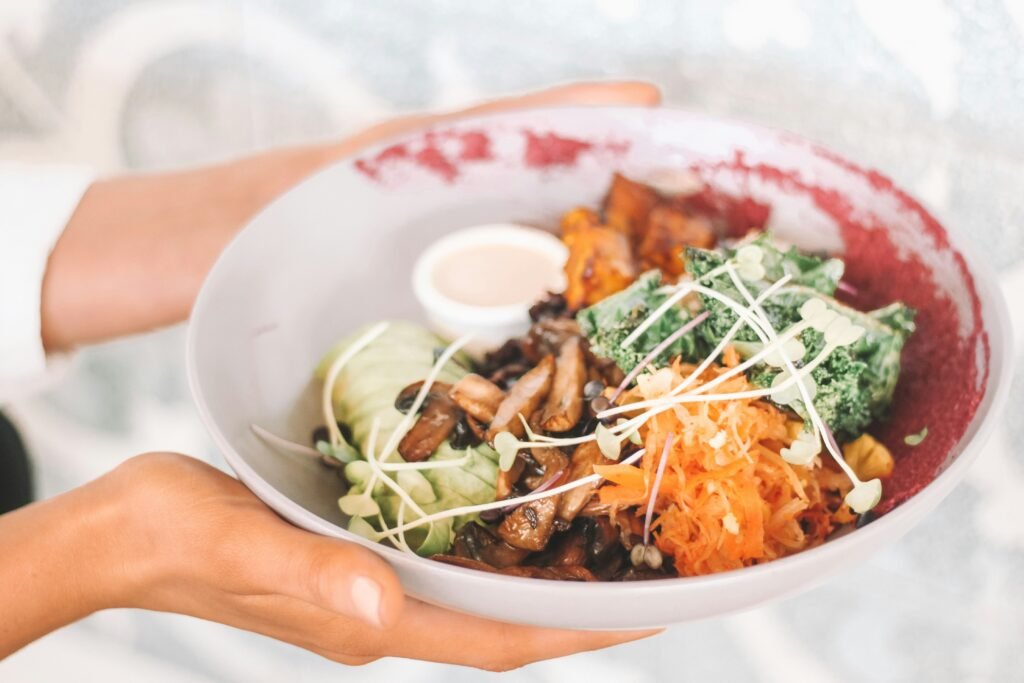
Eating for a happy gut doesn’t have to be complicated. The good news is, you can easily support your gut health every day by including specific prebiotic and probiotic foods in your diet. Think of prebiotics as the food for your beneficial gut bacteria, and probiotics as the beneficial bacteria themselves. Together, they create a thriving internal environment that can positively impact everything from your digestion to your mood.
Why Your Gut Matters More Than You Think
Our gut, often called our “second brain,” is home to trillions of microorganisms. This intricate community, known as the gut microbiome, plays a crucial role in nutrient absorption, vitamin production, and even immune system function. When this delicate balance is disrupted, you might experience issues like bloating, indigestion, or even feel a bit sluggish. The simple act of eating the right foods can be a powerful tool to keep things running smoothly.
Prebiotics aren’t live organisms themselves, but rather specific types of dietary fiber that pass undigested through your small intestine and ferment in your large intestine. This fermentation process is where the magic happens, nourishing the beneficial bacteria already residing there. Think of them as the fertilizer for your internal garden.
Key Prebiotic Food Sources
Getting enough prebiotics doesn’t require exotic ingredients. Many common and delicious foods are packed with them.
Garlic and Onions
These culinary staples are more than just flavor enhancers. They contain fructans, a type of prebiotic fiber, which can help stimulate the growth of bifidobacteria in your gut.
- How to enjoy: Add to stir-fries, soups, sauces, or roasted vegetables. Raw garlic in dressings can also be beneficial.
Leeks and Asparagus
Similar to garlic and onions, leeks and asparagus are excellent sources of inulin, another potent prebiotic.
- How to enjoy: Sautéed, roasted, grilled, or added to quiches and frittatas.
Bananas (slightly green)
While ripe bananas are delicious, slightly under-ripe or green bananas contain resistant starch, which acts as a prebiotic. As bananas ripen, this resistant starch converts to simple sugars.
- How to enjoy: Blend into smoothies or slice into oatmeal.
Oats
A breakfast powerhouse, oats contain beta-glucan fiber, which is a fantastic prebiotic.
- How to enjoy: Oatmeal, overnight oats, or incorporated into baked goods.
Apples
Apples, especially with the skin on, are a good source of pectin, a soluble fiber that acts as a prebiotic.
- How to enjoy: Eat whole, sliced with nut butter, or added to salads.
Chicory Root
While not typically eaten whole, chicory root is often used to make a coffee substitute and is a concentrated source of inulin. You’ll often see inulin listed as an ingredient in fiber supplements or fortified foods.
- How to enjoy: You might find chicory root powder to add to smoothies, or look for coffee alternatives.
Dandelion Greens
These leafy greens are not just for foraging; they’re packed with prebiotics.
- How to enjoy: Add to salads, sauté with garlic, or blend into green smoothies.
Artichokes
Both Jerusalem artichokes (sunchokes) and globe artichokes are excellent sources of inulin.
- How to enjoy: Roasted, steamed, or added to salads.
Understanding Probiotics: Introducing Beneficial Bacteria
Probiotics are live microorganisms, primarily bacteria and yeasts, that provide health benefits when consumed in adequate amounts. Think of them as adding beneficial new residents to your gut microbiome. These helpful microbes can help break down food, produce vitamins, and even compete with less desirable bacteria.
Key Probiotic Food Sources
Many traditionally fermented foods are naturally rich in probiotics. The fermentation process itself creates these beneficial microorganisms.
Yogurt
One of the most well-known probiotic foods, yogurt contains live active cultures. Look for labels that specifically state “live and active cultures” to ensure you’re getting the beneficial bacteria.
- How to enjoy: Plain yogurt with fruit, granola, or as a base for dips and sauces. Avoid yogurts high in added sugars, as sugar can counteract some of the benefits.
Kefir
This fermented milk drink is like a thinner, tangier version of yogurt and typically contains an even wider variety of probiotic strains than yogurt.
- How to enjoy: Drink plain, blend into smoothies, or use as a base for salad dressings.
Sauerkraut
Fermented cabbage, sauerkraut is a potent source of probiotics. Make sure to choose unpasteurized versions, as pasteurization kills the beneficial bacteria.
- How to enjoy: As a side dish, topping for hot dogs or sandwiches, or mixed into salads.
Kimchi
A Korean staple, kimchi is a spicy fermented cabbage dish, often including other vegetables like radish and spring onions. It’s teeming with probiotics and flavor.
- How to enjoy: As a side dish, mixed into stir-fries, or added to rice bowls.
Tempeh
A fermented soybean product, tempeh is a great source of protein and beneficial bacteria. Its firm texture makes it a versatile meat alternative.
- How to enjoy: Marinated and grilled, crumbled into sauces, or stir-fried.
Miso
A fermented soybean paste, miso is a cornerstone of Japanese cuisine. It’s rich in probiotics and adds a savory depth to dishes.
- How to enjoy: As a base for miso soup, marinades, or salad dressings.
Pickles (fermented)
Not all pickles are created equal. For probiotic benefits, look for traditionally fermented pickles, usually found in the refrigerated section, made with brine and without vinegar.
- How to enjoy: As a snack, alongside sandwiches, or chopped into salads.
Kombucha
This fizzy, fermented tea drink has gained popularity and contains a variety of probiotic bacteria and yeasts.
- How to enjoy: As a refreshing beverage on its own. Be mindful of sugar content in some commercial varieties.
Combining Prebiotics and Probiotics: The Synbiotic Approach

When you consume both prebiotics and probiotics together, you’re practicing a “synbiotic” approach. This is often more effective than consuming them separately, as the prebiotics provide the perfect fuel for the probiotics to thrive and multiply. Think of it as planting a garden and then fertilizing it at the same time.
Easy Synbiotic Pairings for Every Day
You don’t need a fancy meal plan to incorporate synbiotics. Many common food combinations naturally provide both.
Oatmeal with Berries and Kefir
The oats provide prebiotic fiber, and the kefir delivers a powerful probiotic punch. Berries add additional fiber and antioxidants.
- How to make it: Cook your oats, top with fresh berries, and drizzle with a generous serving of plain kefir.
Banana Smoothie with Spinach and Yogurt
The slightly green banana offers resistant starch, while spinach adds extra fiber. The yogurt contributes beneficial bacteria.
- How to make it: Blend a slightly green banana, a handful of spinach, a cup of plain yogurt, and a splash of water or milk until smooth.
Salad with Kimchi and Roasted Asparagus
The kimchi is a probiotic powerhouse, and the asparagus provides prebiotic inulin. The combination adds a fantastic flavor and texture.
- How to make it: Toss your favorite salad greens with roasted asparagus spears, a spoonful of kimchi, and a light dressing.
Hummus and Veggie Sticks (Carrots, Celery, Bell Peppers)
While chickpeas (the main ingredient in hummus) contain some prebiotic fiber, the real synbiotic star here is the combination with a variety of raw vegetables that offer different types of fiber for your gut bugs.
- How to make it: Simply enjoy a generous serving of hummus with a colorful array of fresh veggie sticks.
Tempeh Stir-fry with Onions and Garlic
Tempeh provides probiotics, and the onions and garlic are excellent sources of prebiotics.
- How to make it: Sauté sliced tempeh with plenty of onions, garlic, and your favorite vegetables in a light sauce.
Practical Tips for Daily Gut Health

Making gut-friendly eating a regular habit is easier than you think. Small, consistent changes often have the biggest impact.
Start Small and Be Consistent
Don’t overhaul your diet overnight. Introduce one or two new prebiotic or probiotic foods each week. Consistency is key. Even a small daily dose can make a difference over time.
Integrate into existing meals
Instead of creating entirely new dishes, think about how you can add these foods to what you already eat.
- Add a tablespoon of sauerkraut to your sandwich.
- Stir some miso paste into your soup.
- Sprinkle oats into your smoothie.
Read Food Labels Carefully
Especially for probiotic foods, always check for “live and active cultures.” For prebiotics, look for fiber content. Be wary of hidden sugars and artificial ingredients that can negatively impact gut health.
Choose plain varieties
Many yogurts and kefirs are loaded with added sugars, which can feed undesirable gut bacteria. Opt for plain versions and sweeten them naturally with fruit.
Hydrate, Hydrate, Hydrate
Water is crucial for digestive health. It helps fiber move through your system and keeps things flowing smoothly. Aim for at least 8 glasses a day.
Make water interesting
If plain water is boring, try adding slices of cucumber, lemon, or mint for a refreshing twist.
Listen to Your Body
Everyone’s gut microbiome is unique. What works wonderfully for one person might cause discomfort for another. Pay attention to how different foods make you feel.
Journal your intake
If you’re unsure about how certain foods affect you, try keeping a simple food journal for a week or two. Note what you eat and any digestive symptoms you experience.
Don’t Forget About Fiber Variety
While prebiotics are a specific type of fiber, consuming a wide range of plant-based foods ensures you’re getting diverse types of fiber, which is important for a healthy and diverse gut microbiome.
Eat the rainbow
Aim for a colorful plate with a variety of fruits, vegetables, legumes, and whole grains. Each color often indicates different beneficial compounds and fibers.
Beyond Food: Lifestyle Factors for a Healthy Gut
| Food | Prebiotic or Probiotic | Benefits |
|---|---|---|
| Yogurt | Probiotic | Improves digestion and boosts immune system |
| Kefir | Probiotic | Supports gut health and may reduce risk of certain diseases |
| Bananas | Prebiotic | Supports healthy gut bacteria and improves digestion |
| Garlic | Prebiotic | Supports the growth of beneficial bacteria in the gut |
While diet is a huge piece of the puzzle, other lifestyle choices significantly impact your gut health. Ignoring these can make even the best diet less effective.
Manage Stress Effectively
Chronic stress can negatively alter your gut microbiome and impact digestion. The gut-brain axis is a two-way street.
- Practical stress-busters: Incorporate daily mindfulness, meditation, deep breathing exercises, or gentle yoga into your routine. Even a 10-minute walk can help.
Prioritize Quality Sleep
Lack of sleep can throw off your gut bacteria balance. Aim for 7-9 hours of quality sleep per night.
- Improve sleep hygiene: Create a consistent sleep schedule, make your bedroom dark and cool, and limit screen time before bed.
Get Regular Physical Activity
Exercise can increase the diversity of your gut microbiome and improve gut transit time. You don’t need to be a marathon runner; even moderate activity helps.
- Find enjoyable movement: Walk, cycle, swim, dance – whatever gets your body moving consistently.
Limit Antibiotic Use (When Possible)
Antibiotics, while sometimes necessary and life-saving, can wipe out beneficial gut bacteria along with the bad. If you must take them, focus on replenishing your gut afterward with probiotic-rich foods and supplements.
Discuss with your doctor
Always follow your doctor’s advice regarding antibiotics, but be aware of their impact and proactively support your gut during and after treatment.
Avoid Processed Foods and Excessive Sugar
These foods often lack beneficial fiber and can feed less desirable gut bacteria, contributing to inflammation and imbalance.
- Focus on whole, unprocessed foods: Prioritize foods in their natural state over packaged, factory-made items.
By focusing on real, whole foods, paying attention to food labels, and incorporating a few simple lifestyle tweaks, you can easily support a thriving gut microbiome every single day. It’s not about perfection, but about making consistent, positive choices that build up over time. Your gut, and your overall well-being, will thank you for it.
FAQs
What are prebiotic foods?
Prebiotic foods are high-fiber foods that act as fuel for the beneficial bacteria in the gut. They include foods like bananas, onions, garlic, and whole grains.
What are probiotic foods?
Probiotic foods contain live beneficial bacteria that can help improve the balance of the gut microbiota. Examples include yogurt, kefir, sauerkraut, and kimchi.
How do prebiotic and probiotic foods benefit gut health?
Prebiotic foods help promote the growth of beneficial bacteria in the gut, while probiotic foods introduce live beneficial bacteria into the gut. Together, they can help improve digestion, boost the immune system, and support overall gut health.
What are some examples of prebiotic and probiotic foods that can be eaten every day?
Some examples of prebiotic foods that can be eaten every day include bananas, onions, garlic, and whole grains. Probiotic foods that can be consumed daily include yogurt, kefir, and fermented vegetables like sauerkraut and kimchi.
Are there any potential side effects of consuming prebiotic and probiotic foods?
While prebiotic and probiotic foods are generally safe for most people, some individuals may experience mild digestive discomfort when first introducing these foods into their diet. It’s always best to start with small amounts and gradually increase consumption to allow the gut to adjust. If you have any concerns or underlying health conditions, it’s recommended to consult with a healthcare professional before making significant changes to your diet.