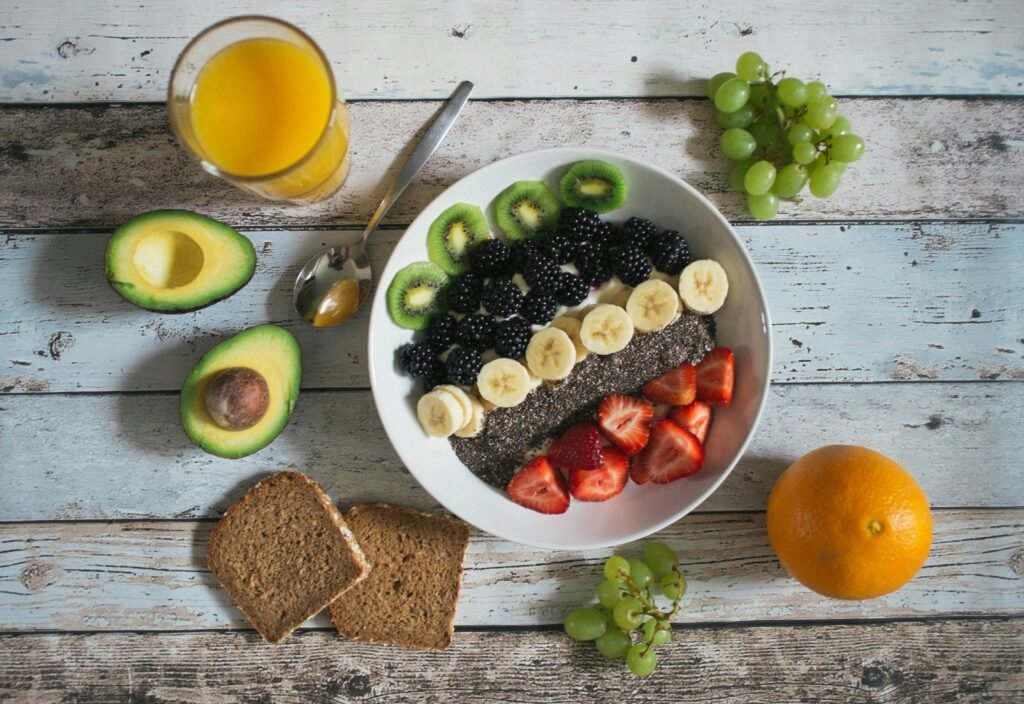
We all know that feeling – the rumbling stomach between meals, the urge to grab something quick. And too often, that “something quick” ends up being less-than-ideal for our health. But healthy snacking doesn’t have to be complicated or time-consuming. The key is focusing on whole foods that are naturally packed with essential vitamins, giving your body the fuel it needs without all the extra junk. This article will guide you through simple, delicious whole-food snack ideas that will keep you energized and nourished.
Snacking often gets a bad rap, associated with empty calories and weight gain. But smart, whole-food snacking is actually a powerful tool for maintaining energy levels, managing hunger, and ensuring you get a broader spectrum of nutrients throughout your day.
Beyond Just Filling Up
Think of snacks as mini-meals. They bridge the gap between main meals, preventing you from becoming ravenously hungry, which can lead to overeating at your next meal. More importantly, they offer an opportunity to pack in more vitamins and minerals that you might miss in your main meals. This is particularly crucial for those with busy schedules or specific dietary needs.
Stabilizing Blood Sugar
Choosing whole foods, especially those rich in fiber and protein, helps to stabilize blood sugar levels. This prevents those energy crashes and subsequent cravings for sugary treats. When your blood sugar is stable, you feel more focused, less irritable, and generally more in control of your appetite.
Boosting Nutrient Intake
Many people struggle to meet their daily recommended intake of certain vitamins and minerals. Snacks are a perfect way to sneak in extra servings of fruits, vegetables, nuts, and seeds, all of which are nutritional powerhouses.
Fruit: Nature’s Sweetest Vitamin Packs
Fruits are an obvious choice for healthy snacking, and for good reason. They’re naturally sweet, hydrating, and bursting with vitamins, antioxidants, and fiber. The key is to choose whole, unprocessed fruits rather than juices or dried fruits with added sugars.
Apples and Peanut Butter
A classic for a reason. Apples provide fiber, vitamin C, and a satisfying crunch. Pair them with a tablespoon or two of natural peanut butter (check the label for no added sugar or hydrogenated oils) for a dose of healthy fats and protein, which helps to slow sugar absorption and keep you full longer.
- Vitamins: Vitamin C (apple), Vitamin E, B vitamins (peanut butter)
- Minerals: Potassium (apple), Magnesium, Phosphorus (peanut butter)
- Tip: Try slicing your apple thinly for easier dipping. Almond butter or cashew butter are also great alternatives.
Berries (Fresh or Frozen)
Strawberries, blueberries, raspberries, and blackberries are nutritional superstars. They’re low in calories, high in fiber, and packed with antioxidants that combat cellular damage. They also contain a good amount of vitamin C and various other phytonutrients.
- Vitamins: Vitamin C, Vitamin K (blueberries, raspberries), Folate
- Minerals: Manganese (blueberries, raspberries), Potassium
- Tip: Keep a bag of frozen mixed berries on hand. They’re perfect for a quick snack, either thawed slightly or eaten still frozen for a refreshing treat. They can also be added to plain yogurt.
Bananas
A convenient and portable source of energy, bananas are rich in potassium, a vital electrolyte for nerve and muscle function. They also provide vitamin B6, which is important for brain health and metabolism, and a good amount of fiber.
- Vitamins: Vitamin B6, Vitamin C
- Minerals: Potassium, Manganese
- Tip: Slice a banana and sprinkle with a pinch of cinnamon for an extra flavor boost and potential blood sugar benefits. You can also pair it with a small handful of walnuts for added protein and healthy fats.
Oranges or Clementines
These citrus delights are synonymous with vitamin C, a powerful antioxidant essential for immune function and skin health. They’re also hydrating and provide a good amount of fiber.
- Vitamins: Vitamin C, Folate
- Minerals: Potassium
- Tip: Keep a bowl of clementines on your desk for easy peeling and a quick vitamin C boost.
Vegetables: Crunchy Goodness and Essential Nutrients

Don’t underestimate the power of raw vegetables for snacking. They’re incredibly low in calories, high in fiber, and offer a unique array of vitamins and minerals. Plus, the crunch can be incredibly satisfying.
Carrot Sticks and Hummus
A classic healthy snack combo. Carrots are famously rich in beta-carotene, which the body converts to vitamin A, crucial for vision, immune function, and skin health. Hummus, made from chickpeas, provides protein, fiber, and healthy fats.
- Vitamins: Vitamin A (carrots), Folate, Vitamin K (hummus)
- Minerals: Potassium, Manganese (carrots), Iron, Magnesium (hummus)
- Tip: Look for hummus made with minimal ingredients and good quality tahini. You can also make your own hummus at home for ultimate control over ingredients.
Cucumber Slices with Everything Bagel Seasoning
Cucumbers are mostly water, making them incredibly hydrating and refreshing. While not packed with the same high levels of certain vitamins as other vegetables, they do offer vitamin K and some trace minerals. The “everything bagel” seasoning adds a burst of savory flavor without extra calories.
- Vitamins: Vitamin K
- Minerals: Potassium, Molybdenum
- Tip: For an extra kick, add a squeeze of lemon juice or a sprinkle of chili flakes. This works well with other mild veggies too, like bell peppers.
Bell Pepper Strips
Bell peppers come in a variety of colors, and each color offers slightly different nutritional benefits. All colors are excellent sources of vitamin C, even more so than oranges! Red and yellow peppers are particularly high in antioxidants. They’re also a good source of vitamin B6 and folate.
- Vitamins: Vitamin C, Vitamin B6, Folate
- Minerals: Potassium
- Tip: Dip bell pepper strips in guacamole for healthy fats and extra flavor, or in a light vinaigrette.
Cherry Tomatoes
These little bursts of flavor are rich in lycopene, a powerful antioxidant linked to heart health and cancer prevention. They also provide vitamin C and vitamin K.
- Vitamins: Vitamin C, Vitamin K, Vitamin A (beta-carotene)
- Minerals: Potassium
- Tip: Enjoy them on their own, or sprinkle with a little fresh basil and a drizzle of balsamic vinegar for a mini caprese.
Nuts and Seeds: Small but Mighty Powerhouses

Nuts and seeds are nutrient-dense, offering healthy fats, protein, fiber, and a wide array of vitamins and minerals. They are satisfying and can help keep hunger at bay. Portion control is key here, as they are calorie-dense.
Almonds
Almonds are an excellent source of vitamin E, a potent antioxidant that protects cells from damage. They also provide magnesium, which is important for muscle and nerve function, and calcium for bone health, along with healthy monounsaturated fats and protein.
- Vitamins: Vitamin E, B vitamins (especially Riboflavin)
- Minerals: Magnesium, Manganese, Calcium, Copper
- Tip: Buy raw or dry-roasted almonds with no added salt or oils. A small handful (about 1/4 cup) is a good portion.
Walnuts
Walnuts are unique among nuts for their high content of omega-3 fatty acids (alpha-linolenic acid or ALA), which are beneficial for heart health and brain function. They also provide antioxidants and magnesium.
- Vitamins: B vitamins (especially B6 and Folate), Vitamin E
- Minerals: Manganese, Copper, Magnesium, Phosphorus
- Tip: Pair a small handful of walnuts with an apple slice for a balanced snack.
Pumpkin Seeds (Pepitas)
These often-overlooked seeds are a nutritional treasure. They’re packed with magnesium, zinc (crucial for immune function), iron, and healthy fats. They also contain antioxidants.
- Vitamins: Vitamin K, B vitamins (especially Folate)
- Minerals: Magnesium, Zinc, Iron, Manganese, Copper
- Tip: Roast them yourself with a pinch of sea salt for a fresh, crispy snack. Sprinkle them over salads or plain yogurt.
Chia Seeds
| Snack | Calories | Protein (g) | Fiber (g) | Vitamin C (%) |
|---|---|---|---|---|
| Apple slices with almond butter | 150 | 3 | 4 | 8% |
| Carrot sticks with hummus | 100 | 2 | 3 | 6% |
| Greek yogurt with berries | 120 | 8 | 2 | 15% |
| Trail mix (nuts and dried fruits) | 200 | 5 | 6 | 4% |
While you wouldn’t snack on a handful of dry chia seeds, they are incredibly versatile for healthy snack recipes. They’re an outstanding source of fiber, omega-3 fatty acids, and calcium.
- Vitamins: Vitamin K, B vitamins (Thiamine, Niacin)
- Minerals: Calcium, Manganese, Magnesium, Phosphorus
- Tip: Make a simple chia seed pudding by mixing 2 tablespoons of chia seeds with 1/2 cup of unsweetened almond milk (or other milk), a dash of vanilla, and a few berries. Let it sit in the fridge for an hour or overnight.
Dairy and Protein: Sustained Energy and Building Blocks
Adding a source of protein to your snack helps to increase satiety and stabilize blood sugar even further. Dairy products can be a great source of protein, calcium, and often beneficial probiotics.
Greek Yogurt
Unlike regular yogurt, Greek yogurt is strained, resulting in a thicker consistency and a much higher protein content. It’s also an excellent source of calcium and often contains beneficial probiotics for gut health. Choose plain, unsweetened varieties to avoid added sugars.
- Vitamins: Vitamin B12, Riboflavin, Vitamin D (if fortified)
- Minerals: Calcium, Phosphorus, Potassium
- Tip: Top plain Greek yogurt with a handful of berries and a sprinkle of nuts or seeds for a complete and satisfying snack.
Cottage Cheese
Another protein powerhouse, cottage cheese is a versatile and often overlooked snack. It’s rich in casein protein, which digests slowly, providing a sustained release of amino acids. It also offers calcium, phosphorus, and vitamin B12.
- Vitamins: Vitamin B12, Riboflavin
- Minerals: Calcium, Phosphorus, Selenium
- Tip: Pair cottage cheese with sliced tomatoes, black pepper, and a dash of hot sauce, or with fruit like pineapple or peaches for a sweet and savory option.
Hard-Boiled Eggs
Eggs are a complete protein source, meaning they contain all nine essential amino acids. They’re also packed with vitamins and minerals, including vitamin D, vitamin B12, choline (important for brain health), and selenium. Plus, they’re incredibly portable and easy to prepare in advance.
- Vitamins: Vitamin D, Vitamin B12, Riboflavin, Folate, Choline
- Minerals: Selenium, Iron, Phosphorus, Zinc
- Tip: Boil a batch of eggs at the beginning of the week and keep them in the fridge for quick snacks. A sprinkle of “everything bagel” seasoning or a pinch of salt and pepper is all you need.
Edamame
These vibrant green soybeans are a fantastic plant-based source of complete protein and fiber. They also provide folate, vitamin K, and various minerals like magnesium and manganese. They make for a fun, interactive snack.
- Vitamins: Vitamin K, Folate, Vitamin C
- Minerals: Magnesium, Manganese, Iron, Phosphorus
- Tip: Buy frozen shelled or in-pod edamame. Steam or microwave until heated through, then sprinkle with a pinch of sea salt.
Planning for Success: Making Healthy Snacking Easy
Even with the best intentions, if healthy snacks aren’t readily available, it’s easy to reach for less nutritious options. A little bit of planning goes a long way.
Prep Ahead
Dedicate a small amount of time each week to prepare your snacks. This might mean washing and chopping vegetables, portioning out nuts, or boiling a batch of eggs. When hunger strikes, you’ll have healthy options ready to grab.
- Wash and chop: Carrots, celery, bell peppers, cucumbers. Store them in airtight containers.
- Pre-portion: Nuts and seeds into small baggies or containers.
- Cook in bulk: Hard-boiled eggs, edamame.
Keep it Visible and Accessible
Store your healthy snacks in an easy-to-see and easy-to-reach spot in your fridge or pantry. If they’re front and center, you’re more likely to grab them than digging through the back of the fridge for something else.
Mix and Match
Don’t be afraid to combine elements from different categories. For example, plain Greek yogurt with berries and a sprinkle of pumpkin seeds is a fantastic, nutrient-dense snack. Apple slices with a small piece of cheese offer both fiber, protein, and calcium.
By integrating these quick, whole-food bites into your daily routine, you’ll find it easier to meet your nutritional needs, maintain energy levels, and generally feel better. Healthy snacking isn’t about deprivation; it’s about smart, conscious choices that fuel your body efficiently.
FAQs
What are whole-food snacks?
Whole-food snacks are snacks made from minimally processed, real, and natural ingredients such as fruits, vegetables, nuts, seeds, and whole grains. These snacks are rich in essential nutrients and free from added sugars, artificial flavors, and preservatives.
Why are whole-food snacks considered healthy?
Whole-food snacks are considered healthy because they are packed with essential vitamins, minerals, fiber, and antioxidants. They provide sustained energy, support overall health, and help maintain a healthy weight when consumed as part of a balanced diet.
What are some examples of quick whole-food bites?
Quick whole-food bites include options such as apple slices with almond butter, carrot sticks with hummus, Greek yogurt with berries, mixed nuts and seeds, and whole-grain crackers with avocado. These snacks are convenient, nutritious, and satisfying.
How can whole-food snacks help with vitamin intake?
Whole-food snacks can help with vitamin intake by providing a natural source of vitamins such as vitamin C, vitamin A, vitamin K, and various B vitamins. Consuming a variety of whole-food snacks can contribute to meeting daily vitamin requirements.
What are the benefits of incorporating whole-food snacks into a daily diet?
Incorporating whole-food snacks into a daily diet can help improve overall nutrition, support weight management, reduce the risk of chronic diseases, and promote better digestion. These snacks can also help curb cravings and provide a steady source of energy throughout the day.