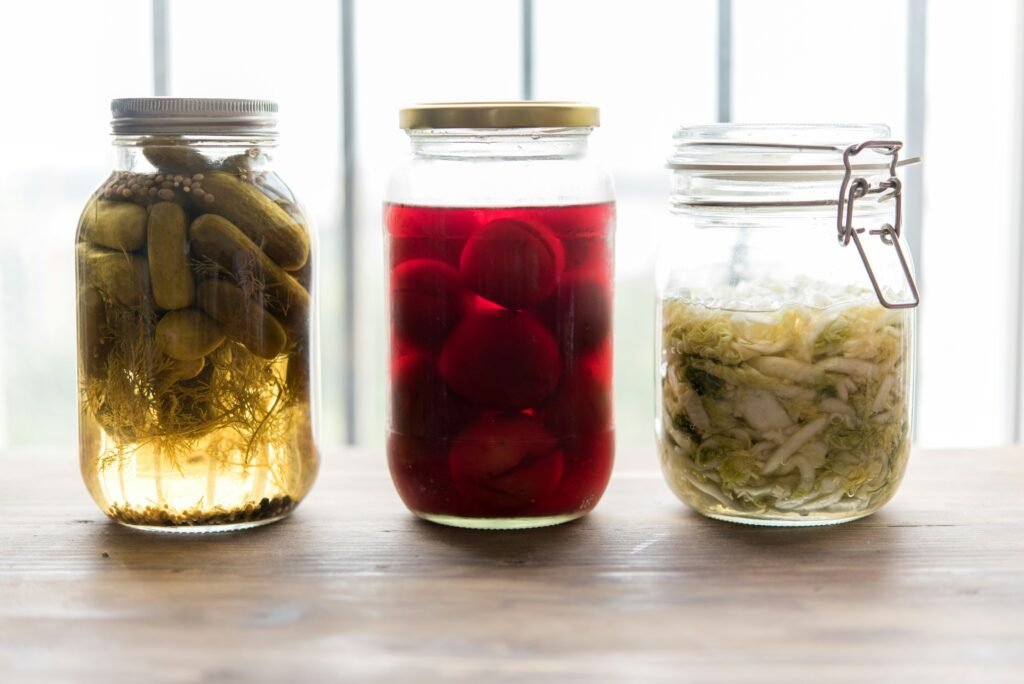
Let’s dive right into the power of fermented foods. Simply put, fermented foods are a fantastic, natural way to boost the diversity of microbes in your gut. They introduce beneficial bacteria and yeasts, helping to create a more balanced and robust internal ecosystem, which can have all sorts of positive ripple effects on your health.
Think of your gut as a bustling city. The more different types of people (microbes) living and working there, the more resilient and functional the city becomes. A diverse microbiome is a healthy microbiome, and it’s linked to everything from better digestion to a stronger immune system.
Beyond Just “Good” Bacteria
It’s easy to fall into the trap of thinking about “good” and “bad” bacteria. While some microbes are definitely more beneficial than others, the real magic happens when you have a wide array of different species interacting. Each species has its own unique job, producing different compounds and consuming different nutrients. A rich variety ensures all bases are covered.
The Impact of Modern Life
Our modern lifestyles, unfortunately, often work against gut diversity. Processed foods, antibiotics, stress, and even common medications can deplete our microbial populations. Fermented foods offer a delicious and accessible way to counteract these effects and reintroduce some much-needed microbial variety.
The Fermentation Process: A Brief Overview
Fermentation is essentially a controlled decomposition. Microorganisms – bacteria, yeasts, or molds – break down carbohydrates (sugars) in food, transforming them into various acids, gases, and alcohols. This process not only preserves food but also enhances its nutritional profile and creates unique flavors.
An Ancient Practice
Humans have been fermenting food for thousands of years, long before we understood the science behind it. It was a crucial method for preservation before refrigeration and a way to make certain foods more digestible or palatable. Think about how many cultures have traditional fermented foods as staples – kimchi in Korea, sauerkraut in Germany, yogurt in the Middle East.
More Than Just Preservation
While preservation was the initial driver, we now know that fermentation adds incredible value beyond simply extending shelf life. The metabolic activity of these microbes can increase nutrient bioavailability, create new beneficial compounds, and, of course, populate our guts with diverse microscopic allies.
Key Benefits of Fermented Foods for Gut Health

Beyond just increasing diversity, incorporating fermented foods into your diet can bring a host of other tangible benefits for your gut and overall health.
Improved Digestion and Nutrient Absorption
Many fermented foods contain enzymes produced by the microbes that can predigest some of the complex carbohydrates in food. This can make them easier for our own digestive system to handle, potentially reducing bloating and discomfort.
Breaking Down Lactose
For individuals with lactose intolerance, certain fermented dairy products like yogurt and kefir can be a godsend. The bacteria in these products consume the lactose, making them much easier to digest than unfermented milk.
Enhanced Nutrient Bioavailability
The fermentation process can also increase the bioavailability of certain vitamins and minerals. For example, some fermented foods can boost levels of B vitamins and vitamin K2, and make iron more easily absorbed. The microbes themselves can also produce vitamins.
Strengthening the Immune System
A significant portion of our immune system resides in our gut. A healthy and diverse microbiome communicates with immune cells, helping them to distinguish between harmful invaders and benign substances.
A Stronger Gut Barrier
The gut lining acts as a crucial barrier, preventing unwanted substances from entering the bloodstream. A diverse and robust microbiome helps maintain the integrity of this barrier, reducing inflammation and supporting overall immune function.
Modulating Immune Responses
The short-chain fatty acids (SCFAs) produced by gut microbes, particularly butyrate, acetate, and propionate, play a vital role in modulating immune responses, reducing inflammation throughout the body, and even influencing gene expression.
Supporting Mental Well-being
The “gut-brain axis” is a hot topic in research, highlighting the bidirectional communication between our gut and our brain. A healthy gut microbiome can positively influence mood and cognitive function.
Neurotransmitter Production
Many gut microbes are capable of producing neurotransmitters like serotonin and GABA, which play critical roles in mood regulation, anxiety, and stress. While these don’t directly cross the blood-brain barrier in large quantities, they can influence the enteric nervous system, which then communicates with the brain.
Reducing Inflammation and Stress
Chronic inflammation, often linked to an imbalanced gut, is also associated with mood disorders. By reducing inflammation and promoting a healthy gut environment, fermented foods can indirectly contribute to better mental health.
Getting Started with Fermented Foods: Practical Tips

You don’t need to overhaul your entire diet overnight. Starting small and gradually incorporating fermented foods is the best approach.
Start Small and Observe
Introduce one new fermented food at a time, perhaps a tablespoon or two, and see how your body reacts. Some people might experience mild digestive changes initially as their gut adjusts. This is usually temporary.
Listen to Your Body
Everyone’s microbiome is unique. What works wonderfully for one person might not be the best fit for another. Pay attention to how you feel after consuming different fermented foods.
Variety is Key
Just as you want a diverse gut microbiome, aim for diversity in your fermented food choices. Different ferments contain different strains of microbes, offering a broader spectrum of benefits.
Rotate Your Ferments
Don’t stick to just one type of yogurt. Try kimchi one week, sauerkraut the next, then some kefir. This helps ensure you’re getting exposure to a wider range of beneficial microorganisms.
Quality Over Quantity
Look for traditionally made, unpasteurized fermented foods. Pasteurization, while extending shelf life, kills off the beneficial live cultures that are the whole point of eating fermented foods for gut health.
Reading Labels Carefully
When buying fermented foods, check the ingredients. Avoid products with added sugars, artificial flavors, or excessive preservatives. Look for “live and active cultures” or similar phrasing. If it’s shelf-stable and not refrigerated, it’s likely been pasteurized.
Common Fermented Foods to Explore
| Metric | Value |
|---|---|
| Number of Fermented Foods | Over 5000 |
| Types of Microbes in Fermented Foods | Over 100 |
| Impact on Gut Microbiome | Improves diversity |
| Health Benefits | Improved digestion, immune system support |
There’s a vast world of fermented foods out there. Here are some popular and accessible options to get you started.
Dairy-Based Ferments
These are often a great entry point due to their familiarity and mild flavors.
Yogurt
Traditional, plain, unsweetened yogurt with live active cultures is a classic. Look for varieties with multiple strains of bacteria.
Kefir
A fermented milk drink with a slightly tangy, fizzy taste, kefir typically contains a wider range of beneficial bacteria and yeasts than yogurt. It can be made from cow, goat, or sheep’s milk, or even water.
Vegetable Ferments
These are fantastic for those who prefer dairy-free options or want to expand their microbial horizons.
Sauerkraut
Fermented cabbage, rich in lactobacillus bacteria, known for its digestive benefits. Look for raw, unpasteurized versions in the refrigerated section.
Kimchi
A spicy Korean fermented cabbage dish, often including other vegetables like radish and seasonings. It offers a more complex flavor profile and diverse microbial community.
Pickles (Lacto-Fermented)
Not all pickles are created equal! Look for “lacto-fermented” pickles, often found in the refrigerated section, made with just cucumbers, water, salt, and spices. Vinegar pickles, while tasty, don’t offer the same probiotic benefits.
Other Interesting Ferments
Don’t limit yourself to just dairy and vegetables; there’s a whole world of unique fermented foods to discover.
Kombucha
A fermented tea drink, slightly effervescent and tangy, made with a SCOBY (Symbiotic Culture Of Bacteria and Yeast). It can be a refreshing alternative to sugary drinks.
Tempeh
A fermented soybean cake, originating from Indonesia. It has a firm texture and nutty flavor, making it a great source of plant-based protein and probiotics.
Miso
A savory Japanese seasoning made from fermented soybeans, often with rice or barley. It’s a key ingredient in miso soup and adds umami flavor to many dishes.
Making Your Own Ferments at Home
Making your own fermented foods can be a rewarding and cost-effective way to ensure quality and control ingredients. It’s often simpler than you think!
The Basics of Home Fermentation
You typically need a few basic ingredients: the food itself, salt (for most vegetable ferments), water, and a jar. The microbes are often naturally present on the food or introduced from a starter culture.
Simple Sauerkraut
Finely shred cabbage, massage it with salt, pack it tightly into a jar, and let it ferment at room temperature for a week or two. It’s surprisingly easy!
Water Kefir or Dairy Kefir
With a starter culture (kefir grains), you can continuously make fresh kefir at home with just sugar water or milk.
Benefits of DIY
Beyond cost savings, making your own ferments gives you control over the ingredients, allowing you to avoid additives and customize flavors. It also connects you more deeply with your food.
Safety First
While fermentation is generally safe, ensure you follow reliable recipes and maintain good hygiene to prevent unwanted microbial growth. When in doubt, trust your senses: if it smells or looks off, it’s best to discard it.
The Long-Term View
Incorporating fermented foods is not a quick fix but a long-term strategy for fostering a healthier gut microbiome. Consistency is more important than intensity.
A Sustainable Approach
Instead of thinking of them as a “medicine,” integrate fermented foods into your daily diet as a regular, enjoyable part of your meals. A spoonful of sauerkraut with dinner, a glass of kefir for breakfast, or a kombucha with lunch can make a big difference over time.
Beyond Fermented Foods
Remember, fermented foods are a powerful tool, but they are just one piece of the puzzle. A diet rich in fiber (prebiotics), plenty of hydration, adequate sleep, and stress management all contribute to a thriving gut ecosystem. They work best in conjunction with an overall healthy lifestyle.
By consistently nourishing your gut with the diverse microbial bounty of fermented foods, you’re not just eating for flavor; you’re actively cultivating a healthier, more resilient internal landscape. It’s a natural, delicious, and empowering way to take charge of your well-being.
FAQs
What are fermented foods?
Fermented foods are foods that have been through a process of lactofermentation in which natural bacteria feed on the sugar and starch in the food, creating lactic acid. This process preserves the food, and creates beneficial enzymes, b-vitamins, Omega-3 fatty acids, and various strains of probiotics.
What are the benefits of consuming fermented foods?
Consuming fermented foods can help improve gut health, boost the immune system, aid in digestion, and increase the bioavailability of nutrients in the foods we eat. Fermented foods can also help to reduce inflammation and support overall health and well-being.
What are some examples of fermented foods?
Some examples of fermented foods include yogurt, kefir, sauerkraut, kimchi, miso, tempeh, kombucha, and pickles. These foods are rich in probiotics and can be easily incorporated into a balanced diet.
How do fermented foods improve microbe diversity naturally?
Fermented foods contain a variety of beneficial bacteria that can help to improve the diversity of microbes in the gut. By consuming these foods, we can introduce a wider range of beneficial bacteria into our digestive system, which can help to support overall gut health and microbiome diversity.
Are there any risks associated with consuming fermented foods?
While fermented foods are generally safe for consumption, individuals with compromised immune systems or certain health conditions should consult with a healthcare professional before consuming large amounts of fermented foods. Additionally, some people may experience mild digestive discomfort when first introducing fermented foods into their diet, but this typically subsides as the body adjusts.