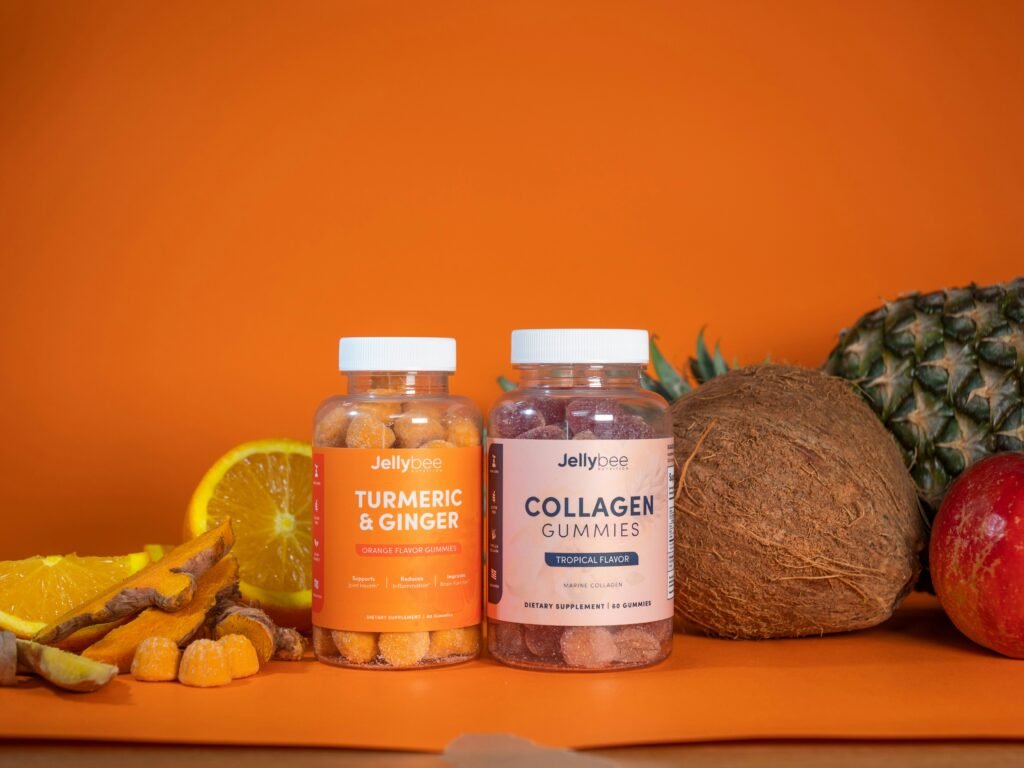
Feeling a bit rundown? Wondering if you’re getting all the good stuff your body needs? You’re not alone. The truth is, most of us can get all the essential vitamins we need straight from the foods we eat – no fancy pills required. It’s all about choosing whole, unprocessed foods. Think vibrant fruits, crisp veggies, hearty grains, and lean proteins. This guide will walk you through which vitamins are critical and, more importantly, where to find them naturally, making it easier to fuel your body the way nature intended.
Let’s be real, popping a multivitamin feels easy. But whole foods offer a much more comprehensive package. They come with a symphony of fiber, antioxidants, and other beneficial plant compounds (phytonutrients) that work together in ways supplements can’t replicate. This synergy often makes vitamins from food more absorbable and effective. Plus, who wants to swallow a pill when you can enjoy a delicious meal?
While there are certainly situations where supplements are necessary (like specific deficiencies, certain medical conditions, or dietary restrictions), for the average healthy person, focusing on a varied whole-food diet is the most reliable and enjoyable path to optimal vitamin intake.
The Power of Bioavailability
When you eat a carrot, your body doesn’t just get beta-carotene (which converts to Vitamin A). It also gets fiber, water, and a host of other beneficial compounds. These all play a role in how well your body absorbs and utilizes that beta-carotene. This is what we call bioavailability – how much of a nutrient actually gets into your system and is put to good use. Often, nutrients in their natural food matrices are simply better absorbed than isolated nutrients in a pill.
Beyond the Label: The Nutrient Matrix
A vitamin C tablet might give you a high dose of ascorbic acid. But an orange provides vitamin C alongside bioflavonoids, carotenoids, and other antioxidants that enhance its function and absorption. This “nutrient matrix” found in whole foods is incredibly complex and offers benefits that we’re still only beginning to fully understand. It’s not just about hitting a daily value; it’s about getting the full spectrum of nutritional goodness.
Your A-Z Guide to Essential Vitamins and Their Food Sources
Let’s dive into the specifics. Here’s a breakdown of key vitamins, what they do for you, and where you can find them in your grocery cart.
Vitamin A: Vision, Immunity, and More
Vitamin A is a big deal for healthy vision, especially in low light. It also plays a crucial role in immune function, cell growth, and maintaining healthy skin and mucous membranes. There are two main forms: preformed Vitamin A (retinoids) found in animal products, and provitamin A carotenoids (like beta-carotene) found in plants, which your body converts to Vitamin A.
Where to Find Vitamin A:
- Retinoids (Animal Sources):
- Liver: This is a powerhouse of Vitamin A. Beef, chicken, and fish liver are all excellent sources.
- Egg Yolks: A good moderate source.
- Dairy Products: Milk, cheese, and butter (especially grass-fed) often contain Vitamin A, particularly if fortified.
- Fatty Fish: Salmon, mackerel, and tuna have some Vitamin A.
- Carotenoids (Plant Sources):
- Orange and Yellow Vegetables: Carrots, sweet potatoes, pumpkin, butternut squash. The deeper the color, the more beta-carotene!
- Dark Leafy Greens: Spinach, kale, collard greens, Swiss chard. Don’t let the green color fool you; the beta-carotene is there, often masked by chlorophyll.
- Brightly Colored Fruits: Cantaloupe, mangoes, apricots.
B Vitamins: The Energy and Brain Boosters
The B vitamin complex is a group of eight water-soluble vitamins, each with its own unique role, but collectively they’re essential for energy production, nerve function, and red blood cell formation. They’re often found together in foods.
Where to Find B Vitamins:
- Vitamin B1 (Thiamine): Crucial for converting food into energy.
- Whole Grains: Brown rice, oats, whole wheat bread.
- Pork: A standout source.
- Legumes: Lentils, black beans, soybeans.
- Nuts and Seeds: Sunflower seeds, macadamia nuts.
- Vitamin B2 (Riboflavin): Important for energy production and cell growth.
- Dairy Products: Milk, yogurt, cheese.
- Eggs: Especially the yolks.
- Meat: Beef, chicken.
- Green Leafy Vegetables: Spinach, broccoli.
- Vitamin B3 (Niacin): Involved in over 200 enzyme reactions, including energy metabolism and DNA repair.
- Poultry: Chicken, turkey.
- Fish: Tuna, salmon.
- Beef: Lean cuts.
- Legumes: Peanuts, lentils.
- Mushrooms: Portobello, cremini.
- Vitamin B5 (Pantothenic Acid): Essential for hormone production and breaking down fats and carbohydrates.
- Avocados: A great source.
- Sweet Potatoes: Another good one.
- Mushrooms: Shiitake, crimini.
- Broccoli: Green and healthy.
- Whole Grains: Oats, whole wheat.
- Vitamin B6 (Pyridoxine): Key for brain development, nerve function, and producing neurotransmitters.
- Poultry: Chicken, turkey.
- Fish: Salmon, tuna.
- Potatoes: Regular and sweet potatoes.
- Bananas: A popular choice.
- Chickpeas: Versatile and nutritious.
- Vitamin B7 (Biotin): Often associated with hair, skin, and nail health, but also important for metabolism.
- Egg Yolks: A top source.
- Nuts: Almonds, walnuts.
- Legumes: Peanuts, soybeans.
- Sweet Potatoes: Another appearance!
- Vitamin B9 (Folate/Folic Acid): Crucial for cell growth, especially important during pregnancy to prevent birth defects.
- Dark Leafy Greens: Spinach, kale, collard greens (the name “folate” comes from the Latin word “folium” for leaf).
- Legumes: Lentils, black beans, chickpeas.
- Asparagus: A fantastic source.
- Avocados: Good for more than just B5.
- Citrus Fruits: Oranges, grapefruits.
- Vitamin B12 (Cobalamin): Essential for nerve function, red blood cell formation, and DNA synthesis. This is the one B vitamin not widely found in plants.
- Meat: Beef, lamb, pork.
- Poultry: Chicken, turkey.
- Fish: Salmon, tuna, cod.
- Eggs: Good source.
- Dairy Products: Milk, cheese, yogurt.
- Fortified Foods: Many plant-based milks, cereals, and nutritional yeast are fortified with B12, which is important for vegans and strict vegetarians.
Vitamin C: The Immune and Collagen Builder
Everyone knows Vitamin C for fighting off colds, but it’s much more than that. It’s a powerful antioxidant, crucial for collagen production (which means healthy skin, bones, and blood vessels), and helps with iron absorption. Your body can’t store it, so you need a regular intake.
Where to Find Vitamin C:
- Citrus Fruits: Oranges, grapefruits, lemons, limes.
- Berries: Strawberries, blueberries, raspberries, cranberries.
- Bell Peppers: Especially red and yellow ones, which are often even higher in C than oranges.
- Kiwi: Tiny but mighty.
- Broccoli: A green powerhouse.
- Tomatoes: Fresh or cooked.
- Potatoes: Another surprising source, especially with the skin.
Vitamin D: The Sunshine Vitamin for Bones and Mood
Often called the “sunshine vitamin” because our skin can produce it when exposed to sunlight, Vitamin D is vital for calcium absorption, bone health, and plays a role in immune function and mood regulation. Many people, especially in colder climates or those who spend a lot of time indoors, don’t get enough sun exposure for adequate D production.
Where to Find Vitamin D:
- Fatty Fish: Salmon, mackerel, tuna, sardines. These are among the best natural food sources.
- Fish Liver Oils: Cod liver oil is a potent source.
- Egg Yolks: A moderate amount.
- Mushrooms: Some mushrooms (especially those exposed to UV light) can produce Vitamin D. Look for “UV-treated” on the label.
- Fortified Foods: Milk, plant-based milks, orange juice, and cereals are often fortified with Vitamin D. This is a common way many people get theirs.
Vitamin E: The Antioxidant Protector
Vitamin E is a potent antioxidant that helps protect your cells from damage caused by free radicals. It’s also important for immune function and skin health.
Where to Find Vitamin E:
- Nuts: Almonds, hazelnuts, peanuts.
- Seeds: Sunflower seeds are an excellent source.
- Plant Oils: Wheat germ oil, sunflower oil, safflower oil, soybean oil.
- Avocados: Healthy fats and Vitamin E!
- Spinach and Broccoli: Leafy greens deliver again.
Vitamin K: The Coagulation and Bone Guardian
Vitamin K is essential for blood clotting (coagulation) and plays a critical role in bone health. There are two main forms: K1 (phylloquinone) found in plants, and K2 (menaquinone) found in animal products and fermented foods, and also produced by gut bacteria.
Where to Find Vitamin K:
- Vitamin K1 (Plant Sources):
- Dark Leafy Greens: Kale, spinach, collard greens, Swiss chard, turnip greens. These are by far the richest sources.
- Broccoli and Brussels Sprouts: Also good sources.
- Cabbage: Green and red cabbage.
- Vitamin K2 (Animal and Fermented Sources):
- Natto: A Japanese fermented soybean dish, incredibly rich in K2.
- Dairy Products: Certain cheeses (especially hard cheeses like Gouda and some fermented ones), full-fat dairy from grass-fed animals.
- Egg Yolks: Contains K2.
- Meat: Particularly liver and dark meat from poultry.
Practical Tips for Maximizing Vitamin Intake From Whole Foods

Knowing where the vitamins are is one thing; getting them into your diet consistently is another. Here are some actionable tips to make it easier and more enjoyable.
Embrace the Rainbow on Your Plate
This isn’t just a pretty saying; it’s a nutritional strategy. Different colors in fruits and vegetables often indicate different vitamins and phytonutrients. Aim for a wide variety of colors at each meal and throughout the week. Think red bell peppers, orange sweet potatoes, green spinach, purple berries, and yellow bananas.
Don’t Fear the Fat (Healthy Fats, That Is!)
Many crucial vitamins (A, D, E, K) are fat-soluble, meaning they need fat to be properly absorbed by your body. So, don’t skimp on healthy fats! Drizzle olive oil on your salad, add avocado to your smoothie, or enjoy a handful of nuts with your fruit. This isn’t about deep-frying; it’s about smart pairings.
Cook Smart, Not Hard
While some vitamins are robust, others are quite sensitive to heat and light. For example, Vitamin C can be degraded by high heat.
- Lightly Steam or Sauté: For many vegetables, steaming or quick sautéing can preserve more nutrients than boiling.
- Eat Raw Where Possible: Enjoy salads, fresh fruits, and raw veggies as snacks to maximize heat-sensitive vitamins.
- Don’t Overcook: Aim for “al dente” vegetables.
- Use Cooking Water: If you do boil vegetables, use the leftover nutrient-rich water in soups or sauces.
Prioritize Whole Grains Over Refined Grains
Refining grains (like turning whole wheat into white flour) strips away much of their fiber, B vitamins, and other minerals. Opt for whole grains like brown rice, quinoa, oats, and whole wheat bread whenever you can. Check labels to ensure “whole grain” is listed as the first ingredient.
Sneak Veggies Into Everything
This is a favorite trick. Add spinach to your smoothie, grate carrots into pasta sauce, finely chop mushrooms into ground meat, or toss extra veggies into omelets, stir-fries, and soups. The more, the merrier!
Plan Your Meals (Loosely!)
You don’t need a rigid schedule, but having a general idea of what you’ll eat helps ensure variety. Think about what vitamins you might be missing and plan a meal around those sources. For instance, if you haven’t had much Vitamin C, make sure your next snack is an orange or a handful of berries.
Embrace Legumes and Fermented Foods

Legumes (beans, lentils, peas) are powerhouses of B vitamins, fiber, and protein. Try to incorporate them several times a week. Fermented foods like yogurt, kefir, sauerkraut, and kimchi not only provide beneficial probiotics but can also boost B vitamin content and even Vitamin K2 in some cases.
When to Consider a Supplement (and Who to Ask)
| Vitamin | Source | Recommended Daily Intake |
|---|---|---|
| Vitamin A | Carrots, sweet potatoes, spinach | 900 mcg for men, 700 mcg for women |
| Vitamin C | Oranges, strawberries, bell peppers | 90 mg for men, 75 mg for women |
| Vitamin D | Fatty fish, fortified dairy products | 600 IU for adults |
| Vitamin E | Almonds, sunflower seeds, spinach | 15 mg for adults |
| Vitamin K | Kale, broccoli, brussels sprouts | 120 mcg for men, 90 mcg for women |
While this guide focuses on whole foods, it’s important to acknowledge that supplements have their place.
- Specific Dietary Restrictions: Vegans, for example, often need to supplement with B12 as it’s primarily found in animal products.
- Malabsorption Issues: Conditions like Celiac disease or Crohn’s can impair nutrient absorption.
- Pregnancy: Folic acid supplementation is widely recommended for pregnant women to prevent neural tube defects.
- Elderly Individuals: Absorption can decrease with age, and appetite might reduce, leading to nutrient gaps. Vitamin D is often recommended for older adults.
- Limited Sun Exposure: People in northern climates or those who are mostly indoors might need Vitamin D supplementation.
- Diagnosed Deficiencies: If a blood test reveals a specific vitamin deficiency, your doctor will likely recommend a targeted supplement.
Always talk to a healthcare professional (doctor or registered dietitian) before starting any new supplement. They can assess your individual needs, check for potential interactions with medications, and recommend appropriate dosages. More isn’t always better with supplements, and sometimes high doses can even be harmful.
Final Thoughts: It’s a Journey, Not a Race
Getting all your essential vitamins from whole foods isn’t about perfection; it’s about making conscious, consistent choices. Start small. Add an extra serving of vegetables to your dinner. Swap white bread for whole wheat. Grab a piece of fruit instead of a candy bar. Every small change adds up. Your body will thank you for it, with more energy, better immunity, and overall improved well-being. Eating real food is one of the most powerful and enjoyable ways to take care of yourself.
FAQs
What are essential vitamins?
Essential vitamins are organic compounds that are necessary for normal growth and development. They are required in small amounts and cannot be synthesized by the body, so they must be obtained from the diet.
What are whole foods?
Whole foods are foods that are minimally processed and are as close to their natural state as possible. This includes fruits, vegetables, whole grains, nuts, seeds, and lean proteins.
Which vitamins can be obtained from whole foods?
Whole foods provide a wide range of essential vitamins, including vitamin A, vitamin C, vitamin D, vitamin E, and various B vitamins such as B6, B12, and folate.
Why is it beneficial to get vitamins from whole foods?
Getting vitamins from whole foods ensures that you also benefit from the other nutrients and compounds present in the food, such as fiber, antioxidants, and phytochemicals. These can have additional health benefits beyond just the vitamins themselves.
What are some examples of whole foods that are rich in essential vitamins?
Examples of whole foods rich in essential vitamins include spinach and other leafy greens for vitamin A, citrus fruits for vitamin C, fatty fish for vitamin D, nuts and seeds for vitamin E, and whole grains for various B vitamins.