The Importance of Flossing for Oral Health
We are here today to discuss a fundamental, yet often overlooked, pillar of our collective oral well-being: flossing. While brushing diligently cleans the visible surfaces of our teeth, it’s the interdental spaces, the narrow canyons between our pearly gates, that often harbor the most unwelcome guests. Neglecting these areas is akin to meticulously cleaning the entryway of a house while letting a festering problem fester within its walls. This article aims to illuminate the critical role flossing plays in maintaining robust oral health, exploring its mechanics, benefits, common challenges, and its indispensable place within a comprehensive preventative strategy.
When we think about oral hygiene, brushing immediately springs to mind. It’s the familiar, rhythmic motion that combats plaque and food debris on the broad plains of our teeth. However, our mouths are intricate ecosystems, not just simple surfaces. Between each tooth, a microscopic battleground exists, where bacteria, the silent saboteurs of oral health, thrive. Brushing alone, for all its efficacy, cannot penetrate these tight confines. It’s like trying to clear a dense forest with a leaf blower; the larger areas are addressed, but the roots and undergrowth remain untouched.
The Architecture of the Mouth and the Limits of Brushing
Our teeth are not monolithic blocks. They are uniquely shaped, interlocked structures designed for efficient mastication. This design, while ingenious for its primary function, creates a natural consequence: interstitial spaces. These spaces vary in width and depth from person to person, influenced by factors such as tooth alignment, the presence of restorations like fillings or crowns, and even the shape of our gums.
- Surface Area vs. Interstitial Area: The cumulative surface area of our teeth that is accessible to a toothbrush is significant. However, the collective surface area of the interdental tooth surfaces, where plaque can accumulate undetected, is also substantial. Estimates suggest that the interdental surfaces can account for up to 40% of all tooth surfaces. This statistic alone underscores the inadequacy of relying solely on brushing.
- The Mechanics of Plaque Formation: Plaque is a sticky, colorless film of bacteria that constantly forms on our teeth. It’s not just inert debris; it’s a living, metabolically active community. These bacteria feed on sugars and starches we consume, producing acids as a byproduct. These acids are the primary agents of tooth decay (caries).
- Gingival Crevices: The Hidden Nooks: The space between the gum and the tooth, known as the gingival crevice, is another prime area for bacterial accumulation. While a toothbrush can somewhat disrupt the outer edges of this crevice, it rarely reaches deep enough to thoroughly remove plaque and food particles that become lodged there. This stagnation creates an ideal environment for anaerobic bacteria, which flourish in oxygen-deprived conditions and are particularly aggressive in their pursuit of gum tissue destruction.
The Role of Flossing: A Targeted Assault
Flossing is a mechanical cleaning process that utilizes a thin filament, typically made of nylon or PTFE (polytetrafluoroethylene), to physically remove plaque and food debris from the areas between teeth and just below the gum line. It is a direct intervention, a surgical strike against the encroaching microbial forces where brushing cannot reach.
- The String Theory of Oral Hygiene: Imagine a fine thread weaving its way through the tight spaces. This is the fundamental action of floss. As we gently slide it between teeth, it conforms to the tooth contours, scraping away the biofilm that has adhered there. It’s a precise tool, designed for a specific purpose, and its effectiveness is directly proportional to its proper application.
- Adapting to Irregulary: Unlike the somewhat rigid bristles of a toothbrush, floss is pliable and adaptable. It can navigate the subtle curves and angles of our teeth, even those that are slightly crooked or overlapped, ensuring that no significant area is left unaddressed. This adaptability makes it a universal solution for cleaning these challenging territories.
- Beyond the Visible: Reaching Below the Gum Line: Perhaps the most crucial aspect of flossing is its ability to clean the gingival margin and the initial portions of the gingival sulcus. This is where gingivitis, the initial stage of gum disease, begins. By dislodging plaque from these critical areas, flossing acts as a prophylactic measure against the progression of more serious periodontal problems.
Flossing is an essential part of oral hygiene that many people overlook, but its importance cannot be understated. For those interested in learning more about the benefits of flossing and how it can improve overall dental health, a related article can be found at this link. This resource provides valuable insights into effective flossing techniques and the impact of regular flossing on preventing gum disease and cavities.
The Ripple Effect: Unpacking the Benefits of Regular Flossing
The advantages of incorporating flossing into our daily routine extend far beyond mere dental hygiene; they contribute to a broader sense of overall health and well-being. This seemingly simple act, when performed consistently, initiates a cascade of positive physiological impacts, safeguarding our oral cavity and, by extension, our systemic health.
Halting Plaque and Its Demolishing Daughters
The primary and most immediate benefit of flossing is its direct impact on plaque removal. This is not an arbitrary removal; it’s a strategic dismantling of the foundation upon which many oral health problems are built.
- Preventing Tooth Decay (Caries): As previously mentioned, the bacteria in plaque produce acids that erode tooth enamel. Flossing removes the bacterial colonies from interdental spaces, thereby reducing the acid production in these areas. This significantly lowers the risk of developing cavities between teeth, which are often harder to detect and treat than those on accessible surfaces. The cumulative effect of preventing even a few interdental cavities can translate into substantial savings of time, discomfort, and financial cost associated with dental treatments.
- Combating Gingivitis and Periodontal Disease: Gingivitis is characterized by inflammation of the gums, often presenting as redness, swelling, and bleeding. It is a reversible condition caused by the accumulation of plaque along the gum line. Flossing removes the irritants from this critical junction. If left unchecked, gingivitis can progress to periodontitis, a more severe form of gum disease where the tissues and bone supporting the teeth are damaged. This can lead to tooth loosening and eventual tooth loss. Flossing is our first line of defense against this insidious progression.
The Freshness Factor: Breath That Commands Respect
The persistent presence of food particles and bacteria in the interdental spaces is a significant contributor to halitosis, or bad breath. These trapped remnants decompose, releasing volatile sulfur compounds (VSCs) with an unpleasant odor.
- Eliminating the Source of Odor: Flossing directly removes these odor-producing culprits. By dislodging trapped food particles and disrupting the bacterial biofilms, it tackles the root cause of bad breath, rather than simply masking it with mouthwash or gum. This provides a genuine and lasting solution to breath fresheness, allowing for more confident social interactions.
- A Psychological Boost: The correlation between fresh breath and social confidence is undeniable. When we are not concerned about potential odor, we engage more freely, speak more openly, and present ourselves with greater assurance. Flossing contributes to this intangible but potent benefit by ensuring our breath is consistently pleasant.
Beyond the Mouth: The Systemic Connections
The link between oral health and overall systemic health is becoming increasingly established in scientific research. Chronic inflammation in the mouth, often stemming from unaddressed gum disease, can have ripple effects throughout the body.
- The Inflammatory Bridge: Periodontal disease is characterized by chronic inflammation. This inflammation can lead to the release of inflammatory mediators into the bloodstream, which can then travel to other parts of the body. Think of it like a small fire in one room of a house that, if left unchecked, can spread to the rest of the structure.
- Potential Links to Cardiovascular Disease: Studies have suggested a correlation between periodontal disease and an increased risk of cardiovascular issues, including heart disease and stroke. While the exact mechanisms are still being researched, it’s hypothesized that the inflammatory response and the presence of bacteria in the bloodstream can contribute to the development of atherosclerosis (hardening of the arteries).
- Diabetes Management: For individuals with diabetes, maintaining good oral hygiene is particularly crucial. Diabetes can impair the body’s ability to fight infection, making it harder for gums to heal and increasing susceptibility to gum disease. Conversely, severe gum disease can make it more difficult to control blood sugar levels, creating a cyclical detrimental effect. Flossing, by reducing the inflammatory burden in the mouth, can aid in better diabetes management.
- Pregnancy and Oral Health: Pregnant women are more susceptible to gingivitis due to hormonal changes. Untreated gum disease during pregnancy has been linked to adverse outcomes such as preterm birth and low birth weight. This highlights how essential thorough oral care, including flossing, is for the health of both mother and child.
Overcoming the Hurdles: Addressing Common Flossing Challenges
Despite its undeniable importance, flossing is often a neglected part of many individuals’ oral hygiene routines. This reluctance can stem from a variety of factors, ranging from perceived difficulty to a lack of understanding. Recognizing these common obstacles is the first step towards overcoming them and integrating flossing seamlessly into our daily lives.
The “It’s Too Hard” Syndrome: Mastering the Technique
One of the most frequently cited reasons for not flossing is the perceived difficulty in performing the action correctly. Many individuals may have tried flossing once or twice, found it awkward or uncomfortable, and subsequently abandoned the practice.
- The Gentle Glide, Not the Forceful Push: The key to effective and comfortable flossing lies in technique. It’s not about forcing the floss between the teeth; it’s about a gentle sawing motion to ease it through. Once it reaches the gum line, the floss should be curved into a ‘C’ shape around the tooth and gently slid up and down to clean the tooth surface and just below the gum line. Aggressive or jerky movements can lead to gum irritation and bleeding, reinforcing the misconception that flossing is inherently painful.
- The Mirror and Patience: For those struggling with dexterity, practicing in front of a mirror can be invaluable. Visual confirmation of the floss’s path ensures accuracy. Furthermore, expecting to master the technique overnight is unrealistic. Like learning any new skill, it requires repetition and patience. A few minutes of dedicated practice each day will yield significant improvements over time.
- Hand Strength and Dexterity: Individuals with conditions affecting hand strength or dexterity, such as arthritis, may find traditional floss challenging. In these cases, several alternative tools can be highly effective.
The “It Bleeds, So I Stop” Paradox: Understanding Bleeding Gums
Bleeding gums during flossing is a prevalent concern, and for many, it’s a signal to cease the activity altogether. However, this reaction is often counterproductive and indicative of a problem that flossing is designed to address.
- Bleeding as a Symptom, Not the Cause: Bleeding gums are typically a sign of gingivitis, meaning inflammation is present due to bacterial accumulation. When you begin to floss, you are disturbing these bacterial colonies and dislodging them, which can initially cause bleeding. This is akin to squeezing a zit; while it might be momentarily uncomfortable, it’s necessary for healing. The bleeding is a symptom of the problem flossing is meant to solve.
- Persistence for Purity: If you experience bleeding while flossing, the solution is not to stop, but to continue flossing gently and regularly. As you consistently remove plaque and bacteria, the inflammation will subside, and the bleeding will diminish and eventually stop. This process can take a few days to a couple of weeks of diligent flossing. Persistent bleeding, unrelated to the initiation of flossing, should always be discussed with a dental professional.
- When to Seek Professional Advice: While mild bleeding upon initial flossing is common, continuous or profuse bleeding, especially if accompanied by pain or swelling, warrants a visit to your dentist or dental hygienist. These could be signs of more advanced gum disease or other underlying oral health issues that require professional intervention.
The Time Crunch: Integrating Flossing into a Busy Schedule
In our fast-paced lives, finding an extra few minutes for flossing can feel like a monumental task. The perceived time commitment can be a significant barrier for many.
- The “Two-Minute Rule” for Teeth: Dentists often recommend brushing for two minutes, twice a day. Adding just 60-90 seconds for flossing, once a day, is a relatively small addition to this existing habit. It’s about prioritizing these essential steps for long-term health.
- Habit Stacking: The Power of Association: A highly effective strategy for integrating new habits is “habit stacking.” This involves attaching the new habit (flossing) to an existing, well-established habit. For instance, floss immediately after brushing your teeth in the evening, or floss while brushing your teeth in the morning. By linking the two, one habit serves as a trigger for the other, making it more likely to be performed consistently.
- On-the-Go Solutions: For individuals who travel frequently or have extremely demanding schedules, portable flossing options exist. Floss picks, interdental brushes, and dental water jets can be convenient alternatives that can be used at work, during commutes, or while traveling, ensuring that flossing doesn’t fall by the wayside.
Beyond Traditional Floss: Exploring Alternatives and Innovations
While traditional dental floss remains the gold standard for many, the evolution of oral hygiene tools has introduced a spectrum of alternatives designed to cater to different needs, preferences, and anatomical variations. These innovations aim to make interdental cleaning more accessible, comfortable, and effective for a wider range of individuals.
The Diversity of Flossing Aids
The market now offers a variety of tools that serve the same fundamental purpose as string floss, each with its own set of advantages.
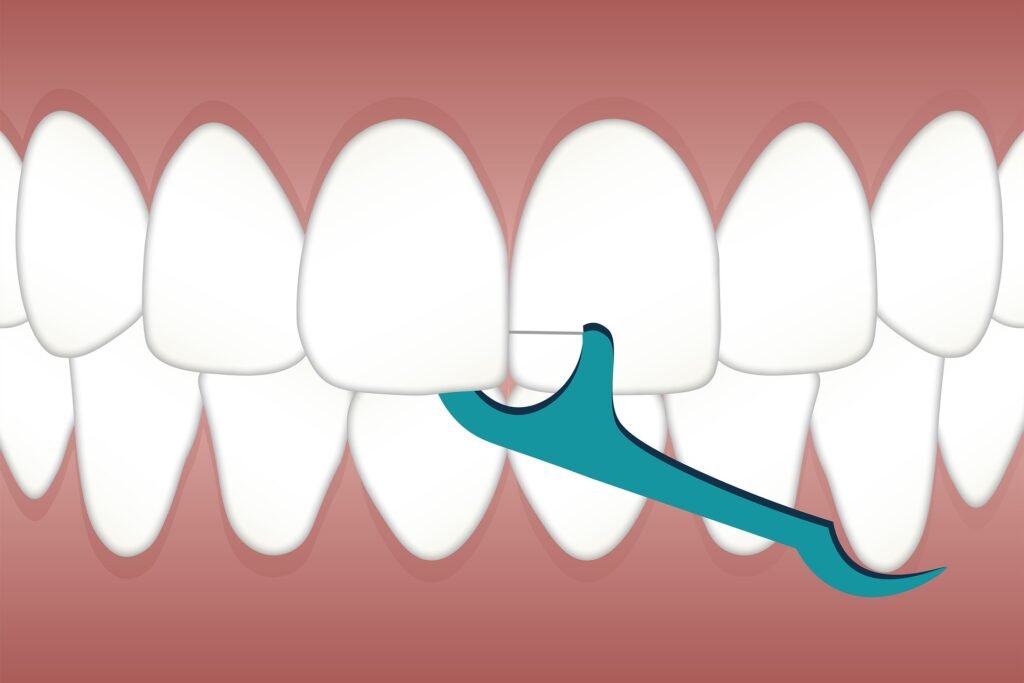
- Floss Picks: These are pre-threaded plastic devices with a short length of floss stretched between two prongs. They are convenient for one-handed use and can be particularly helpful for individuals with limited dexterity or for reaching difficult posterior teeth. However, some argue that they offer less surface area contact with the tooth compared to string floss and may not be as effective at cleaning below the gum line.
- Interdental Brushes: These small, brush-like tools with flexible bristles are designed to clean wider interdental spaces, around orthodontic braces, dental implants, and bridges. They come in various sizes and can be highly effective at removing plaque and food debris from areas where string floss cannot easily reach.
- Dental Water Jets (Water Flossers): These electronic devices use a targeted stream of water to flush out food particles and plaque from between teeth and along the gum line. They are particularly beneficial for individuals with braces, implants, or sensitive gums, and can be a good option for those who find traditional flossing challenging. While they are effective at removing loose debris, some studies suggest they may not be as effective as string floss at removing sticky plaque biofilm.
Innovations in String Floss Technology
Even the traditional string floss has seen advancements that enhance its usability and effectiveness.
- PTFE (Teflon) Floss: This type of floss is known for its smooth, shred-resistant quality, allowing it to glide easily between tight teeth. Its resilience makes it a good choice for individuals who struggle with traditional waxed floss shredding.
- Waxed vs. Unwaxed Floss: Waxed floss is generally easier to slide between teeth, especially those that are tightly spaced. Unwaxed floss, while sometimes more prone to shredding, can provide a better “squeaky clean” feeling as it adheres more firmly to plaque.
- Flavored Floss: The addition of flavors like mint, cinnamon, or even fruit can make the flossing experience more pleasant, encouraging regular use, particularly for children or individuals who find the taste of unflavored floss off-putting.
The Importance of Personalization
The “best” method of interdental cleaning is not universal. It is the one that an individual can and will perform consistently and correctly.
- Consultation with a Dental Professional: The most effective approach to choosing the right interdental cleaning tool is to consult with your dentist or dental hygienist. They can assess your specific oral anatomy, identify areas of concern, and recommend the most suitable tools and techniques for your individual needs. They can also demonstrate proper usage, ensuring you maximize the benefits of whichever method you choose.
- Experimentation and Preference: Ultimately, personal preference plays a significant role in habit formation. While we advocate for the established efficacy of traditional floss, we also recognize the value of alternatives that encourage consistent interdental cleaning. Experimenting with different types of floss and interdental aids can help you discover a method that you find comfortable and enjoyable, thus increasing the likelihood of making it a regular part of your routine.
Flossing is an essential part of maintaining good oral hygiene, as it helps remove plaque and food particles from between teeth that a toothbrush might miss. For those looking to deepen their understanding of dental care practices, a related article discusses the importance of regular dental check-ups and how they complement daily routines like flossing. You can read more about this topic in the article here. By incorporating both flossing and professional cleanings into your dental care regimen, you can significantly improve your overall oral health.
The Future of Oral Health: Flossing as an Integral Component
| Metric | Value | Unit | Notes |
|---|---|---|---|
| Recommended Frequency | 1 | time per day | American Dental Association suggests flossing once daily |
| Average Flossing Time | 2-3 | minutes | Time taken to floss all teeth properly |
| Percentage of People Who Floss Daily | 30 | % | Approximate percentage of adults flossing daily in the US |
| Reduction in Gum Disease Risk | 40-60 | % | Estimated decrease in gum disease risk with regular flossing |
| Average Number of Flossed Teeth | 20 | teeth | Typical number of teeth flossed during a session |
| Flossing Compliance in Children | 15 | % | Percentage of children flossing regularly |
As our understanding of the intricate connection between oral health and overall well-being deepens, the importance of flossing as a cornerstone of preventative care becomes increasingly clear. It is no longer merely a supplementary step but a fundamental practice that underpins a healthier, more robust oral environment, with far-reaching implications for our systemic health.
Elevating Oral Hygiene Standards
The scientific and medical communities are increasingly emphasizing the holistic nature of health. In this paradigm, oral health is not an isolated entity but an integral part of the body’s overall functional integrity.
- From Reactive to Proactive Care: Historically, dental care has often been reactive, focusing on treating problems after they arise. However, the emphasis is shifting towards proactive measures that prevent disease from taking hold in the first place. Flossing, as a daily preventative action, directly embodies this shift. It’s an investment in future health, akin to regular exercise or a balanced diet, that yields dividends in preventing costly and complex treatments down the line.
- The Dentist’s Role as Educator: Dental professionals are crucial in translating the importance of flossing into actionable advice for patients. Beyond routine cleanings, they play a vital role in educating individuals on proper techniques, demonstrating the use of various tools, and explaining the long-term consequences of neglecting interdental hygiene. Their guidance empowers individuals to take ownership of their oral health.
Integrating Flossing into Public Health Initiatives
The widespread adoption of flossing habits could have significant positive impacts on public health.
- Reducing the Burden of Oral Disease: The economic and social burden of oral diseases, such as tooth decay and gum disease, is substantial. By promoting and facilitating regular flossing, we can significantly reduce the incidence and severity of these conditions, leading to fewer dental visits, less discomfort, and improved quality of life for the population.
- Educational Campaigns and Accessible Resources: Public health campaigns that highlight the importance of flossing, coupled with the dissemination of accessible educational materials and resources (e.g., online tutorials, community workshops), can help foster a culture of preventative oral care. Making affordable flossing tools readily available in schools and community centers can also play a vital role.
The Personal Commitment: A Lifelong Endeavor
Ultimately, the power to maintain excellent oral health rests with each of us. While societal support and professional guidance are invaluable, the daily commitment to flossing is a personal one.
- Making it Non-Negotiable: Viewing flossing as an essential part of your daily hygiene, as crucial as showering or brushing your teeth, is a mindset shift that can transform your habits. It’s about recognizing that these few minutes are a powerful investment in your well-being.
- The Long View: The benefits of flossing are not always immediately apparent. It is a practice that pays dividends over the long term, contributing to a lifetime of healthy smiles, confident communication, and a reduced risk of systemic health complications. This long-term perspective is key to sustaining the motivation to floss not just today, but for years to come.
In conclusion, flossing is not a mere suggestion; it is a vital component of comprehensive oral hygiene. It is the diligent guard at the gates of our interdental spaces, protecting us from the insidious takeover of plaque and bacteria. By understanding its mechanics, embracing its benefits, and overcoming the common challenges, we can ensure that this simple yet profound act contributes to a healthier mouth and, by extension, a healthier life for ourselves and our communities.
FAQs
What is Dental Flossing and why is it important?
Flossing is the process of using a thin, flexible piece of string called dental floss to clean between the teeth and under the gumline. It is important because it helps remove plaque and food particles that a toothbrush cannot reach, reducing the risk of cavities, gum disease, and bad breath.
How often should I floss my teeth?
Dentists generally recommend flossing at least once a day. Regular flossing helps maintain healthy gums and prevents the buildup of plaque and tartar between teeth.
What is the correct way to floss?
To floss correctly, use about 18 inches of floss, winding most of it around your middle fingers. Gently slide the floss between your teeth using a back-and-forth motion, curve it around each tooth in a C-shape, and move it up and down to clean beneath the gumline. Avoid snapping the floss to prevent gum injury.
Can flossing cause bleeding gums?
Occasional bleeding during flossing can occur, especially if you are new to flossing or have gum inflammation. However, consistent flossing usually improves gum health and reduces bleeding over time. If bleeding persists, consult a dentist as it may indicate gum disease.
Are there alternatives to traditional floss for cleaning between teeth?
Yes, alternatives include interdental brushes, water flossers, and dental picks. These tools can be effective for people who find traditional flossing difficult or have braces, bridges, or other dental appliances. However, it is best to discuss with a dentist which method suits your oral health needs.