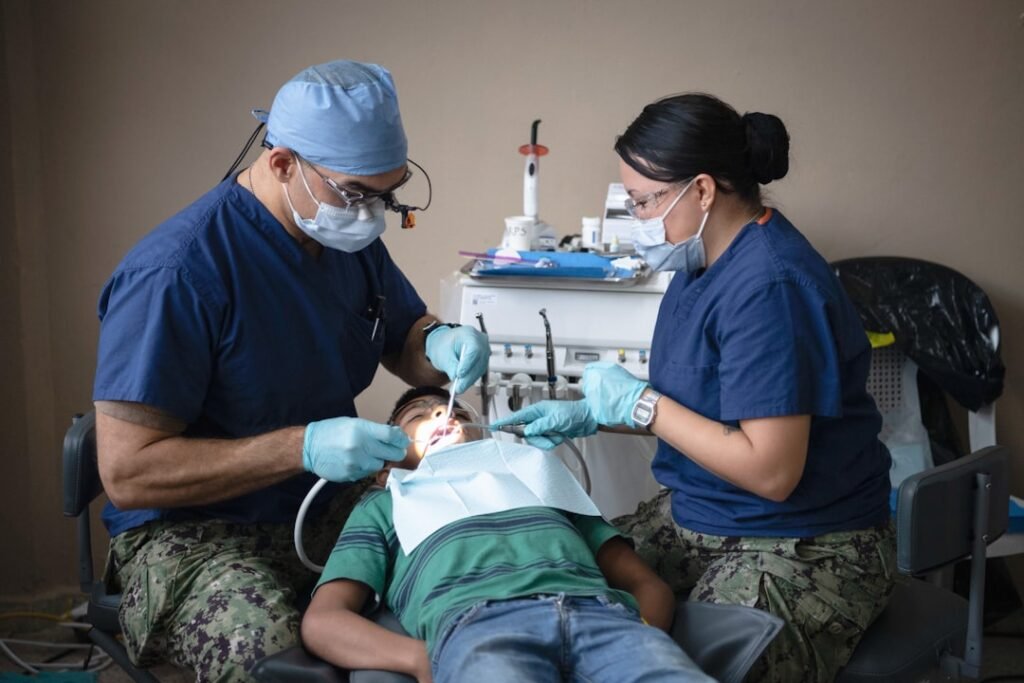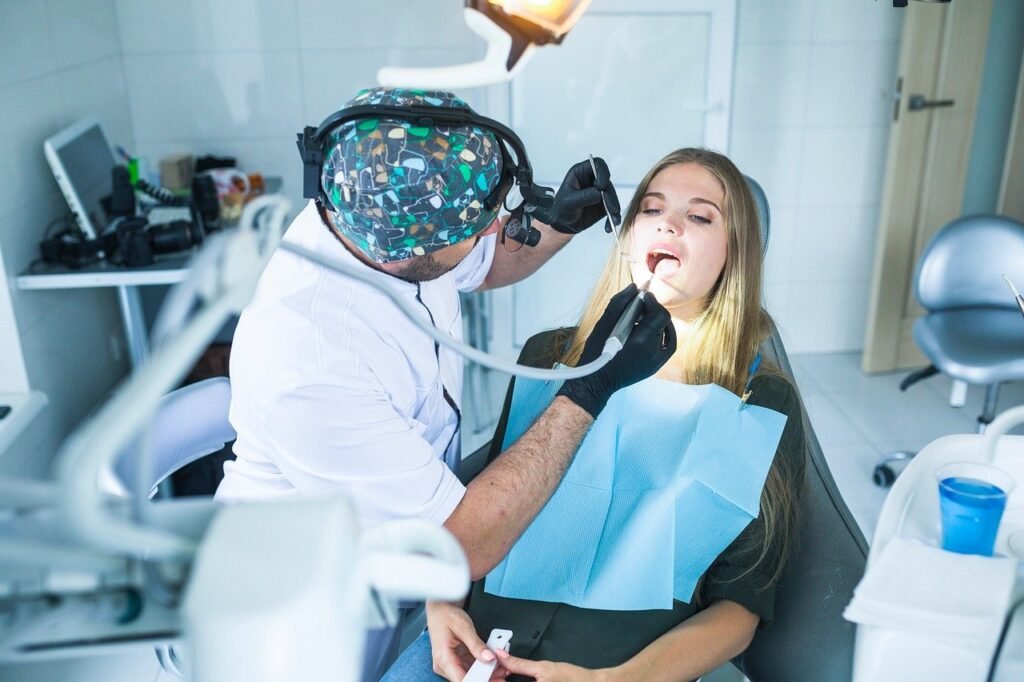
As individuals residing in an era characterized by advanced medical understanding, we are consistently reminded of the integral role proactive healthcare plays in our overall well-being. Among the various facets of this comprehensive approach, oral hygiene often occupies a position of understated importance. Regular dental check-ups, far from being a mere routine, represent a cornerstone of preventative medicine, influencing not only our oral health but also reverberating through our systemic health. We will explore the multifaceted significance of these appointments, dissecting their benefits from immediate oral care to long-term systemic implications, all while adhering to a factual and informed perspective.
Our mouths, as the gateway to our bodies, are complex ecosystems teeming with bacteria. While many of these microscopic inhabitants are benign or even beneficial, an imbalance can quickly lead to detrimental conditions. Regular dental check-ups are our primary defence against such disruptions.
Understanding the Role of Prophylaxis / Professional Teeth Cleaning
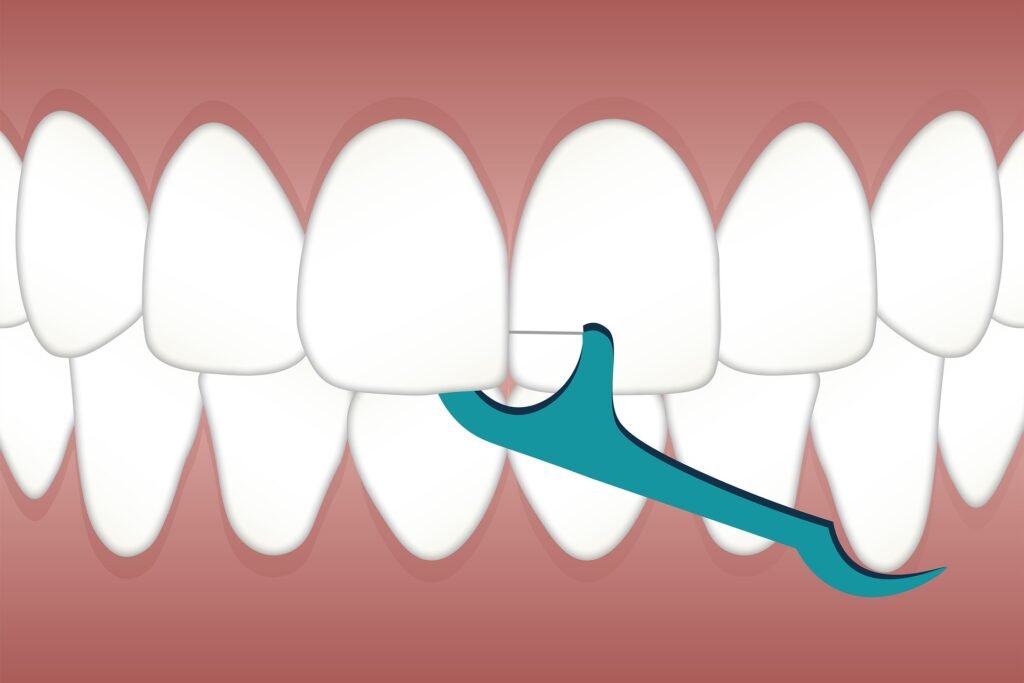
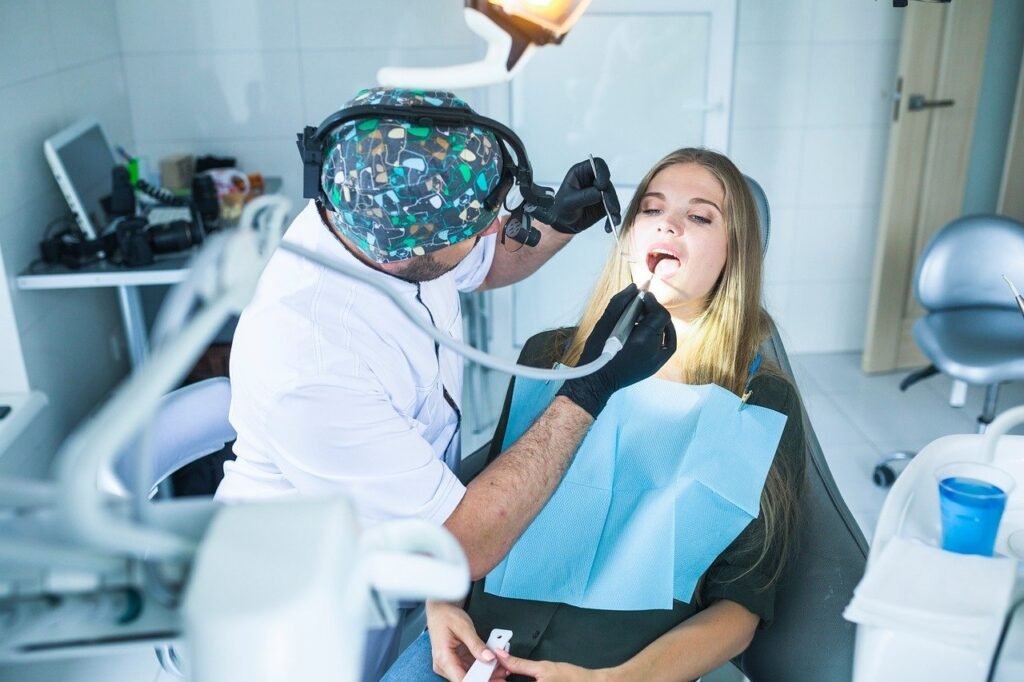
Prophylaxis, commonly known as professional teeth cleaning, transcends the capabilities of even the most diligent home oral care routines. When we brush and floss, we are adept at removing a significant portion of plaque and food debris. However, there are areas our brushes simply cannot reach, particularly below the gum line and between tightly spaced teeth.
- Plaque and Tartar Removal: Plaque, a sticky film of bacteria, constantly forms on our teeth. If not removed, it hardens into tartar (calculus), a calcified deposit that adheres firmly to the tooth surface. Tartar cannot be removed by brushing or flossing alone; it requires specialized dental instruments. The accumulation of tartar creates a rough surface that attracts more plaque, thus perpetuating a cycle of bacterial buildup. During a check-up, our dental hygienists meticulously scale these deposits away, using ultrasonic devices and hand instruments. This process is crucial in preventing the progression of gum disease.
- Stain Removal and Polishing: Beyond their clinical benefits, professional cleanings also contribute to the aesthetic appeal of our teeth. Surface stains, often caused by coffee, tea, red wine, and tobacco, are effectively removed during polishing. This not only brightens our smile but also creates a smoother tooth surface, making it more difficult for new plaque to adhere. We often overlook the psychological impact of a clean, bright smile, but it contributes significantly to our self-confidence and social interactions.
Early Detection of Dental Caries / Tooth Decay
Dental caries, or tooth decay, is a progressive disease that, if left unchecked, can lead to severe pain, infection, and even tooth loss. Our dentists possess the expertise and diagnostic tools to identify early signs of decay that we, as laypersons, would almost certainly miss.
- Visual and Tactile Examination: During a check-up, the dentist systematically examines each tooth, searching for demineralization, a precursor to cavity formation. They use probes to gently test the tooth surface for soft spots or irregularities. We might not feel a tiny pit or fissure in its early stages, but a trained professional can.
- Radiographic Assessment (X-rays): Dental X-rays are invaluable diagnostic tools that allow us to see what is invisible to the naked eye. They reveal decay between teeth, underneath existing fillings, and within the enamel and dentin layers. X-rays can also identify abscesses, bone loss related to periodontal disease, and developmental abnormalities. Without this internal view, we would be operating in the dark, allowing problems to fester undetected. We understand that some individuals express concern about radiation exposure, but modern dental X-ray technology uses very low doses, and the diagnostic benefits far outweigh the minimal risks, particularly when used judiciously.
Regular dental check-ups are essential for maintaining optimal oral health, as they help in the early detection of potential issues such as cavities and gum disease. For more insights on the importance of dental care and tips for maintaining a healthy smile, you can read a related article on this topic at Howledge Blog. This resource provides valuable information that can enhance your understanding of dental hygiene practices and the significance of routine visits to your dentist.
Preventing the Onset and Progression of Periodontal Disease
Periodontal disease, commonly known as gum disease, is a chronic inflammatory condition affecting the tissues surrounding our teeth. It ranges from mild gingivitis to severe periodontitis, and its consequences extend far beyond oral discomfort.
Understanding Gingivitis and Its Reversibility
Gingivitis is the initial, milder form of gum disease, characterized by red, swollen, and bleeding gums. It is caused by the accumulation of plaque and tartar around the gum line, leading to inflammation.
- Warning Signs: We are often dismissive of bleeding gums when brushing or flossing, attributing it to aggressive technique. However, it is a critical warning sign that should prompt immediate attention. Healthy gums do not bleed. Other indicators include tenderness, redness, and swelling.
- The Crucial Role of Timely Intervention: Fortunately, gingivitis is entirely reversible with professional cleaning and improved home oral hygiene. During a check-up, our dental team will meticulously remove the irritants (plaque and tartar) and provide us with personalized instructions on how to maintain optimal oral hygiene at home. We recognize this as a pivotal moment; catching gum disease at this stage prevents its progression to more severe forms. Ignoring these early signs is akin to ignoring a flickering warning light on a car’s dashboard.
Mitigating the Risk of Periodontitis
If gingivitis is left untreated, it can advance to periodontitis, a more destructive form of gum disease. In periodontitis, the inflammation spreads below the gum line, causing the gums to pull away from the teeth and forming “pockets.” These pockets become breeding grounds for bacteria, leading to bone loss and eventual tooth mobility and loss.
- Consequences of Bone Loss: The bone supporting our teeth is a precious resource. Once lost due to periodontitis, it cannot be regenerated naturally. This bone loss compromises the stability of our teeth, making them loose and susceptible to falling out. We recognize that the loss of even a single tooth can have a cascading effect on our bite, speech, and overall oral function.
- Deep Cleaning and Follow-up: For individuals diagnosed with periodontitis, regular check-ups become even more critical. They often involve specialized procedures like scaling and root planing, a “deep cleaning” that removes tartar and bacteria from below the gum line and smooths the root surfaces to deter further bacterial adherence. We work collaboratively with our patients to manage this chronic condition, emphasizing the importance of ongoing maintenance and, in some cases, referral to a periodontist, a gum disease specialist.
The Interconnectedness of Oral and Systemic Health

The days of viewing our oral health as distinct from our general health are long past. Extensive research has elucidated profound connections between the state of our mouths and the health of our entire bodies. Our regular dental check-ups serve as a crucial vigilance point for these systemic links.
Oral Manifestations of Systemic Diseases
Our oral cavity can act as an early warning system for various systemic conditions. Dentists are often the first healthcare professionals to observe symptoms that might indicate underlying health issues.
- Diabetes: Individuals with diabetes are more susceptible to gum disease, and conversely, severe gum disease can make blood sugar control more challenging. During a check-up, we might notice symptoms like dry mouth, fungal infections, or rapidly progressing gum disease, which could prompt us to suggest a medical evaluation for diabetes. We understand that this collaborative approach between medical and dental professionals is invaluable for optimal patient care.
- Cardiovascular Disease: The link between gum disease and heart disease is increasingly recognized. The inflammation and bacteria associated with periodontitis can enter the bloodstream, potentially contributing to arterial plaque formation and increasing the risk of heart attacks and strokes. While we do not claim that dental check-ups prevent heart attacks, we do understand that managing oral inflammation is a piece of the larger puzzle in mitigating systemic inflammatory burden.
- Osteoporosis: This bone-weakening disease can manifest in the jawbone, leading to tooth loss. During X-ray examinations, our dentists might observe signs of bone density loss in the jaw, potentially serving as an early indicator of osteoporosis, prompting referral to a physician.
- Autoimmune Diseases: Many autoimmune conditions, such as Crohn’s disease or lupus, can have oral manifestations, including ulcers, dry mouth, or specific gum lesions. Our trained eyes are constantly scanning for such deviations from normal, flagging them for further investigation.
Impact of Oral Infections on Overall Health
Untreated oral infections are not confined to the mouth. They can disseminate throughout the body, posing significant health risks.
- Septicemia: In severe cases, bacteria from dental infections can enter the bloodstream, leading to septicemia, a life-threatening systemic infection. This is a rare but serious consequence of neglecting dental issues. We emphasize that seemingly minor toothaches can escalate into severe infections if left untreated.
- Impact on Pregnancy: Studies have shown a correlation between periodontal disease in pregnant individuals and an increased risk of preterm birth and low birth weight. We strongly advocate for pregnant individuals to maintain their regular dental check-ups, ensuring a healthy environment for both mother and child. We recognize that hormonal changes during pregnancy can exacerbate gum inflammation, making professional care even more essential.
Mitigating the Risk of Oral Cancer
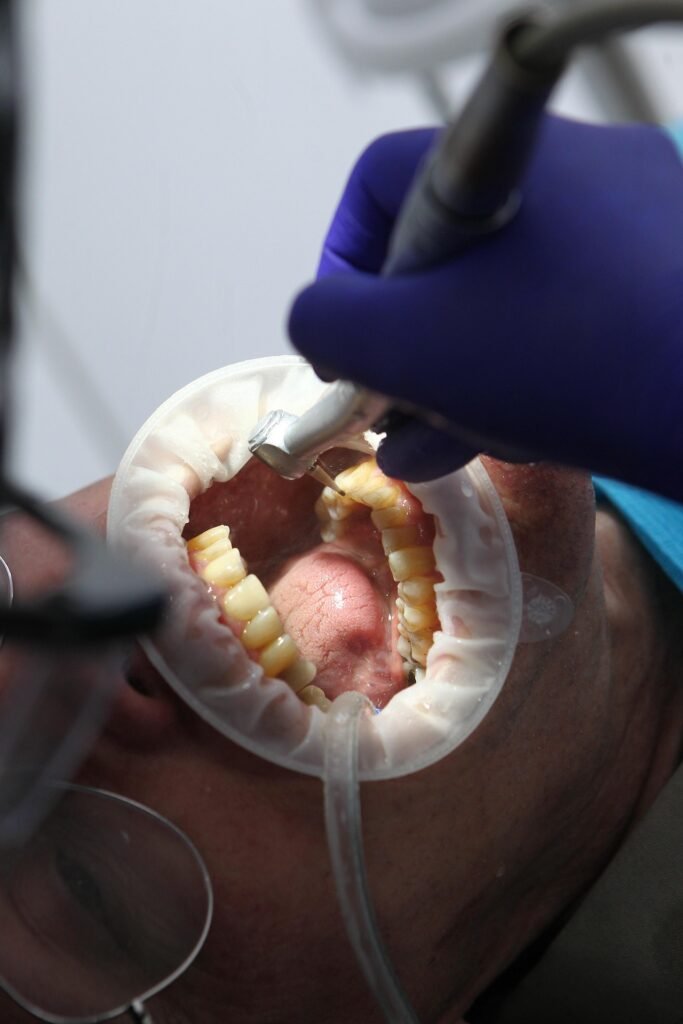
Oral cancer, a serious and potentially life-threatening disease, encompasses cancers of the lips, tongue, floor of the mouth, soft palate, cheeks, and pharynx. Early detection is paramount for successful treatment and improved prognosis, and this is where our role during routine check-ups becomes critically important.
The Importance of Oral Cancer Screenings
During every routine dental check-up, we perform a thorough oral cancer screening. This involves a visual and tactile examination of our patients’ mouths and surrounding areas.
- Visual Examination: We meticulously inspect the oral cavity for any abnormalities, including red or white patches (erythroplakia or leukoplakia), sores that do not heal, lumps, or swelling. We may use specialized lights or dyes to highlight suspicious areas. We stress that many early-stage oral cancers are painless, making self-detection difficult. This is why our professional screening is so vital.
- Palpation: We also palpate (feel) the neck, jaw, and surrounding lymph nodes for any lumps, tenderness, or changes in texture that could indicate a problem. We often share images or descriptions of what we are looking for to educate our patients on self-monitoring between appointments, empowering them with knowledge about their own oral health.
- Risk Factors Discussion: We engage in conversations with our patients about risk factors for oral cancer, including tobacco use (smoking and smokeless), excessive alcohol consumption, and human papillomavirus (HPV) infection. We emphasize the synergistic effect of tobacco and alcohol, where using both significantly amplifies the risk. By raising awareness, we hope to encourage lifestyle modifications that reduce risk.
Early Detection Leads to Enhanced Prognosis
The prognosis for oral cancer is directly correlated with the stage at which it is diagnosed. Early detection significantly increases the chances of successful treatment and survival.
- Identifying Precancerous Lesions: Our expertise allows us to identify precancerous lesions, which are abnormal tissue changes that have the potential to develop into cancer. Catching these changes early allows for timely intervention, often preventing the progression to full-blown malignancy. We act as a critical checkpoint, a watchful guardian of our patients’ oral tissues.
- Referral for Biopsy: If we identify any suspicious lesions or abnormalities, our protocol is to refer the patient to an oral surgeon or oncologist for further evaluation and, if necessary, a biopsy. A biopsy is the definitive diagnostic tool for confirming the presence of cancer. We believe in taking a proactive, cautious approach to any potentially malignant findings.
Regular dental check-ups are essential for maintaining oral health and preventing potential issues before they escalate. For those interested in learning more about the importance of these visits, a related article can be found at Howledge, which discusses the various benefits of routine dental care and how it contributes to overall well-being. By prioritizing these appointments, individuals can ensure their smiles remain healthy and vibrant for years to come.
Long-Term Financial and Comfort Benefits
| Metric | Value | Unit | Notes |
|---|---|---|---|
| Recommended Frequency | 2 | times per year | Standard guideline for healthy adults |
| Average Duration | 30 | minutes | Typical length of a dental check-up |
| Percentage of Adults Attending Annually | 64 | % | Based on recent health surveys |
| Common Procedures During Check-up | Examination, Cleaning, X-rays | n/a | Typical services included |
| Average Cost | 75 | units | Varies by region and insurance coverage |
| Percentage of Children Receiving Check-ups | 80 | % | Children aged 6-12 years |
| Risk Reduction for Gum Disease | 40 | % | Reduction with regular check-ups |
While the immediate health benefits are compelling, neglecting regular dental check-ups can also result in significant long-term financial burdens and diminished quality of life. We are not just about reactive treatment; we are about proactive prevention, which saves both money and discomfort.
Avoiding Extensive and Costly Treatments
Preventative care, by its very nature, is designed to avert more serious and expensive problems down the line. Regular check-ups are an investment that pays substantial dividends.
- Preventing Root Canals and Extractions: A small cavity, if detected early, can often be treated with a simple and relatively inexpensive filling. If that cavity is ignored, however, it can progress to infect the dental pulp, necessitating a root canal, a more complex and costly procedure. Should the tooth become too damaged to save, extraction becomes the only option, which then often requires further investment in prosthetics like bridges or implants. We often equate this to maintaining a car; small, regular services prevent major breakdowns and expensive repairs.
- Managing Periodontal Disease Costs: Untreated periodontal disease can lead to extensive and costly treatments, including deep cleanings (scaling and root planing), periodontal surgery, and, in severe cases, the need for dental implants to replace lost teeth. Investing in regular cleanings and check-ups is significantly less expensive than addressing the advanced stages of gum disease. We see this firsthand, observing the trajectory of patients who consistently attend their appointments versus those who only seek care when pain becomes unbearable.
Enhancing Quality of Life and Longevity of Natural Teeth
Beyond financial considerations, maintaining good oral health through regular check-ups profoundly impacts our overall quality of life. Our natural teeth are designed to last a lifetime, and preventative care helps us achieve that goal.
- Comfortable Eating and Speaking: Healthy teeth and gums allow us to enjoy a wide variety of foods without pain or discomfort. It also facilitates clear speech. When teeth are lost or become loose due to disease, our ability to chew efficiently and articulate properly is compromised, significantly impacting our enjoyment of meals and social interactions. We recognize that the ability to eat the foods we love is a fundamental joy in life.
- Aesthetic Confidence: A healthy, aesthetically pleasing smile contributes to self-confidence and overall mental well-being. Regular check-ups help us maintain the appearance of our teeth, preventing discoloration, decay, and tooth loss. We understand that our smile is a significant part of our identity and how we present ourselves to the world.
- Reduced Risk of Oral Pain and Emergencies: Proactive care significantly reduces the likelihood of experiencing sudden dental pain or requiring emergency dental treatment. These unforeseen events can be disruptive, distressing, and often more expensive than planned preventative appointments. We aim to keep our patients out of pain and alleviate anxieties related to dental emergencies.
In conclusion, our commitment to regular dental check-ups is not merely an adherence to a recommended guideline; it is a strategic investment in our overall health, finances, and long-term quality of life. By embracing these routine appointments, we empower ourselves to detect potential issues early, prevent the progression of diseases, and safeguard the intricate connection between our oral and systemic well-being. We cannot overstate the importance of these seemingly simple visits; they are the vigilant sentinels protecting the gateway to our health, ensuring that our smiles remain bright, our bodies robust, and our lives enriched.
FAQs
How often should I schedule dental check-ups?
It is generally recommended to have dental check-ups every six months. However, your dentist may suggest more frequent visits based on your oral health needs.
What happens during a dental check-up?
During a dental check-up, the dentist will examine your teeth, gums, and mouth for any signs of decay, disease, or other issues. This may include cleaning, X-rays, and discussing your oral hygiene habits.
Why are regular dental check-ups important?
Regular dental check-ups help prevent dental problems by detecting issues early, maintaining oral health, and providing professional cleaning to remove plaque and tartar buildup.
Are dental check-ups painful?
Dental check-ups are generally painless. Some patients may experience minor discomfort during cleaning or examination, but the procedures are typically quick and well-tolerated.
Can dental check-ups help with overall health?
Yes, dental check-ups can contribute to overall health by identifying oral infections or conditions that may affect other parts of the body, such as heart disease or diabetes, allowing for timely treatment.