
Tips for Maintaining Good Oral Health
We, as a collective of individuals invested in our well-being, understand that the pursuit of optimal health extends beyond the readily visible. While we often focus on our cardiovascular system or our musculoskeletal framework, the health of our oral cavity serves as a crucial, yet frequently underestimated, cornerstone of our overall physiological integrity. Our mouths are not merely passageways for sustenance; they are intricate ecosystems, teeming with microbial life, and their condition profoundly impacts our ability to speak, eat, and even our social interactions. Neglecting our oral health is akin to ignoring the foundational elements of a house; sooner or later, structural issues will inevitably arise, affecting the entire edifice.
This article aims to provide a comprehensive guide to maintaining good oral health, offering practical, evidence-based advice that we can all incorporate into our daily routines. We believe that by understanding the “why” behind each recommendation, we are better equipped to make informed decisions and cultivate habits that will serve us well into the future. Our journey toward better oral health begins with a commitment to understanding and action.
We all know the mantra: brush your teeth twice a day. Yet, the simplicity of this advice often belies the nuances involved in effective brushing. It’s not enough to merely go through the motions; the technique and tools we employ are paramount to achieving a truly clean mouth.
The Right Tools for the Job
We cannot expect to be master carpenters with inadequate tools, and the same principle applies to our oral hygiene. Selecting the correct toothbrush and toothpaste is the first step toward effective plaque removal.
Manual vs. Electric Toothbrushes
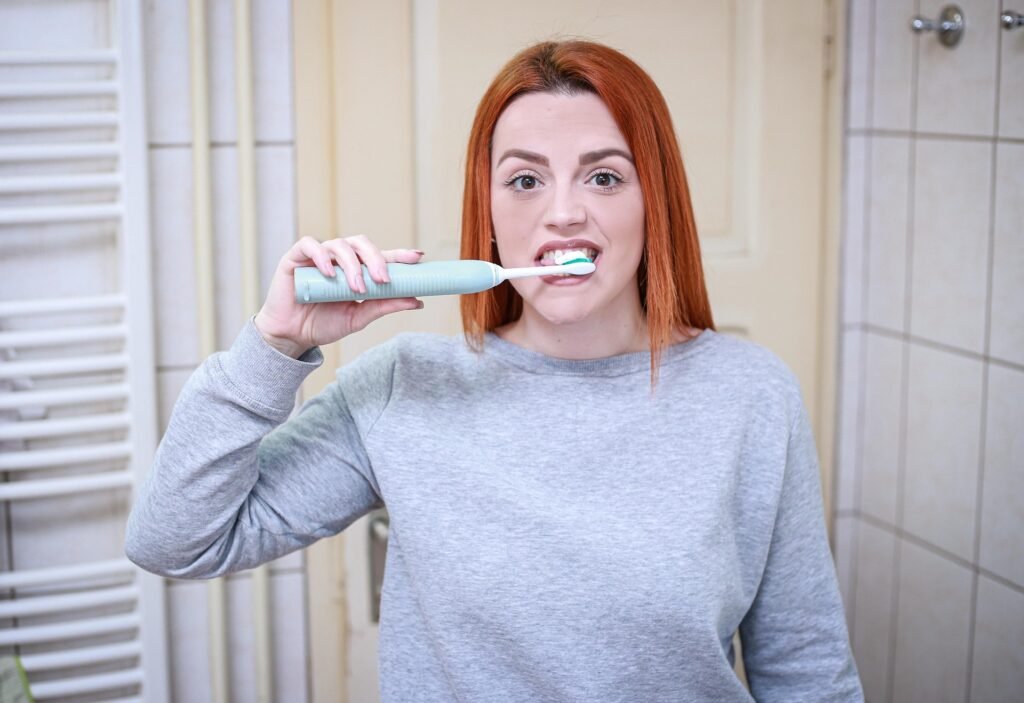
We have a choice between manual and electric toothbrushes, each with its own set of advantages. While manual toothbrushes can be effective when used correctly, electric toothbrushes, particularly those with oscillating-rotating or sonic technology, often offer a superior cleaning experience. We find that their built-in timers and pressure sensors can be invaluable in ensuring we brush for the recommended two minutes and avoid excessive force that can damage gums and enamel. Think of the electric toothbrush as a precision instrument, designed to reach areas that our manual efforts might miss.
The Importance of Soft Bristles
We often mistakenly believe that harder bristles equate to a deeper clean. However, this is a common misconception. Hard bristles can abrade tooth enamel and irritate delicate gum tissue, leading to gum recession and increased sensitivity. We advocate for the consistent use of soft-bristled toothbrushes, as they are gentle on our oral tissues while still being highly effective at dislodging plaque and food debris. Consider soft bristles as a gentle but firm broom, sweeping away debris without causing damage to the surface.
Fluoridated Toothpaste: Our Enamel’s Best Friend
Fluoride, a naturally occurring mineral, plays a critical role in strengthening tooth enamel and making it more resistant to acid attacks from bacteria. We emphasize the use of fluoridated toothpaste as a non-negotiable aspect of our daily brushing routine. It’s like applying a protective shield to our teeth, bolstering their defenses against the constant barrage of sugars and acids. For children, particularly, ensuring adequate fluoride exposure is vital for the development of strong, cavity-resistant teeth.
Mastering Brushing Technique
Even with the best tools, an ineffective technique will yield subpar results. We must approach brushing with intentionality, ensuring every surface of every tooth receives adequate attention.
The 45-Degree Angle: The Optimal Approach
We often observe individuals brushing their teeth straight on, parallel to the tooth surface. However, the optimal technique involves holding the toothbrush at a 45-degree angle to the gum line. This angle allows the bristles to gently clean beneath the gum line, where plaque often accumulates. We recommend using short, gentle strokes, focusing on one or two teeth at a time. Picture this angle as a slight tilt, allowing the bristles to delve into the subtle crevices where plaque loves to hide.
Don’t Forget the Tongue!
Our tongues are often overlooked in our oral hygiene routines, yet they harbor a significant amount of bacteria that can contribute to bad breath and even impact our overall oral health. We encourage the daily cleaning of our tongues, either with a toothbrush or a dedicated tongue scraper. This simple act can significantly reduce bacterial load and improve the freshness of our breath. Consider the tongue as a carpet that also needs regular cleaning to remove accumulated debris.
Maintaining good oral health is essential for overall well-being, and understanding the various factors that contribute to it can help individuals make informed decisions. For those interested in exploring this topic further, a related article can be found at this link, which discusses the importance of proper dental hygiene practices and their impact on long-term health.
Flossing: Reaching the Unseen Gaps
While brushing effectively cleans the accessible surfaces of our teeth, it cannot adequately reach the tight spaces between them. This is where flossing becomes an indispensable tool in our oral health arsenal. We understand that flossing can sometimes feel like a chore, but its importance cannot be overstated. Neglecting to floss is akin to sweeping a room but leaving a band of dirt accumulating along the baseboards – an incomplete job that will eventually lead to bigger problems.
The Mechanism of Flossing
Flossing works by physically dislodging food particles and plaque from between our teeth and just beneath the gum line. These areas are prime breeding grounds for bacteria, and left undisturbed, they can lead to caviites and gum inflammation.
The “C” Shape Method
We advocate for the “C” shape method of flossing. This involves taking a length of floss, about 18 inches, and wrapping it around our middle fingers. We then use our index fingers and thumbs to guide the floss. Gently slide the floss between two teeth, curving it into a “C” shape against one tooth, and move it up and down several times. Repeat this process for the adjacent tooth. This “C” shape ensures that we are cleaning a larger surface area of each tooth, not just the contact point. Think of the floss as a pliable ribbon, gently caressing the curves of our teeth to dislodge hidden invaders.
The Importance of Daily Flossing
We recognize that consistency is key. Daily flossing, even if it feels like a small habit, yields significant long-term benefits. It’s a preventative measure that, when consistently applied, can save us from more extensive and costly dental work down the line. We should view flossing not as an option, but as an integral component of our daily self-care ritual.
Alternatives to Traditional Floss
For those of us who find traditional string floss challenging to use, various alternatives are available that can be equally effective.
Water Flossers
Water flossers, or oral irrigators, use a stream of pulsating water to remove food debris and plaque. We find that they can be particularly beneficial for individuals with braces, bridges, or crowns, as they can navigate around these obstacles more easily than string floss. While they are excellent for flushing out loose debris, we often remind ourselves that they may not be as effective as string floss in dislodging highly adherent plaque. Think of a water flosser as a powerful jet wash, capable of reaching areas that a scrubbing brush might miss, but not always able to remove deeply embedded grime.
Interdental Brushes
Interdental brushes are small, cone-shaped brushes designed to clean between teeth. They come in various sizes and can be particularly useful for individuals with larger gaps between their teeth or those with gum recession. We encourage experimentation to find the size that best fits our individual needs. These brushes are like miniature bottle brushes, perfectly shaped to clean the varying spaces within our oral architecture.
A Balanced Diet: Fueling Oral Health
Our diet plays a profoundly significant role in our oral health, perhaps even more so than we often realize. The foods and beverages we consume directly impact the environment within our mouths, influencing the growth of bacteria and the integrity of our tooth enamel. We are, after all, what we eat, and our teeth are no exception.
The Impact of Sugars and Acids
We are bombarded daily with opportunities to consume sugary and acidic foods and drinks. Understanding their detrimental effects is the first step toward making healthier choices.
The Vicious Cycle of Sugar and Bacteria
When we consume sugary foods and drinks, the bacteria in our mouths metabolize these sugars, producing acids as a byproduct. These acids then attack our tooth enamel, leading to demineralization and eventually, cavities. We must recognize this as a vicious cycle, where a constant supply of sugar fuels bacterial activity, relentlessly eroding our dental defenses. Imagine the enamel as a fortress wall, and sugar as the enemy’s ammunition, constantly bombarding it and creating breaches.
Acidic Foods and Erosion
Beyond sugar, many acidic foods and beverages, such as citrus fruits, soda, and sports drinks, can directly erode tooth enamel. This erosion thins the enamel, making our teeth more sensitive and susceptible to decay. We advise moderating the consumption of such items and, when we do consume them, consider rinsing our mouths with water afterward to help neutralize the acids. Think of acidic foods as a corrosive agent, slowly but steadily dissolving the protective outer layer of our teeth.
Nutrient-Rich Foods for Strong Teeth and Gums
Just as certain foods can harm our oral health, others can actively promote it. We advocate for a diet rich in vitamins and minerals that support strong teeth and healthy gums.
Calcium and Vitamin D: The Dynamic Duo
Calcium is the primary building block of our teeth and bones. We must ensure an adequate intake of calcium through dairy products, leafy green vegetables, and fortified foods. Vitamin D is equally crucial, as it aids in the absorption of calcium. Without sufficient Vitamin D, our bodies cannot effectively utilize the calcium we consume, making our efforts less impactful. Together, calcium and Vitamin D are like the construction workers and the foreman, ensuring the sturdy development and maintenance of our dental structures.
Vitamin C for Gum Health
Vitamin C is essential for healthy gum tissue. It plays a vital role in collagen production, which is a key component of our gums. We find that a deficiency in Vitamin C can lead to bleeding gums, inflammation, and even more severe periodontal disease. Incorporating citrus fruits, berries, and broccoli into our diet can help us maintain robust gum health. Consider Vitamin C as the mortar that holds the bricks of our gums together, ensuring their strength and resilience.
Crunchy Fruits and Vegetables: Nature’s Toothbrush
Fibrous fruits and vegetables like apples, carrots, and celery can act as natural toothbrushes. As we chew them, they help to dislodge food particles and stimulate saliva production, which naturally cleanses our mouths and neutralizes acids. We often find that incorporating these into our snacks can be a simple yet effective way to contribute to our oral hygiene throughout the day. These foods are like natural scrub brushes, gently cleaning our teeth as we enjoy them.
Regular Dental Check-ups: Our Professional Partnership

Even with the most diligent home care routine, we cannot entirely eliminate the need for professional oversight. Regular dental check-ups and cleanings serve as a vital component of our comprehensive oral health strategy. Our dentists and hygienists are like mechanics for our mouths, equipped with specialized tools and expertise to identify and address issues before they escalate.
The Importance of Professional Cleanings
Professional cleanings, also known as prophylaxis, go beyond what we can achieve with brushing and flossing alone.
Removal of Plaque and Tartar
Over time, plaque can harden into tartar (calculus), a calcified deposit that cannot be removed by brushing or flossing at home. Tartar creates a rough surface that attracts even more plaque, leading to a vicious cycle of accumulation and inflammation. Our dental hygienists use specialized instruments to safely and effectively remove both plaque and tartar, restoring our teeth to a clean and smooth state. Think of tartar as concrete buildup, and the hygienist’s tools as specialized chisels designed to break it down.
Early Detection of Issues
Regular check-ups allow our dental team to identify potential problems such as cavities, gum disease, and even oral cancer in their early stages. Early detection often means less invasive and less costly treatments. We often find that a seemingly minor issue, if left unaddressed, can rapidly spiral into a significant problem. Our dentists are like vigilant sentinels, constantly patrolling our oral cavity for any signs of trouble.
Frequency of Visits
The generally recommended frequency for dental check-ups and cleanings is every six months. However, this can vary depending on our individual oral health status and risk factors.
Personalized Recommendations
For individuals with a history of gum disease, frequent cavities, or other specific concerns, our dental professional may recommend more frequent visits. We encourage open communication with our dentist to determine the optimal recall schedule for our unique needs. This personalized approach ensures that our oral health care is tailored to our specific circumstances.
Maintaining good oral health is essential not only for a bright smile but also for overall well-being. A recent article discusses the connection between oral hygiene and systemic health, highlighting how poor dental care can lead to various health issues. For more insights on this important topic, you can read the article here: oral health. Taking proactive steps in your dental care routine can significantly impact your health in the long run.
Lifestyle Choices: Beyond the Obvious
| Metric | Description | Average Value | Unit |
|---|---|---|---|
| DMFT Index | Decayed, Missing, and Filled Teeth in permanent teeth | 2.5 | Teeth per person |
| Prevalence of Dental Caries | Percentage of population with dental cavities | 60 | % |
| Periodontal Disease Prevalence | Percentage of adults with gum disease | 47 | % |
| Average Daily Toothbrushing Frequency | Number of times teeth are brushed daily | 1.8 | Times per day |
| Fluoride Concentration in Drinking Water | Amount of fluoride in public water supply | 0.7 | mg/L |
| Oral Cancer Incidence Rate | New cases of oral cancer per 100,000 people annually | 11 | Cases per 100,000 |
| Percentage of Population with Access to Dental Care | Proportion of people who have visited a dentist in the past year | 65 | % |
Our daily habits and lifestyle choices extend far beyond diet and brushing, influencing our oral health in ways we may not immediately recognize. We understand that achieving optimal oral health is not just about isolated acts, but about cultivating a holistic approach to our well-being.
The Perils of Tobacco Use
We consistently emphasize the severe detrimental effects of tobacco use on oral health, recognizing it as one of the most significant risk factors for various oral diseases.
Increased Risk of Gum Disease
Smoking and other forms of tobacco use significantly increase our risk of developing gum disease, also known as periodontal disease. Tobacco restricts blood flow to the gums, impairing their ability to fight off infection and heal. We often observe that smokers tend to experience more severe forms of gum disease, and the efficacy of treatments can be compromised. Consider tobacco as a toxin that starves the gum tissue, leaving it vulnerable to attack.
Oral Cancer Risk
Perhaps one of the most alarming consequences of tobacco use is the significantly elevated risk of oral cancer. We know that chemicals in tobacco products can cause DNA damage in our oral cells, leading to uncontrolled growth. Regular dental check-ups are even more critical for tobacco users, as early detection of oral cancer is crucial for successful treatment outcomes. We view cessation of tobacco use as perhaps the single most impactful step we can take for our oral and overall health.
The Impact of Alcohol Consumption
While perhaps not as overtly destructive as tobacco, excessive alcohol consumption also carries implications for our oral health.
Dry Mouth and Acidity
Alcohol can contribute to dry mouth (xerostomia) by reducing saliva production. Saliva plays a vital role in washing away food particles and neutralizing acids. A persistently dry mouth leaves us more susceptible to cavities and gum disease. Furthermore, many alcoholic beverages are acidic, contributing to enamel erosion. We advocate for moderation in alcohol consumption and encourage rinsing our mouths with water after drinking, especially spirits or acidic mixers. Think of alcohol as a dehydrator for our oral environment, reducing the natural defenses our saliva provides.
Stress Management: An Unexpected Ally
We may not immediately associate stress with oral health, but the connection is more pronounced than we might think. Chronic stress can manifest in various ways that negatively impact our mouths.
Bruxism (Teeth Grinding)
Stress is a common trigger for bruxism, the involuntary grinding or clenching of our teeth. This can occur during the day or, more commonly, at night while we sleep. Chronic bruxism can lead to tooth wear, fractures, jaw pain, and headaches. We often recommend stress-reduction techniques and, in some cases, the use of a nightguard to protect our teeth. Consider a nightguard as a protective buffer, absorbing the force of our stress-induced grinding.
Increased Susceptibility to Infection
Chronic stress can also weaken our immune system, making us more susceptible to oral infections, including gum disease and cold sores. We emphasize the importance of stress management techniques such as exercise, meditation, and adequate sleep, recognizing that these practices contribute to our overall well-being, including our oral health. Our immune system is our body’s defense army, and chronic stress can deplete its ranks, leaving us vulnerable.
In conclusion, our journey toward optimal oral health is a continuous one, requiring a combination of diligent daily practices, informed dietary choices, regular professional care, and mindful lifestyle habits. By adopting these five key principles – consistent and effective brushing, daily flossing, a balanced and tooth-friendly diet, regular dental check-ups, and responsible lifestyle choices – we can collectively safeguard our smiles, protect our overall health, and enjoy the confidence that comes with a healthy mouth. We believe that investing in our oral health is an investment in our entire well-being, paying dividends for years to come.
FAQs
What is oral health?
Oral health refers to the overall health of the mouth, teeth, gums, and related structures. It involves maintaining clean teeth, healthy gums, and a pain-free mouth to support functions like eating, speaking, and smiling.
Why is oral health important?
Good oral health is essential because it helps prevent dental problems such as cavities, gum disease, and tooth loss. It also contributes to overall health, as poor oral hygiene can be linked to conditions like heart disease, diabetes, and respiratory infections.
How can I maintain good oral health?
Maintaining good oral health involves regular brushing and flossing, using fluoride toothpaste, eating a balanced diet, avoiding tobacco, and visiting the dentist regularly for check-ups and cleanings.
What are common oral health problems?
Common oral health problems include tooth decay (cavities), gum disease (gingivitis and periodontitis), bad breath (halitosis), oral infections, and oral cancer.
How often should I visit the dentist?
It is generally recommended to visit the dentist every six months for routine check-ups and cleanings. However, the frequency may vary based on individual oral health needs and the dentist’s advice.