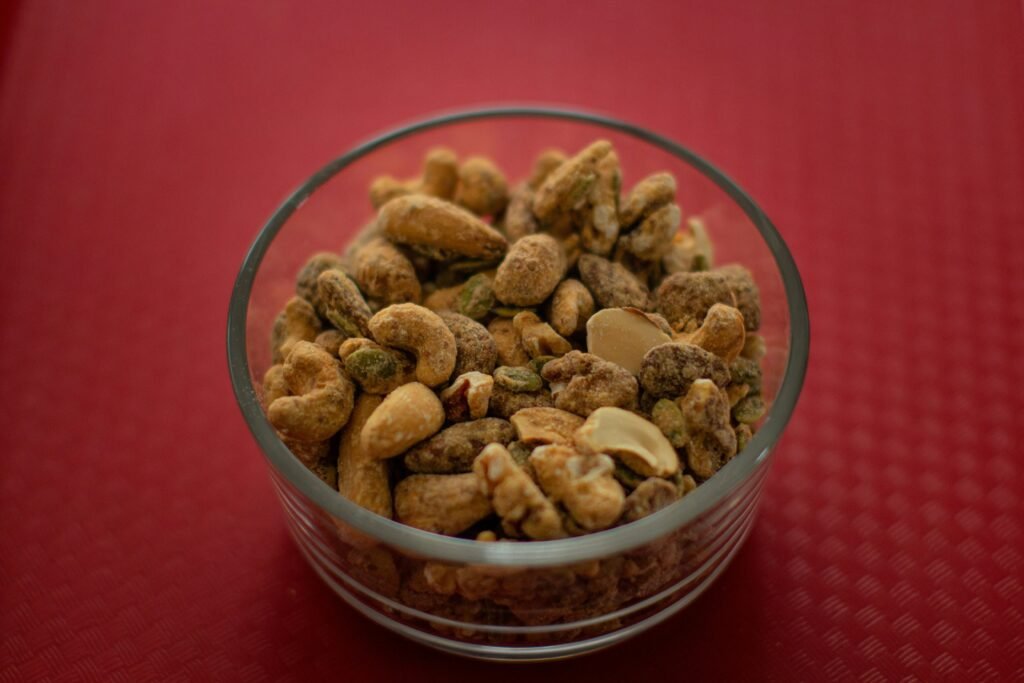
Nuts and seeds are fantastic for getting your daily healthy fats and essential minerals. They’re like nature’s mini nutrient powerhouses, packed with good stuff that supports everything from your heart to your brain. Incorporating them into your daily routine is genuinely one of the easiest and most effective ways to boost your overall health. Think of them as tiny, crunchy health boosters that fit pretty much anywhere.
So, why all the fuss about these little guys? Well, it boils down to what’s inside. We’re talking about a concentrated source of nutrients that are often tricky to get enough of in a typical diet.
The Power of Healthy Fats
When we talk about “healthy fats,” we’re primarily looking at monounsaturated and polyunsaturated fats, including the superstar omega-3 and omega-6 fatty acids. These aren’t just energy sources; they play crucial roles in countless bodily functions.
- Heart Health: These fats help lower bad cholesterol (LDL) and raise good cholesterol (HDL), which is a big win for your cardiovascular system. They also contribute to reducing inflammation, another key factor in heart disease prevention.
- Brain Function: Your brain is roughly 60% fat, and it needs a consistent supply of healthy fats to function optimally. Omega-3s, in particular, are vital for cognitive function, memory, and even mood regulation.
- Hormone Production: Healthy fats are essential building blocks for various hormones in your body, influencing everything from metabolism to stress response.
- Nutrient Absorption: Many vitamins (like A, D, E, and K) are fat-soluble, meaning they need fat to be properly absorbed and utilized by your body. Nuts and seeds provide that necessary vehicle.
A Mineral Treasure Trove
Beyond the fats, nuts and seeds are brimming with essential minerals that our bodies can’t produce on their own. Each type offers a slightly different mineral profile, so variety is your best friend here.
- Magnesium: Crucial for over 300 biochemical reactions in the body, including muscle and nerve function, blood glucose control, and blood pressure regulation.
- Zinc: Supports immune function, wound healing, and DNA synthesis.
- Selenium: A powerful antioxidant that protects cells from damage and is important for thyroid function.
- Iron: Essential for carrying oxygen in the blood and preventing fatigue.
- Calcium: While dairy gets most of the credit, many nuts and seeds are good sources of calcium for bone health.
Fiber for the Win
Don’t forget the fiber! Nuts and seeds pack a significant amount of both soluble and insoluble fiber. This is important for digestive health, keeping things moving smoothly, and feeding your beneficial gut bacteria. Fiber also helps you feel fuller for longer, which can be useful for weight management, and helps regulate blood sugar levels.
Your Daily Go-To Nuts
Let’s dive into some of the top contenders you should consider bringing into your daily routine. Remember, a small handful (about 1.5 ounces) is often all you need.
Almonds: The All-Rounder
Almonds are often considered a “superfood” for good reason. They’re incredibly versatile and offer a fantastic nutritional punch.
- Nutrient Profile: Rich in vitamin E (a powerful antioxidant), magnesium, manganese, and fiber. They’re also a decent source of plant-based protein.
- Benefits: Excellent for skin health due to vitamin E, support bone health, and can help manage blood sugar.
- How to Enjoy: Raw or roasted as a snack, slivered in salads, ground into almond flour for baking, or as almond butter.
Walnuts: The Brain Boosters
Walnuts are unique among nuts for their exceptionally high omega-3 fatty acid content, specifically alpha-linolenic acid (ALA).
- Nutrient Profile: High in ALA omega-3s, antioxidants, magnesium, and phosphorus.
- Benefits: Renowned for brain health, supporting cognitive function and memory. Their antioxidant content also contributes to overall cell protection.
- How to Enjoy: Great in salads, oatmeal, yogurt, baked goods, or simply as a standalone snack.
Brazil Nuts: Selenium Superstars
You don’t need many Brazil nuts to get a significant benefit; just one or two a day can make a big difference.
- Nutrient Profile: Exceptionally rich in selenium, also a good source of magnesium and zinc.
- Benefits: Crucial for thyroid health and a potent antioxidant. Selenium plays a key role in defending cells against oxidative damage.
- How to Enjoy: Best eaten raw as a snack. Be mindful not to overdo it due to the high selenium content.
Cashews: Creamy & Mineral-Rich
Known for their distinct kidney shape and creamy texture, cashews offer a different mineral profile.
- Nutrient Profile: Good source of copper, magnesium, zinc, and iron.
- Benefits: Copper is essential for energy production, iron absorption, and brain health. Magnesium supports muscle and nerve function.
- How to Enjoy: Raw or roasted, in stir-fries, ground into cashew butter, or used to make creamy vegan sauces.
Pistachios: The Colorful Antioxidants
Pistachios stand out with their vibrant green and purple hues, indicating a high antioxidant content.
- Nutrient Profile: Rich in antioxidants (like lutein and zeaxanthin, which are good for eye health), vitamin B6, and potassium.
- Benefits: Support eye health, aid in blood sugar control, and may contribute to better sleep due to vitamin B6’s role in melatonin production.
- How to Enjoy: As a snack (in-shell or shelled), added to baked goods, or sprinkled over savory dishes.
Your Daily Go-To Seeds

Seeds might be small, but they punch well above their weight when it comes to nutrition. They’re incredibly versatile and easy to incorporate into almost any meal.
Chia Seeds: The Gelling Powerhouses
These tiny black seeds are famous for their ability to absorb liquid and form a gel, but their nutritional benefits go far beyond that.
- Nutrient Profile: Excellent source of ALA omega-3s, fiber, calcium, manganese, and phosphorus.
- Benefits: Promote digestive health, provide sustained energy, and contribute to bone health. Their omega-3 content is great for anti-inflammatory benefits.
- How to Enjoy: Added to smoothies, yogurt, oatmeal, used to make chia pudding, or as an egg substitute in baking.
Flax Seeds: The Lignan Leaders
Flax seeds are another powerhouse, but they need a little help from you to unlock their full potential.
- Nutrient Profile: Rich in ALA omega-3s, fiber, and lignans (plant compounds with antioxidant and hormone-balancing properties).
- Benefits: Promote digestive regularity, support heart health, and may have benefits for hormone balance, particularly in women. Grinding them ensures you absorb the nutrients.
- How to Enjoy: Ground into smoothies, sprinkled over oatmeal, yogurt, or salads, or used in baking.
Pumpkin Seeds (Pepitas): The Zinc Champions
These flat, green seeds are often overlooked, but they’re a fantastic source of several crucial minerals.
- Nutrient Profile: High in zinc, magnesium, iron, and antioxidants.
- Benefits: Support immune function, prostate health (in men), and can aid in sleep due to their magnesium and tryptophan content.
- How to Enjoy: Roasted as a snack, sprinkled over salads, soups, or roasted vegetables, or as part of homemade granola.
Sunflower Seeds: Vitamin E Power
Sunflower seeds are affordable, accessible, and pack a great nutritional punch, especially for vitamin E.
- Nutrient Profile: Excellent source of vitamin E, selenium, magnesium, and B vitamins.
- Benefits: Potent antioxidant properties (from vitamin E and selenium), support skin health, and contribute to cardiovascular well-being.
- How to Enjoy: Shelled as a snack, added to salads, sandwiches, or trail mix, or used in sprouted bread.
Hemp Seeds (Hemp Hearts): Complete Protein Stars
Hemp seeds are unique in that they provide a complete protein, meaning they contain all nine essential amino acids.
- Nutrient Profile: Excellent source of protein, omega-3 and omega-6 fatty acids (in an ideal ratio), magnesium, phosphorus, and zinc.
- Benefits: Great for muscle repair and growth, anti-inflammatory benefits, and contributes to overall nutrient intake.
- How to Enjoy: Sprinkled over pretty much anything – salads, smoothies, yogurt, oatmeal, or used in homemade energy balls.
Practical Tips for Daily Integration

Now that you know the “what,” let’s talk about the “how.” Integrating nuts and seeds doesn’t have to be complicated or boring.
Smart Snacking
This is probably the easiest way to get your daily dose. Instead of reaching for processed snacks, keep a small container of mixed nuts and seeds handy.
- Pre-portioned bags: Divide a larger bag into smaller, single-serving portions for grab-and-go convenience.
- Desk drawer stash: Keep a supply at work for that afternoon energy dip.
- Car console: A healthy option when you’re on the move.
Breakfast Boosters
| Nut/Seed | Healthy Fats (per 1 oz) | Minerals (per 1 oz) |
|---|---|---|
| Almonds | 14g | 76mg calcium, 0.9mg iron |
| Walnuts | 18g | 28mg calcium, 0.8mg iron |
| Chia Seeds | 9g | 177mg calcium, 1.6mg iron |
| Flaxseeds | 12g | 24mg calcium, 0.8mg iron |
| Pumpkin Seeds | 13g | 12mg calcium, 4.2mg iron |
Your morning meal is a prime opportunity to load up on these nutrient powerhouses.
- Oatmeal and Cereal: Stir in some ground flax, chia, hemp seeds, or a handful of chopped nuts.
- Yogurt Parfaits: Layer yogurt with berries, granola, and a mix of seeds and nuts.
- Smoothies: A fantastic way to blend in raw nuts and any kind of seed. You won’t even notice them!
Lunch & Dinner Enhancers
Don’t limit nuts and seeds to just snacks and breakfast. They can elevate your savory meals, too.
- Salad Toppers: Add crunch and nutrients to any salad with toasted walnuts, pumpkin seeds, or slivered almonds.
- Cooked Dishes: Sprinkle roasted sesame seeds over stir-fries, pine nuts over pasta, or chopped cashews over curry.
- Crusts and Coatings: Use ground nuts (like pecans or almonds) as a healthy alternative to breadcrumbs for coating fish or chicken.
Baking & Beyond
For those who enjoy spending time in the kitchen, there are even more creative ways.
- Homemade Granola: Customize your own granola with your favorite nuts, seeds, and dried fruit.
- Energy Balls/Bars: Blend dates, nuts, seeds, and other ingredients for quick, no-bake snacks.
- Nut Butters: Make your own fresh almond, cashew, or mixed nut butter.
Important Considerations
While nuts and seeds are incredibly beneficial, there are a few things to keep in mind.
Portion Control
They are calorie-dense, primarily due to their healthy fat content. A small handful is usually enough. Overdoing it can lead to excess calorie intake, which can counteract weight management efforts.
Soaking & Sprouting
Some people find that soaking nuts and seeds overnight (and then rinsing) can improve digestibility and nutrient absorption by reducing enzyme inhibitors. Sprouting can further enhance nutrient availability. While not strictly necessary, it’s an option for those interested.
Allergies
Nut and seed allergies are common and can be severe. Always be mindful of allergies if you’re preparing food for others, and if you suspect an allergy yourself, consult a healthcare professional.
Raw vs. Roasted
Both raw and dry-roasted (without added oils) nuts and seeds are great. Roasting can enhance flavor. However, avoid oil-roasted varieties that often come with unhealthy added oils and excessive sodium.
Storage
Due to their high fat content, nuts and seeds can go rancid if not stored properly. Keep them in airtight containers in a cool, dark place. For longer storage, the refrigerator or freezer is ideal.
Incorporating a variety of nuts and seeds into your daily diet is a simple, effective, and delicious way to ensure you’re getting a broad spectrum of healthy fats, essential minerals, filling fiber, and beneficial plant compounds. Start small, experiment with different types and preparation methods, and enjoy the positive impact on your well-being.
FAQs
What are the health benefits of nuts and seeds?
Nuts and seeds are rich in healthy fats, protein, fiber, vitamins, and minerals. They have been linked to a reduced risk of heart disease, improved brain function, and better weight management.
How much nuts and seeds should be consumed daily?
The recommended daily intake of nuts and seeds is about 1-2 ounces, which is roughly a handful. This amount provides the necessary nutrients without adding excessive calories to the diet.
What are some examples of healthy nuts and seeds?
Healthy nuts and seeds include almonds, walnuts, chia seeds, flaxseeds, pumpkin seeds, and sunflower seeds. These options are packed with nutrients and can be easily incorporated into meals and snacks.
Can nuts and seeds be beneficial for weight management?
Yes, nuts and seeds can be beneficial for weight management. Despite being calorie-dense, the healthy fats and protein in nuts and seeds can help increase feelings of fullness and reduce overall calorie intake.
Are there any potential allergens in nuts and seeds?
Nuts and seeds are common allergens, and individuals with allergies should be cautious when consuming them. It’s important to read food labels and be aware of potential cross-contamination in food products.