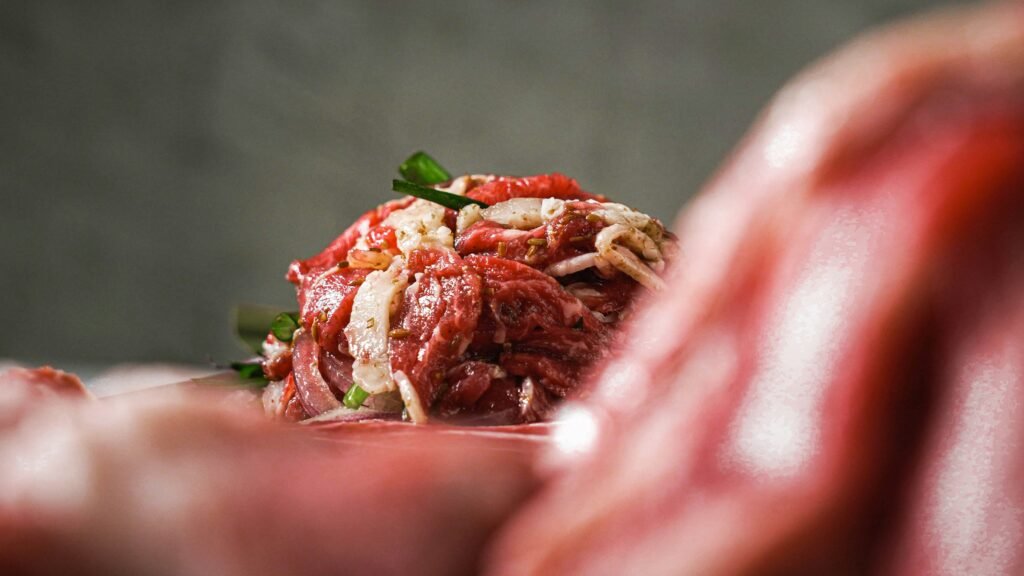
So, you’re curious about organ meats and their reputation as some kind of nutritional powerhouse? It’s absolutely true. Think of organ meats not as culinary oddities, but as nature’s incredibly concentrated multivitamin. They pack a dense punch of vitamins, minerals, and other vital nutrients that are often harder to come by or present in much lower quantities in typical muscle meats. If you’re looking to seriously boost your nutrient intake, understanding and incorporating organ meats into your diet is a fantastic step.
Organ meats, also known as offal, are essentially the internal organs of animals. This includes things like liver, heart, kidney, and even brain. From a nutritional standpoint, they are astonishing. They are where much of the animal’s metabolic work happens, meaning they are packed with the tools and components needed for those processes.
The Concentrated Nutrient Profile
Compared to muscle meat, organ meats consistently outperform in terms of key micronutrients. They’re not just a little bit better; they’re often orders of magnitude more potent. This concentration stems from the fact that these organs are alive and working, requiring a steady supply of vitamins and minerals to function effectively.
Vitamins Galore
Let’s talk vitamins. Organ meats are exceptional sources of fat-soluble vitamins like A, D, E, and K, as well as a whole suite of B vitamins.
- Vitamin A (Retinol): Liver, in particular, is one of the richest sources of preformed vitamin A you can find. This is crucial for vision, immune function, and cell growth. Unlike plant-based beta-carotene, the vitamin A in liver is readily available for your body to use.
- B Vitamins: This is a major win for organ meats. They are loaded with B12, folate (B9), riboflavin (B2), niacin (B3), and B6. These are essential for energy metabolism, brain health, and DNA synthesis. Think of them as the body’s fuel management and repair crew.
- Vitamin D: While often associated with sunlight, certain organ meats, especially liver and fatty fish organs, can provide a good source of vitamin D, which is vital for bone health and immune regulation.
- Vitamin K2: Increasingly recognized for its importance, K2 works with vitamin D to direct calcium to bones and away from soft tissues. Liver and some other organ meats are good sources.
Mineral Might
Beyond vitamins, organ meats are mineral powerhouses.
- Iron: Liver and heart are particularly rich in heme iron, the type that’s most easily absorbed by the body. This is critical for oxygen transport and preventing anemia.
- Zinc: Important for immune function, wound healing, and hormone production. Many organ meats offer bioavailable zinc.
- Selenium: A potent antioxidant that plays a role in thyroid function and protecting cells from damage.
- Copper: Essential for iron metabolism, making new blood cells, and supporting the nervous system.
- Choline: Crucial for brain development, liver function, and neurotransmitter production. Liver is exceptionally high in choline.
- Magnesium: Involved in hundreds of biochemical reactions in the body, including muscle and nerve function, blood sugar control, and blood pressure regulation.
Bioavailability Matters
What makes the nutrients in organ meats so special isn’t just their quantity, but their form. Many of the vitamins and minerals are present in highly bioavailable forms, meaning your body can absorb and utilize them with high efficiency. This is a key difference compared to some nutrients found in plant foods, which may be bound to compounds that hinder absorption.
Liver: The Undisputed Champion
If there’s one organ meat that deserves its own spotlight, it’s liver. For good reason. It’s often referred to as the body’s pharmacy and has been a cornerstone of traditional diets for millennia.
A Nutritional Density Like No Other
Let’s get specific about liver. A typical serving (around 3 ounces or 85 grams) can provide:
- More than your daily recommended intake of: Vitamin A, B12, Riboflavin, Niacin, B6, and Folate.
- Significant amounts of: Iron, Phosphorus, Potassium, Zinc, Copper, Manganese, and Selenium.
The Vitamin A Powerhouse
As mentioned, preformed vitamin A (retinol) in liver is incredibly potent. Just three ounces can significantly exceed the recommended daily allowance. This is crucial for maintaining healthy vision, a robust immune system, and proper cell differentiation. Too little vitamin A can lead to problems with night vision and weaken your ability to fight off infections.
B Vitamins for Energy and Brain Function
The sheer volume of B vitamins in liver is staggering. Vitamin B12 is absolutely critical for nerve function and the formation of red blood cells. Folate is essential for DNA synthesis and cell division, making it vital during pregnancy. Riboflavin (B2) and Niacin (B3) are key players in converting food into energy.
Iron’s Best Friend
For anyone looking to combat iron deficiency, liver is a go-to. The heme iron content is high and highly absorbable, far more so than non-heme iron found in plants. This is crucial for carrying oxygen throughout your body and preventing fatigue.
Addressing Common Concerns About Liver
Despite its incredible nutritional profile, liver often gets a bad rap. Let’s clear some things up.
“Is it bad to eat too much liver?”
While liver is incredibly nutritious, it’s also very high in fat-soluble vitamins (especially A). Consuming excessively large amounts very frequently could theoretically lead to vitamin A toxicity, though this is rare and usually associated with extreme consumption. Moderation and variety are always good principles. A regular serving once or twice a week is generally considered safe and beneficial for most people.
“What about toxins?”
This is a common misconception. The liver’s job is to filter toxins from the blood. However, this doesn’t mean the liver itself stores toxins in a harmful way. When an animal is healthy, its liver is constantly processing and eliminating harmful substances, not accumulating them. It’s more like a sophisticated processing plant than a toxic waste dump. Choosing liver from healthy, well-raised animals is always the best approach.
Heart: The Uns’ung Hero of Nutrients

The heart might not be the first organ that comes to mind for most people, but it’s a seriously underrated nutritional powerhouse. It’s a muscular organ, and like other muscles, it’s rich in protein and essential nutrients.
A Lean Source of Protein and CoQ10
Heart meat is a fantastic source of high-quality protein, essential for muscle building, repair, and overall body function. It’s often leaner than muscle meats like steak, making it a great option for those looking to manage fat intake.
Coenzyme Q10 (CoQ10) Abundance
One of the standout nutrients in heart is Coenzyme Q10 (CoQ10). This compound is vital for energy production within your cells, particularly in the mitochondria. It also acts as a powerful antioxidant, protecting your cells from oxidative damage.
- Energy Production: CoQ10 is like the spark plug for your cells’ energy factories. Without enough of it, your cells can’t produce energy efficiently.
- Antioxidant Power: This helps combat free radicals, which are unstable molecules that can damage cells and contribute to aging and disease.
- Heart Health Support: Given that it’s heart tissue, it’s perhaps no surprise that CoQ10 is heavily linked to cardiovascular health. It plays a role in maintaining healthy blood pressure and supporting overall heart function.
Beyond CoQ10: A Spectrum of Benefits
Heart meat offers a well-rounded profile of other important nutrients.
B Vitamins and Essential Minerals
You’ll find a good complement of B vitamins in heart, including B12, niacin, and riboflavin, contributing to energy metabolism and nerve function. It also provides essential minerals like iron, zinc, and selenium, supporting immune health and oxygen transport.
Amino Acid Profile
Heart is rich in amino acids, the building blocks of protein. It contains a good balance of essential amino acids that your body can’t produce on its own, making it a complete protein source.
Kidney, Brain, and Other Organs: A Nutrient Variety Bag

While liver and heart often steal the show, other organ meats offer their own unique nutritional advantages and can further diversify your nutrient intake.
Kidney: A Nutrient-Dense Powerhouse
Kidneys are incredibly active organs and thus packed with nutrients. They are particularly rich in:
- Vitamin D: A good source for bone health and immune function.
- Selenium: An important antioxidant.
- Amino Acids: Contributing to protein synthesis.
- Minerals: Including iron and zinc.
Their unique nutrient profile can complement what you get from other organ meats.
Brain: A Source of Healthy Fats and Nutrients
Animal brains, particularly from grass-fed sources, are incredibly rich in healthy fats, including omega-3 fatty acids. They are also a significant source of:
- DHA: A crucial omega-3 fatty acid for brain health and function.
- Choline: Vital for neurotransmitter production and cell membrane structure.
- Phospholipids: Essential components of cell membranes.
When considering brain, it’s paramount to focus on the source of the animal to minimize potential exposure to contaminants.
Other Organs: A World of Possibilities
- Spleen: Can be a good source of iron and other minerals.
- Tripe (Stomach Lining): While often considered a delicacy, it offers protein and some minerals.
Each organ has a slightly different composition, allowing you to build a really comprehensive nutritional base by including a variety.
Practical Tips for Incorporating Organ Meats
| Organ Meat | Nutrient Content |
|---|---|
| Liver | High in vitamin A, B vitamins, iron, and copper |
| Heart | Rich in CoQ10, B vitamins, and iron |
| Kidney | Good source of B vitamins, iron, and selenium |
| Brain | High in omega-3 fatty acids, B vitamins, and phosphorus |
Thinking about adding organ meats to your diet can feel a bit daunting. The key is to start small, experiment with different preparations, and focus on quality.
Start Small and Gentle
If you’re new to organ meats, don’t jump straight into a giant plate of liver and onions. Begin with smaller portions or milder preparations.
- Mixing: Grind liver and mix small amounts into ground beef for burgers or meatloaf. This dilutes the strong flavor while still getting the benefits.
- Milder Flavors: Chicken or duck liver is often considered milder than beef or lamb liver.
- Heart: Heart is surprisingly similar to regular muscle meat when cooked properly, often described as a bit like tender steak.
Cooking Techniques That Shine
How you cook organ meats can make a huge difference in taste and texture.
Searing and Sautéing
Liver and heart are excellent when quickly seared or sautéed. High heat for a short time helps retain moisture and creates a pleasant texture. Overcooking can make them tough and dry.
- Liver: Sautéed with onions and a touch of butter or ghee is a classic for a reason. A quick sear is key.
- Heart: Can be sliced and sautéed, or if it’s a larger cut, it can benefit from braising or stewing for a longer period, similar to tougher cuts of muscle meat.
Grinding and Blending
As mentioned, grinding organ meats can make them more approachable. This is also useful for adding them to:
- Sausages: A small percentage of liver can boost the nutrient profile of homemade sausages.
- Pâtés and Spreads: Classic ways to prepare liver that can be incredibly delicious and approachable.
Braising and Stewing
Tougher organs or larger cuts can be tenderized beautifully through slow cooking. Braising in broth with aromatics can transform their texture and flavor.
Sourcing Quality Matters
The quality of the animal directly impacts the quality of the organ meat.
- Look for Grass-Fed and Pasture-Raised: Animals raised on their natural diets tend to be healthier and produce more nutrient-dense organs. This is especially important for organs that might be more prone to accumulating environmental contaminants.
- Reputable Butchers and Farmers Markets: These are your best bet for finding high-quality organ meats. Talk to your butcher about where their animals come from.
The Bottom Line: Nature’s Nutrient Toolkit
Organ meats are not just an old-fashioned food; they are a strategically valuable addition to a nutrient-optimized diet. They offer a concentrated dose of vitamins, minerals, and beneficial compounds that are difficult to match with other foods.
Filling Nutritional Gaps
In today’s world, even with a seemingly healthy diet, it can be challenging to consistently meet all your micronutrient needs. Organ meats act as a potent way to fill those gaps, particularly for nutrients like B12, folate, vitamin A, and iron.
Supporting Energy and Vitality
The high nutrient density, especially the B vitamins and CoQ10 found in organ meats, can have a profound impact on energy levels and overall vitality. They provide the building blocks and co-factors your body needs to function optimally.
A Return to Traditional Wisdom
Historically, whole-animal utilization, including organs, was commonplace. This wasn’t just about frugality; it was likely a recognition of the incredible nutritional benefits these foods provided. Rediscovering and reincorporating organ meats is a way of tapping into that ancestral wisdom for modern health.
Ultimately, embracing organ meats is about making a conscious choice to maximize your nutrient intake using some of nature’s most efficient and potent offerings. Don’t let apprehension hold you back; with a little experimentation and a focus on quality, you can unlock the incredible power of organ meats.
FAQs
What are organ meats?
Organ meats are the edible internal organs of animals, such as liver, heart, kidneys, and brain. These meats are highly nutritious and have been consumed by humans for centuries.
What nutrients do organ meats contain?
Organ meats are rich in essential nutrients such as vitamins A, B, D, E, and K, as well as minerals like iron, zinc, and selenium. They also contain high-quality protein and healthy fats.
How can organ meats benefit health?
Organ meats are considered nature’s most potent multivitamin due to their high nutrient content. They can support overall health, boost energy levels, improve immune function, and contribute to optimal brain function.
Are there any potential risks associated with consuming organ meats?
While organ meats are highly nutritious, they can also contain high levels of cholesterol and purines. Individuals with certain health conditions, such as gout or high cholesterol, should consume organ meats in moderation.
How can organ meats be incorporated into a diet?
Organ meats can be prepared in various ways, such as grilling, sautéing, or adding them to soups and stews. They can also be ground and mixed with other meats for added nutrition. Incorporating organ meats into a balanced diet can provide a wide range of essential nutrients.