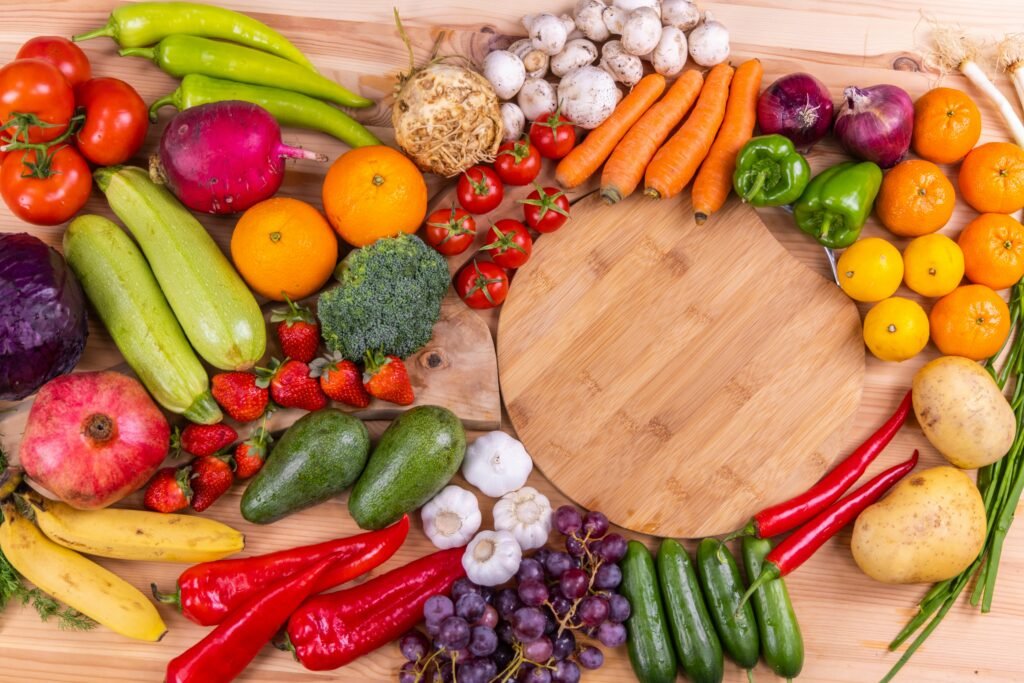
So, you’ve heard about the 80/20 rule in nutrition, and you’re wondering what it’s all about and if it’s actually something you can stick with for the long haul. The short answer is: yes, it’s a fantastic way to build a healthy lifestyle without feeling like you’re constantly depriving yourself. Essentially, the 80/20 rule means aiming for nutritious, balanced choices about 80% of the time, and allowing for those less “perfect”, more enjoyable foods the other 20%. It’s less about rigid rules and more about finding a realistic, sustainable balance.
What Exactly is the 80/20 Rule in Nutrition?
At its core, the 80/20 rule is a principle that encourages moderation and flexibility rather than strict, all-or-nothing dieting. Instead of aiming for a 100% “perfect” diet – which is often unrealistic and unsustainable – you focus on making nutrient-dense, health-promoting food choices the vast majority of the time. The remaining 20% is where you build in room for flexibility, enjoyment, and those foods that might not be considered “health foods” but bring you joy.
This isn’t about counting every single calorie or macro-nutrient precisely. It’s more of a habit-building framework. Think of it as a mental guideline: “Most of the time, I’m going to choose foods that nourish my body and make me feel good. Occasionally, I can enjoy something else without guilt.” This approach is what makes it so effective for long-term lifestyle change.
The beauty of this rule lies in its adaptability. For some, 80/20 might mean 80% of their meals are thoughtfully planned and feature whole foods, while 20% might be a spontaneous treat or a less ideal meal out. For others, it could be about 80% of their daily calorie intake coming from nutritious sources, leaving 20% for less nutrient-dense but enjoyable items. The key is to find what works for your life, your preferences, and your goals.
It’s crucial to understand that this isn’t an excuse to gorge on junk food for 20% of your week. The 20% is meant for genuine enjoyment, social occasions, or simply satisfying a craving, not for overindulgence to the point of derailing your progress or making you feel unwell. It’s a celebration of balance and recognizing that life involves more than just strict adherence to dietary dogma.
Why the 80/20 Rule Works for Long-Term Health
The main reason the 80/20 rule is so championed for building a sustainable, healthy lifestyle is its psychological appeal. Diets that demand perfection often foster a sense of restriction, which can lead to feelings of deprivation. This, in turn, can trigger cravings, binge eating, and a cycle of guilt and self-blame when the inevitable “slip-up” occurs. The 80/20 rule bypasses this by proactively building in flexibility.
When you know you have that 20% “buffer,” you’re less likely to feel like a failure if you have a cookie or a slice of pizza. Instead, it’s just part of your dietary landscape. This reduces the psychological burden and makes it easier to get back on track with your healthy habits without feeling the need to “start over” or declare the whole week ruined. This mental freedom is a massive win for adherence.
Furthermore, this approach acknowledges that life happens. There will be birthdays, holidays, dinner parties, and days when you’re simply too tired to cook a perfectly balanced meal. The 80/20 rule allows you to navigate these situations without abandoning your health goals entirely. It’s about resilience and being able to adapt to different circumstances while still prioritizing your well-being.
It also fosters a healthier relationship with food. Instead of labeling foods as “good” or “bad,” the 80/20 rule encourages a more nuanced view. Foods are generally more or less nutrient-dense. The aim is to consume more of the nutrient-dense ones, but it doesn’t mean the others are inherently evil. This can help reduce food anxiety and create a more peaceful, enjoyable eating experience.
Implementing the 80/20 Rule: Practical Strategies
Putting the 80/20 rule into practice isn’t complicated, but it does require a conscious effort and some planning. It’s about building habits that support your 80% and then mindfully enjoying your 20%.
Focusing on the 80%: Nourishment First
This is the foundation. When you’re aiming for 80% nutritious choices, you’re prioritizing foods that provide your body with essential vitamins, minerals, fiber, and lean protein. This doesn’t mean eating bland, uninspiring food. It means making smart, informed choices most of the time.
Building Balanced Meals
The easiest way to achieve your 80% is by consistently building balanced meals. This means ensuring each meal includes a source of lean protein, healthy fats, and plenty of fiber-rich carbohydrates.
- Protein Power: Think chicken, fish, beans, lentils, tofu, eggs, and lean beef. Protein helps you feel full and satisfied, which is key when you’re trying to make healthier choices.
- Healthy Fats: Avocado, nuts, seeds, olive oil, and fatty fish like salmon. These are important for hormone production, nutrient absorption, and satiety.
- Fiber-Rich Carbohydrates: This is where you load up on fruits, vegetables, whole grains (quinoa, oats, brown rice), and starchy vegetables like sweet potatoes. These provide energy and essential nutrients.
The Power of Vegetables
Aim to fill at least half your plate with non-starchy vegetables. They are packed with vitamins, minerals, and fiber, and are relatively low in calories. This is a simple yet incredibly effective way to boost your nutrient intake significantly within your 80%. Think colorful salads, steamed broccoli, roasted Brussels sprouts, or a hearty vegetable soup.
Hydration Habits
Don’t forget to drink enough water. Staying well-hydrated is crucial for overall health and can even help manage hunger cues. Replace sugary drinks, which often fall into your less nutritious 20%, with water, herbal tea, or sparkling water.
Incorporating the 20%: Mindful Indulgence
The 20% isn’t a free-for-all. It’s about intentional enjoyment. This might mean a slice of cake at a birthday party, a small bag of chips with a movie, or a richer meal when dining out with friends. The goal is to savor these moments without letting them become the norm or leading to any guilt.
What Fits in Your 20%?
- Treats you genuinely enjoy: Don’t waste your 20% on something you don’t really like just because you “should.” Choose something that truly brings you pleasure.
- Social occasions: Often, the less “healthy” options are what’s available or expected when you’re out with friends and family.
- A spontaneous craving: Sometimes you just want something specific. If it’s not a daily occurrence, it can fit.
- Less nutrient-dense meals: This could be a restaurant meal that’s higher in sodium or fat than your usual homemade fare.
Portion Control is Key
Even within your 20%, mindful portion control is still advisable. A single cookie is very different from eating half a pack. A small serving of fries is different from a large. The aim is to satisfy the craving, not to overdo it.
Being Mindful and Present
When you do indulge in your 20%, try to be present and savor the experience. Notice the taste, texture, and aroma. This mindful approach can actually increase your satisfaction with smaller portions and prevent you from mindlessly overeating.
Common Pitfalls and How to Avoid Them
While the 80/20 rule is generally forgiving, there are still ways it can go slightly off the rails if you’re not careful. Recognizing these potential pitfalls beforehand can help you navigate them smoothly.
The Slippery Slope to 50/50 or Worse
The biggest danger is when your 20% starts creeping up. It’s easy for one treat to become two, or for a less ideal meal to lead to a few days of similar choices. This can happen gradually and before you know it, you’re no longer operating from a place of strong healthy habits.
- Self-Awareness: Regularly check in with yourself. Are you sticking to the spirit of the rule? Keep a mental tally or even a quick note if you find yourself consistently overstepping your 20%.
- Recognize Triggers: What situations or emotions lead you to stray from your 80%? If stress often leads to snacking on less healthy foods, develop alternative stress-management techniques.
Guilt as a Rule-Breaker
Ironically, the guilt that the 80/20 rule is designed to combat can sometimes become a barrier. If you “mess up,” it’s easy to feel like you’ve failed and abandon your efforts for the rest of the day or week.
- Reframe “Mistakes”: Every meal is a new opportunity. One less-than-ideal choice doesn’t negate all the good choices you’ve made. Just get back to your 80% at the next meal or the next day.
- Focus on Progress, Not Perfection: The 80/20 rule is about consistent effort over time, not about being perfect every single moment. Celebrate the wins and learn from the deviations.
Defining “Healthy” and “Unhealthy”
While we use these terms, it’s important to remember that it is a spectrum. Not all foods are created equal in terms of nutritional value, but very few foods are entirely devoid of redeeming qualities in moderation.
- Focus on Nutrient Density: When aiming for your 80%, prioritize foods that pack a lot of nutrients for their calorie count. This includes fruits, vegetables, lean proteins, whole grains, and healthy fats.
- Enjoyment Factor in 20%: For your 20%, focus on foods that bring you genuine pleasure and satisfaction. These might be lower in nutrient density but can be part of a balanced life.
The 80/20 Rule and Specific Goals
The 80/20 rule is incredibly versatile and can be applied to various health goals. It’s not a one-size-fits-all prescription, but a framework that can be tweaked.
Weight Management with 80/20
For weight management, the 80/20 rule is highly effective because it promotes a calorie deficit (through consistent nutrient-dense choices) while preventing the rebound overeating that often derails restrictive diets.
- Calorie Awareness (Subtle): While you’re not meticulously counting, consistently choosing the 80% of nutrient-dense foods naturally helps manage calorie intake. These foods are often more filling, reducing the desire for calorie-dense, less nutritious options.
- Satisfaction is Key: The 20% allows for occasional indulgences that can prevent intense cravings from building up, making it easier to stick to the overall calorie goals needed for weight loss or maintenance.
Building Muscle and Performance
Athletes and those focused on muscle building can also benefit from the 80/20 approach. The focus remains on fueling the body with adequate protein and carbohydrates for energy and recovery.
- Prioritize Protein: The 80% should heavily feature lean protein sources to support muscle repair and growth.
- Fueling Workouts: Nutrient-dense carbohydrates are essential for energy during training. The 20% might include slightly more indulgent carbohydrates or pre- and post-workout treats that align with your performance goals.
Managing Specific Dietary Needs or Sensitivities
Even with specific dietary requirements, the 80/20 rule can be adapted. The “80%” simply becomes defined by your specific needs.
- For Allergies/Intolerances: If you have a severe allergy or intolerance to certain foods, those foods are automatically outside your 80% and effectively “forbidden” for health reasons, not just preference. Your 80% would focus on a wider range of compliant, nutritious foods.
- For General Health Concerns: If you’re managing conditions like high blood pressure or diabetes, your 80% would be tailored to those specific health recommendations, focusing on low-sodium, low-sugar, and high-fiber options. The 20% would then be within those boundaries.
Making it Your Own: Personalizing the 80/20 Approach
The true power of the 80/20 rule lies in its adaptability. There’s no single “right” way to implement it; it’s about finding what resonates with your lifestyle, your preferences, and your goals.
Defining “80%” and “20%” for You
This is the most critical step. For some, 80/20 might be a daily ratio. For others, it might be more flexible, perhaps focusing on 80% of meals being well-balanced throughout the week.
- Daily vs. Weekly: Do you find it easier to track daily, or can you look at your week as a whole and ensure that over seven days, you’re hitting your 80% nutritious choices? A weekly approach can offer more flexibility for social events.
- Meal-Based vs. Calorie-Based: Are you thinking in terms of entire meals, or are you more concerned about the overall nutritional breakdown of your daily intake?
- Consider Your Schedule: If you have a demanding work schedule or frequent social engagements, a weekly approach might be more sustainable than trying to hit a strict daily ratio.
Listening to Your Body’s Cues
Beyond the numbers, the 80/20 rule encourages you to pay attention to how different foods make you feel. This is a much more intuitive and sustainable approach to health.
- Energy Levels: Do your “80%” foods leave you feeling energized and focused? Do your occasional “20%” choices lead to sluggishness or discomfort?
- Digestive Health: Pay attention to how your body reacts to different foods. This can guide your choices within both your 80% and your 20% to promote better overall well-being.
- Mental State: Notice if specific foods or eating patterns contribute to anxiety or mood swings.
The 80/20 Rule is Not a License for Excess
It’s important to reiterate that the 20% is not a free pass to overindulge. It’s about enjoying a treat or a less nutritious meal in a controlled and mindful way.
- Quality over Quantity: Even within your 20%, consider the quality of what you’re choosing. A small portion of gourmet chocolate might be more satisfying and less detrimental than a large bag of processed sweets.
- Avoid Binges: The goal is mindful indulgence, not allowing extreme cravings to lead to binges that undo your progress. If you find yourself consistently overeating in your 20%, it might be a sign that your 80% isn’t satisfying enough, or you need to re-evaluate your strategy.
In conclusion, the 80/20 rule of nutrition is a practical, friendly, and highly effective way to build a sustainable healthy lifestyle. It removes the pressure of perfection and fosters a positive, balanced relationship with food. By focusing on nourishing your body the majority of the time, you create a sturdy foundation that allows for enjoyment and flexibility. This approach isn’t about deprivation; it’s about a smart, adaptable way to live a healthier, happier life without feeling like you’re on a diet. It’s about consistency, self-compassion, and finding a rhythm that works for you.
FAQs
What is the 80/20 rule of nutrition?
The 80/20 rule of nutrition is a principle that suggests focusing on eating healthy, nutrient-dense foods 80% of the time and allowing for more flexibility or indulgence 20% of the time. This approach aims to promote a sustainable and balanced approach to eating.
How can the 80/20 rule benefit a healthy lifestyle?
Following the 80/20 rule of nutrition can benefit a healthy lifestyle by allowing for flexibility and enjoyment in eating, reducing feelings of deprivation, and promoting a sustainable long-term approach to nutrition. It can also help individuals maintain a healthy relationship with food.
What are examples of foods that fit into the 80% nutrient-dense category?
Foods that fit into the 80% nutrient-dense category include fruits, vegetables, whole grains, lean proteins, healthy fats, and legumes. These foods provide essential nutrients, vitamins, and minerals that support overall health and well-being.
How can someone implement the 80/20 rule into their daily eating habits?
To implement the 80/20 rule into daily eating habits, individuals can focus on consuming nutrient-dense foods such as fruits, vegetables, and lean proteins for the majority of their meals, while allowing for occasional indulgences or treats in moderation.
Is the 80/20 rule suitable for everyone?
The 80/20 rule of nutrition can be a suitable approach for many individuals, as it promotes balance and flexibility. However, it’s important for each person to consider their own unique nutritional needs and consult with a healthcare professional if they have specific dietary concerns or health conditions.