Let’s talk about Vitamin A. It’s a nutrient you’ve probably heard about, often tied to good eyesight and healthy skin. But what’s the real deal? Can a few tweaks to your diet actually make a noticeable difference in how well you see and how your skin looks? The short answer is yes, Vitamin A plays a crucial role in both, and getting enough of it from your food is entirely achievable. This isn’t about magic pills; it’s about understanding what foods provide this essential vitamin and incorporating them into your everyday meals.
Why Vitamin A Matters for Your Eyes
When we talk about Vitamin A and vision, it’s not just a saying; it’s a biological fact. Vitamin A is a fundamental building block for the pigments in your eyes responsible for seeing, especially in low light. Without enough of it, your eyes struggle to adapt to darkness, a condition commonly known as night blindness. But its role goes deeper than just seeing at night.
How Vitamin A Helps You See
- The Rhodopsin Connection: The primary way Vitamin A supports vision is through its role in creating rhodopsin. This is a protein found in the photoreceptor cells (rods) of your retina. Rhodopsin is incredibly sensitive to light. When light hits rhodopsin, it triggers a signal that your brain interprets as vision. Vitamin A is a key component of this molecule. Think of it like a dimmer switch for your eyes; Vitamin A helps ensure that switch works efficiently, allowing you to see in varying light conditions. When Vitamin A levels are low, your body can’t produce enough rhodopsin, making it harder for your eyes to pick up faint light, leading to that characteristic difficulty seeing in dim environments.
- Beyond Night Vision: While night blindness is the most well-known vision issue linked to Vitamin A deficiency, its importance doesn’t stop there. Vitamin A is also crucial for maintaining the health of the cornea, the transparent outer layer of your eye. A healthy cornea is essential for clear vision. It acts like a lens, focusing light onto the retina. Vitamin A helps nourish and protect these surface cells, preventing them from drying out and becoming damaged. This can play a role in preventing more serious conditions that affect vision over time.
- Surface Cell Health: All the epithelial cells in your body, including those that line your eyes, mouth, lungs, and skin, rely on Vitamin A for their proper development and maintenance. This means Vitamin A helps ensure these cells are functioning correctly, which is vital for both protection and optimal performance of these organs. For the eyes, this translates to a healthier, more resilient surface that can better protect against infection and damage.
What Happens If You Don’t Get Enough?
- Early Signs: The first signs of Vitamin A deficiency typically manifest as reduced ability to see in dim light. You might notice it becomes harder to navigate a dimly lit room, read menus in a restaurant, or see clearly when driving at night.
- Progression: If the deficiency persists, the eye problems can worsen. The cornea can become dry, leading to pain, irritation, and a higher risk of infection. In severe cases, this can lead to irreversible damage and even blindness. This is why ensuring adequate Vitamin A intake is so important, especially in regions where diets might be lacking in this nutrient.
Vitamin A for Your Skin: More Than Just a Glow
When it comes to skin, Vitamin A is often discussed in relation to its active forms, like retinoids, which are a staple in many skincare products. But getting Vitamin A from your diet is also incredibly beneficial for maintaining healthy, resilient skin. It impacts skin cell turnover, repair, and its natural protective barrier.
How Vitamin A Benefits Your Skin
- Cell Turnover and Renewal: Your skin is constantly regenerating. New skin cells are produced in the deeper layers and gradually move to the surface, where they eventually shed. Vitamin A plays a critical role in this process. It signals skin cells to divide and differentiate correctly, ensuring that new skin is healthy and functional. This regular turnover helps remove old, damaged skin cells and replace them with fresh ones, contributing to a smoother, brighter complexion. Think of it as a natural exfoliation and renewal system powered by Vitamin A.
- Collagen Production and Skin Elasticity: Collagen is the protein that gives your skin its structure, firmness, and elasticity. As we age, collagen production naturally declines, leading to wrinkles and sagging. While Vitamin A doesn’t directly produce collagen in the same way that Vitamin C is often cited, it helps to support the body’s ability to produce and maintain collagen. By promoting healthy cell function and repair, Vitamin A indirectly contributes to the upkeep of collagen, which helps keep your skin looking and feeling more plump and youthful.
- Sebum Regulation and Acne: This is where Vitamin A’s role in skin gets really interesting, especially for those prone to breakouts. Vitamin A helps regulate the production of sebum, the natural oil your skin produces. Both too much and too little sebum can cause skin issues. Too much can clog pores and contribute to acne, while too little can lead to dryness and a compromised skin barrier. Vitamin A helps strike a healthier balance, making it a valuable nutrient for managing oily and acne-prone skin.
- Wound Healing and Repair: Beyond daily maintenance, Vitamin A is also vital for the skin’s ability to heal itself. It supports the growth of new blood vessels and the formation of connective tissue, both of which are essential for repairing damaged skin. Whether it’s a minor cut, a scrape, or even the cellular damage caused by sun exposure, Vitamin A helps the body’s repair mechanisms function more effectively.
Sources of Vitamin A: Preformed vs. Beta-Carotene
Understanding where to get your Vitamin A is key. There are two main forms of Vitamin A found in food: preformed Vitamin A (retinoids) and provitamin A carotenoids (like beta-carotene). Your body can use both, but they come from different food sources.
Preformed Vitamin A (Retinol)
- Animal-Based: Preformed Vitamin A is found directly in animal products. Your body can use this form of Vitamin A immediately without needing to convert it. This is often called retinol.
- Rich Sources: The most concentrated sources of preformed Vitamin A are liver (especially beef and chicken liver), fish liver oils (like cod liver oil), and dairy products like milk and cheese if they are fortified. Eggs also contain a good amount.
- Absorption: Because it’s ready-to-use, preformed Vitamin A is very easily absorbed and utilized by the body. However, it’s also possible to consume too much preformed Vitamin A from very high sources, which can be toxic. This is why moderation is key, especially with liver consumption.
Provitamin A Carotenoids (Beta-Carotene)
- Plant-Based: These are the Vitamin A precursors found in plants. The most well-known is beta-carotene, which gives many fruits and vegetables their vibrant orange, yellow, and red colors.
- Conversion is Key: Your body needs to convert provitamin A carotenoids into active Vitamin A (retinol) in the intestines and liver. The amount your body converts depends on its needs. If you have enough Vitamin A, your body won’t convert as much. This makes provitamin A a safer option for avoiding Vitamin A toxicity.
- Absorption Factors: The absorption of beta-carotene can be influenced by the presence of fat in your meal. Eating colorful fruits and vegetables with a source of healthy fat (like avocado or olive oil) can help your body absorb more of the beta-carotene.
The Best Foods for Sharp Eyes and Glowing Skin
Now for the practical part: what should you be eating? Fortunately, many delicious and common foods are packed with Vitamin A in both its forms, making it easy to get your fill. Focus on a varied diet, and you’ll be well on your way to better vision and healthier skin.
Top Animal Sources (Preformed Vitamin A)
- Beef Liver: This is the undisputed champion of Vitamin A. A small serving can provide far more than your daily requirement. If you can stomach it, include it in your diet occasionally. Pro Tip: Try liver pate or finely minced liver mixed into ground meat dishes to make it more palatable.
- Cod Liver Oil: A spoonful a day can not only boost your Vitamin A but also provide essential Omega-3 fatty acids. Be mindful of the taste; some people find it quite strong. Consider capsules if the liquid is too much.
- Eggs: A versatile and accessible source. Enjoy them scrambled, boiled, or in omelets. They offer a good balance of nutrients, including Vitamin A.
- Dairy Products: Many milks, yogurts, and cheeses are fortified with Vitamin A. Check the labels. Full-fat dairy products generally contain more natural Vitamin A than their low-fat counterparts.
- Fish: Certain fatty fish, like salmon and mackerel, contain preformed Vitamin A, though not as concentrated as liver.
Top Plant Sources (Beta-Carotene)
- Sweet Potatoes: These vibrant tubers are nutritional powerhouses. They are incredibly rich in beta-carotene and also provide fiber and other vitamins. Roast them, mash them, or add them to stews.
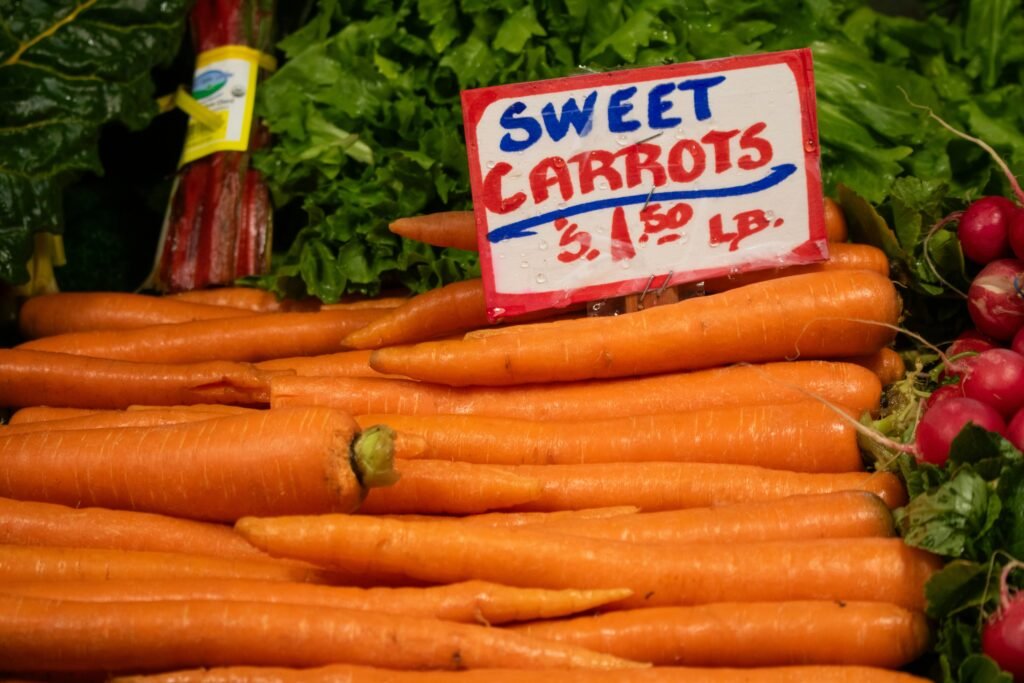
- Carrots: The classic association with carrots and eye health comes from their high beta-carotene content. They’re crunchy, versatile, and readily available. Eat them raw as a snack, add them to salads, or cook them in various dishes.
- Spinach and Kale: These leafy greens are nutritional giants. Dark leafy greens are packed with beta-carotene, as well as a host of other essential vitamins and minerals. Include them in smoothies, salads, stir-fries, or wilt them as a side dish.
- Cantaloupe and Apricots: Many orange and yellow fruits are good sources of beta-carotene. Cantaloupe provides a refreshing way to get your Vitamin A, and dried apricots are a concentrated source. Enjoy melon as a breakfast fruit, and keep dried apricots on hand for a quick snack.
- Pumpkin and Winter Squash: Similar to sweet potatoes, these offer vibrant color and a rich supply of beta-carotene. These are perfect for roasting, making purees, or adding to soups.
Integrating Vitamin A into Your Diet
It’s easier than you think to consciously increase your intake of Vitamin A. It doesn’t require a drastic overhaul of your eating habits, but rather smart choices about what you put on your plate.
Meal Planning Tips
- Breakfast Boost: Start your day with fortified milk or yogurt, or include eggs in your breakfast routine. If you prefer plant-based, a smoothie with spinach and some fruit can be a great way to get beta-carotene.
- Lunchtime Color: Add shredded carrots or spinach to your sandwiches or salads. If you’re making soup, a base of pureed sweet potato or pumpkin can be both nutritious and delicious.
- Dinner Delights: Make sweet potatoes or roasted carrots a side dish with your main meal. Incorporate spinach or kale into pasta dishes, stir-fries, or as a simple steamed side. If you’re adventurous, try adding a small portion of liver to a bolognese sauce or making liver pâté from scratch.
- Snack Smart: Keep pre-cut carrots or dried apricots handy for a quick, Vitamin A-rich snack. A small handful of almonds can also be paired with dried apricots for a healthy fat boost that aids beta-carotene absorption.
Cooking for Maximum Benefit
- Gentle Cooking: While raw is often best for some nutrients, Vitamin A from beta-carotene is actually better absorbed when cooked, especially when combined with a little fat. Lightly steaming, roasting, or sautéing vegetables can break down their cell walls, making the beta-carotene more accessible.
- Pair with Healthy Fats: As mentioned, eating beta-carotene-rich foods with a source of healthy fat is crucial for optimal absorption. This could be a drizzle of olive oil on your roasted carrots, a slice of avocado in your salad, or the natural fats in eggs and dairy.
- Variety is Key: Don’t rely on just one or two foods. A diverse diet ensures you’re getting a broad spectrum of nutrients and prevents potential overconsumption of any single nutrient. Rotating through the different colorful vegetables and fruits will give you the benefits from various sources.
The Bottom Line: Nourish for Healthy Sight and Skin
Vitamin A is a star nutrient when it comes to maintaining your vision, especially as you age, and for keeping your skin looking its best. By understanding the different forms of Vitamin A and where they come from, you can make simple, informed choices to boost your intake. Focusing on a diet rich in colorful vegetables like sweet potatoes, carrots, and leafy greens, along with occasional servings of animal products like eggs and dairy, will go a long way. It’s about consistently nourishing your body with what it needs, and the benefits for your eyes and skin will likely follow, contributing to a feeling of overall well-being.
FAQs
What is Vitamin A and why is it important for vision and skin health?
Vitamin A is a fat-soluble vitamin that is essential for maintaining good vision, particularly in low light conditions. It also plays a crucial role in maintaining healthy skin, as it supports the production of skin cells and helps to protect against UV damage.
What are the best food sources of Vitamin A?
Some of the best food sources of Vitamin A include liver, sweet potatoes, carrots, spinach, kale, and other dark leafy greens. Additionally, dairy products, eggs, and fortified cereals are also good sources of Vitamin A.
Can Vitamin A deficiency lead to vision problems?
Yes, a deficiency in Vitamin A can lead to a condition called night blindness, where it becomes difficult to see in low light. In severe cases, it can also lead to a condition called xerophthalmia, which can cause permanent damage to the cornea and lead to blindness.
Can you consume too much Vitamin A?
Yes, it is possible to consume too much Vitamin A, particularly through supplements. Excessive intake of Vitamin A can lead to symptoms such as nausea, dizziness, and even liver damage. It is important to follow recommended daily allowances and not exceed the tolerable upper intake level for Vitamin A.
How can I incorporate Vitamin A-rich foods into my diet?
You can easily incorporate Vitamin A-rich foods into your diet by including items such as sweet potatoes, carrots, and leafy greens in your meals. Additionally, incorporating dairy products and eggs into your diet can also help ensure an adequate intake of Vitamin A.