You might be wondering if those braces you’re considering are a “too little, too late” kind of situation. The good news is, if you’re thinking about improving your smile, you’re probably not too old for braces. The idea that orthodontics is just for teenagers is a myth that’s thankfully fading fast. In reality, more and more adults are choosing to straighten their teeth for a variety of great reasons. Let’s dive into what you really need to know about adult orthodontics.
Gone are the days when orthodontics was exclusively a teenage rite of passage, marked by a mouth full of metal. Today, adults of all ages are realizing the benefits of straighter teeth. Whether it’s for aesthetic reasons, to improve bite function, or even for better oral health, the field of orthodontics has evolved significantly, offering discreet and efficient options that fit into adult lifestyles.
Why Are More Adults Seeking Orthodontic Treatment?
While many adults might remember the traditional metal braces from their younger years, the reasons for seeking treatment now are often more nuanced. It’s not just about fitting in anymore; it’s about enhancing an already established life.
Enhancing Confidence and Self-Esteem
This is a big one for many adults. A smile you’re proud of can have a profound impact on your social interactions, professional life, and overall self-perception. Feeling self-conscious about crooked teeth can lead people to hide their smiles, which can affect how they come across in conversations and public speaking. When that barrier is removed, people often report feeling more confident and outgoing.
Improving Oral Health and Functionality
It’s not all about looks, though that’s a significant factor. Misaligned teeth can create problems beyond just aesthetics. They can make cleaning difficult, leading to a higher risk of gum disease and cavities. A problematic bite can also contribute to jaw pain, headaches, and even wear and tear on your teeth. Orthodontic treatment can correct these issues, creating a healthier mouth that’s easier to maintain and function correctly.
Addressing Functional Issues for Better Quality of Life
Sometimes, the desire for braces stems from a very practical need. Difficulty chewing certain foods, persistent jaw clicking, or even discomfort when speaking can be linked to misalignment. Correcting these issues through orthodontics can bring significant relief and improve your daily comfort.
Correcting Problems that Worsened Over Time
It’s common for teeth to shift as we age, even if they were relatively straight in our youth. This can be due to genetics, the natural process of aging, or even habits like grinding your teeth. What might have been a minor imperfection in your teens can become a more noticeable issue in your 30s, 40s, or beyond.
What Happens When Adults Get Braces?
The fundamental principles of moving teeth with braces are the same regardless of age. The bones and tissues supporting the teeth are still capable of responding to the gentle, consistent pressure that orthodontic appliances apply.
Your Teeth Can Still Move
The common misconception is that once you reach adulthood, your teeth become “set” and immobile. This isn’t true. While the bone density might be slightly different than in a child or adolescent, the periodontal ligament — the tissue that surrounds the tooth root and anchors it to the bone — remains adaptable. This ligament is key to the process; it remodels itself in response to pressure, allowing the tooth to move.
The Process Might Differ Slightly
While the biological process is the same, an orthodontist will take a slightly different approach when treating adult patients. This usually involves a more thorough examination to understand any existing dental health issues that might influence treatment.
Thorough Initial Consultation
The first step is always a comprehensive assessment. Your orthodontist will want to know about your overall health, any dental work you’ve had done, and your specific goals for treatment. They’ll take detailed X-rays, photographs, and impressions (or digital scans) of your teeth to create a personalized treatment plan. This is where any potential concerns are identified and addressed.
Considering Existing Dental Work
Adults often have a history of dental work, such as fillings, crowns, bridges, or even root canals. Your orthodontist will need to consider these when planning your treatment. For instance, braces might not be suitable for teeth that have undergone extensive restorative work or have severe gum disease. In such cases, alternative treatments or preparatory dental work might be necessary.
Potential for Other Dental Issues
Adults are also more prone to developing issues like gum disease or tooth decay than teenagers. These conditions need to be managed before and during orthodontic treatment. If gum disease is present, braces can sometimes exacerbate it, so your orthodontist will likely recommend a thorough cleaning and potentially treatment by a periodontist before proceeding. Similarly, any cavities need to be filled.
How Long Will Treatment Take?
This is a frequently asked question, and the answer, as is often the case in healthcare, is: it depends. The duration of orthodontic treatment for adults can vary significantly.
Factors Influencing Treatment Length
Several factors come into play. The complexity of the misalignment is a primary driver – simple crowding will generally take less time than significant bite discrepancies or impacted teeth. Your age, while not a direct barrier, can sometimes play a small role if bone density or gum health is a consideration. Crucially, your commitment to wearing your aligners (if using clear aligners) or elastics, and attending your appointments, is paramount. Generally, adult treatment times can range from a few months for minor corrections to 18-24 months for more complex cases.
What Are My Options for Adult Orthodontics?

One of the biggest advancements in adult orthodontics is the variety of discreet and comfortable appliance options available. You don’t have to settle for the traditional “train tracks” if you don’t want to.
Clear Aligners (Invisalign, etc.)
These are perhaps the most popular choice for adults thanks to their near-invisibility and removability.
How They Work
Clear aligners are custom-made, transparent plastic trays that fit snugly over your teeth. You wear a series of these aligners, each designed to move your teeth incrementally towards their target position. You typically change to a new aligner every one to two weeks.
Benefits for Adults
Their translucent appearance makes them hard to notice when worn, making them ideal for those concerned about aesthetics. They are also removable, meaning you can take them out to eat, drink, brush, and floss, which is a huge advantage for maintaining oral hygiene and enjoying your regular diet without restrictions, aside from the usual advice to avoid sticky or hard foods with any orthodontic appliance.
Considerations
Consistency is key with clear aligners. You need to wear them for at least 20-22 hours a day for them to be effective. Missing even a few hours can slow down your progress. Also, while they are discreet, they are not entirely invisible, and some people can still tell you’re wearing them, especially up close.
Ceramic Braces
These are very similar to traditional metal braces but use tooth-colored brackets and wires to blend in with your teeth.
How They Work
Ceramic braces work on the same principle as metal braces: brackets are bonded to your teeth, and a wire is threaded through them, applying gentle pressure. The difference is in the material.
Benefits for Adults
They offer excellent results and are much less noticeable than metal braces, making them a good option for those who want a more visually appealing solution than metal but might not be candidates for, or prefer not to use, clear aligners.
Considerations
Ceramic braces can sometimes be more brittle than metal braces and may require more careful handling to prevent breakage. They can also be slightly larger than metal brackets. The elastic ties used to hold the wire can sometimes stain, especially if you consume staining foods or drinks.
Lingual Braces
These are a less common but highly discreet option where braces are attached to the back of your teeth.
How They Work
The brackets and wires are completely hidden from view since they are on the tongue side of your teeth.
Benefits for Adults
For ultimate discretion, lingual braces are hard to beat. They are worn 24/7 and are therefore highly effective.
Considerations
Lingual braces can take some getting used to. They can initially cause some irritation to your tongue and may affect your speech temporarily. They are also generally more expensive and can be more challenging to clean than other types of braces.
Traditional Metal Braces
While they might not be the first choice for many adults due to their visibility, metal braces are still an effective and often more affordable option.
How They Work
The classic bracket-and-wire system that has been used for decades to move teeth efficiently.
Benefits for Adults
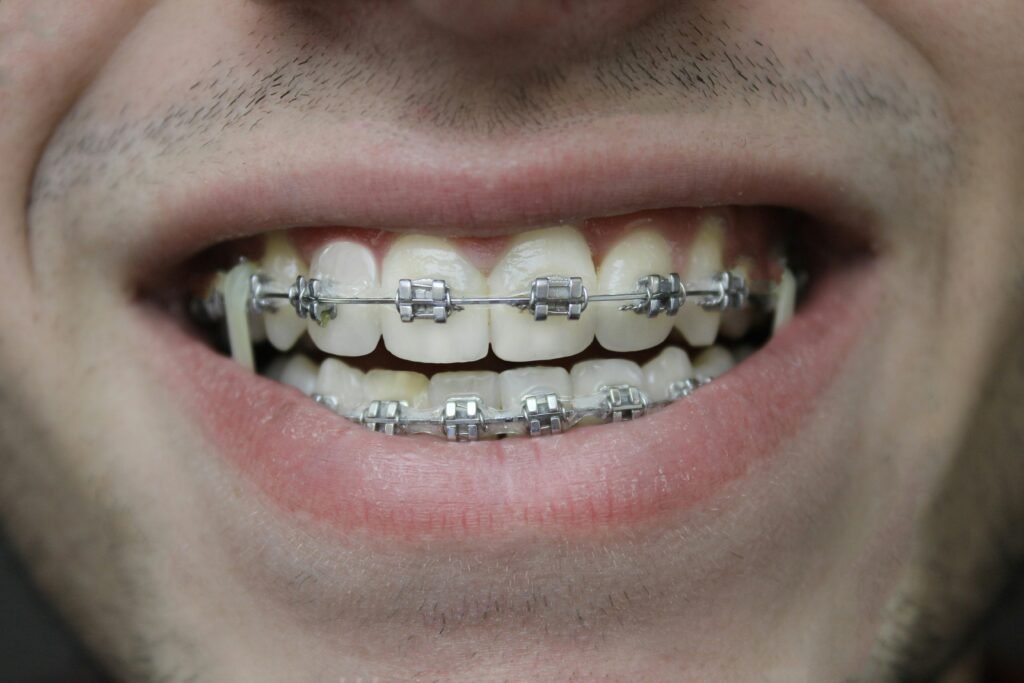
They are incredibly durable and often offer the fastest treatment times for complex cases. They are also generally the most cost-effective option.
Considerations
Their main drawback is their visibility, which can be a significant concern for adults in professional or social settings.
What Are the Benefits of Adult Orthodontics?

Beyond the obvious aesthetic improvements, straightening your teeth as an adult can bring a cascade of positive changes, impacting your health and well-being.
Improved Aesthetics and Confidence
This is often the primary motivation for adults seeking orthodontic treatment.
A More Harmonious Smile
Straightening crowded or overlapping teeth creates a more visually pleasing and balanced smile. This can boost your confidence in social situations, professional environments, and even in personal photos.
Renewed Self-Assurance
When you feel good about your smile, you tend to smile more often. This can lead to a more positive outlook and improved interactions with others. It’s not just about looking better; it’s about feeling and acting better.
Enhanced Oral Health
Misaligned teeth can create hidden problems that impact your long-term oral hygiene.
Easier Cleaning and Maintenance
Straight teeth are much easier to brush and floss effectively. This reduces the buildup of plaque and bacteria, significantly lowering your risk of cavities, gum disease (gingivitis and periodontitis), and bad breath.
Reduced Risk of Tooth Wear and Damage
An improper bite can cause teeth to rub against each other in unnatural ways, leading to excessive wear, chipping, or even breaking. Orthodontic treatment can correct the bite, distributing biting forces more evenly and protecting your teeth.
Better Bite Function and Comfort
The way your teeth come together has a significant impact on your jaw and overall comfort.
Alleviating Jaw Pain and Headaches
Problems like temporomandibular joint (TMJ) disorder can be linked to misaligned bites. Correcting the bite can often relieve symptoms such as jaw pain, clicking sounds, and even tension headaches.
Improved Chewing and Speaking
When your teeth are properly aligned, chewing becomes more efficient. For some, significant misalignment can even affect speech clarity, which orthodontic treatment can help to resolve.
Correcting Long-Standing Issues
Sometimes, people live with dental issues for years before realizing a solution exists.
Addressing Bite Problems that Worsened
As mentioned, teeth can shift over time. What might have been a minor issue in your youth can become more pronounced later in life, affecting your bite and causing discomfort.
Preparing for Other Dental Treatments
In some cases, orthodontic treatment might be a necessary precursor to other dental work, such as implants or cosmetic procedures, to ensure the best possible outcome.
Are There Any Risks or Limitations for Adult Orthodontics?
| Age Range | Percentage of Adults with Braces |
|---|---|
| 18-34 | 80% |
| 35-44 | 45% |
| 45-54 | 33% |
| 55 and older | 20% |
While adult orthodontics is incredibly safe and effective, there are a few considerations that are worth being aware of. Understanding these helps in setting realistic expectations and ensuring a smooth treatment journey.
Gum Health is Paramount
As we age, the health of our gums can impact orthodontic treatment.
Potential for Gum Recession
If you have a history of gum disease or have experienced gum recession, your orthodontist will need to be particularly careful. Braces can sometimes put pressure on areas where gum tissue is already thin. A thorough periodontal evaluation is a standard part of the process for adult patients.
Importance of Excellent Oral Hygiene
Maintaining impeccable oral hygiene throughout orthodontic treatment is crucial for everyone, but especially for adults who may be more susceptible to gum issues and cavity formation. Regular brushing and flossing are non-negotiable.
Bone Density and Healing
While teeth can still move, adult bone might react slightly differently to the forces applied.
Slower Healing or Response
In some instances, the bone remodeling process might be slightly slower in adults compared to adolescents. This is why treatment times can sometimes be longer. However, it rarely prevents treatment altogether.
Considerations for Existing Bone Loss
If significant bone loss has occurred due to periodontal disease, this will be a key factor in treatment planning. The orthodontist will work closely with you and potentially your periodontist to ensure your teeth can be moved safely.
Pre-existing Dental Issues
Adults often have a history of dental work that needs to be accounted for.
Impact of Fillings, Crowns, and Bridges
While braces can usually be placed around existing dental work, there are limitations. For example, a bridge might prevent teeth from moving in a certain way. Your orthodontist will assess each restoration to determine its impact on treatment.
Restorative Work May Be Needed First
Occasionally, significant decay, cracked teeth, or poorly fitting restorations might need to be addressed by a general dentist before orthodontic treatment can begin safely.
The Cost Factor
Orthodontic treatment is an investment.
Understanding the Investment
Adult orthodontics, especially with advanced invisible options, can be a significant financial commitment. It’s important to discuss costs, payment plans, and insurance coverage thoroughly with your orthodontist’s office. Comparing options can help you find a solution that fits your budget and your needs.
Taking the Plunge: What to Expect Next
If you’ve read this far and are still considering adult orthodontics, it’s likely a good idea for you. The next step is straightforward: consultation.
Schedule a Consultation
This is where all your questions will be answered by a professional.
Initial Assessment and Planning
During your consultation, the orthodontist will perform a thorough examination, discuss your goals, and explain your treatment options in detail. They’ll also provide an estimate of the treatment duration and cost. This is your opportunity to understand the entire process.
Discussing Your Goals and Concerns
Be open and honest about what you hope to achieve with orthodontics and any concerns you might have. The more information you provide, the better the orthodontist can tailor a plan for you.
Making an Informed Decision
Once you have all the information, you can weigh the benefits against the investment and make a choice that feels right for you. The decision to get braces as an adult is a personal one, but it’s one that can lead to lasting improvements in your smile, your health, and your confidence. The truth is, for most adults, you are absolutely not too old for braces. The biggest hurdle is often simply taking that first step to explore the possibilities.
FAQs
1. What is the age limit for getting braces?
There is no age limit for getting braces. Many adults choose to undergo orthodontic treatment to improve their smile and overall oral health.
2. What are the benefits of adult orthodontics?
Adult orthodontics can help improve the alignment of teeth, correct bite issues, and enhance overall oral health. It can also boost self-confidence and improve the appearance of the smile.
3. Are there different types of braces for adults?
Yes, there are various types of braces available for adults, including traditional metal braces, clear braces, and invisible aligners. Your orthodontist can help determine the best option for your specific needs.
4. Is it more challenging to straighten teeth as an adult compared to a child or teenager?
While it may take longer to straighten teeth in adults due to the fully developed jaw structure, advancements in orthodontic technology have made it possible to achieve successful results for adult patients.
5. How can I determine if adult orthodontics is right for me?
Consult with an orthodontist to discuss your specific concerns and goals. They can evaluate your oral health and provide personalized treatment options to help you achieve the smile you desire.