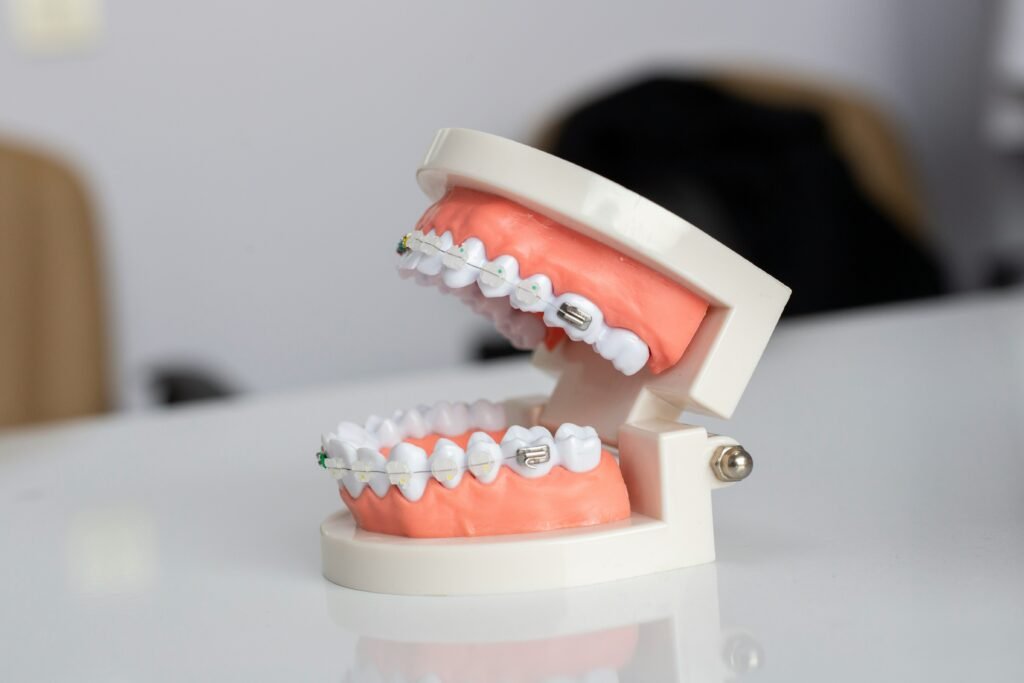
So, your child’s getting ready for their first orthodontic chat? It’s totally normal to feel a bit of a mix of curiosity and maybe a tiny bit of apprehension. What happens in that first appointment? How can you make sure it goes smoothly for everyone, especially your kiddo? Let’s break it down, no big fuss. This guide is here to give you the practical scoop so you can both walk in feeling prepared and, dare I say, even a little excited.
Think of the first orthodontic consultation as a getting-to-know-you session for your child’s mouth and the orthodontist. It’s not about getting braces that day, but rather a thorough assessment. The orthodontist needs to understand what’s going on with your child’s teeth, bite, and jaw, and then explain what their options might be.
The Welcome and Paperwork
When you arrive, you’ll likely be greeted by the orthodontic team. There’s usually some paperwork to fill out – standard stuff like medical history, dental history, and insurance information. This helps the orthodontist get a complete picture of your child’s health. Don’t hesitate to ask questions if anything on the forms is unclear.
The Initial Examination
This is where the main assessment kicks off. The orthodontist will take a close look at your child’s teeth, gums, and jaw. They’ll be checking for things like:
- Alignment of Teeth: Are they straight or crooked? Are there any noticeable gaps?
- Bite: How do the upper and lower teeth come together when your child bites down? This is crucial for understanding any discrepancies.
- Jaw Development: Is the jaw growing as it should? Are there any issues with the way the upper and lower jaws relate to each other?
- Oral Habits: Things like thumb sucking or tongue thrusting can have an impact on tooth and jaw development and might be discussed.
- Overall Oral Health: While not the primary focus of an orthodontic consult, a general check of gum health and cavities is often part of it.
Taking Records: The Digital Snapshot
To get a detailed view, the orthodontist will gather what are called “records.” This typically involves:
- X-rays: Different types might be taken, such as panoramic X-rays (showing all teeth and jaws) and cephalometric X-rays (showing a side profile of the head to assess jaw alignment and tooth positioning). These are essential for understanding what’s happening beneath the surface.
- Models (or Digital Scans): In the past, this meant goopy impressions. Now, many offices use advanced digital scanners to create a 3D model of your child’s teeth. This is much more comfortable and provides a precise representation.
- Photographs: Intraoral (inside the mouth) and extraoral (outside the face) photos help document the current state and track progress later on. Think of them as “before” pictures.
Preparing Your Child: Setting the Stage for Success
Your child’s comfort and understanding are key to a positive experience. A little preparation goes a long way in making them feel confident and less anxious.
Talking About the “Why”
Before you even make the appointment, have a casual chat with your child. Explain why they’re going to see an orthodontist. Frame it positively.
- “The teeth doctor who helps smiles look their best.” Avoid scary terms or making it sound like a punishment.
- “Sometimes teeth need a little help to line up nicely.” Keep it simple and age-appropriate.
- Focus on the benefits: “It can help you chew your food better,” or “It can make your smile even more amazing.”
Normalizing the Experience
Many of their friends might have braces or have had them in the past. You can leverage this.
- “Remember how [friend’s name] got their teeth straightened? This is like that, but they’re going to figure out the best way to help your teeth!”
- If they have questions, answer them honestly but simply. Don’t overload them with complex orthodontic jargon.
Practicing the “Open Wide” Command
It sounds silly, but practicing opening their mouth wide and holding it open for short periods can be helpful.
- “Let’s practice opening super wide, like you’re about to eat a giant slice of pizza!”
- “Can you hold it open while I count to ten?” This makes the examination part feel less novel and intimidating.
What to Ask the Orthodontist: Your Turn to Get Answers

This consultation is as much for you to understand the situation as it is for the orthodontist to assess it. Don’t be shy about asking questions. Write them down beforehand so you don’t forget.
Understanding the Diagnosis
- “What’s your diagnosis? What are the main issues you see with my child’s teeth and bite?” Get a clear, concise explanation of any problems.
- “How severe are these issues?” This helps you gauge the scope of potential treatment.
Treatment Options and Timeline
- “Based on what you see, what are the potential treatment options for [child’s name]?” Inquire about different types of appliances (braces, Invisalign, etc.) and their pros and cons for your child.
- “When do you recommend starting treatment?” Some issues require early intervention, while others can wait.
- “What is the estimated duration of treatment?” Understanding the timeline helps with planning.
- “Will my child need any extractions or other procedures before or during treatment?” This is a common concern for many parents.
The Financials and Logistics
- “What are the estimated costs for the recommended treatment plan?” Get a breakdown of fees.
- “Do you offer payment plans or work with our insurance?” Clarify payment options and how insurance will be handled.
- “What happens if we need to reschedule an appointment?” Understand the office policy.
Beyond the Consult: What Happens Next?

The first visit is just the beginning of the journey. The orthodontist will outline the next steps, and it’s important to know what to expect.
The Treatment Plan Presentation
After reviewing all the records and assessments, the orthodontist will usually schedule a follow-up appointment or present the findings and proposed treatment plan at the end of the first visit, depending on the office’s workflow.
- Detailed Explanation: They’ll explain the recommended treatment, including the type of appliance, the expected duration, and the goals.
- Visual Aids: They might use models, X-rays, or digital simulations to help you and your child visualize the proposed changes.
- Q&A Opportunity: This is your chance to ask any lingering questions about the treatment itself.
Scheduling the Next Appointment
Once you’re comfortable with the plan, the next step is typically scheduling the appliance placement appointment.
- Appliance Placement: This is the day your child gets their braces or other chosen appliance. This appointment can take a bit longer than a regular check-up.
- Instructions: You’ll receive detailed instructions on how to care for the appliance, oral hygiene, and what to eat (and what to avoid!).
Regular Check-ups
Throughout treatment, your child will need regular appointments to have their appliance adjusted and their progress monitored.
- Frequency: These appointments are usually scheduled every 4-8 weeks.
- Purpose: The orthodontist will tighten braces, check tooth movement, and ensure everything is progressing as planned.
Making the Experience Positive: Tips for Parents
| Topic | Metrics |
|---|---|
| Age of Child | 6-7 years old |
| Importance of Consultation | Explaining the process and addressing concerns |
| Questions to Ask | Cost, treatment duration, and options |
| Preparing Child | Explaining the purpose and benefits of orthodontic treatment |
| Follow-up Actions | Scheduling appointments and discussing financial options |
Your attitude and approach can significantly influence your child’s experience. Let’s keep things as upbeat and manageable as possible.
Your Attitude Matters
Children are highly attuned to their parents’ emotions. If you project calmness and confidence, they’re more likely to feel the same.
- Be a Calm Presence: While it’s natural to feel concerned, try not to overshare anxieties with your child. Focus on the positive outcomes.
- Trust the Professionals: You’ve chosen a qualified orthodontist. Trust their expertise and the process.
Keep it Light and Encouraging
A little humor and encouragement can go a long way.
- “This is going to be an adventure in smiling!”
- “We’re on a mission to get you the best smile ever!”
- Celebrate Small Wins: Acknowledge their bravery at the appointment.
Focus on the “After” Smile
Use the anticipation of a great smile as motivation.
- “Think about how awesome your smile will look when you’re done!”
- Look at examples: If the orthodontist provides case studies or photos of completed treatments, show them to your child. This can be very inspiring.
Preparing for your child’s first orthodontic consultation doesn’t need to be complicated. By understanding what to expect, involving your child in the process, and maintaining a positive outlook, you can ensure it’s a smooth and even exciting step towards a healthier, happier smile for them. It’s a journey, and this first appointment is simply the starting point.
FAQs
What is the purpose of an orthodontic consultation for a child?
An orthodontic consultation for a child is a preliminary appointment with an orthodontist to assess the child’s dental and facial development, and to determine if orthodontic treatment is necessary. The orthodontist will also discuss treatment options and answer any questions the child or parent may have.
How can I prepare my child for their first orthodontic consultation?
To prepare your child for their first orthodontic consultation, it’s important to explain the purpose of the appointment in a positive and reassuring manner. You can also discuss any concerns or questions your child may have, and reassure them that the orthodontist is there to help improve their smile.
What should I bring to my child’s first orthodontic consultation?
For your child’s first orthodontic consultation, it’s important to bring their dental and medical history, any relevant x-rays or dental records, and a list of any questions or concerns you may have. It’s also helpful to bring a list of any medications your child is currently taking.
What can my child expect during their first orthodontic consultation?
During your child’s first orthodontic consultation, the orthodontist will conduct a thorough examination of your child’s teeth, jaws, and facial structure. They may also take x-rays, photographs, and impressions of your child’s teeth to help determine the best course of treatment.
What are some tips for making the first orthodontic consultation stress-free for my child?
To make the first orthodontic consultation stress-free for your child, it’s important to maintain a positive and supportive attitude, and to address any concerns or fears your child may have. You can also bring along a favorite toy or comfort item to help your child feel more at ease during the appointment.