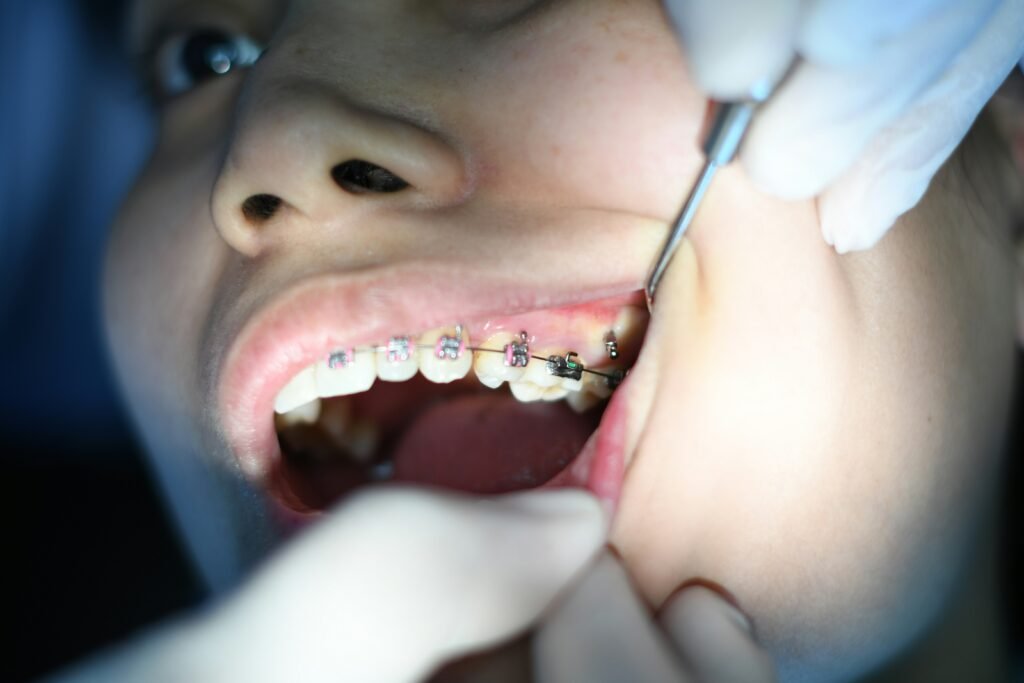
So, you’re thinking about getting braces and you’re trying to figure out which type is best for you? It’s a common question, and honestly, there’s no single “right” answer. It really comes down to what’s most important for you. Generally speaking, ceramic braces are less noticeable than metal braces, but metal braces tend to be a bit tougher and are often more budget-friendly. We’ll break down all the nitty-gritty to help you make the best decision for your smile journey.
When you’re deciding between ceramic and metal braces, one of the biggest factors people consider is how visible they are. Nobody wants to feel self-conscious during their orthodontic treatment, and this is where ceramic braces often shine.
A Look at Ceramic Braces
Ceramic braces are designed with aesthetics in mind. The brackets themselves are made from a translucent or tooth-colored material, which allows them to blend in much better with your natural tooth color.
- The “Invisible” Advantage: The primary appeal of ceramic braces is their subtlety. They are significantly less obvious than the shiny metal brackets of traditional braces, making them a popular choice for adults and teenagers who are concerned about their appearance.
- Color Matching is Key: The effectiveness of ceramic braces in terms of visibility often depends on how well the shade of the ceramic bracket matches your tooth color. Some orthodontists offer a range of shades to get the best possible match.
- Tooth-Colored Wires: While the brackets are the most visible part, the archwires that connect them can also impact the overall look. Often, tooth-colored or white coated wires are used with ceramic braces to further minimize their appearance. However, these coatings can sometimes wear off over time.
- Potential for Staining: It’s worth noting that while the ceramic material itself isn’t prone to staining, the elastic ligatures (the tiny rubber bands that hold the wire to the bracket) can pick up stains from food and drinks. Darker colored foods and beverages like coffee, tea, red wine, and berries are the usual culprits. Brushing and rinsing after consuming these can help, but some discoloration of the elastic ties is pretty common.
The Classic Metal Brace Experience
Metal braces have been the go-to for decades, and for good reason. They’re effective, durable, and generally well-understood by orthodontists. However, they are undeniably more noticeable.
- The Shiny Factor: Metal braces are made from stainless steel, which gives them their signature metallic sheen. This makes them quite prominent on the teeth.
- A Bold Statement: While some people don’t mind the look and even see them as a symbol of their commitment to straightening their teeth, others find them distracting.
- Less Worry About Stains (on the brackets): The metal brackets themselves won’t stain. This means you don’t have to be quite as meticulous about avoiding certain foods and drinks specifically because of the brackets themselves.
- The Ligature Factor Again: Similar to ceramic braces, the elastic ligatures used with metal braces can also stain. However, with metal braces, the stain might be less noticeable against the silver of the brackets compared to a clear or white ligature on a ceramic bracket. Some people opt for “self-ligating” metal braces, which don’t use elastic ties at all and have a built-in mechanism to hold the wire. These can also be less noticeable than traditional metal braces with colored elastics.
Durability: Which Can Withstand Daily Life?
When you’re undergoing orthodontic treatment, your braces will be subjected to the rigors of eating, talking, and pretty much everything else you do. Durability is a key consideration, especially if you have a more active lifestyle or a habit of being a bit rough with your mouth.
How Tough Are Ceramic Braces?
Ceramic braces have made significant advancements in durability over the years, but they do have some inherent characteristics that make them different from their metal counterparts.
- Material Properties: While strong, the ceramic material can be more brittle than metal. This means that under certain forces, they have a slightly higher chance of chipping or fracturing.
- Bracket Attachment: The bonding process for ceramic brackets is crucial for their stability. A strong bond to the tooth is essential to prevent them from detaching.
- Risk of Chipping and Breaking: Foods that are particularly hard, sticky, or chewy can pose a risk to ceramic brackets. While they can be surprisingly robust, accidental impacts or chewing on things you shouldn’t (like pen caps!) can lead to a chipped or broken bracket.
- Importance of Following Instructions: Adhering strictly to your orthodontist’s dietary recommendations is even more important with ceramic braces. Avoiding hard candies, popcorn kernels, ice, and tough meats will significantly reduce the risk of damage.
- Repair and Replacement: If a ceramic bracket does chip or break, it can usually be repaired or replaced by your orthodontist. This typically involves some chair time and potentially an additional minor fee.
The Resilience of Metal Braces
Metal braces are renowned for their toughness and ability to withstand significant force. This is often why they are the preferred choice for younger patients or those with more complex orthodontic issues.
- Unmatched Strength: Stainless steel is an incredibly strong and resilient material. Metal brackets are designed to withstand a considerable amount of pressure and are less prone to chipping or breaking compared to ceramic.
- Proven Track Record: Metal braces have been used for a very long time, and their durability is well-established in clinical practice.
- Less Worry About Diet Restrictions: While it’s still wise to avoid excessively hard or sticky foods even with metal braces to prevent wire bending or bracket detachment, you generally have more leeway with your diet compared to ceramic.
- Handling the Force of Movement: As teeth move, there are forces involved. Metal braces are well-equipped to handle these forces without compromising their structural integrity. This can be advantageous in cases where significant tooth movement or correction is needed.
- Minimal Breakage: Breakage of metal brackets is relatively uncommon and usually occurs due to significant trauma or improper care.
What About the Cost? Let’s Talk Numbers.

Cost is almost always a significant factor when making any healthcare decision, and orthodontics is no exception. The price difference between ceramic and metal braces can vary, but there’s generally a discernible trend.
The Investment in Ceramic Braces
Ceramic braces typically come with a higher price tag than their metal counterparts. This increased cost is attributed to the materials involved and sometimes the specialized techniques required for their placement and management.
- Material Expenses: Ceramic materials are generally more expensive to produce than stainless steel. The manufacturing process for creating precise, high-quality ceramic brackets also contributes to the overall cost.
- Potential for Higher Lab Fees: In some cases, the laboratory fees associated with fabricating and customizing ceramic brackets might be higher.
- Specialized Handling: While not always a direct cost increase, the orthodontist may need to spend slightly more time (and thus, the practice incurs more labor costs) on placing and managing ceramic braces due to their slightly more delicate nature and the need for precise alignment to minimize visibility and prevent breakage.
- Overall Price Range: Expect ceramic braces to add anywhere from 10% to 30% to the total cost of traditional metal braces. The exact difference will depend on the orthodontist’s pricing, the complexity of your case, and the specific brand of ceramic braces used.
- Financing Options: Many orthodontic practices offer financing plans or payment options to help spread the cost of treatment over time, making ceramic braces more accessible for those who prioritize aesthetics.
The Value of Metal Braces
Metal braces are generally the most cost-effective option for orthodontic treatment. Their widespread use and simpler manufacturing process contribute to their affordability.
- Economical Materials: Stainless steel is a relatively inexpensive and readily available material, which keeps the manufacturing costs down.
- Streamlined Production: The production of stainless steel brackets is a well-established and efficient process, leading to lower per-unit costs.
- Widespread Practice: Because metal braces have been the standard for so long, orthodontists are very familiar with their placement and management, which can contribute to more efficient chair time during appointments.
- Lower Overall Cost: You can typically expect metal braces to be the least expensive orthodontic option. While prices vary by region and orthodontist, they often serve as the baseline for comparing costs.
- Long-Term Cost-Effectiveness: While the initial outlay is lower, the durability and minimal need for repairs (compared to potential ceramic bracket issues) can also make them a cost-effective choice in the long run.
What About Treatment Time and Effectiveness?

When you choose braces, the ultimate goal is a straighter, healthier smile. It’s natural to wonder if one type of brace will make you wait longer or if one is simply more effective at moving teeth.
Ceramic Braces and Treatment Duration
The good news is that for most cases, ceramic braces are just as effective as metal braces in achieving desired orthodontic results. The material of the bracket itself doesn’t inherently slow down the tooth movement process.
- Equal Efficacy: Ceramic braces, when properly applied and managed, move teeth effectively. The principles of orthodontic mechanics are the same regardless of the bracket material.
- No Significant Difference in Time (Generally): In most straightforward cases, you won’t see a noticeable difference in treatment duration between ceramic and metal braces. The time it takes to straighten teeth is primarily determined by the complexity of the case, the patient’s individual response to treatment, and adherence to instructions.
- Potential for Minor Variations: In very specific situations, if there are concerns about ceramic bracket fracture leading to delayed repairs or if the orthodontist needs to be extra cautious with forces applied, there might be a slight, almost negligible, increase in overall treatment time. However, this is not the norm.
- The Importance of the Orthodontist’s Skill: The skill and experience of your orthodontist play a much larger role in treatment efficiency and effectiveness than the choice between ceramic and metal braces.
Metal Braces and Treatment Speed
Metal braces also boast a proven track record for effectiveness and are capable of treating a wide range of orthodontic issues efficiently.
- Proven Effectiveness: Metal braces have been the gold standard for a reason. They are highly effective at correcting misalignments, bite problems, and other orthodontic concerns.
- Predictable Tooth Movement: The predictable nature of tooth movement with metal braces is well-documented. Orthodontists are highly familiar with how forces applied through metal brackets will impact tooth position.
- Handling Complex Cases: For very complex cases requiring significant tooth movement or precise control of root torque, metal braces can sometimes offer an advantage due to their inherent strength and rigidity.
- Consistent Treatment Times: As with ceramic braces, the treatment time with metal braces is largely determined by the individual’s malocclusion and response to treatment, rather than the bracket material itself.
Making the Final Choice: Considerations and Next Steps
| Metrics | Ceramic Braces | Metal Braces |
|---|---|---|
| Visibility | Less noticeable due to tooth-colored brackets | More noticeable due to metal brackets |
| Durability | More prone to staining and breakage | Less prone to staining and breakage |
| Cost | Usually more expensive | Usually less expensive |
Deciding between ceramic and metal braces isn’t just about ticking boxes; it’s about finding the best fit for your lifestyle, your personality, and your budget.
Your Lifestyle Matters
Think about your daily routine. Are you someone who is constantly on the go? Do you play sports where there’s a risk of impact to the face? Or is your life generally more low-key?
- Active Lifestyles: If you participate in contact sports or have a higher risk of oral injury, metal braces might offer a bit more peace of mind due to their superior durability. Wearing a mouthguard is crucial regardless of the brace type, but the added resilience of metal can be beneficial.
- Dietary Habits: If you’re someone who really struggles to give up crunchy snacks or chewy candies, metal braces might be a more forgiving option. While you should still be mindful, the risk of damaging metal brackets is generally lower.
- Professional or Social Settings: If you’re an adult in a professional setting or have a significant social life where you’re concerned about appearance, the aesthetic advantage of ceramic braces can be a major draw.
The Role of Your Orthodontist
Your orthodontist is your best resource in making this decision. They have the expertise to assess your specific orthodontic needs and guide you toward the most suitable treatment.
- Personalized Assessment: During your initial consultation, your orthodontist will examine your teeth and bite to determine the complexity of your case and discuss the best treatment options available.
- Pro and Con Discussion: Don’t hesitate to ask your orthodontist to clearly outline the pros and cons of both ceramic and metal braces for your specific situation. They can tailor their advice to your individual circumstances.
- Budgetary Guidance: Be open with your orthodontist about your budget. They can often provide cost breakdowns for different treatment options and discuss financing plans.
- Addressing Concerns: If you have specific concerns about visibility, durability, or cost, voice them directly. Your orthodontist can address these and offer solutions or alternatives.
What to Expect When You Decide
Once you’ve made your choice, there are a few things to keep in mind about the journey ahead.
- The Braces Fitting: The initial appointment where your braces are placed can take a couple of hours. Your orthodontist will clean your teeth, prepare them for bonding, and then carefully attach the brackets and archwire.
- Initial Discomfort: It’s normal to experience some soreness and tightness in your teeth for the first few days after getting braces. Over-the-counter pain relievers can help manage this.
- Regular Adjustments: You’ll need to visit your orthodontist regularly, usually every 4-6 weeks, for adjustments. This is when they’ll tighten the wires, change elastics, and monitor your progress.
- Oral Hygiene is Paramount: Regardless of the type of braces you choose, maintaining excellent oral hygiene is crucial for a successful outcome and healthy gums. This involves brushing and flossing diligently around your brackets.
- Commitment is Key: Straightening your teeth is a commitment. Be prepared to follow your orthodontist’s instructions, attend all your appointments, and take good care of your braces.
Ultimately, both ceramic and metal braces are effective tools for achieving a straighter smile. The best choice for you will depend on a careful consideration of their visibility, durability, cost, and how they align with your personal preferences and lifestyle. Talking openly with your orthodontist is the most important step in making an informed decision that will lead to a beautiful, healthy smile.
FAQs
1. What are ceramic braces and metal braces?
Ceramic braces are similar to traditional metal braces, but they are made of clear or tooth-colored materials, making them less noticeable on the teeth. Metal braces are made of stainless steel brackets and wires, and are more visible on the teeth.
2. How do ceramic braces and metal braces compare in terms of visibility?
Ceramic braces are less noticeable on the teeth compared to metal braces, as they blend in with the natural color of the teeth. Metal braces are more visible due to their stainless steel material.
3. What about the durability of ceramic braces versus metal braces?
Both ceramic and metal braces are durable and effective in straightening teeth. However, metal braces are generally more durable and less prone to breakage compared to ceramic braces.
4. How do the costs of ceramic braces and metal braces compare?
Ceramic braces are typically more expensive than metal braces due to the use of advanced materials that make them less visible. Metal braces are more affordable and cost-effective for orthodontic treatment.
5. Are there any other factors to consider when choosing between ceramic and metal braces?
In addition to visibility, durability, and cost, patients should also consider factors such as their orthodontic needs, personal preferences, and the recommendations of their orthodontist when choosing between ceramic and metal braces.