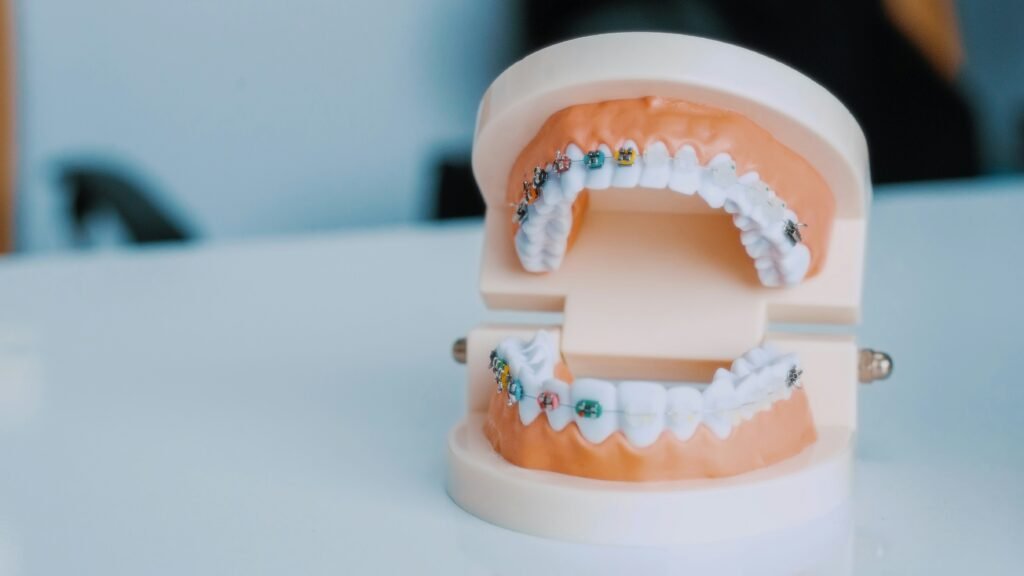
Ever wondered if there’s a way to straighten your teeth without everyone knowing? Maybe you’ve heard whispers about braces that hide behind your teeth – lingual braces. The big question is, are they the right fit for you? In short, lingual orthodontics can be a fantastic option for many people looking for discreet tooth straightening, offering effective results with minimal visual impact. However, they’re not for absolutely everyone, and understanding the nuances is key to making the best decision for your smile.
Lingual braces are a type of orthodontic treatment that straightens teeth using brackets and wires, just like traditional braces. The key difference is where they’re placed. Instead of being visible on the front surface of your teeth, these brackets are bonded to the back (lingual) side of your teeth, facing your tongue. This makes them virtually invisible from the outside, which is their biggest draw.
How Do They Work?
The underlying mechanics are surprisingly similar to conventional braces. Your orthodontist will meticulously design and place custom-made brackets on the back of each tooth. A wire is then threaded through these brackets, and this wire is what gently guides your teeth into their desired positions over time. The pressure applied by the wire, controlled by the precise placement of the brackets, is what creates the tooth movement. Because the braces are on the inside, they require a different approach to bracket placement and wire bending to achieve the same results as front-facing braces.
Customization is Key
A significant aspect of lingual braces is their custom nature. They’re not typically off-the-shelf items. Instead, your orthodontist will likely use advanced imaging technology, like 3D scans, to create precise models of your teeth. From these models, individual brackets are manufactured to perfectly fit the unique contours of your tooth surfaces. This meticulous customization ensures optimal fit and effectiveness, as the back of each tooth can have a slightly different shape and angle.
Who Benefits Most from Lingual Braces?
The appeal of lingual braces often comes down to aesthetics. If your primary concern is having a straighter smile without the visual disruption of traditional metal or ceramic braces, lingual braces are a strong contender.
Adults and Teenagers Who Value Discretion
For many adults, especially those in professions where appearance is paramount or who feel self-conscious about wearing braces, lingual braces offer a secret weapon for smile improvement. Similarly, some teenagers might be hesitant about traditional braces due to social pressures. Lingual braces allow them to undergo orthodontic treatment without the constant worry of how their smile looks to others.
Patients with Specific Aesthetic Concerns
Beyond general discretion, lingual braces are ideal for individuals who might find even clear aligners insufficient for their needs or preferences. Some people find aligners cumbersome, difficult to maintain, or worry about their visibility during wear. Lingual braces offer a permanent, fixed solution that is truly hidden.
Avoiding Other Types of Discreet Treatment
If you’ve explored options like clear aligners but found they weren’t suitable (perhaps due to complex bite issues or personal discipline challenges with daily wear and removal), lingual braces present a compelling alternative. They address the same orthodontic goals without requiring the patient to actively manage compliance throughout the day.
What Are the Downsides of Lingual Braces?

While the “invisible” aspect is a huge plus, lingual braces aren’t without their challenges. It’s crucial to go into treatment with your eyes wide open about potential drawbacks.
Initial Discomfort and Speech Adjustments
This is perhaps the most commonly cited issue. Having brackets and wires on the back of your teeth can feel foreign and directly impact your tongue. In the initial weeks, you’ll likely experience some soreness and a lisp or difficulty speaking clearly. Your tongue will need to get used to navigating this new terrain, and it can take time for your speech to return to normal. Many people adapt within a few weeks, but it’s a adjustment period that’s generally more pronounced than with front-facing braces.
Oral Hygiene Challenges
Cleaning around brackets and wires on the back of your teeth is significantly more difficult than cleaning the front. Food particles can get trapped more easily, and it requires a dedicated and meticulous oral hygiene routine. This means lots of brushing, flossing (often with special floss threaders or interdental brushes), and potentially using a water flosser. If you’re not someone who’s naturally inclined towards diligent brushing and flossing, this can be a major hurdle. Poor oral hygiene can lead to cavities, gum disease, and even complications with your orthodontic treatment.
Cost Considerations
Lingual braces are generally more expensive than traditional braces. This is due to several factors: the custom manufacturing of each bracket, the increased chair time required for placement and adjustments (as it’s a more intricate process for the orthodontist), and specialized laboratory fees. For many, the added cost is a worthwhile investment for the discretion they offer, but it’s a significant factor to consider in your budget.
Potential for Tongue Irritation and Soreness
The brackets and wires can sometimes irritate the tongue, leading to small sores or general soreness, particularly in the beginning. While your orthodontist can often provide wax or other solutions to help manage this, it’s a possibility that needs to be factored in. Some people find the constant contact of the brackets with their tongue to be a persistent nuisance.
The Lingual Braces Treatment Process: What to Expect

Understanding the journey from consultation to a straight smile with lingual braces can help alleviate any anxieties. It’s a systematic process designed to achieve optimal results.
Initial Consultation and Assessment
Your journey begins with a thorough consultation with an orthodontist experienced in lingual braces. They’ll examine your teeth and bite, discuss your goals, and determine if lingual braces are the right choice for your specific orthodontic needs. This is also the time to ask all your questions about the process, costs, and potential challenges.
Taking Impressions and Designing Your Braces
If you and your orthodontist decide to proceed, detailed impressions (or digital scans) of your teeth will be taken. Based on these, a highly specialized laboratory will custom-create each bracket and archwire specifically for your teeth. This precision is crucial for the efficiency and effectiveness of lingual orthodontics.
Bonding the Brackets
The bonding appointment is where the actual treatment begins. Your orthodontist will carefully attach the custom-made brackets to the back surfaces of your teeth. This can be a more time-consuming process than bonding traditional braces due to the angle and accessibility.
Regular Adjustments and Monitoring
Like all orthodontic treatments, lingual braces require regular follow-up appointments, typically every 4-8 weeks. During these visits, your orthodontist will adjust the wire and make any necessary changes to continue guiding your teeth into their correct positions. They will also monitor your oral hygiene and address any concerns you may have.
Removing the Braces and Retainers
Once your teeth have reached their desired alignment, the braces will be removed. This is usually followed by the fitting of retainers, which are essential to keep your teeth in their new positions. You’ll likely need to wear retainers consistently, especially at night, to prevent your teeth from shifting back.
Are There Alternatives to Lingual Braces?
| Metrics | Value |
|---|---|
| Effectiveness | Similar to traditional braces |
| Visibility | Not visible from the outside |
| Comfort | May cause initial discomfort |
| Cost | Usually more expensive than traditional braces |
| Treatment Time | Similar to traditional braces |
If, after considering the pros and cons, lingual braces don’t seem like the perfect fit, rest assured there are other effective options for straightening your teeth discreetly.
Clear Aligners (like Invisalign)
This is arguably the most popular alternative. Clear aligners are custom-made plastic trays that you wear over your teeth. They are nearly invisible and can be removed for eating and brushing, making oral hygiene easier. However, they require significant patient compliance to be effective, as they need to be worn for at least 20-22 hours a day.
Ceramic Braces
These are functionally the same as traditional metal braces but use tooth-colored or clear brackets. While more discreet than metal, they are still visible on the front of the teeth, though less so. They can sometimes stain if not cared for properly, and the overall appearance is not as hidden as lingual braces.
Traditional Metal Braces
These are the tried-and-true braces that many people grew up with. They are highly effective, often more affordable than other options, and generally require less complex oral hygiene than lingual braces. Their main drawback is their visibility.
Early Intervention (for younger patients)
For children who are still growing, early orthodontic intervention can sometimes address certain alignment issues before they become more complex, potentially reducing or eliminating the need for braces later on, or simplifying future treatment.
Is Lingual Orthodontics Right for You? A Final Thought
Deciding on the best orthodontic treatment is a personal journey. Lingual braces offer a truly discreet way to achieve a straighter smile, making them a compelling choice for many adults and teenagers who prioritize aesthetics. However, it’s essential to weigh this incredible benefit against the potential challenges: the initial adjustment period for speech and comfort, the increased demands on your oral hygiene routine, and the higher cost.
If you’re someone who is highly motivated to maintain excellent oral hygiene, can tolerate a period of adjustment, and is prepared for the financial investment, lingual braces could be your ticket to a confident, beautiful smile that no one knows how you achieved. Schedule a consultation with an orthodontist experienced in lingual braces to explore this discreet path to a straighter smile further, and they can help you make the most informed decision for your unique situation.
FAQs
What is lingual orthodontics?
Lingual orthodontics is a type of orthodontic treatment where the braces are placed on the back of the teeth, making them virtually invisible from the outside. This allows for a more discreet treatment option compared to traditional braces.
How does lingual orthodontics differ from traditional braces?
The main difference between lingual orthodontics and traditional braces is the placement of the braces. Lingual braces are placed on the back of the teeth, while traditional braces are placed on the front. This makes lingual orthodontics a more aesthetically pleasing option for those who are concerned about the appearance of their braces.
Who is a good candidate for lingual orthodontics?
Lingual orthodontics is a good option for individuals who want to straighten their teeth but are concerned about the appearance of traditional braces. It is also a good option for individuals who play wind instruments or contact sports, as lingual braces may be less obstructive and more comfortable in these situations.
What are the potential drawbacks of lingual orthodontics?
Lingual orthodontics may be more challenging to clean and maintain compared to traditional braces, as the back of the teeth can be harder to access. Additionally, lingual braces may initially cause some discomfort and speech impediments as the tongue adjusts to the new positioning of the braces.
How can I determine if lingual orthodontics is right for me?
It is important to consult with an orthodontist to determine if lingual orthodontics is the right treatment option for your specific needs. The orthodontist can assess your teeth and discuss the potential benefits and drawbacks of lingual orthodontics, as well as alternative treatment options.