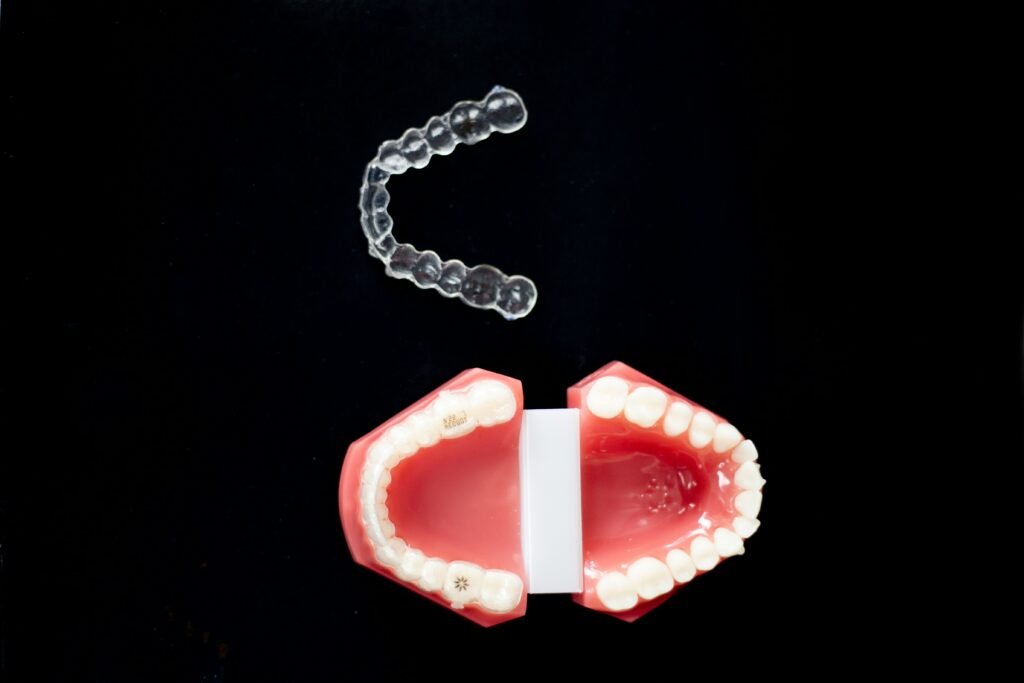
Let’s be honest, whether it’s a clear aligner or a wire-and-acrylic number, your retainer is a pretty critical piece of your dental journey. You’ve gone through the whole orthodontic process, and now you’ve got this little device that’s keeping everything in its rightful place. The big question on a lot of people’s minds is, “How do I actually make this thing last?” The good news is, caring for your retainer isn’t rocket science. With a few consistent habits, you can ensure yours stays in great shape for years, meaning less hassle and fewer replacement costs down the line. Think of it as giving your retainer the TLC it deserves, so it can keep doing its very important job for you.
This is where the magic happens, or rather, where you prevent misfortune. Making a quick, thorough cleaning part of your daily routine is the single most impactful thing you can do for your retainer’s longevity. Skipping this, even for a day, can lead to buildup that’s harder to manage later.
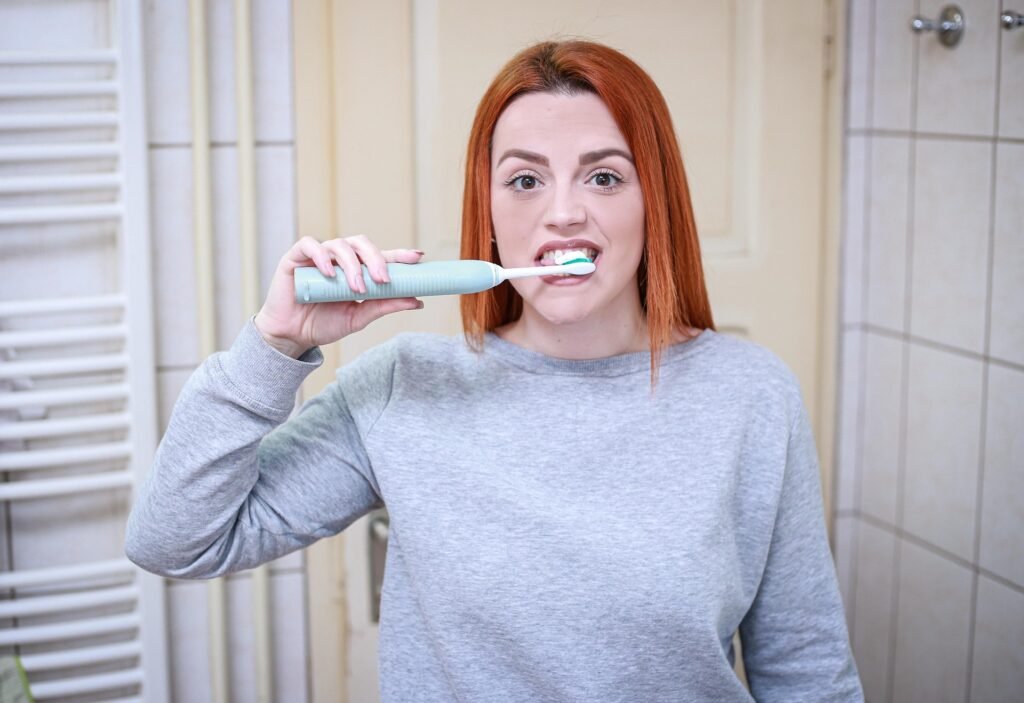
Brushing: Gentle Does It
You might be tempted to scrub your retainer like you would your teeth, but hold up. Your retainer, especially clear thermoplastic ones, can scratch easily. Scratches aren’t just unsightly; they can provide little nooks and crannies for bacteria to hide.
What to Use:
- Soft-bristled toothbrush: This is your go-to. Think baby toothbrush or a specifically designated retainer brush if you want to get fancy. The key is soft.
- Mild, non-abrasive soap: Dish soap is generally a good choice. Avoid harsh detergents or anything with whitening agents or strong bleaching chemicals.
How to Brush:
- Rinse first: Always rinse your retainer under cool or lukewarm water before you start brushing. This gets rid of any loose debris.
- Apply a small amount of soap: Just a drop or two on your brush is enough.
- Gentle circular motions: Focus on all surfaces – the inside, the outside, and any grooves or edges. Don’t forget the parts that sit against your gums.
- Rinse thoroughly: Make sure all soap residue is gone.
Why This Daily Scrub Matters:
Think of it like washing your breakfast dishes. If you leave them piled up, food gets stuck, and it becomes a much bigger chore to clean them later. Your retainer is the same. Daily brushing removes plaque and food particles before they can harden, become a breeding ground for bacteria, and start to smell… well, not great. This simple step prevents the buildup that leads to staining and potential damage.
Beyond the Brush: Deeper Cleaning Methods
While daily brushing is essential, there are times when your retainer might need a little extra attention. These methods help tackle stubborn buildup, deodorize, and give your retainer a fresh start.
Retainer Cleaning Solutions: The Right Choice
There are specific cleaning solutions designed just for retainers. These are often effervescent tablets that you drop into water. They work by fizzing and breaking down bacteria and mineral deposits.
How to Use Them Effectively:
- Follow product instructions: This seems obvious, but different brands have slight variations. Typically, you’ll dissolve a tablet in a cup of water and then soak your retainer.
- Soaking time: Don’t leave your retainer in the solution for hours on end unless the product specifically recommends it. Over-soaking can sometimes weaken certain materials.
- Rinse after soaking: Always rinse your retainer thoroughly under cool water after it’s been in a cleaning solution. You don’t want any lingering taste.
Baking Soda Paste: A Natural Option
If you prefer a more natural approach or find yourself out of commercial cleaner, baking soda can be a lifesaver. It’s a mild abrasive and a natural deodorizer.
Making the Paste:
- Mix baking soda and water: Create a paste with a consistency similar to toothpaste.
- Apply and gently scrub: Use your soft toothbrush to apply the paste and gently scrub your retainer.
- Rinse very well: Baking soda can leave a residue, so ensure you rinse thoroughly.
Diluted Vinegar Soak: For Odor Control
White vinegar is excellent at tackling odors and can also help with mild mineral buildup.
The Vinegar Method:
- Mix with water: A 50/50 mixture of white vinegar and water is usually effective.
- Soak briefly: Let your retainer soak for about 10-15 minutes.
- Rinse thoroughly: This is crucial to remove the vinegar smell and taste.
What to Avoid in Deep Cleaning:
- Mouthwash: While it smells fresh, many mouthwashes contain alcohol or other ingredients that can dry out and potentially damage the material of your retainer, especially clear ones. They can also cause discoloration over time.
- Harsh chemicals: Anything with bleach or strong solvents is a big no-no.
- Boiling water: Extreme heat can warp and deform your retainer, making it useless. Stick to cool or lukewarm water.
Storage: The Safe Haven for Your Retainer

Where you store your retainer when you’re not wearing it is just as important as cleaning it. A proper storage solution protects it from damage, contamination, and loss.
The Importance of a Case
Your orthodontist should have provided you with a case. If not, it’s a small investment that pays off big time. A case is designed to keep your retainer clean, protected, and easily accessible.
Features of a Good Case:
- Ventilation: Look for cases with small holes or vents. This allows air to circulate, which helps the retainer dry out properly between uses and prevents moisture buildup that can encourage bacterial growth.
- Secure closure: It should close firmly enough to prevent the retainer from falling out, but not so tight that it’s difficult to open.
- Easy to clean: The case itself should be easy to wipe down or rinse out.
Where to Keep Your Case
- On your nightstand: For easy access when you wake up and before you go to sleep.
- In your bathroom: But not right next to the toilet, if possible, to avoid airborne contaminants.
- In your purse or backpack: If you need to take it out during the day. Make sure it’s in a dedicated pocket or pouch to avoid being crushed.
What to Avoid Storing It In:
- Napkins or tissues: This is a classic way to lose your retainer. You might accidentally throw it away, or it could get dirty.
- Pockets: Especially those of busy trousers or jackets. It’s easy to forget it’s there or for it to get damaged by keys or other items.
- Direct sunlight: Leaving your retainer in a sunny spot, even in its case, can cause the material to degrade or warp over time.
Handling and Wear: Being Mindful of Your Investment

How you handle your retainer day-to-day makes a significant difference. It’s not just about cleaning and storing; it’s about the small practices you incorporate into your routine.
The “Off and On” Ritual
Every time you take your retainer out, whether it’s to eat, drink something other than water, or even to brush your teeth, you should have a plan for it.
What to Do When It’s Out:
- Clean your mouth: If you’re taking it out to eat, it’s a good idea to at least rinse your mouth with water afterward, or ideally, brush your teeth and floss. This removes food particles that could get trapped against your retainer when you put it back in.
- Put it straight into its case: This is the golden rule. Don’t leave it on a table, a counter, or on your tongue. Get it into its safe zone immediately.
Avoiding Accidental Damage
Retainers are made of durable materials, but they aren’t indestructible. A little awareness can go a long way in preventing accidental breaks or bends.
Things to Be Aware Of:
- Chewing on it: This is a major no-no. Don’t chew gum, pen caps, or anything else while wearing your retainer. It can warp or break the plastic.
- Dropping it: Be mindful when handling it. If you drop it, inspect it carefully for any cracks or chips before putting it back in.
- Pets: If you have a dog or cat, keep your retainer well out of their reach. Their jaws are powerful, and they often see retainers as interesting chew toys.
Regular Check-ups: The Professional Touch
| Retainer Care Tips | Frequency |
|---|---|
| Clean your retainer with a toothbrush and mild soap | Every day |
| Soak your retainer in a denture cleaner | Once a week |
| Store your retainer in a case when not in use | Every time you remove it |
| Avoid exposing your retainer to hot water | Never |
While you’re doing all the right things at home, it’s still crucial to involve your dental professional. They can spot issues you might miss and provide guidance specific to your retainer and your ongoing oral health.
Why See Your Dentist or Orthodontist
- Identification of wear and tear: Over time, even with the best care, retainers can show signs of wear. Your dentist can identify any minor damage that might compromise its effectiveness or lead to bigger problems.
- Checking the fit: Your teeth can shift very subtly over time, especially if you haven’t been as diligent with your retainer as you should be. A professional can assess if the retainer is still fitting perfectly. A loose retainer isn’t doing its job, and a tight one can cause discomfort and even damage.
- Professional cleaning: Some dentists offer specialized cleaning services for retainers that can be more thorough than what you can do at home.
- Advice on replacement: If your retainer is significantly worn, damaged, or no longer fitting correctly, your dentist or orthodontist is the best person to advise you on whether it needs to be replaced and what the best options are.
How Often Should You Go?
- Routine dental check-ups: Generally, this means every six months. Bring your retainer with you! It’s an easy thing to forget, but it’s a perfect time to have it looked at.
- If you notice issues: If your retainer feels loose, tight, painful, or you see any cracks or chips, don’t wait for your next scheduled appointment. Call your dentist or orthodontist as soon as you can.
By integrating these practices into your routine, you’re not just maintaining your retainer; you’re actively investing in the long-term success of your orthodontic treatment. It’s a small effort for a significant reward – keeping that smile perfectly aligned for years to come. It might seem like a lot at first, but these actions will quickly become second nature, and your retainer will thank you for it by staying strong and effective, just like it was on day one.
FAQs
1. What is a retainer and why is it important to care for it?
A retainer is a custom-made dental appliance used to maintain the position of teeth after braces are removed. It is important to care for a retainer to ensure it continues to effectively maintain the alignment of the teeth.
2. How should I clean my retainer?
Retainers should be cleaned daily with a soft toothbrush and mild soap or non-abrasive toothpaste. It is important to avoid using hot water or harsh chemicals, as these can damage the retainer.
3. How should I store my retainer when not in use?
When not in use, retainers should be stored in a protective case to prevent damage or loss. It is important to keep the retainer away from pets and small children, as they may mistake it for a toy.
4. How often should I replace my retainer?
The lifespan of a retainer can vary depending on the individual and the type of retainer. Generally, it is recommended to replace a retainer every 1-2 years to ensure it continues to effectively maintain the alignment of the teeth.
5. What are some common mistakes to avoid when caring for a retainer?
Common mistakes to avoid when caring for a retainer include exposing it to hot water, using harsh chemicals or abrasive toothpaste, and leaving it out in the open where it can be damaged or lost. It is also important to avoid bending or adjusting the retainer on your own, as this can affect its effectiveness.