So, you’ve just had braces off, or you’re thinking about them, and the big question looms: retainers! Specifically, the permanent versus removable kind. Which is better? Well, it’s not quite a simple win-or-lose situation, as both have their strengths and weaknesses. The best choice for you really depends on your lifestyle, how your teeth have settled, and what your orthodontist recommends. Let’s break down what each type involves, what to expect, and help you figure out which might be a better fit.
Before we dive into the nitty-gritty of pros and cons, it’s helpful to get a clear picture of what we’re talking about.
What is a Retainer Anyway?
Think of retainers as the ‘guardians’ of your newly straightened smile. After braces do their hard work of moving teeth, the surrounding bone and tissues need time to adapt to their new positions. Without a retainer, your teeth have a natural tendency to drift back towards their original spots. A retainer holds them firmly in place during this crucial stabilization period and beyond. They are essential for maintaining the results of orthodontic treatment.
So, What’s the Difference?
The names pretty much give it away!
Permanent Retainers
Often called fixed or bonded retainers, these are typically thin wires that are permanently attached to the back of your front teeth, usually the bottom ones, and sometimes the top. They are bonded in place using a special dental adhesive, similar to what’s used for braces brackets. Once bonded, they stay there until your orthodontist decides it’s time to remove them, which could be months or even years down the line.
Removable Retainers
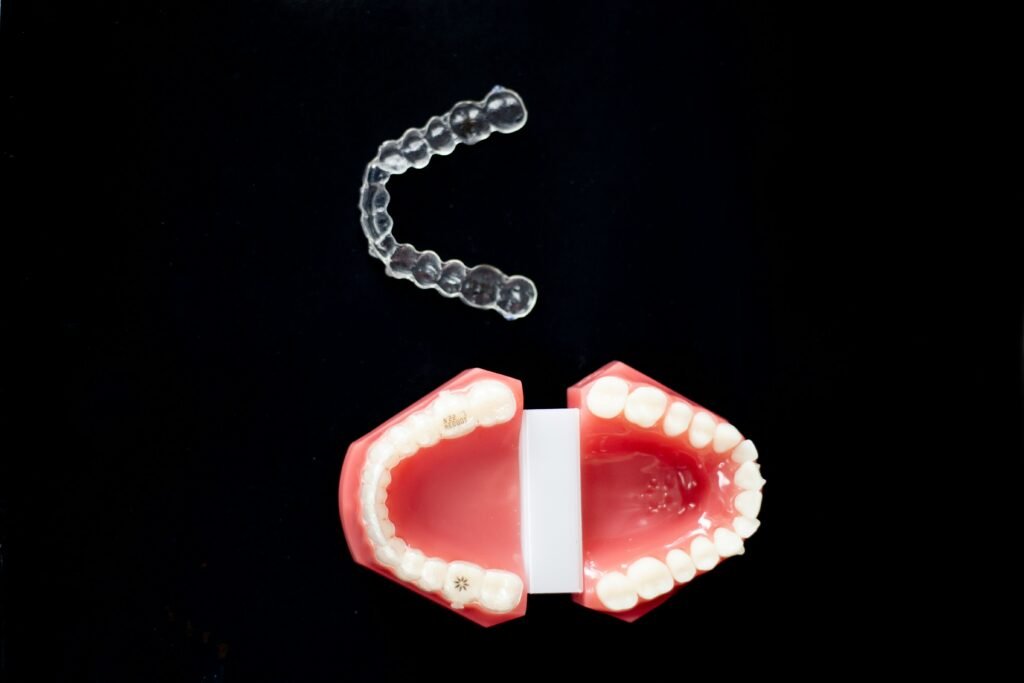
These are the kind you take in and out yourself. The most common types are Hawley retainers (a combination of acrylic and wire) and clear plastic, vacuum-formed aligner-type retainers (often called Essix retainers or similar). You wear these for a specified amount of time each day, usually at night, as directed by your orthodontist. They require diligent wear and careful handling to be effective.
The Case for Permanent Retainers
Permanent retainers are often favored for their ‘set it and forget it’ nature, which can be a huge plus for many people.
Advantages of Permanent Retainers
- Constant Protection: Because they’re always in place, they offer continuous support. This is particularly beneficial for teeth that tend to move a lot, often the lower front teeth (incisors) and sometimes the upper ones. They provide a constant, unwavering hold.
- Convenience: You don’t have to remember to put them in or worry about misplacing them. This eliminates a common pitfall with removable retainers – forgetting to wear them enough. For individuals who might struggle with compliance for various reasons, this is a significant benefit.
- Discreetness (Mostly): While a wire is present, it’s on the back of the teeth, meaning it’s generally not visible when you smile. Most people won’t notice them unless they’re specifically looking.
- Less Risk of Relapse: Due to their constant support, the risk of teeth shifting significantly while wearing a permanent retainer is generally considered lower than with removable ones, especially if removable retainer wear is inconsistent.
Potential Downsides of Permanent Retainers
- Oral Hygiene Challenges: This is the big one. Cleaning around the wire and the bonding material can be tricky. You’ll likely need special tools like interdental brushes (also called pipe cleaners or proxy brushes) and potentially floss threaders to effectively clean between the teeth and under the wire. Plaque can accumulate more easily if not cleaned thoroughly.
- Dietary Restrictions (Minor): While not as restrictive as braces, you might need to be a bit more mindful of very hard or sticky foods that could potentially dislodge the wire or the bonding. Chewing gum, for example, would be a no-go.
- Potential for Discomfort: Some people find the wire can initially irritate the tongue or gums. This usually subsides as you get used to it or with minor adjustments from your orthodontist.
- Requires Professional Removal: You can’t just take them out yourself. They require a visit to the orthodontist to be removed, which means another appointment and associated cost if you decide they’re no longer needed.
- Cost: While sometimes bundled into the overall orthodontic treatment cost, there can be additional charges for the initial placement and eventual removal.
The Appeal of Removable Retainers

Removable retainers offer a different kind of flexibility and can be a great option for many.
Advantages of Removable Retainers
- Easier Cleaning: This is perhaps their biggest advantage. You simply take out the retainer, brush and floss your teeth as usual, and then clean the retainer itself. This makes maintaining good oral hygiene much simpler and directly addresses the main drawback of permanent retainers.
- Dietary Freedom: You can eat whatever you like without worrying about damaging your retainer, as you’ll be taking it out during meals. This means no restrictions on crunchy apples, sticky caramel, or chewy sourdough.
- Comfort (for some): Many people find clear retainers very comfortable to wear. Hawley retainers can take a little getting used to, but are generally well-tolerated. There’s no metal wire constantly brushing against your tongue or gums.
- Flexibility in Wear: While consistency is key, you have the option to adjust wear times slightly if needed, for example, if you have a social event where you’d prefer not to wear them. However, this must always be done in consultation with your orthodontist and within prescribed limits.
- Can Be Replaced: If lost or broken, a replacement can be made. This is a straightforward process, though it will incur a cost.
Potential Downsides of Removable Retainers
- Compliance is Crucial: This cannot be stressed enough. If you don’t wear them as prescribed, your teeth will move. This is the most common reason why removable retainers “fail.” It requires discipline and remembering to put them in, especially after meals.
- Risk of Loss or Damage: They are easy to misplace. Leaving them on a lunch tray, in a napkin, or at a friend’s house means they can get lost, thrown away, or stepped on. Careful storage in their case is essential.
- Can Be Expensive to Replace: Losing or breaking a retainer can be costly, and you might have to wait for a new one to be fabricated.
- Can Affect Speech Initially: Some people find that wearing their retainer, especially a Hawley type, can make them lisp or sound different initially. This usually improves with practice.
- Hygiene of the Retainer Itself: While easier to clean your teeth, you must also clean the retainer itself to prevent bacteria buildup and odors.
Oral Hygiene: The Make-or-Break Factor

This is where the real difference lies between the two types, and it’s often the deciding factor for orthodontists and patients.
Cleaning a Permanent Retainer
This requires a dedicated approach, as the wire forms a barrier.
Your Daily Routine
You’ll need your toothbrush and toothpaste as usual. But you’ll also need to invest in:
- Interdental Brushes: These small, bristly brushes are specifically designed to get into tight spaces. You’ll use them to clean above and below the wire, and between each tooth.
- Floss Threaders: These are loops that help you guide regular floss under the wire. It’s a bit more fiddly than flossing without a retainer, but crucial for removing debris and plaque.
- Water Flossers (Optional): Some find a water flosser extremely helpful in dislodging food particles and cleaning around the wire.
It can take several minutes to properly clean around a permanent retainer, but neglecting it can lead to cavities on the back of your teeth or gum disease. Your orthodontist will demonstrate the correct techniques during your appointments.
Cleaning a Removable Retainer
This is a more straightforward process.
The Simple Steps
- Brush Your Teeth: First, brush and floss your teeth as you normally would. This is important because you want to place a clean retainer onto clean teeth.
- Clean the Retainer: You can rinse the retainer with water. Then, gently brush it with a soft toothbrush and cool water. Some people use a denture cleaner or a special retainer cleaner. Avoid hot water, as it can warp the plastic.
- Store it Safely: Always store your retainer in its designated case when you’re not wearing it. This protects it from damage and loss.
Regular cleaning prevents odor and keeps the retainer hygienic. Without proper cleaning, retainers can become a breeding ground for bacteria, leading to bad breath and potential oral health issues.
Lifestyle and Individual Needs
| Retainer Type | Pros | Cons |
|---|---|---|
| Permanent Retainer | Provides continuous support | Difficult to clean |
| Removable Retainer | Easy to clean | May be lost or forgotten |
| Which One Wins | Depends on individual preference and needs | Depends on individual preference and needs |
Your daily life and personal habits play a huge role in which retainer type is best suited for you.
Who Might Benefit More from Permanent Retainers?
- The Busy Bee: If your schedule is packed and you worry about remembering to wear and clean a removable retainer consistently, a permanent one removes that daily mental burden.
- The ‘Forgetful’ Type: For those who have a history of misplacing things or forgetting regular routines, a fixed retainer offers security.
- Teeth with High Relapse Tendency: If your orthodontist identifies your teeth as being particularly prone to shifting, a permanent retainer provides 24/7 support.
- Younger Patients: Sometimes orthodontists prefer permanent retainers for younger patients who might not have the maturity or discipline to manage removable ones effectively.
Who Might Be a Better Fit for Removable Retainers?
- The Hygiene Enthusiast: If you prioritize being able to meticulously clean every surface of your teeth without obstruction, a removable retainer is ideal.
- The Foodie: If you enjoy a wide variety of foods without wanting to worry about dietary restrictions, removable is the way to go.
- The Traveler or Occasional Traveler: While you need to be diligent, removable retainers can be easier to manage in terms of packing and cleaning when you’re on the move and can set them aside for meals.
- Those Who Value Aesthetic Freedom: While permanent retainers are on the back, some individuals still prefer a completely metal-free mouth after braces.
- Patients with Specific Speech Concerns: If you found braces impacted your speech and want minimal further alteration, or if you are particularly sensitive to speech changes, clear removable retainers often have a very subtle impact.
The Orthodontist’s Role: Your Ultimate Guide
Ultimately, the most important voice in this decision is your orthodontist’s.
Why Their Recommendation Matters
Your orthodontist has examined your teeth, observed how they moved, and understands the specific forces and bone structures involved. They can assess:
- The Stability of Your Bite: How stable your teeth are after treatment is a primary factor. If your bite is very stable, a removable retainer might be sufficient. If there’s a higher risk of shifting, they might lean towards a permanent one.
- Your Oral Hygiene Habits: They can provide an honest assessment of your ability to maintain the rigorous cleaning required for a permanent retainer.
- Your Lifestyle: They will discuss this with you to understand your daily routines and make a recommendation based on practicality.
- Specific Tooth Crowding or Spacing: Certain patterns of crowding or spacing might make certain teeth more prone to relapse.
Talking to Your Orthodontist
Don’t hesitate to ask questions!
- **”Why are you recommending this type of retainer for me?”** Get them to explain the reasoning specific to your case.
- “What are the exact cleaning instructions for this retainer?” Make sure you understand the cleaning process thoroughly, especially for permanent ones.
- “What happens if I lose or break a removable retainer?” Understand the process and potential costs.
- “How long will I need to wear this retainer?” Know the expected duration of retention.
The Verdict: Who Wins?
It’s not a competition with a single winner. The ‘winning’ retainer is the one that you will wear consistently and care for properly, leading to the long-term stability of your straightened teeth.
- Permanent retainers often ‘win’ for those who need constant, passive support and might struggle with consistent wear of a removable appliance. Their continuous protection can be invaluable. However, they ‘lose’ points for the increased cleaning effort required.
- Removable retainers ‘win’ for those who value easier oral hygiene and dietary freedom. They offer a great solution when worn diligently. However, they ‘lose’ by being susceptible to loss, damage, and the critical dependence on patient compliance.
The best approach is a collaborative one. Discuss your options honestly with your orthodontist, weigh the pros and cons as they apply to your individual situation, and commit to the retainer that helps you keep that beautiful smile looking its best for years to come.
FAQs
What are permanent retainers?
Permanent retainers are thin wires that are bonded to the back of the teeth to prevent them from shifting after orthodontic treatment. They are typically made of stainless steel or a nickel-titanium alloy.
What are removable retainers?
Removable retainers are custom-made devices that can be taken out of the mouth for cleaning and eating. They are usually made of plastic or a combination of plastic and metal.
What are the pros of permanent retainers?
Permanent retainers are convenient because they are always in place and don’t require the wearer to remember to put them in. They are also effective at preventing teeth from shifting.
What are the cons of permanent retainers?
Permanent retainers can make it more difficult to floss and clean the back of the teeth. They can also be more prone to breakage and may require more maintenance.
Which type of retainer is better?
The choice between permanent and removable retainers depends on individual needs and preferences. Permanent retainers are ideal for those who may forget to wear a removable retainer consistently, while removable retainers are better for those who prioritize ease of cleaning and maintenance.