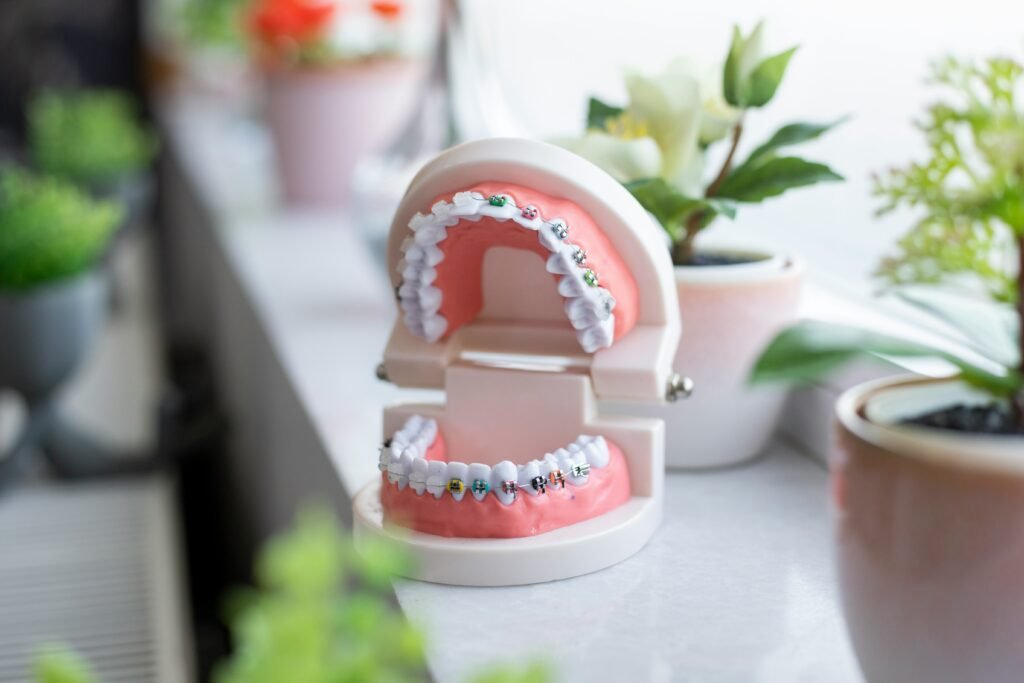
Alright, let’s get straight to it. When it comes to your child’s teeth, you’ve got two main players in the dental world: General Dentists and Pediatric Orthodontists. The quick answer is this: your general dentist is your child’s primary oral healthcare provider, looking after their overall dental health – cleaning, fillings, and keeping an eye on things. A pediatric orthodontist, on the other hand, is a specialist focused only on straightening teeth and correcting bite issues, often starting earlier than you might think. Think of it like your family doctor versus a heart specialist – both crucial, but with different expertise. Now, let’s dive a bit deeper into what each does and why understanding the distinction is so important for your child’s healthy smile.
The General Dentist: Your Child’s Oral Health Home Base
Your general dentist is usually the first and most frequent dental professional your child will see. They’re your go-to for pretty much everything related to day-to-day dental care and preventative measures. Their role is broad and foundational, ensuring your child develops and maintains good oral hygiene habits from infancy through adolescence.
What They Do: Routine Care and Prevention
This is the bread and butter of general dentistry. From that very first tooth, your general dentist is there to guide you.
- Regular Check-ups and Cleanings: These are absolutely vital. Skipping them is like skipping oil changes on your car – problems will eventually arise. Your dentist checks for cavities, gum disease, and gives those pearly whites a thorough cleaning, removing plaque and tartar that brushing often misses.
- Cavity Fillings: If a cavity does creep in (and let’s be honest, it happens to the best of us), your general dentist is equipped to handle it, restoring the tooth to its proper function and preventing further decay.
- Fluoride Treatments: A powerful tool in preventing cavities, fluoride treatments applied by your dentist strengthen tooth enamel, making it more resistant to acid attacks.
- Dental Sealants: These thin, protective coatings are painted onto the chewing surfaces of back teeth (molars and premolars). They act as a barrier, keeping food particles and bacteria out of the grooves and preventing cavities in those hard-to-clean areas.
- X-rays: Essential for seeing what’s happening beneath the surface, X-rays help your dentist detect cavities between teeth, assess erupting permanent teeth, and identify any bone issues.
- Gum Health Monitoring: Beyond cavities, your general dentist keeps an eye on your child’s gum health, looking for early signs of gingivitis or other gum issues.
When to See Them: From First Tooth to Teen Years
The recommendation is to bring your child in for their first dental visit around their first birthday, or when their first tooth erupts, whichever comes first. After that, regular six-month check-ups are the standard. This consistent care ensures any issues are caught early and addressed promptly. They’ll continue to be your child’s primary dentist throughout their childhood and teenage years, transitioning them to an adult general dentist when the time is right.
The Referral Role: Knowing When to Call a Specialist
This is a key aspect of a general dentist’s job when it comes to orthodontics. While they oversee your child’s overall oral health, they’re also the first line of defense in spotting potential orthodontic issues. If they notice problems with tooth alignment, bite, or jaw development, they’ll be the ones to suggest a consultation with a pediatric orthodontist. They act as a gatekeeper, ensuring your child gets to the right specialist at the right time.
The Pediatric Orthodontist: The Smile Architect
A pediatric orthodontist is a dental specialist who has gone through additional, extensive training specifically focused on diagnosing, preventing, and treating dental and facial irregularities in children and adolescents. They’re the experts in straightening teeth and aligning jaws. Their work is all about building a foundation for a healthy, functional, and aesthetically pleasing smile for life.
Specialized Training: Beyond Dental School
This is a significant differentiator. After completing four years of dental school, an aspiring orthodontist must complete an additional two to three years of an accredited, full-time residency program in orthodontics. During this residency, they delve deep into subjects like craniofacial growth and development, biomechanics, and various treatment techniques, including different types of braces and aligners. This specialized education ensures they have an in-depth understanding of how growth patterns influence tooth and jaw development.
What They Do: Guiding Growth and Alignment
Their entire practice revolves around correcting misaligned teeth and jaws. It’s not just about aesthetics; misaligned bites can lead to difficulties with chewing, speaking, and even contribute to excessive wear on tooth enamel later in life.
- Early Orthodontic Intervention (Phase 1): This is often where pediatric orthodontists shine. Unlike traditional orthodontics that might wait until all permanent teeth are in, Phase 1 treatment, also known as interceptive orthodontics, occurs while a child still has a mix of baby and permanent teeth (usually between ages 7-10). The goal isn’t to perfectly align teeth, but to address significant issues early on, like crossbites, severe crowding, or harmful habits (e.g., thumb sucking). This can often simplify or even eliminate the need for more complex treatment later.
- Comprehensive Orthodontic Treatment (Phase 2/Traditional): This is what most people picture when they think of orthodontics. It typically starts when most or all permanent teeth have erupted (usually around ages 11-14). This phase involves braces (metal, ceramic, or self-ligating) or clear aligners (like Invisalign) to meticulously move teeth into their ideal positions and correct bite relationships.
- Correcting Malocclusions (Bad Bites): There’s a whole array of bite issues that orthodontists treat, including:
- Overbite: When the upper front teeth significantly overlap the lower front teeth.
- Underbite: When the lower jaw protrudes forward, causing the lower front teeth to overlap the upper front teeth.
- Crossbite: When some upper teeth sit inside the lower teeth.
- Open Bite: When the upper and lower front teeth don’t meet when the mouth is closed.
- Crowding: Not enough space for all the teeth to erupt properly.
- Spacing: Gaps between teeth.
- Appliances and Retainers: Beyond braces, orthodontists use a variety of appliances like palatal expanders (to widen the upper jaw), space maintainers (to hold space for erupting permanent teeth), and headgear. Once treatment is complete, retainers are crucial to maintain the newly achieved alignment and prevent teeth from shifting back.
When to See Them: The “First Check” Recommendation
The American Association of Orthodontists (AAO) recommends a child have their first orthodontic evaluation by age 7. This might seem early, especially if your child’s teeth look relatively straight, but it’s a critical window.
- Why Age 7? By this age, enough permanent teeth have usually erupted for an orthodontist to assess developing problems with tooth alignment, jaw growth, and bite. They can identify subtle issues that might not be obvious to a general dentist or a parent.
- Early Detection, Not Necessarily Early Treatment: An evaluation at age 7 doesn’t mean your child will immediately get braces. Often, the orthodontist will simply monitor your child’s development, explaining what to watch for and when treatment might be beneficial. It allows for proactive planning rather than reactive problem-solving. This early assessment can save time, money, and discomfort in the long run by intercepting problems before they become severe.
Collaboration and Communication: Working Together for Your Child
This isn’t an “either/or” situation; it’s a “both/and.” Your general dentist and your pediatric orthodontist work as a team, ensuring comprehensive care for your child. Good communication between these two professionals is paramount.
The Referral Process: A Smooth Handover
Typically, your general dentist will be the one to initiate the referral. If they notice an emerging orthodontic issue during a routine check-up, they’ll recommend a consultation with a pediatric orthodontist. They might even provide a referral letter with their observations. However, you don’t always need a referral; you can directly schedule an orthodontic consultation if you have concerns.
Shared Information: A Holistic View
When your child is undergoing orthodontic treatment, the orthodontist will often communicate with your general dentist, especially regarding oral hygiene, potential cavity development around braces, and any unique dental considerations. The general dentist continues to perform regular cleanings and check-ups during orthodontic treatment, ensuring overall oral health remains a priority while the teeth are being moved. This collaborative approach ensures that all aspects of your child’s oral health are being monitored and addressed.
Key Takeaways: Making the Right Choices for Your Child’s Smile
Understanding these distinct roles is really about empowering you as a parent to make informed decisions for your child’s oral health journey.
Prevention is Key: General Dentistry’s Focus
Think of preventative general dentistry as laying a strong, healthy foundation. Regular check-ups, cleanings, and fluoride treatments done by your general dentist are crucial for preventing cavities and gum disease. They are the frontline defenders of your child’s teeth.
Specialization Matters: Orthodontics for Complex Issues
When it comes to straightening teeth and correcting bite issues, the specialized knowledge and experience of a pediatric orthodontist are invaluable. Their additional training in growth and development allows them to address complex alignment and jaw problems effectively, often starting earlier for better outcomes.
Don’t Wait for Obvious Problems: Early Orthodontic Assessment
The recommendation for an orthodontic check-up by age 7 is not about rushing into treatment. It’s about early assessment and gaining professional insight into your child’s developing bite and jaw structure. This proactive step can prevent small issues from becoming larger, more complex, and more expensive problems later on, ensuring the most efficient and effective path to a healthy, confident smile.
In essence, your general dentist makes sure your child’s teeth are healthy, and the pediatric orthodontist makes sure those healthy teeth are perfectly aligned and working together as they should. Both are indispensable partners in your child’s journey to a lifetime of healthy smiles.
FAQs
What is the difference between pediatric orthodontics and general dentistry?
Pediatric orthodontics focuses on the alignment of teeth and jaws in children, while general dentistry encompasses a wide range of dental services for patients of all ages, including preventive care, restorative treatments, and oral health maintenance.
At what age should a child first see a pediatric orthodontist?
Children should have their first orthodontic evaluation by the age of 7, according to the American Association of Orthodontists. This allows the orthodontist to assess the child’s dental development and identify any potential issues that may require early intervention.
What are the common treatments provided by pediatric orthodontists?
Pediatric orthodontists commonly provide treatments such as braces, space maintainers, expanders, and other orthodontic appliances to correct misaligned teeth, overcrowding, and bite issues in children.
What services are typically offered by general dentists for children?
General dentists provide a range of services for children, including routine cleanings, dental exams, fluoride treatments, sealants, cavity fillings, and other preventive and restorative treatments to maintain the oral health of children.
How can parents determine whether their child needs to see a pediatric orthodontist or a general dentist?
Parents should schedule regular dental check-ups for their children with a general dentist, who can then refer the child to a pediatric orthodontist if orthodontic treatment is needed. Additionally, parents can seek an orthodontic evaluation if they notice any signs of misaligned teeth, overcrowding, or bite issues in their child.