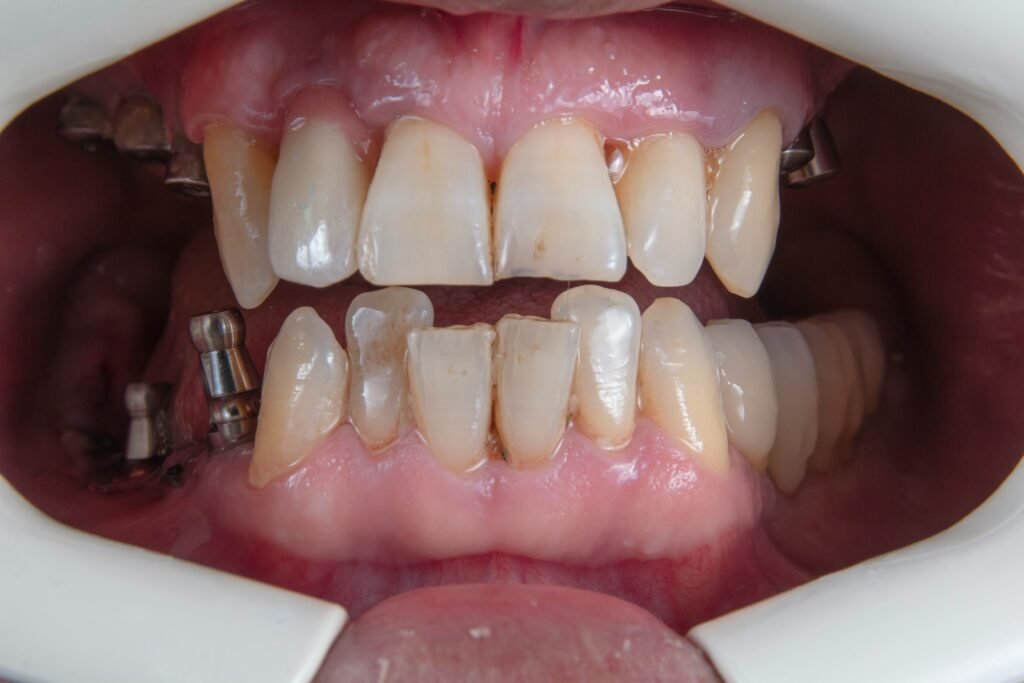
So, your dentist or orthodontist has mentioned a palatal expander for your child. Naturally, you’re probably wondering what exactly that means, what it involves, and why it’s even necessary. In a nutshell, a palatal expander is an orthodontic appliance designed to gently widen your child’s upper jaw. This is done to create more space for crowded teeth, correct a crossbite, or improve breathing, among other things. It’s a common and effective treatment, especially when a child’s jaw is still developing.
It might seem extreme to widen a jaw, but there are several very good reasons why an orthodontist might recommend a palatal expander. Think of it as creating a better foundation for healthy teeth and a good bite.
Dealing with Crowded Teeth
One of the most frequent reasons for an expander is when there isn’t enough room in the upper jaw for all the permanent teeth to erupt properly. If you imagine a parking lot that’s too small for all the cars, you’ll get the idea. Without expansion, these teeth often come in crooked, overlapping, or even become impacted (stuck under the gums).
Correcting a Crossbite
A crossbite happens when the upper teeth sit inside the lower teeth. This can involve just one tooth or a whole section of teeth. It’s not just an aesthetic issue; a crossbite can lead to uneven wear on teeth, jaw problems, and even affect facial growth over time. An expander can gently push the upper jaw outward, correcting this misalignment.
Improving Breathing and Airway Issues
This might surprise some parents, but a narrow upper jaw can sometimes restrict the airway. When the upper jaw is too narrow, the nasal passages can also be narrower, or the tongue might not have enough space, forcing it to rest further back. Widening the palate can sometimes improve nasal breathing, which is crucial for overall health and even sleep quality.
Addressing Impacted Teeth
Sometimes, a permanent tooth is stuck in the bone and can’t erupt on its own. Often, this is the canine tooth (the pointy one). If there’s not enough space, an expander can create that room, giving the impacted tooth a clear path to come down into its proper position. In some cases, a small surgical procedure might be needed to expose the impacted tooth after expansion.
Preparing for Future Orthodontic Treatment
Think of the expander as the first step in a multi-stage process. By creating the necessary space early on, it can simplify and shorten the overall time spent in braces or clear aligners later. It sets the stage for a more successful and stable orthodontic outcome.
How Does a Palatal Expander Work?
Understanding the mechanics might help ease some concerns. It’s not as forceful as it sounds; it’s a gradual, controlled process that takes advantage of your child’s natural growth.
The Midpalatal Suture
Your child’s upper jaw isn’t a single fused bone. It’s actually made of two halves that meet in the middle, connected by a soft cartilage seam called the midpalatal suture. In children and adolescents, this suture is still open and flexible. The expander works by gently pushing these two halves apart.
The Turning Key
Most expanders have a small screw mechanism in the center. You, the parent, will be given a small turning key. Following the orthodontist’s instructions, you’ll insert the key into a hole in the expander and turn it a specific number of times per day or week. Each turn applies a tiny, controlled amount of pressure, gradually widening the suture.
Gradual Expansion
This process is slow and steady. A typical expansion period might last a few weeks to a few months, depending on the amount of expansion needed. It’s not about making a big change overnight but rather a series of tiny adjustments that accumulate into a significant result. The orthodontist will monitor your child’s progress closely.
Types of Palatal Expanders

While the basic principle is the same, there are a few different types of expanders. Your orthodontist will choose the most appropriate one based on your child’s specific needs, age, and cooperation level.
Rapid Palatal Expander (RPE)
This is the most common type. It’s a fixed appliance, meaning it’s cemented onto the back molars and stays in the mouth throughout the expansion phase. RPEs are generally used when significant expansion is needed. They usually have a central screw that’s turned daily or every other day.
Removable Palatal Expander
As the name suggests, this type can be taken out by the child. However, removable expanders are less common for significant skeletal expansion because they require consistent wear to be effective, and compliance can be an issue. They are sometimes used for very minor expansion or habit correction.
Hyrax Expander
The Hyrax is a specific design of RPE. It often uses bands that fit around the molars and a screw mechanism that is turned. It’s known for its robust construction and effectiveness.
Haas Expander
Another type of RPE, the Haas expander, uses acrylic pads that sit against the roof of the mouth in addition to molar bands. This theoretically distributes the expansive force more broadly across the palate.
Surgically Assisted Rapid Palatal Expander (SARPE)
For older teenagers and adults whose midpalatal suture has already fused, a regular expander won’t work on its own. In these cases, an oral surgeon performs a minor procedure to score or weaken the suture, allowing a specialized expander (SARPE) to then gradually widen the jaw. This is much less common for the typical child patient.
What to Expect During Treatment

Knowing what’s coming can help you and your child feel more prepared. It’s a short-term adjustment for a long-term benefit.
Initial Placement and Discomfort
When the expander is first placed, it might feel bulky and strange. Your child might experience some pressure or mild discomfort, especially on the top of their mouth and around their teeth. This typically subsides within a few days. Over-the-counter pain relievers like ibuprofen can help.
Speech and Eating Challenges
| Topic | Details |
|---|---|
| Palatal Expanders | Orthodontic devices used to widen a child’s upper jaw |
| Benefits | Helps correct overcrowding, crossbite, and other dental issues |
| Procedure | Custom-made for each child and attached to the upper molars |
| Adjustments | Regular visits to the orthodontist for expansion adjustments |
| Duration | Typically worn for several months to a year |
| Aftercare | Good oral hygiene and following orthodontist’s instructions |
For the first few days, your child’s speech might be affected. Lisping is common as their tongue adjusts to the new appliance in their mouth. Eating might also be a bit tricky initially – sticking to soft foods is a good idea. Encourage them to practice speaking and reading aloud to help their tongue adapt more quickly.
Turning the Expander
This is your job! Your orthodontist will give you clear, detailed instructions on how and when to turn the expander. It’s crucial to follow these instructions precisely. Each turn can cause a brief sensation of pressure, which usually fades quickly.
Gap Between Front Teeth
This is a very common and expected side effect of expansion! As the two halves of the upper jaw separate, a gap will often appear between the two front teeth. This is a positive sign that the expander is working as intended. Don’t worry, this gap is usually temporary and will close on its own or with subsequent orthodontic treatment (like braces).
Saliva and Hygiene
Your child might produce more saliva initially as their mouth adjusts to the foreign object. Excellent oral hygiene is essential. Food can easily get trapped in and around the expander. Your orthodontist will recommend specific brushing techniques, rinse solutions, or even a water flosser to keep it clean.
Retention Phase
Once the desired expansion is achieved, the orthodontist will instruct you to stop turning the expander. However, the expander usually stays in place for several more months. This “retention phase” is vital. It allows the new bone to form in the widened suture, stabilizing the expansion and preventing reversal. Removing it too soon can undo all the hard work.
Follow-up Appointments
Throughout the process, your child will have regular check-ups with the orthodontist to monitor progress, ensure the expander is working correctly, and address any concerns.
Parental Role and Support
Your involvement is key to a successful outcome. Your child will likely look to you for encouragement and practical help.
Be an Encourager
It’s a big change for a child, and they might feel self-conscious or frustrated. Reassure them that the expander is temporary and that the discomfort will pass. Focus on the positive benefits of a healthy smile and bite.
Consistency is Key
Especially when it comes to turning the expander and maintaining hygiene, consistency is critical. Set a regular time for turning the key so it becomes part of the daily routine. Make sure they’re brushing thoroughly around the expander after every meal.
Food Modifications
While they can eat most foods, it’s wise to avoid very sticky, chewy, or hard foods that could damage the expander or get stuck in it. Think about things like hard candy, chewing gum, taffy, and really crusty breads.
Communication with the Orthodontist
If you have any questions, concerns, or if the expander breaks or becomes loose, contact your orthodontist right away. Don’t try to fix it yourself. They are there to help and guide you through the process.
Managing Discomfort
Have over-the-counter pain relievers on hand. Cold compresses can also sometimes help with tenderness. Remind your child that any discomfort is usually temporary and a sign that the expander is doing its job.
When is the Best Time for a Palatal Expander?
Timing is quite important for palatal expansion. Generally, the younger the child, the easier and more effective the treatment.
Leveraging Growth
The ideal time for expansion is when a child’s midpalatal suture is still open and hasn’t fused yet. This typically occurs during pre-adolescent growth spurts, often between the ages of 7 and 12-14. This is considered “interceptive orthodontics” or “Phase 1 treatment.”
Less Invasive, More Predictable
When initiated at the right age, expansion can be a relatively straightforward and non-surgical process. Trying to expand the palate after the bone has fused (usually in late teens or adulthood) requires surgical intervention, which is a much more involved procedure.
Early Intervention Benefits
Addressing jaw width issues early can prevent more complex problems down the road. It can reduce the need for extractions of permanent teeth, shorten the overall orthodontic treatment time, and lead to better, more stable results. If your orthodontist suggests an expander, it’s usually for good reason and at an opportune time.
In conclusion, while the idea of a palatal expander might sound a bit daunting at first, it’s a very common, effective, and often necessary step in creating a healthy, functional, and aesthetically pleasing smile for your child. By understanding how it works, what to expect, and your role in the process, you can confidently support your child through this important stage of their orthodontic journey.
FAQs
What is a palatal expander?
A palatal expander is a dental device used to widen a child’s upper jaw. It is typically used to correct issues with overcrowding, crossbite, or narrow dental arches.
How does a palatal expander work?
The palatal expander is attached to the upper molars and consists of a screw that is turned regularly to gradually widen the upper jaw. This creates space for the teeth to properly align and can also improve breathing and facial symmetry.
At what age is a palatal expander typically used?
Palatal expanders are most commonly used in children between the ages of 8 and 14, when the jaw is still developing and more malleable. However, they can also be used in older individuals if necessary.
Are there any risks or side effects associated with palatal expanders?
Some common side effects of palatal expanders include temporary discomfort, difficulty speaking, and increased saliva production. In rare cases, there may be issues with the device itself or damage to the teeth or gums.
How long does the treatment with a palatal expander typically last?
The duration of treatment with a palatal expander varies depending on the individual’s specific needs, but it typically lasts for several months. After the desired expansion is achieved, the expander may need to be worn for a period of time to stabilize the results.