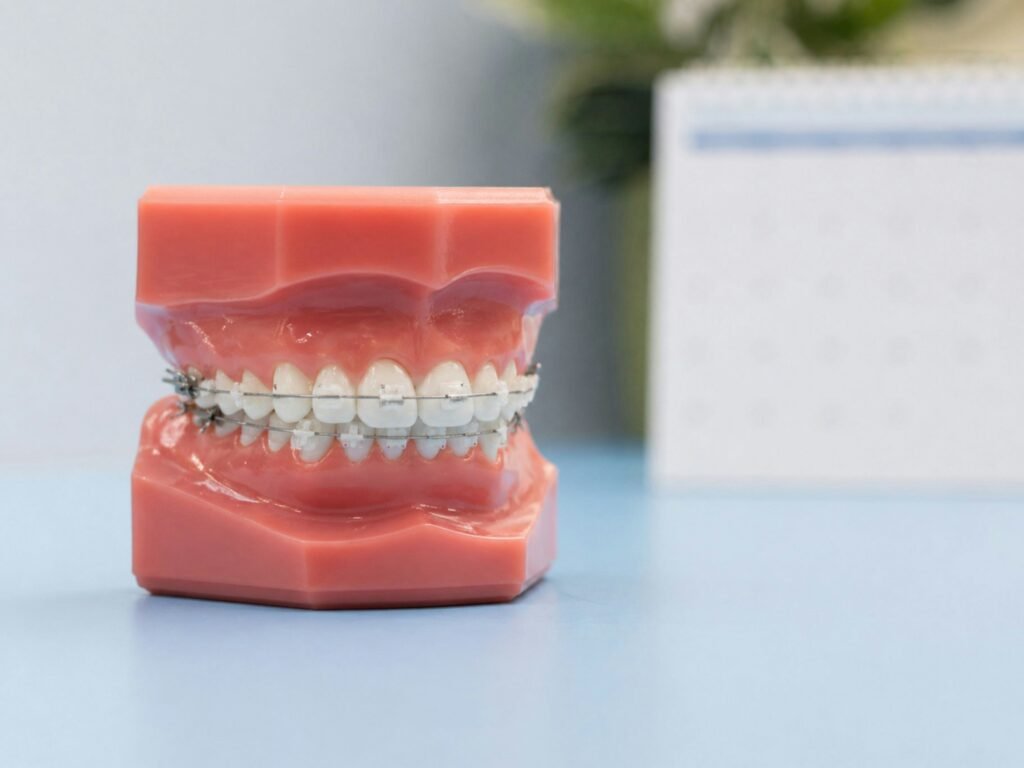
Alright, let’s talk retainers. You know, those things that keep your smile looking great after all that orthodontic work. They’re super important, but let’s be honest, they can get pretty gross if you’re not on top of cleaning them. The main question everyone has is: how do I keep my retainer from getting smelly and building up that crusty gunk? The short answer is consistent, proper cleaning using the right methods and avoiding the common mistakes. It’s not rocket science, but there are definitely better ways to do it than others.
Why Your Retainer Gets Gross
Before we dive into the “how,” let’s quickly touch on the “why.” Your mouth is a bustling place, full of bacteria, food particles, and saliva. Every time you pop your retainer in, it picks up all that stuff. If you don’t clean it regularly, that bacteria starts multiplying, leading to odors. Saliva contains minerals, and over time, these minerals can deposit on the retainer, hardening into that unsightly, hard-to-remove calcification (the same stuff that forms tartar on your teeth). This isn’t just gross; it can also be a breeding ground for more bacteria and potentially impact the fit of your retainer.
This is probably the most crucial step. What you do every single day makes the biggest difference. Think of it like brushing your teeth – you wouldn’t skip that, right?
Gentle Brushing is Key
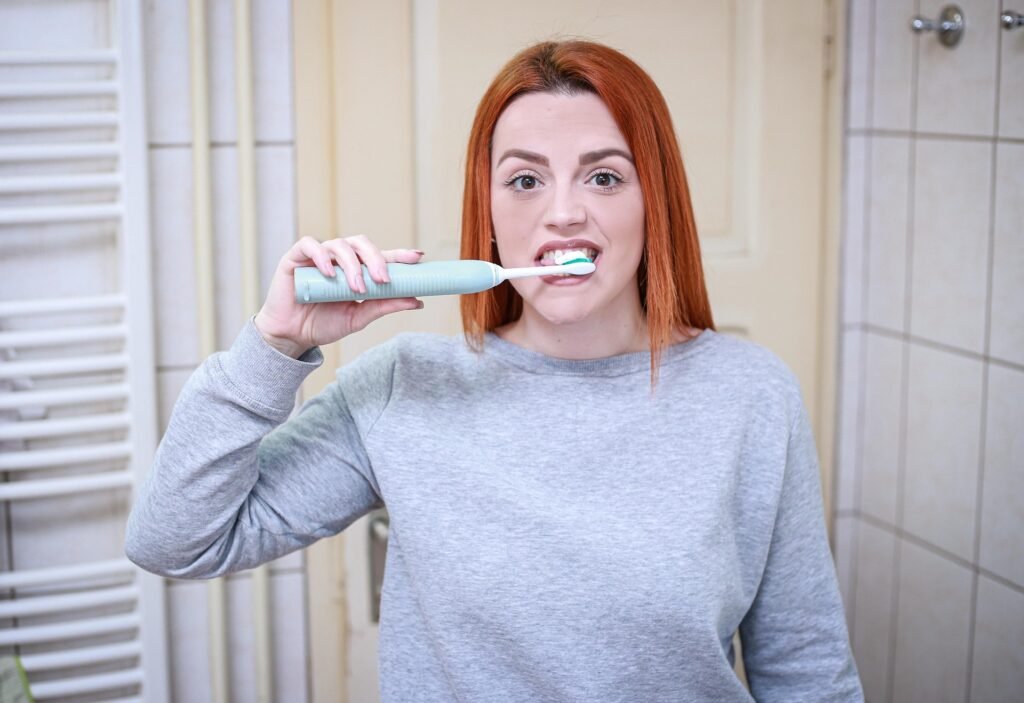
You’ll want to brush your retainer every time you take it out, especially before putting it back in.
- Soft Bristles Only: Just like with your teeth, a soft-bristled toothbrush is your best friend here. Hard bristles can scratch the surface of your retainer, creating tiny nooks and crannies where bacteria can hide and multiply, making it even harder to clean.
- Mild Soap or Retainer Cleaner: Don’t reach for your regular toothpaste. Most toothpastes are abrasive and contain ingredients that can scratch or dull your retainer, especially clear plastic ones. A non-abrasive, mild hand soap (like dish soap without harsh chemicals or lotions), or a specialized retainer cleaning solution is what you want. A tiny drop is usually plenty.
- Thorough but Gentle Scrubbing: Gently scrub all surfaces of your retainer – inside, outside, grooves, and edges. Pay attention to any areas that feel a bit slimy.
- Rinse Thoroughly: After brushing, rinse your retainer under lukewarm (not hot!) water to remove all traces of soap or cleaner. You don’t want to put soapy residue back in your mouth.
The Power of Lukewarm Water
- Never Hot Water: Seriously, this is a big one. Hot water can warp and distort your retainer, making it uncomfortable or even impossible to wear. That means your orthodontic treatment could be undone, and you’d be back to square one. Stick to lukewarm or cool water for rinsing and cleaning.
Deep Cleaning: Weekly Treatments for Extra Sparkle
While daily brushing handles the everyday grime, a weekly deep clean can help keep things extra fresh and prevent calcification from really taking hold.
Soaking Solutions: Your Secret Weapon
Soaking your retainer helps loosen stubborn buildup and kill bacteria that brushing alone might miss.
- Retainer Cleaning Tablets: These are specifically designed for retainers and often contain ingredients that kill bacteria and break down plaque and tartar. Just drop one in a glass of water with your retainer, let it soak for the recommended time (usually 10-20 minutes), then brush and rinse. Brands like Efferdent, Polident (make sure they’re for retainers/dentures, not just teeth!), or specialized orthodontic cleaner tablets work well.
- Vinegar and Water Solution: For a more natural option, a 50/50 mix of white vinegar and water can be effective. Vinegar is a mild acid that can help break down mineral deposits. Soak for about 15-30 minutes, then brush and rinse thoroughly to get rid of any vinegar smell. Be careful not to overdo this or soak too long, especially with clear plastic retainers, as prolonged exposure to acid could potentially affect the material over time if not rinsed properly.
- Antibacterial Mouthwash (Alcohol-Free): Some people use a capful of alcohol-free antibacterial mouthwash mixed with water for a short soak (5-10 minutes). Make sure it’s alcohol-free, as alcohol can dry out or damage certain retainer materials. This is more for killing bacteria than for deep cleaning calcification.
Ultrasonic Cleaners: The Professional Touch (Optional)
If you’re serious about retainer hygiene and want to invest a little, an ultrasonic cleaner can be a game-changer.
- How They Work: These devices use high-frequency sound waves to create tiny bubbles in a liquid, which then dislodge debris from all those hard-to-reach spots on your retainer.
- Convenience and Effectiveness: They’re great for a thorough clean and can really get rid of that murky film. You can use them with plain water, or add a retainer cleaning tablet or a bit of mild soap for an extra boost. They’re an investment, but many find them worthwhile for maintaining cleanliness with minimal effort.
Storage Smarts: What to Do When Your Retainer Isn’t in Your Mouth

How you store your retainer when you’re not wearing it is just as important as how you clean it.
The Case for the Case
- Always Use Your Retainer Case: This should be a given, but it’s surprising how many people leave their retainers unprotected. Your retainer case protects it from damage, loss, and germs.
- Keep It Clean: Your retainer case needs cleaning too! Wash it regularly with soap and water, and let it air dry completely to prevent mold or bacterial growth inside.
- Proper Ventilation: Some people like to store their retainer just slightly damp in the case, which can be okay if the case allows for some air circulation. However, if your case seals tightly, make sure your retainer is completely dry before putting it away for an extended period to prevent bacterial growth.
Air Drying is Your Friend
- Let It Breathe: After cleaning, it’s a good idea to let your retainer air dry for a bit before putting it in its case. This reduces moisture, which bacteria and mold love. You can place it on a clean paper towel or a designated retainer stand.
Common Mistakes to Avoid

Knowing what not to do is just as important as knowing what to do.
Toothpaste is a No-Go
- Abrasive Properties: We mentioned this earlier, but it bears repeating. Most toothpastes contain abrasive particles designed to scrub plaque off your teeth. While great for enamel, these same particles will scratch the surface of your plastic or acrylic retainer. These scratches are not only visible, but they create microscopic areas for bacteria to latch onto and thrive, leading to more odors and buildup. Stick to mild soap or specialized cleaners.
Boiling Water is a Retainer Killer
- Melting Plastic: This is another big one that can quickly undo all your orthodontic work. Extreme heat, like boiling water, microwave sterilization, or even leaving it in a hot car, will easily warp and melt the plastic of your retainer. This means it won’t fit anymore, will be useless, and you’ll have to get a new one (and pay for it!). Always use lukewarm or cool water.
Skipping Cleaning
- Buildup Accumulation: It might seem obvious, but forgetting to clean your retainer even for a day or two can kickstart the odor and calcification process. Once calcification starts, it’s harder to remove. Consistency is key. Every time it comes out of your mouth, it should get a quick clean.
Using Harsh Chemicals
- Bleach & Other Household Cleaners: Never, ever use household cleaning products like bleach, ammonia, or harsh bathroom cleaners on your retainer. These chemicals are toxic, can damage the retainer material, and are absolutely not safe for something that goes into your mouth. Stick to approved cleaning methods.
When to Seek Professional Help (And When to Replace)
| Topic | Metrics |
|---|---|
| Retainer Hygiene | Proper cleaning routine, frequency of cleaning, use of cleaning products |
| Smelly Appliances | Causes of odor, prevention methods, impact on oral health |
| Calcified Retainers | Factors leading to calcification, consequences, ways to avoid |
Sometimes, despite your best efforts, things can go wrong or just wear out.
Stubborn Stains or Calcification
- Your Orthodontist Can Help: If you have stubborn, deeply embedded calcification or stains that you just can’t get rid of, your orthodontist might be able to help. They often have specialized equipment or stronger cleaning solutions that can safely remove buildup without damaging your retainer. Don’t try to scrape it off yourself with sharp objects, as this will damage the retainer.
Damage or Poor Fit
- Cracks, Warping, or Looseness: If your retainer ever cracks, breaks, warps, or becomes consistently loose, it’s time to contact your orthodontist. A damaged or ill-fitting retainer won’t hold your teeth in place correctly, potentially undoing your orthodontic treatment. Trying to wear a broken retainer can also be uncomfortable or even cause damage to your gums or teeth.
- Replacing Worn Retainers: Just like anything else, retainers don’t last forever. Even with impeccable care, over time they can wear down, stretch, or become less effective. Your orthodontist will advise you on how often they recommend replacing your specific type of retainer. If your retainer is several years old and doesn’t feel as snug as it once did, it might be time for a fresh one.
Keeping your retainer clean and fresh really boils down to a consistent routine and avoiding a few common pitfalls. It’s an investment in your smile, and a little daily care goes a long way in keeping it looking great, smelling good, and doing its job effectively.
FAQs
What is a retainer and why is it important to keep it clean?
A retainer is a custom-made orthodontic appliance used to maintain the position of teeth after braces are removed. It is important to keep it clean to prevent the buildup of bacteria, plaque, and tartar, which can lead to bad breath, gum disease, and tooth decay.
How often should I clean my retainer?
Retainers should be cleaned at least once a day, preferably after meals. It is important to remove plaque and food particles to prevent the buildup of bacteria and tartar.
What is the best way to clean a retainer?
The best way to clean a retainer is to gently brush it with a soft-bristled toothbrush and non-abrasive toothpaste. It can also be soaked in a retainer cleaning solution or a mixture of equal parts water and vinegar for 15-30 minutes.
Can I use mouthwash to clean my retainer?
While mouthwash can help freshen the retainer, it is not a substitute for proper cleaning. Mouthwash may not effectively remove plaque and bacteria, so it is best to use a toothbrush and toothpaste for cleaning.
What are the consequences of not cleaning my retainer regularly?
If a retainer is not cleaned regularly, it can develop a foul odor, become discolored, and accumulate tartar. This can lead to bad breath, gum disease, and tooth decay. Additionally, a dirty retainer may also cause discomfort and irritation in the mouth.