This article is for informational purposes only and does not constitute medical advice. Always consult with your orthodontist or dentist for personalized recommendations and care.
So, you’ve finished your orthodontic treatment, and your clear retainers are keeping those pearly whites perfectly in place. That’s fantastic! But a question likely pops into your mind: how often do these things actually need to be swapped out? The short answer is, it varies, but usually, you’re looking at somewhere between six months and two years for replacement, depending on how well you care for them and a few other factors. Let’s dive into what that really means for you.
Your Retainer’s Lifespan: It’s Not One-Size-Fits-All
Think of your clear retainers like a pair of good shoes. If you wear them every day, walk miles in them, and don’t clean them, they’re not going to last as long as if you wear them occasionally and take good care of them. The same logic applies to your retainers. They’re constantly in your mouth, exposed to saliva, food particles, bacteria, and the general wear and tear of being clenched or even unconsciously chewed on.
The material itself is quite durable, made of clear thermoplastic. However, over time, this material can degrade, warp, or become scratched and cloudy. This is where the “it depends” really kicks in. Factors like how often you wear them, your oral hygiene habits, and even your saliva composition can all play a role in how long yours will effectively do their job.
How to Tell If It’s Time For a New Pair
Spotting when your retainer needs replacing isn’t always straightforward. Sometimes, it’s a gradual decline in their condition that you might not notice day-to-day. But there are definite signs to keep an eye out for. Paying attention to these will help you ensure your teeth aren’t starting to shift back.
Visible Wear and Tear
This is often the most obvious indicator. Look closely at your retainers under good light. What do you see?
Scratches and Cloudiness
Are your retainers looking foggy or covered in fine scratches? These micro-abrasions can harbor bacteria and make your retainers less hygienic. They also make it harder to see your teeth clearly through them, which, while not functionally critical, is a sign of degradation. Significant scratching can also weaken the plastic.
Warping or Bending
Even slight warping can be a big problem. If your retainer doesn’t fit snugly anymore, or if it feels loose or if you can easily bend it with your fingers, it’s probably time for a new one. This can happen from heat (like putting them in hot water or leaving them in a hot car) or from excessive pressure.
Cracks or Chips
This is a more serious sign. If you notice any cracks, however small, or chips in the plastic, your retainer is compromised. It won’t be able to hold your teeth in place effectively, and you risk damaging the retainer or irritating your gums.
Changes in Fit
The primary job of a retainer is to maintain the position of your teeth. If the fit starts to change, it’s a red flag.
Looseness
This is a classic sign. If your retainer feels loose, doesn’t snap into place like it used to, or slips around in your mouth, it’s no longer providing the necessary retention. This is a critical indicator that replacement is needed.
Tightness or Discomfort
While it might seem counterintuitive, if your retainer suddenly feels too tight or uncomfortable after a period of fitting well, it could indicate that your teeth have already started to move, and the retainer is no longer fitting them properly. This is a sign that you should contact your orthodontist immediately, as you may need a new retainer and further evaluation.
Hygiene and Odor
Even with diligent cleaning, retainers can eventually become too worn to be properly sanitized.
Persistent Bad Odor
If you clean your retainers regularly, but they consistently develop a bad smell, it could be due to microscopic porousness in the plastic that traps bacteria and odor-causing compounds. No amount of scrubbing will fully eliminate this on a worn retainer.
Staining
While some staining can be from food or drink, if your retainers are becoming deeply discolored and un-cleanable, it’s another sign of wear and tear.
Factors Influencing Retention Longevity
So, what exactly makes one person’s retainer last longer than another’s? It boils down to a combination of usage, maintenance, and even your own body.
Wearing Habits
How diligently you wear your retainers is probably the biggest factor in their lifespan.
Nighttime vs. Full-Time Wear
If your orthodontist prescribed nighttime wear only, your retainers will generally last longer than if you wear them for extended periods during the day. Less frequent exposure to saliva, food debris, and general wear means less degradation.
Occasional Lapses in Wear
If you sometimes forget to wear them for a night or two, it doesn’t dramatically shorten their lifespan. However, if lapses become frequent, your teeth might shift, and the retainer might no longer fit, necessitating replacement. The retainer itself might still look okay, but its function is compromised.
Oral Hygiene Practices
Your daily cleaning routine is crucial for both your oral health and the longevity of your retainers.
Brushing and Rinsing
Regularly brushing your retainers with a soft toothbrush and non-abrasive toothpaste (or retainer cleaner) after every meal and before bed is essential. Thoroughly rinsing them is also important.
Proper Cleaning Solutions
Using specialized retainer cleaning solutions or tablets can help break down plaque and bacteria more effectively than just water and brushing. Avoid harsh chemicals or boiling water, as these can damage the plastic.
Saliva Composition
This is a less controlled factor but can still have an impact. Some people have saliva that is more acidic or contains more minerals, which can contribute to plaque buildup and potentially wear on the retainer over time.
Environmental Factors
Believe it or not, where you store and expose your retainers can make a difference.
Heat Exposure
Exposure to high temperatures can warp clear retainers. This means avoiding leaving them in direct sunlight, in a hot car, or rinsing them with very hot water.
Pets and Accidental Damage
Accidents happen. If your dog decides your retainer looks like a chew toy (and this is surprisingly common!), you’ll need a replacement. Likewise, dropping them or stepping on them can cause cracks or weakening.
How Often Your Orthodontist Recommends Replacement
Your orthodontist is your best resource for determining the right replacement schedule for your specific retainers. They’ll often give you an initial timeframe, but they’ll also be able to assess your retainers when you come in for check-ups.
Initial Guidance
When you finish your active orthodontic treatment, your orthodontist will provide clear instructions on how and when to wear your retainers. They will likely also give you an estimated lifespan for those initial retainers. This is often based on the material used, the design, and the expected wear pattern.
Regular Check-ups are Key
Even if your retainer looks fine, attending your scheduled orthodontic check-ups (if you still have them) is important. Your orthodontist can professionally assess the fit and condition of your retainers. They can spot subtle signs of wear or potential issues that you might miss.
What to Do if You’re Unsure
If you’re questioning the fit or condition of your retainers, don’t wait for your next appointment. Call your orthodontist’s office. They can usually schedule a brief appointment to examine your retainers and advise you accordingly. It’s far better to replace a retainer a little early than to risk your teeth shifting.
When to Consider Replacement Even If They Look Okay
Sometimes, a retainer might appear to be in good condition, but other factors might necessitate a replacement. Trusting your orthodontist’s advice and listening to your own body are crucial here.
Signs of Shifting Teeth
If your teeth feel slightly crooked when you put your retainer in, or if the retainer is harder to get in or feels like it’s putting pressure on specific teeth in a new way, it’s a strong indicator that your teeth have moved. This means the retainer is no longer doing its job effectively, and you need a replacement, often along with further assessment from your orthodontist to understand why movement occurred.
Changes in Bite or Gum Health
If you notice any changes in how your teeth come together (your bite), or if your gums feel irritated or inflamed around your retainer, it could be a sign that the retainer isn’t fitting correctly anymore. This could be due to wear and tear or tooth movement.
Professional Opinion Over Personal Assessment
Ultimately, your orthodontist’s professional opinion is invaluable. They have the expertise to confidently assess the structural integrity and fit of your retainers. Even if you think they look fine, if your orthodontist recommends replacement, it’s best to follow their advice. They might be noticing subtle changes that are early indicators of future problems.
Cost and Process of Replacing Clear Retainers
Replacing retainers is a standard part of post-orthodontic care, and understanding the process and potential costs can help you be prepared.
What to Expect During Replacement
When you need new retainers, your orthodontist will typically take new impressions or scans of your teeth. This is to ensure the new retainers are an exact fit for your current tooth alignment. This process is usually quick and painless. The new retainers are then fabricated in a lab and will be fitted to you during a subsequent appointment.
Understanding the Costs
The cost of replacing clear retainers can vary significantly depending on your location, the orthodontist’s fees, and the specific type of retainer material used. It’s wise to inquire about the cost upfront when scheduling your appointment. Some offices offer payment plans or have retainer replacement packages.
Insurance and Financing Options
While orthodontic treatment itself might be covered by insurance, retainer replacement is sometimes considered maintenance and might not be fully covered. It’s essential to check your insurance policy or discuss payment options with your orthodontist’s office. They can often provide information on financing or payment plans to make the cost more manageable.
The Takeaway: Maintain and Replace When Needed
To sum it all up, your clear retainers are an investment in your smile. They require care and attention to last as long as possible. By regularly inspecting them, practicing good oral and retainer hygiene, and listening to your orthodontist’s advice, you can maximize their lifespan. Generally, plan for replacement every six months to two years, but be observant of the signs we’ve discussed. When in doubt, always consult your orthodontist. Protecting those perfectly aligned teeth is worth it!
FAQs
1. What are clear retainers and why are they used?
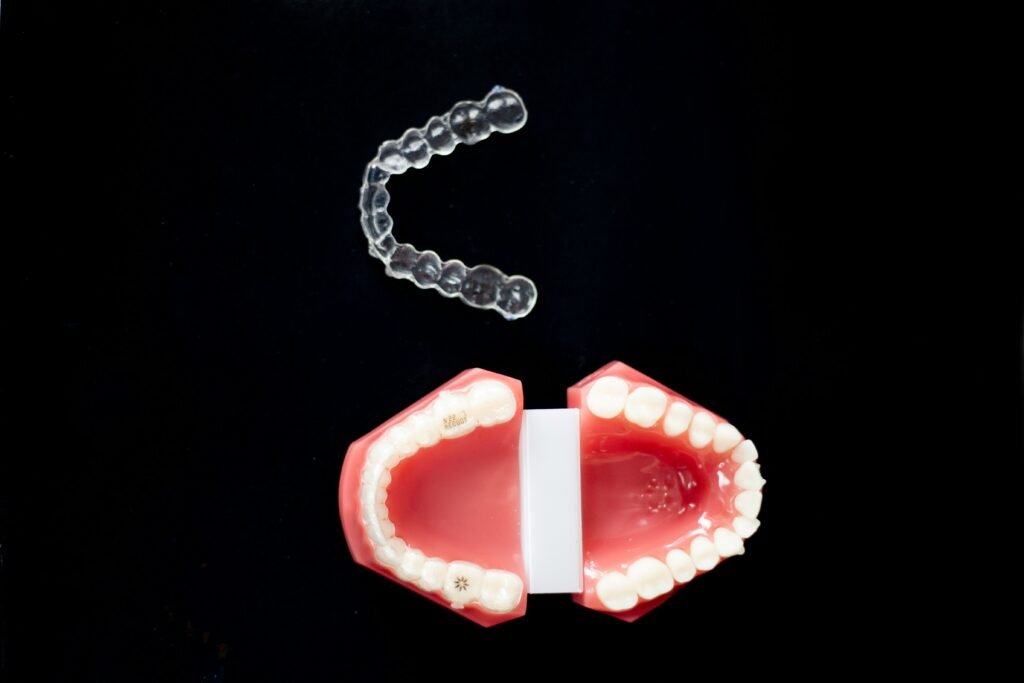
Clear retainers are orthodontic devices used to maintain the position of teeth after braces are removed. They are made of a clear plastic material and are custom-fitted to the individual’s teeth. They help prevent teeth from shifting back to their original position.
2. How often should clear retainers be replaced?
Clear retainers should be replaced every 6-12 months, or as recommended by your orthodontist. Over time, the retainer can become worn, cracked, or discolored, which can affect its effectiveness in maintaining the position of the teeth.
3. What are the signs that indicate a clear retainer needs to be replaced?
Signs that indicate a clear retainer needs to be replaced include visible wear and tear, cracks, discoloration, or a loose fit. If the retainer no longer fits properly or feels uncomfortable, it may be time for a replacement.
4. How can I prolong the lifespan of my clear retainer?
To prolong the lifespan of your clear retainer, it’s important to clean it regularly with a non-abrasive toothpaste and a soft-bristled toothbrush. Avoid exposing the retainer to hot water, as it can cause warping. Additionally, store the retainer in its case when not in use to prevent damage.
5. What should I do if I suspect my clear retainer needs to be replaced?
If you suspect that your clear retainer needs to be replaced, schedule an appointment with your orthodontist. They can assess the condition of the retainer and provide recommendations for a replacement if necessary. It’s important to address any concerns about the retainer’s condition to ensure the continued effectiveness of orthodontic treatment.