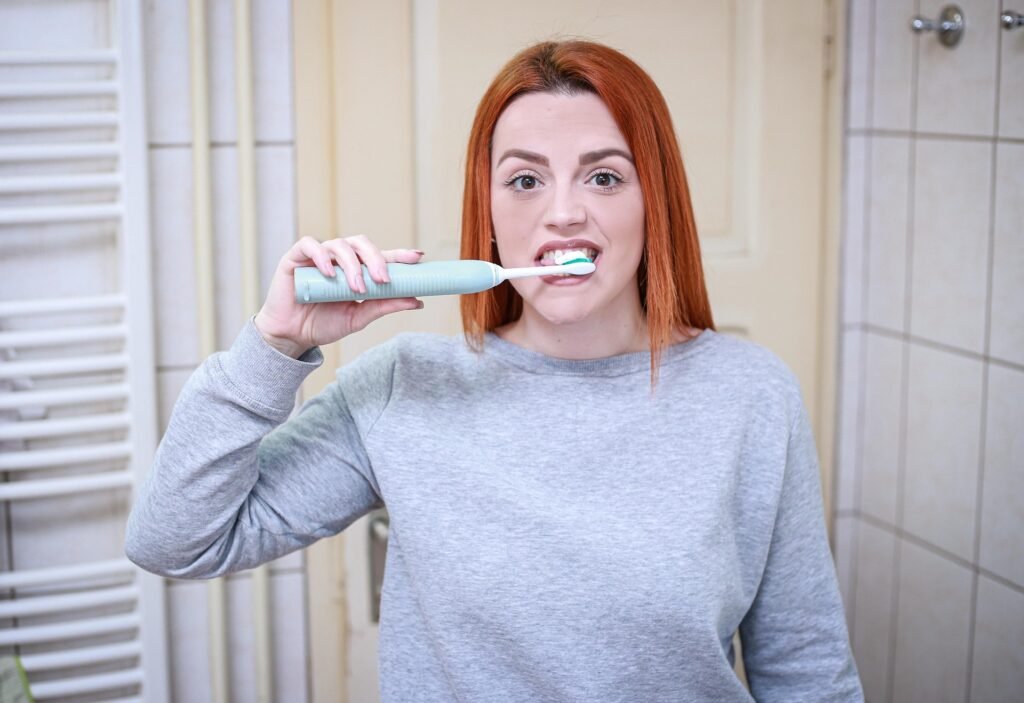
If your child has lost a baby tooth too soon, you might be hearing about something called a space maintainer. In a nutshell, a space maintainer is a custom-made appliance, either removable or fixed, that’s used to hold open the space where a primary (baby) tooth used to be. The main goal? To make sure that the permanent tooth underneath has enough room to erupt properly, preventing a whole host of orthodontic issues down the line. Think of it as a placeholder – literally saving a spot for that future adult tooth.
Losing a baby tooth prematurely might not seem like a big deal at first glance. After all, they’re just baby teeth, right? They’re meant to fall out. But there’s a lot more to it than just that.
The Role of Baby Teeth
Baby teeth are more than just temporary placeholders for adult teeth. They play crucial roles in:
- Chewing and Nutrition: Healthy baby teeth allow children to chew their food properly, which is essential for good digestion and nutrient absorption.
- Speech Development: They help with the formation of sounds and words, influencing early speech patterns.
- Jaw Development: Baby teeth help guide the proper growth and development of the jawbones.
- Saving Space: Most importantly in this context, they act as natural space maintainers. Each baby tooth reserves the spot for its permanent successor.
What Happens When a Tooth is Lost Too Soon?
When a baby tooth comes out before its time, especially due to decay, injury, or extraction, the teeth around it don’t just stay put. They tend to shift.
- Neighboring Teeth Drift: The teeth adjacent to the gap will naturally try to move into that empty space. This is a common biological response – your body tries to close any gaps.
- Space Loss: As these teeth drift, the space intended for the permanent tooth shrinks or can even disappear entirely.
- Impacted Permanent Teeth: When the permanent tooth is ready to erupt, it finds there’s not enough room. It might get stuck under the bone and gum (impacted), come in at a strange angle, or push other teeth out of alignment.
- Crowding and Malocclusion: This lack of space often leads to crowded, crooked permanent teeth, and bite problems (malocclusion) that can be more difficult and costly to fix later with orthodontics.
Types of Space Maintainers
Space maintainers come in a few different forms, and the best choice depends on which tooth is missing, how many teeth are missing, and your child’s individual needs. They generally fall into two main categories: fixed (cemented in place) and removable.
Fixed Space Maintainers
Fixed space maintainers are cemented onto existing teeth and aren’t meant to be taken out by the child. They’re typically made of stainless steel.
Band and Loop Maintainer
- How it works: This is one of the most common types. A stainless steel band is fitted around one of the teeth next to the gap, and a wire loop extends across the space to touch the tooth on the other side.
- When it’s used: Often used when a single primary molar (back tooth) is lost.
- Advantages: Very sturdy, effective at holding space, and generally well-tolerated.
- Disadvantages: Requires good oral hygiene and limits the child’s ability to eat very sticky or hard foods that could dislodge it.
Crown and Loop Maintainer
- How it works: Similar to a band and loop, but instead of a band, a stainless steel crown (a metal cap) is placed on the tooth next to the gap for extra stability. The loop then extends to the other side.
- When it’s used: Often chosen if the anchor tooth (the tooth to which the maintainer is attached) isn’t healthy enough for a simple band – maybe it has a large filling or weak enamel.
- Advantages: Offers more strength and protection for a potentially compromised anchor tooth.
- Disadvantages: Same as band and loop regarding oral hygiene and food restrictions.
Lingual Arch Maintainer
- How it works: This is a bit more involved. It involves bands on two molars, usually on the lower jaw, with a wire running along the inside (lingual side) of the dental arch, just behind the front teeth.
- When it’s used: When multiple baby teeth are lost on the lower jaw, or if both lower baby molars are lost on one side. It prevents the front teeth from drifting backward and the molars from drifting forward.
- Advantages: Can maintain space for several teeth simultaneously.
- Disadvantages: More complex, requires excellent hygiene, and can sometimes feel bulkier to the child’s tongue initially.
Nance Arch Maintainer (Palatal Arch)
- How it works: Similar in concept to the lingual arch but used for the upper jaw. Bands are placed on the upper molars, and a wire runs across the roof of the mouth (palate), often with an acrylic button in the center for support.
- When it’s used: To maintain space in the upper arch, preventing molars from moving forward.
- Advantages: Very effective for the upper jaw.
- Disadvantages: Can sometimes irritate the palate, requires good hygiene.
Removable Space Maintainers
Removable space maintainers are similar to retainers or partial dentures and can be taken out by the child.
Acrylic or Partial Denture Maintainer
- How it works: This is usually a plate made of acrylic that fits over the gums and has artificial teeth attached to fill the gap. It’s held in place with clasps on existing teeth.
- When it’s used: Often chosen when several front baby teeth are missing, or when aesthetic concerns are present. It can also help with speech and eating.
- Advantages: Can replace multiple missing teeth, improves appearance, speech, and chewing. Can be removed for cleaning.
- Disadvantages: Requires a high level of cooperation from the child to wear it consistently, can be easily lost or broken, and might need to be adjusted as the child grows.
The Process: What to Expect

Getting a space maintainer for your child is a fairly straightforward process, typically handled by a pediatric dentist or an orthodontist.
Initial Consultation and Diagnosis
- Exam: The dentist will carefully examine your child’s mouth, looking at the missing tooth gap and the surrounding teeth. They’ll consider your child’s age and overall dental development.
- X-rays: Crucially, X-rays will be taken to determine if the permanent tooth is present underneath the gum, where it’s positioned, and how close it is to erupting. This helps determine if a space maintainer is even necessary and what type would be best.
- Discussion: The dentist will explain why the space maintainer is recommended, what type they suggest, and answer any questions you might have about the benefits and the process.
Impressions and Fabrication
- Molding: If a fixed space maintainer is chosen, the next step usually involves taking an impression (a mold) of your child’s mouth. This is done using a soft, putty-like material that your child bites into for a few moments. It’s quick and generally harmless, though some kids might find it a little strange.
- Lab Work: This impression is sent to a dental lab where the custom space maintainer is fabricated to perfectly fit your child’s mouth and the specific space. This usually takes about a week or two.
- Removable Maintainers: For removable options, impressions are also taken, and the appliance is made with the artificial teeth and clasps already incorporated.
Placement and Adjustments
- Fitting: Once the space maintainer is ready, you’ll return for a second appointment. The dentist will try in the appliance to ensure it fits comfortably and correctly.
- Cementing (Fixed): If it’s a fixed maintainer, it will be permanently cemented onto the anchor teeth. The cementing process is quick and painless.
- Instructions (Removable): If it’s a removable option, the dentist will show you and your child how to insert, remove, and care for it properly.
- Follow-up: The dentist will give you instructions on how to care for the space maintainer and schedule follow-up appointments to check on its fit and the eruption progress of the permanent tooth. These check-ups are important as your child’s mouth is constantly changing.
Living with a Space Maintainer: Care and Considerations

Once your child has a space maintainer, a little extra care is needed to ensure it does its job effectively and stays in place.
Oral Hygiene is Paramount
Maintaining excellent oral hygiene is critical with a space maintainer, especially a fixed one. Food particles can easily get trapped around the bands and wires, increasing the risk of cavities and gum inflammation.
- Brushing: Encourage your child to brush thoroughly around the space maintainer at least twice a day, paying extra attention to the areas where the bands meet the teeth and under the wire. A soft-bristled toothbrush is best.
- Flossing: Flossing can be a little tricky with a fixed space maintainer. Your dentist might recommend using a floss threader or specialized dental picks to clean under the wire. For removable maintainers, the appliance should be removed and cleaned separately, and the teeth should be flossed as usual.
- Rinsing: Rinsing with water or an antiseptic mouthwash (if recommended by the dentist) can help dislodge food particles.
Food Restrictions
Certain foods can damage or dislodge space maintainers. It’s important to be mindful of what your child eats.
- Avoid Sticky Foods: Caramels, taffy, chewy candy, bubblegum, and gummy bears can all get stuck to the maintainer and potentially pull it off or bend the wires.
- Avoid Hard Foods: Hard candies, ice, popcorn kernels, and hard crusts can bend or break the wires or bands.
- Chew Carefully: Encourage your child to cut hard foods into smaller pieces and chew carefully, especially with front teeth initially if possible.
Regular Dental Check-ups
Even with diligent home care, regular visits to the dentist are essential.
- Monitoring: The dentist will check the space maintainer to ensure it’s still properly seated, not bent or broken, and in good condition.
- Eruption Check: They’ll also monitor the underlying permanent tooth using X-rays periodically to see how it’s developing and erupting.
- Adjustments: Sometimes, minor adjustments might be needed as your child grows or if the appliance gets slightly bent.
- Replacement: In rare cases, if the maintainer is significantly damaged or your child outgrows it, a replacement might be necessary.
What to Do if it Comes Loose or Breaks
It happens! If the space maintainer comes loose, breaks, or causes discomfort, contact your dentist right away. Do not try to fix it yourself. If it’s a fixed maintainer that has come loose, keep it if possible and bring it to your appointment. If a removable maintainer breaks, stop using it and call the dentist. Prompt repair or re-cementation is important to prevent the space from closing.
When Do Space Maintainers Come Out?
| Types of Space Maintainers | Benefits |
|---|---|
| Fixed Space Maintainers | Prevent shifting of teeth and maintain space for permanent teeth |
| Removable Space Maintainers | Allow for easy cleaning and maintenance of oral hygiene |
| Band and Loop Space Maintainers | Effective for maintaining space in the case of early loss of baby teeth |
| Benefits of Space Maintainers | Prevent future orthodontic treatment and maintain proper alignment of permanent teeth |
The space maintainer serves its purpose until the permanent tooth is ready to erupt and take its place.
The Natural Eruption Cycle
- Timing: The dentist will monitor the development of the permanent tooth. Once the tooth starts to emerge through the gum, the space maintainer has done its job.
- Monitoring with X-rays: Regular X-rays help the dentist track the permanent tooth’s progress, ensuring it’s moving into the correct position. They’ll know when it’s time to remove the maintainer.
Removal Process
- Simple Procedure: The removal of a space maintainer is typically a quick and straightforward procedure.
- Fixed Maintainers: For fixed maintainers, the dentist will use a special instrument to gently loosen and remove the bands from the teeth. It’s usually painless, though your child might feel a bit of pressure.
- Removable Maintainers: Removable ones are simply taken out for the last time.
- No Anesthesia Often Needed: Local anesthesia is generally not required for removal, making it a comfortable experience for most children.
Post-Removal Care
- Temporary Sensitivity: After removal, the teeth that had the bands might feel a little sensitive for a short period, but this usually subsides quickly.
- Normal Brushing: Your child can immediately resume their regular brushing and flossing routine.
- Ongoing Monitoring: The dentist might still want to see your child for a follow-up to ensure the permanent tooth is erupting fully and correctly.
Are There Alternatives or Risks?
While space maintainers are generally safe and effective, it’s worth understanding the potential alternatives and minor risks.
Alternatives to Space Maintainers
- Early Orthodontic Intervention: In some cases, if space loss is significant or other orthodontic issues are present, the dentist might recommend early orthodontic treatment (Phase 1 Orthodontics) instead of or in conjunction with a space maintainer. This might involve expanders or limited braces.
- Monitoring and No Treatment: If the permanent tooth is very close to erupting when the baby tooth is lost, or if the space loss is minimal and unlikely to cause significant problems, the dentist might opt for “watchful waiting” without an appliance. This is less common but can be appropriate in certain situations.
- Extraction of Permanent Tooth: In very rare and extreme cases where a permanent tooth is impacted and the space loss is severe, and other options are not viable, extraction of an impacted permanent tooth might be considered, though this is a last resort.
Potential Risks and Complications
Space maintainers are generally very safe, but like any dental appliance, a few minor issues can arise.
- Breakage or Loosening: The most common issue is the space maintainer coming loose or breaking, often due to eating sticky or hard foods, or from trauma. This isn’t usually an emergency, but it needs to be addressed by the dentist to avoid space loss.
- Food Impaction: Food can get trapped around the wires and bands, leading to plaque buildup, cavities, and gum irritation if oral hygiene isn’t meticulous.
- Irritation: Sometimes the wire can irritate the cheek, tongue, or gum tissue. This often resolves as the child adjusts, but if persistent or painful, the dentist can make adjustments.
- Interference with Eruption: Very rarely, the space maintainer itself could slightly impede the eruption of the permanent tooth if not designed or monitored correctly. Regular check-ups help prevent this.
- Allergic Reaction: Extremely rare, but an allergy to the metal components is possible.
Final Thoughts on Saving Room for Permanent Smiles
Space maintainers might seem like a small appliance, but their impact on a child’s developing bite and future oral health is actually quite significant. By simply holding a space open, they can help prevent a domino effect of dental problems like crowding, impacted teeth, and the need for more extensive (and expensive) orthodontic treatment later on. If your child’s dentist recommends one, it’s typically for a very good reason – to give that permanent smile the best possible start. It’s an investment in their long-term oral health, ensuring those adult teeth come in exactly where they’re supposed to be.
FAQs
What are space maintainers?
Space maintainers are dental devices used to hold space for permanent teeth when a primary tooth is lost prematurely. They prevent neighboring teeth from shifting into the empty space and causing alignment issues.
Why are space maintainers important?
Space maintainers are important because they help ensure that there is enough room for permanent teeth to erupt properly. Without space maintainers, neighboring teeth may drift into the empty space, leading to crowding and misalignment of the permanent teeth.
How are space maintainers placed?
Space maintainers are custom-made by a dentist to fit the specific space in a child’s mouth. They can be made of metal or plastic and are cemented onto the teeth on either side of the empty space.
At what age are space maintainers typically used?
Space maintainers are typically used in children when they lose a primary tooth before the permanent tooth is ready to erupt. This can happen as early as age 6 or 7, when children start losing their baby teeth.
Are there different types of space maintainers?
Yes, there are different types of space maintainers, including removable space maintainers, fixed space maintainers, and distal shoe space maintainers. The type used depends on the specific needs of the child and the location of the missing tooth.