So, you’ve done the hard yards, powered through the wires, elastics, and maybe even a few awkward late-night retainer adjustments. Your smile is finally straight, aligned, and looking fantastic. Congratulations! Now, the big question: how do you keep it that way? It’s less about magic and more about a consistent routine. Think of it like taking care of any investment; a little ongoing effort prevents bigger headaches down the road. This guide is here to break down exactly what you need to do to maintain that beautiful post-orthodontic smile for the long haul, in a way that’s easy to understand and actually fits into your life.
This is the absolute cornerstone of keeping your teeth in their new, perfect positions. Orthodontic treatment moves your teeth by encouraging bone remodeling around them. Once the braces or aligners come off, that bone is still settling, and your teeth have a natural tendency to drift back to where they were. Retainers are designed to gently hold them in place while everything solidifies.
Understanding Your Retainer Options
There are a few common types of retainers, and your orthodontist will have prescribed the best one for your specific needs. Knowing what you have helps you care for it properly.
Fixed (Bonded) Retainers
These are thin wires bonded to the back of your front teeth (usually bottom, sometimes top, or both). They’re discreet and effective for preventing relapse, especially in the front of your mouth.
Pros: Always in place, out of sight, constant gentle pressure.
Cons: Can be tricky to clean around, might feel a bit strange initially, potential for wire breakage.
Removable Retainers
These are more common and come in a couple of main variations:
Hawley Retainers
These are the classic retainers with a piece of acrylic that sits on the roof of your mouth (or floor for lower teeth) and a wire that crosses the front of your teeth.
Pros: Durable, effective, allows for adjustments if minor shifting occurs.
Cons: More noticeable, can affect speech initially, requires diligent wear.
Clear Essix-Style Retainers
These are like clear aligners, but specifically for retention. They fit snugly over your teeth.
Pros: Almost invisible, comfortable once you get used to them, good for a more natural feel.
Cons: Can be less durable than Hawley retainers, might be prone to warping if exposed to heat, require very diligent cleaning to avoid odor.
The Golden Rule: Wear Them. Period.
This sounds obvious, but it’s where most people falter. Your orthodontist will give you specific instructions on how long and how often to wear your retainers.
- Initial Period: This is crucial. You’ll likely be asked to wear them full-time for several weeks or months, only removing them to eat and brush your teeth. This gives your teeth the best chance to settle into their new positions without any immediate pressure to move.
- Nighttime Guard: After the initial intensive period, you’ll typically transition to wearing them only at night. This is usually for a few years. Some people find they can eventually reduce wear to a few nights a week, but this is a decision to make with your orthodontist, not on your own.
- Listen to Your Teeth: If your retainer feels tight when you put it in, or if it doesn’t fit comfortably after a break, it’s a sign that your teeth have started to move. Don’t force it. Contact your orthodontist immediately.
Caring for Your Retainer
A clean retainer is a healthy retainer, and it will last longer.
- Daily Cleaning: Brush your retainer every time you brush your teeth. Use a soft-bristle toothbrush and plain water. You can use a small amount of mild, non-abrasive soap or a specialized retainer cleaner.
- Avoid Harsh Chemicals: Never use harsh mouthwash, toothpaste with whitening agents, or boiling water on your retainer. These can damage the material.
- Storage: When you’re not wearing your retainer, store it in its case. This protects it from damage and keeps it clean.
- Keep it Safe: Be mindful of where you place your retainer. It’s easy to accidentally throw away, especially during meals.
Perfecting Your Oral Hygiene Routine
With straight teeth, there’s less hiding space for plaque and food debris. This makes your regular cleaning even more effective, but also more critical.
The Power of the Toothbrush
You’ve probably perfected your brushing technique during orthodontic treatment, but a few reminders never hurt.
- Frequency: Brush at least twice a day, ideally after every meal.
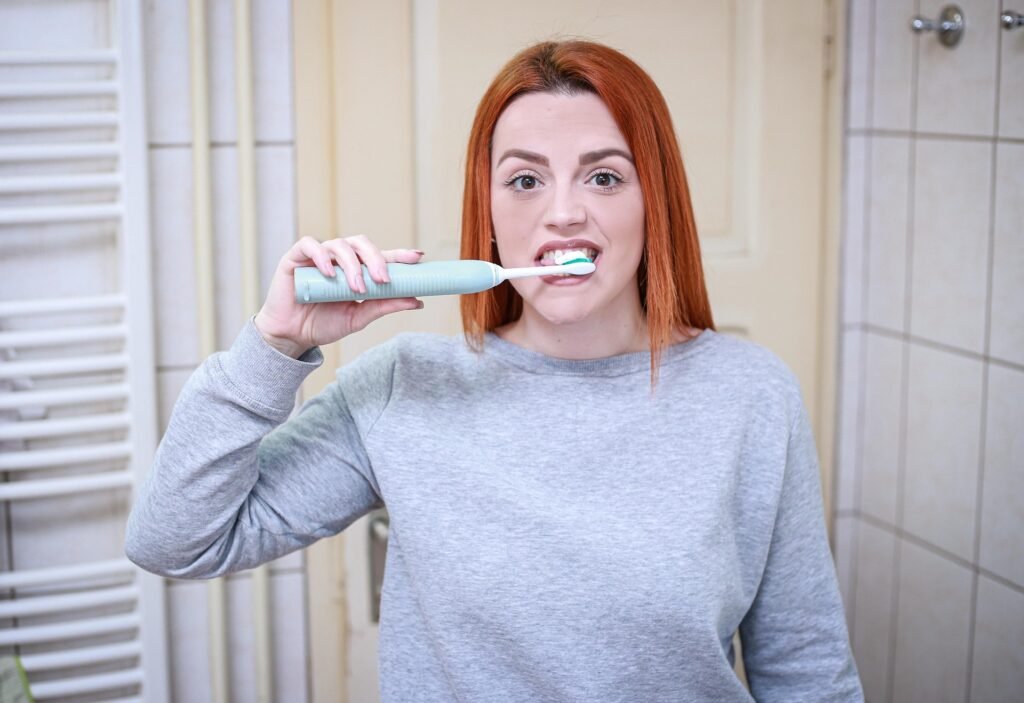
- Technique: Use gentle, circular motions. Focus on cleaning all surfaces of each tooth. Don’t forget the gum line.
- Toothpaste: Use fluoride toothpaste. Fluoride strengthens enamel and helps prevent cavities, which is vital for long-term oral health.
Don’t Skip the Floss (Seriously)
Flossing is non-negotiable. Straight teeth can still trap food particles between them and along the gum line.
- Daily Ritual: Aim to floss at least once a day, before bed is often the most effective time.
- Technique Matters: Gently slide the floss between your teeth, curving it around each tooth in a C-shape. Move it up and down to clean the sides. Don’t saw back and forth too aggressively.
- Options: If traditional floss is a hassle, consider floss picks, interdental brushes, or a water flosser. Find what works for you and stick with it.
Mouthwash: A Supportive Player
While not a replacement for brushing and flossing, mouthwash can be a beneficial addition.
- Therapeutic Benefits: Look for an antiseptic or fluoride mouthwash. Antiseptic options can help reduce bacteria, while fluoride rinses offer extra cavity protection.
- When to Use: Follow the product instructions. Usually, it’s after brushing and flossing, or at a different time of day.
- Avoid Alcohol-Based: If you have a sensitive mouth, opt for alcohol-free formulas to avoid dryness or irritation.
Regular Dental Check-ups: Your Orthodontist’s Follow-Up

Your orthodontist isn’t just there for the treatment phase. They play a key role in guiding you through retention too.
The Dentist’s Role Also Evolves
Your general dentist is your other primary partner in maintaining your smile.
- Routine Cleanings: Continue with regular professional dental cleanings every six months, or as recommended by your dentist. These cleanings remove plaque and tartar that you might miss at home.
- Early Detection: Dentists are trained to spot early signs of decay, gum disease, and other issues before they become major problems.
- Monitoring for Changes: They can also help monitor for any subtle shifting of your teeth and coordinate with your orthodontist if needed. Don’t be surprised if your dentist asks about your retainer wear.
Why the Follow-Up Appointments with your Orthodontist?
Even after braces are off, your orthodontist might want to see you periodically.
- Retainer Checks: They’ll want to ensure your retainer is fitting correctly and that your teeth are stable.
- Minor Adjustments: Occasionally, minor adjustments to your retainer might be needed, or they might advise on changes to your wear schedule.
- Long-Term Planning: Some orthodontists offer what’s called “retention assurance” programs, which involve periodic check-ins for several years. This can be a worthwhile investment for peace of mind.
Lifestyle Habits: The Subtle (But Significant) Influencers

What you eat, drink, and how you live can all have an impact on your smile’s longevity.
Diet Considerations
Your diet plays a significant role in your oral health, and therefore, your smile’s stability.
- Sugar is the Enemy: Sugary foods and drinks feed the bacteria in your mouth that produce acids, leading to cavities. Cutting back on soda, candy, and other sugary treats is a no-brainer.
- Sticky Foods: Foods like caramel, toffee, and even dried fruit can stick to your teeth and be harder to remove, increasing risk.
- Acidic Foods and Drinks: Citrus fruits, tomatoes, and acidic beverages (like some sports drinks and wine) can erode tooth enamel over time, making teeth weaker and more susceptible to movement or damage.
- Hydration is Key: Drinking plenty of water helps wash away food particles and neutralize acids. It also keeps your mouth from getting dry, which reduces the risk of cavities.
Habits to Be Wary Of
Some habits, seemingly minor, can have a cumulative negative effect.
- Nail Biting/Chewing on Pens: These habits put unnecessary pressure on your teeth, and over time, can subtly shift them or even chip them.
- Using Your Teeth as Tools: Don’t use your teeth to open packages, tear tape, or crack nuts. This can lead to chips, cracks, or even fractures.
- Bruxism (Teeth Grinding): If you grind your teeth, especially at night, this puts enormous force on your teeth. Discuss this with your dentist or orthodontist; you might need a nightguard even if you’re not grinding due to misalignment.
Addressing Minor Shifts: Don’t Panic, Just Act Smart
| Topic | Metrics |
|---|---|
| Brushing | Twice a day for 2 minutes |
| Flossing | Once a day |
| Orthodontic Retainers | Wear as prescribed by orthodontist |
| Diet | Avoid hard and sticky foods |
| Dental Check-ups | Every 6 months |
It’s rare for teeth to completely revert to their original positions overnight, but subtle shifts can happen. The key is to catch them early.
Recognizing the Signs of Relapse
Be attuned to your body and your smile.
- Retainer Fit: As mentioned, a retainer that feels tight is the primary indicator.
- Visible Gaps: If you notice small gaps appearing between teeth that were previously touching.
- Bite Changes: Does your bite feel “off” compared to how it did when your braces came off?
- Irregular Tooth Surfaces: Do any of your teeth feel less smooth or are the edges not as crisp?
What to Do If You Notice Changes
Don’t delay in seeking professional advice.
- Contact Your Orthodontist Immediately: They are the experts when it comes to tooth movement and retention. Showing them a retainer that’s not fitting is the quickest way to get a diagnosis and a plan.
- Don’t Force the Retainer: If your retainer is causing pain or feels like it might damage your teeth by forcing them, stop. Contact your orthodontist.
- Follow Their Guidance: Your orthodontist might recommend wearing your retainers more often, creating a new, custom retainer, or even a short course of new orthodontic treatment if the relapse is significant.
The Bottom Line: Keeping your post-orthodontic smile looking perfect isn’t about one big action; it’s about consistent, mindful care. Your retainer is your daily ally, diligent oral hygiene is your foundation, regular dental visits are your security system, and smart lifestyle choices are your preventative measures. By incorporating these practices into your routine, you’re not just maintaining a smile; you’re investing in a lifetime of confidence and health.
FAQs
1. What is the importance of long-term maintenance after orthodontic treatment?
Long-term maintenance after orthodontic treatment is crucial to ensure that the results of the treatment are maintained. This includes wearing retainers as prescribed by the orthodontist, practicing good oral hygiene, and attending regular dental check-ups.
2. How often should I wear my retainers after orthodontic treatment?
It is recommended to wear retainers as prescribed by your orthodontist. Initially, retainers may need to be worn full-time and then gradually transitioned to nighttime wear only. Consistency in wearing retainers is key to maintaining the results of orthodontic treatment.
3. What are some tips for maintaining a perfect post-orthodontic smile?
Some tips for maintaining a perfect post-orthodontic smile include practicing good oral hygiene, avoiding hard and sticky foods that can damage the teeth or orthodontic appliances, wearing retainers as prescribed, and attending regular dental check-ups.
4. How can I prevent relapse after orthodontic treatment?
To prevent relapse after orthodontic treatment, it is important to wear retainers as prescribed by the orthodontist, practice good oral hygiene, avoid habits that can put pressure on the teeth (such as nail-biting or teeth grinding), and attend regular dental check-ups.
5. What should I do if I notice changes in my post-orthodontic smile?
If you notice any changes in your post-orthodontic smile, such as shifting of teeth or changes in bite, it is important to contact your orthodontist as soon as possible. They can evaluate the changes and recommend appropriate measures to address any issues.