Ever wondered how braces or clear aligners actually work their magic, gently nudging your teeth into place? It’s not just brute force; it’s a fascinating biological process involving bone remodeling. Essentially, orthodontic forces create areas of pressure and tension around the tooth, prompting your body to naturally break down and rebuild bone, allowing the tooth to move. It’s a carefully orchestrated dance between cells, signals, and just the right amount of force.
To grasp how teeth move, we first need to appreciate that bone isn’t a static, unchanging structure. It’s constantly being reshaped through a process called remodeling. Think of it like a never-ending construction project in your body, with old material being removed and new material being laid down.
The Dynamic Duo: Osteoclasts and Osteoblasts
This bone remodeling is orchestrated by two primary types of cells:
- Osteoclasts: These are the “demolition crew.” Their job is to break down old or damaged bone tissue, creating tiny resorption lacunae (small pits) in the bone.
- Osteoblasts: These are the “construction workers.” They move into the areas cleared by osteoclasts and lay down new bone matrix, which then mineralizes to become solid bone.
These two cell types work in a delicate balance. In a healthy adult, the rate of bone resorption generally matches the rate of bone formation, keeping your skeleton strong and stable.
The Periodontal Ligament: The Key Player
The tooth isn’t directly fused to your jawbone. Instead, it’s suspended within a socket by a network of connective tissues called the periodontal ligament (PDL). This ligament is incredibly important for tooth movement.
- Shock Absorber: The PDL acts as a natural shock absorber, protecting your tooth from the constant forces of biting and chewing.
- Sensory Organ: It contains nerve endings that help you feel pressure and texture in your mouth.
- Cellular Hub: Crucially for orthodontics, the PDL is rich in various cells, including fibroblasts (which produce the collagen fibers of the ligament), osteoblasts, and osteoclasts, or their precursor cells.
How Orthodontic Forces Spark Bone Remodeling
When orthodontic appliances like braces or aligners apply a gentle, continuous force to a tooth, it creates distinct areas of pressure and tension within the PDL. This is where the magic begins.
The Pressure Side: Bone Resorption
On the side of the tooth where the orthodontic appliance pushes, the PDL space is compressed. This compression restricts blood flow and can lead to a slight decrease in oxygen levels (hypoxia) in that area.
- Cellular Response: These changes signal the local cells, particularly specialized cells within the PDL, to differentiate into osteoclasts.
- Bone Breakdown: The newly formed osteoclasts then get to work, breaking down the alveolar bone (the bone surrounding the tooth root). This creates space for the tooth to move into.
- Sterile Inflammation: It’s important to note that this process involves a localized, controlled inflammatory response. Think of it as a low-grade, productive inflammation, rather than a harmful infection. This inflammation is crucial for signaling and activating the appropriate cells.
The Tension Side: Bone Apposition
On the opposite side of the tooth, where the tooth is pulling away from the bone due to the orthodontic force, the PDL fibers are stretched. This stretching increases blood flow and likely promotes signals for bone formation.
- Fibroblast Activation: The fibroblasts within the stretched PDL are stimulated to produce more collagen, strengthening the ligament.
- Osteoblast Recruitment: Signals from the stretched PDL also attract osteoblasts, which then lay down new bone tissue on the surface of the alveolar bone.
- Maintaining Stability: This new bone formation is essential for filling in the space created by the tooth’s movement, ensuring the tooth remains securely anchored in its new position.
The Critical Role of Cytokines and Growth Factors
This entire process of bone resorption and formation isn’t haphazard. It’s tightly regulated by a complex network of signaling molecules, including:
- Cytokines: These are small proteins that act as messengers between cells, influencing their growth, differentiation, and activity. In orthodontics, specific cytokines like IL-1, TNF-alpha, and prostaglandins play a role in stimulating osteoclast activity on the pressure side.
- Growth Factors: These proteins promote cell growth, proliferation, and differentiation. They are crucial for attracting and activating osteoblasts on the tension side, encouraging new bone formation.
Why Orthodontic Forces Need to Be Just Right

The concept of ‘just right’ force is paramount in orthodontics. Too much force, and you can cause damage. Too little, and nothing happens.
The Harm of Excessive Force
Applying too much force to a tooth can have detrimental effects:
- Hyalinization: Extreme pressure can completely cut off blood supply to areas of the PDL, leading to cell death and the formation of a sterile, avascular tissue called hyaline. This virtually halts tooth movement as bone resorption cannot occur through the hyalinized tissue.
- Root Resorption: In severe cases, excessive force can also damage the tooth root itself, leading to shortening of the root (external apical root resorption). This is a serious complication, as root structure cannot be regenerated.
- Pain and Discomfort: High forces inevitably lead to increased pain and discomfort for the patient.
The Ineffectiveness of Insufficient Force
Conversely, if the force applied is too light, it may not be enough to trigger the necessary cellular responses in the PDL to initiate bone remodeling.
- No Movement: The tooth will simply not move or will move extremely slowly, prolonging treatment time and potentially frustrating the patient.
- Wasted Effort: Both the orthodontist’s and the patient’s efforts become inefficient.
Optimal Force: A Gentle, Continuous Push
The goal is to apply a light, continuous force. This optimized force:
- Maintains Blood Flow: Allows for partial compression of the PDL without completely cutting off blood supply, thus preventing hyalinization.
- Activates Cells: Provides the mechanical stimulus needed to activate osteoclasts on the pressure side and osteoblasts on the tension side.
- Minimizes Discomfort: Generally results in less pain and discomfort compared to heavy forces.
- Efficient Movement: Leads to predictable and efficient tooth movement without causing damage.
The Role of Orthodontic Appliances in Precise Force Delivery

Modern orthodontic appliances are designed to deliver these precise forces. It’s a testament to engineering and biological understanding.
Braces: Wires, Brackets, and Ligatures
Traditional braces work through a system of brackets, wires, and ligatures (small elastics or metal ties).
- Brackets: These are attached to the tooth surface and act as handles.
- Archwires: These are threaded through the brackets and are the primary force-delivering component. Wires come in different materials (nickel-titanium, stainless steel) and cross-sectional shapes, each with unique properties for controlled force application.
- Ligatures: These secure the archwire into the bracket, transferring the force of the wire to the tooth.
- Elastics/Rubber Bands: These are often used between upper and lower teeth or within an arch to apply forces in specific directions for bite correction or space closure.
Clear Aligners: Gentle, Incremental Shifts
Clear aligners, like Invisalign, use a series of custom-made, removable plastic trays.
- Precise Planning: Each aligner is designed to move teeth incrementally, typically by a fraction of a millimeter.
- Sequential Force: Patients wear each aligner for a specific period (usually 1-2 weeks) before switching to the next in the series. This ensures a continuous but gentle force application.
- Attachments: Small, tooth-colored bumps (attachments) are often bonded to specific teeth to help the aligners grip the teeth and deliver more complex movements.
Retainers: Maintaining the New Position
Once active tooth movement is complete, retainers become incredibly important.
- Stabilization: They hold the teeth in their new positions, allowing the surrounding bone and soft tissues to fully remodel and stabilize around the realigned teeth.
- Preventing Relapse: Without retainers, teeth tend to drift back towards their original positions due to the memory of the periodontal ligament fibers and surrounding tissues. This is because bone remodeling for retention takes time to fully solidify.
Potential Challenges and Considerations in Orthodontic Treatment
| Topic | Details |
|---|---|
| Orthodontic Forces | These are the forces applied to the teeth to move them into the desired position. |
| Bone Remodeling | As orthodontic forces are applied, bone cells called osteoclasts and osteoblasts remodel the bone to accommodate the tooth movement. |
| Biomechanics | The study of the mechanical aspects of living organisms, including the application of forces in orthodontics. |
| Types of Tooth Movement | Includes tipping, bodily movement, rotation, and intrusion/extrusion of teeth. |
| Duration of Treatment | Orthodontic treatment duration varies depending on the complexity of the case and the desired tooth movement. |
While the science behind tooth movement is robust, real-world treatment isn’t always straightforward. Several factors can influence the process.
Biological Variation
People are not all the same. Individual biological responses can vary significantly, affecting how quickly and predictably teeth move.
- Age: Younger patients often have more robust bone remodeling capabilities, leading to faster tooth movement. However, healthy older adults can also undergo successful orthodontic treatment.
- Genetics: Genetic predispositions can influence bone density, periodontal ligament characteristics, and overall cellular responses to orthodontic forces.
- Systemic Health: Conditions like uncontrolled diabetes or certain autoimmune diseases can impact bone metabolism and wound healing, potentially affecting treatment outcomes.
Patient Compliance
Successful orthodontic treatment, especially with removable appliances like aligners or elastics, heavily relies on patient cooperation.
- Wearing Aligners/Elastics: Not wearing aligners for the prescribed hours or failing to use elastics as instructed significantly impedes tooth movement.
- Oral Hygiene: Poor oral hygiene during treatment can lead to gum inflammation (gingivitis) or cavities, which can complicate treatment and compromise tooth health.
Root Resorption
As mentioned earlier, root resorption is a potential side effect, though usually mild and clinically insignificant.
- Risk Factors: Certain tooth shapes (e.g., pointed or dilacerated roots), prolonged treatment, heavy forces, and individual genetic susceptibility can increase the risk of more significant root resorption.
- Monitoring: Orthodontists monitor for root resorption through X-rays and adjust treatment plans if necessary.
Anchored Movement
Sometimes, an orthodontist needs to move one tooth or a group of teeth without moving adjacent teeth. This requires anchorage.
- Traditional Anchorage: Often involves using a larger group of teeth as a stable unit.
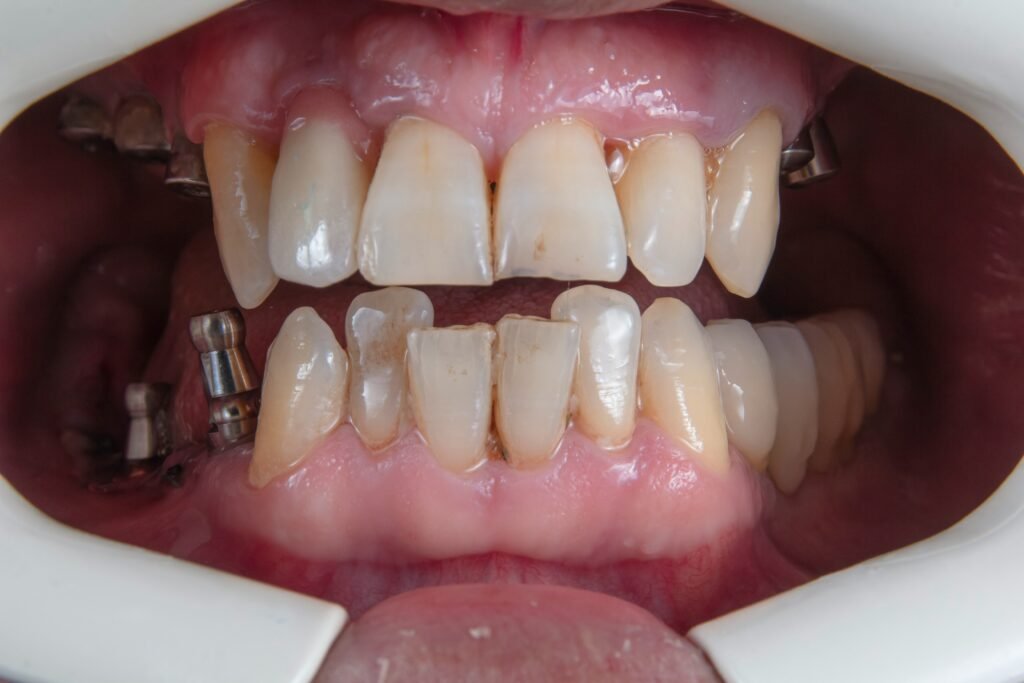
- Skeletal Anchorage Devices: In more complex cases, small screws or plates (mini-implants, temporary anchorage devices – TADs) can be surgically placed directly into the bone. These devices provide a very stable point from which to apply forces, allowing for more precise and ambitious tooth movements without affecting other teeth.
In conclusion, the seemingly simple act of straightening teeth is actually an incredible display of biological engineering. It’s a testament to our body’s ability to adapt and remodel in response to carefully controlled mechanical stimuli. Understanding this science helps build appreciation for the precision, patience, and biological knowledge that modern orthodontics requires, ensuring teeth are moved safely and effectively into their optimal positions.
FAQs
What is tooth movement and how does it occur?
Tooth movement refers to the process of shifting teeth within the jawbone to achieve proper alignment. This is typically achieved through the application of orthodontic forces, which exert pressure on the teeth to gradually move them into the desired position.
What are orthodontic forces and how do they work?
Orthodontic forces are the mechanical pressures applied to the teeth and surrounding bone to initiate tooth movement. These forces can be generated using various orthodontic appliances such as braces, aligners, or other specialized devices. The forces create a biological response in the surrounding bone, leading to bone remodeling and tooth repositioning.
Is tooth movement a safe process?
When performed by a qualified orthodontic professional, tooth movement is a safe and effective process. The application of orthodontic forces is carefully planned to ensure that the teeth and surrounding structures are not damaged during the movement process. Regular monitoring and adjustments by the orthodontist help to ensure the safety and success of the treatment.
How long does it take for orthodontic forces to shift teeth?
The duration of orthodontic treatment varies depending on the complexity of the case and the specific treatment plan. In general, it can take several months to a few years for orthodontic forces to effectively shift teeth into their desired positions. The orthodontist will provide a personalized timeline based on the individual’s orthodontic needs.
What are the potential risks or complications associated with tooth movement?
While tooth movement is generally safe, there are potential risks and complications that may arise, such as root resorption, tooth decay, or gum disease. These risks can be minimized through proper oral hygiene, regular dental check-ups, and following the orthodontist’s instructions for care during treatment. It’s important for patients to communicate any concerns with their orthodontist to ensure a successful and safe treatment process.