The quick answer is: potentially, but it’s not a night-and-day difference and depends a lot on the individual case. While self-ligating braces can sometimes reduce overall treatment time compared to traditional braces, it’s not a guaranteed speed miracle. The differences often lie in the mechanics, comfort, and sometimes visit frequency rather than a dramatically shortened timeline for everyone.
Before we dive into the self-ligating vs. traditional debate, let’s briefly touch on the fundamental principle behind all braces: applying consistent, controlled pressure to move teeth into their desired positions. This isn’t a quick process; it involves remodeling bone around the teeth, which takes time.
The Role of Archwires
The archwire is the active component that does most of the heavy lifting. It’s a thin, flexible wire threaded through brackets that are bonded to your teeth. This wire exerts the force needed to guide your teeth into alignment.
The Brackets and Their Function
Brackets are the small attachment points glued to each tooth. They are essentially handles that hold the archwire in place and transmit its corrective forces to the teeth. The design of these brackets is where the primary difference between traditional and self-ligating braces lies.
Traditional Braces: The Classic Approach
Traditional braces have been around for a long time, and they’ve been incredibly effective at straightening smiles for generations. You’re probably familiar with their look.
How Traditional Braces Secure the Archwire
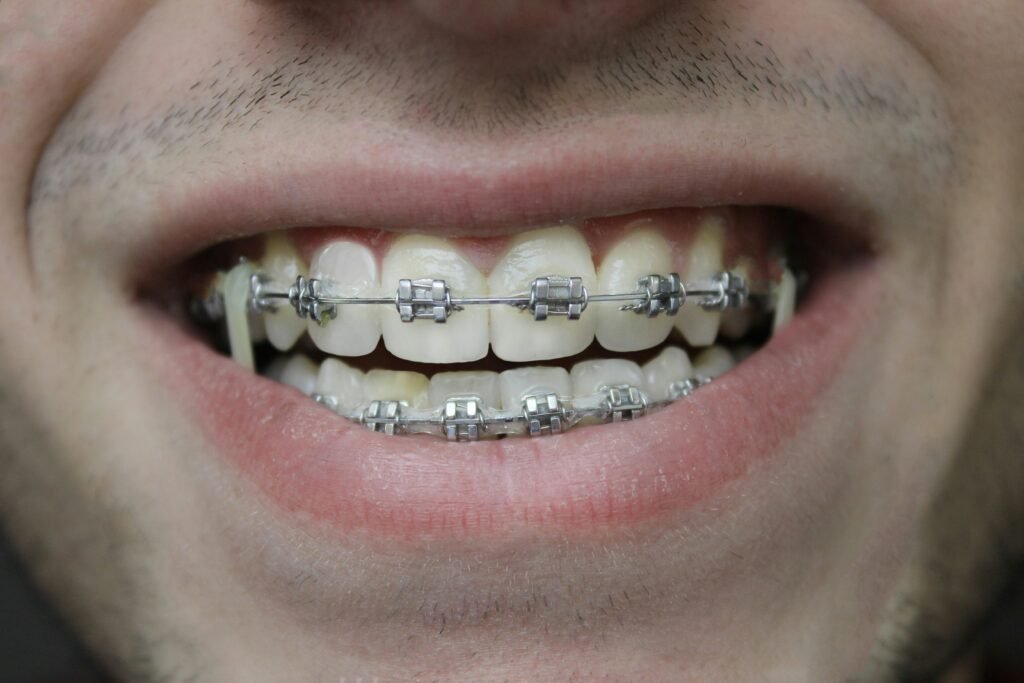
With traditional braces, small elastic bands (ligatures, often called O-rings or power chains) or thin metal wires are used to tie the archwire into each bracket. These ligatures hold the archwire snugly in the bracket’s slot.
The Mechanics of Friction
This method of securing the archwire creates a certain amount of friction. When the wire tries to slide through the bracket as teeth move, the elastic or wire ligature creates resistance. This friction is a key point of comparison when we look at self-ligating braces.
Maintenance and Adjustments
With traditional braces, you’ll typically visit your orthodontist every 4-6 weeks. During these appointments, the orthodontist will usually remove the old ligatures, adjust the archwire (or replace it with a new one), and then apply fresh ligatures. These appointments are crucial for keeping the treatment on track.
Self-Ligating Braces: A Modern Twist

Self-ligating braces offer a different way to hold the archwire, eliminating the need for those small elastic or metal ties.
The Built-in Mechanism
Instead of external ligatures, self-ligating brackets have a built-in mechanism – a tiny, often hinged door or clip – that holds the archwire securely in place. This door can be opened to insert or remove the wire and then closed to secure it.
Reduced Friction Principle
The main selling point of self-ligating braces often revolves around the idea of reduced friction. Because there are no elastic or metal ties pressing the wire against the bracket, the archwire is thought to slide more freely within the bracket’s slot. This reduced friction is theoretically what allows for faster tooth movement and potentially shorter treatment times.
Types of Self-Ligating Braces
There are two main types of self-ligating systems:
- Passive self-ligating: These brackets use a larger, less constricting clip to hold the archwire. They allow the wire to move very freely, which is thought to reduce friction and allow for gentler forces, particularly in the initial stages of treatment.
- Active self-ligating: These brackets use a smaller, active clip that presses against the archwire. While still eliminating ligatures, this design can exert more precise control over tooth movement, especially later in treatment when more intricate adjustments are needed. The active clip generates some degree of friction, though generally less than traditional ligatures.
Maintenance and Adjustments with Self-Ligating Braces
Similar to traditional braces, you’ll still have regular appointments, though sometimes they can be spaced a little further apart (e.g., every 6-8 weeks). The adjustment process is often quicker as there’s no need to remove and replace numerous small ligatures; the orthodontist simply opens the clip, changes the wire, and closes the clip.
The “Speed Up Treatment” Question: A Closer Look

This is where the rubber meets the road. Do self-ligating braces genuinely cut down treatment time? The scientific evidence is a bit mixed, but here’s the general consensus.
The Friction Debate: Real Impact or Marketing Hype?
Early claims for self-ligating braces often highlighted significantly reduced friction, leading to faster tooth movement. The theory is sound: less resistance means teeth can slide along the archwire more easily. However, studies comparing the actual rate of tooth movement between the two types of braces haven’t consistently shown a dramatic difference.
- Initial Alignment: Some studies suggest that self-ligating braces might offer a slight advantage in the very initial stages of alignment, as teeth can move into position with less resistance. This could potentially shave off a few weeks.
- Later Stages: For more complex movements, like rotating teeth or closing extraction spaces, the difference in friction tends to be less impactful. The biology of bone remodeling simply takes a certain amount of time, regardless of the bracket type.
The Role of Orthodontist Skill
It’s crucial to remember that the skill and experience of your orthodontist play a far more significant role in treatment efficiency and outcome than the type of bracket used. A highly skilled orthodontist can achieve excellent results with either traditional or self-ligating braces. Conversely, an inexperienced practitioner might struggle to achieve optimal results, regardless of the technology.
Biological Limits of Tooth Movement
No matter how advanced the braces, teeth can only move so quickly. If too much force is applied too rapidly, it can damage the tooth roots or the surrounding bone. Our bodies simply need time to adapt and respond to the pressure. This biological limit is a fundamental constraint that self-ligating braces cannot bypass.
What the Research Says (Generally)
Many systematic reviews and meta-analyses (which combine data from numerous studies) have concluded one of two things:
- There is no statistically significant difference in overall treatment time between self-ligating and traditional braces.
- Any observed difference in treatment time is marginal (e.g., a few weeks) and not clinically significant enough to be a primary decision factor for most patients.
This doesn’t mean self-ligating braces are “bad”; they just might not deliver the dramatic speed increase that some marketing materials suggest.
Other Considerations Beyond Treatment Time
| Study | Duration of Treatment | Conclusion |
|---|---|---|
| Research Study 1 | Self-Ligating: 18 months Traditional: 24 months | Self-ligating braces showed faster treatment time |
| Research Study 2 | Self-Ligating: 20 months Traditional: 26 months | No significant difference in treatment time |
| Research Study 3 | Self-Ligating: 22 months Traditional: 23 months | Minimal difference in treatment time |
While treatment speed is a common question, there are several other factors that might sway your decision between traditional and self-ligating braces.
Comfort Levels
This is often cited as a benefit of self-ligating braces.
- Less Friction, Less Discomfort? The reduced friction theory is sometimes linked to less overall pressure and therefore less initial soreness after adjustments. Some patients do report this, but pain perception is highly individual.
- No Elastic Ligatures: The absence of elastic ties can mean less irritation from ligatures rubbing against the soft tissues of the mouth. Also, elastics can sometimes stain, which isn’t an issue with self-ligating brackets.
Hygiene and Cleaning
An area where self-ligating braces often have an advantage.
- Fewer Nooks and Crannies: Without elastic ligatures, there are fewer tiny spaces and surfaces for food particles to get trapped and for plaque to accumulate. This can make brushing and flossing slightly easier.
- Reduced Staining: Elastic ligatures tend to stain over time, especially with dark-colored foods and drinks (coffee, tea, curry, red wine). Since self-ligating braces don’t use these ligatures, staining on the brackets themselves is less of an issue, keeping your braces looking cleaner.
Number of Orthodontist Visits
This can be a practical benefit for many.
- Potentially Fewer Appointments: Because the archwire can theoretically slide more freely and sometimes requires less frequent fine-tuning, some orthodontists might schedule slightly longer intervals between appointments for self-ligating braces (e.g., 6-8 weeks instead of 4-6 weeks). This isn’t a universal given, and depends on your specific case and your orthodontist’s protocols.
- Quicker Adjustment Appointments: As mentioned earlier, adjusting self-ligating braces can be faster because the orthodontist doesn’t have to remove and replace ligatures. This can make an appointment feel less intrusive.
Aesthetics
Purely about how they look.
- Smaller and Less Obtrusive: Self-ligating brackets are often designed to be a bit smaller and lower profile than traditional brackets with ligatures, which some find more aesthetically pleasing.
- No Color Options (Typically): With traditional braces, you can choose colored elastic ligatures, which can be fun, especially for younger patients. Self-ligating braces don’t offer this customization as they don’t use external ligatures. If you’re looking for discretion, ceramic (clear) self-ligating options are available, similar to ceramic traditional braces.
Cost
The bottom line for many families.
- Generally Higher Upfront Cost: Self-ligating braces often come with a slightly higher price tag than traditional metal braces. This difference can vary widely depending on your location, the orthodontist, and the specific brand of self-ligating system.
- Consider Overall Value: While the initial cost might be higher, consider the potential benefits like fewer visits or perceived comfort when weighing the value. However, if treatment time is your only driving factor, the cost difference might not be justifiable based on current evidence.
Making Your Decision: What to Discuss with Your Orthodontist
Choosing between these two types of braces isn’t a decision you should make alone. Your orthodontist is your best resource.
Your Specific Case and Needs
Every mouth is unique. What works best for one person might not be ideal for another. Your orthodontist will consider:
- Complexity of your alignment issues: Mild cases might benefit differently than severe malocclusions.
- Your bite problems: Specific bite corrections might be better addressed by one system over another.
- Your lifestyle: Frequent travel might make fewer appointments more appealing, for instance.
Asking the Right Questions
When you have your consultation, don’t hesitate to ask:
- “Based on my bite and alignment, do you see a significant advantage in treatment time with self-ligating braces?”
- “What are the typical treatment durations you see for cases like mine with both traditional and self-ligating systems?”
- “Are there any specific benefits for my case that self-ligating braces offer beyond just speed?”
- “What’s the cost difference, and what does that cover?”
- “Which system do you generally prefer for cases similar to mine, and why?”
Prioritizing Your Goals
Think about what’s most important to you:
- Treatment time: If shaving off a few weeks is paramount, discuss the realistic potential with your orthodontist.
- Comfort: If you’re concerned about discomfort or mouth sores, self-ligating might be a consideration.
- Hygiene: If you foresee challenges with keeping your braces clean, self-ligating could offer a slight advantage.
- Aesthetics: If the look of the braces throughout treatment is a major concern, discuss clear options for both types.
- Cost: If budget is a primary driver, traditional braces are often the more affordable entry point.
Ultimately, while self-ligating braces bring some appealing features like potentially better hygiene and fewer/quicker appointments, the scientific evidence for drastically faster treatment times isn’t overwhelmingly strong. The difference, if any, is usually marginal. Your orthodontist’s expertise, coupled with your specific needs and priorities, should guide your choice. Both systems are highly effective at achieving beautiful, healthy smiles.
FAQs
What are self-ligating braces?
Self-ligating braces are a type of orthodontic treatment that uses brackets with a built-in mechanism to hold the archwire in place, eliminating the need for elastic or metal ties.
What are traditional braces?
Traditional braces use brackets that are attached to the teeth and are connected by wires and elastic bands to apply pressure and move the teeth into the desired position.
Do self-ligating braces speed up treatment?
While self-ligating braces may offer some advantages such as less friction and easier maintenance, there is limited evidence to suggest that they significantly speed up treatment compared to traditional braces.
Do traditional braces speed up treatment?
Traditional braces are effective in gradually moving the teeth into the desired position over time, but they may require more frequent adjustments and maintenance compared to self-ligating braces.
What factors contribute to the speed of orthodontic treatment?
The speed of orthodontic treatment can be influenced by various factors including the severity of the orthodontic issue, the patient’s age, compliance with treatment, and the expertise of the orthodontist.