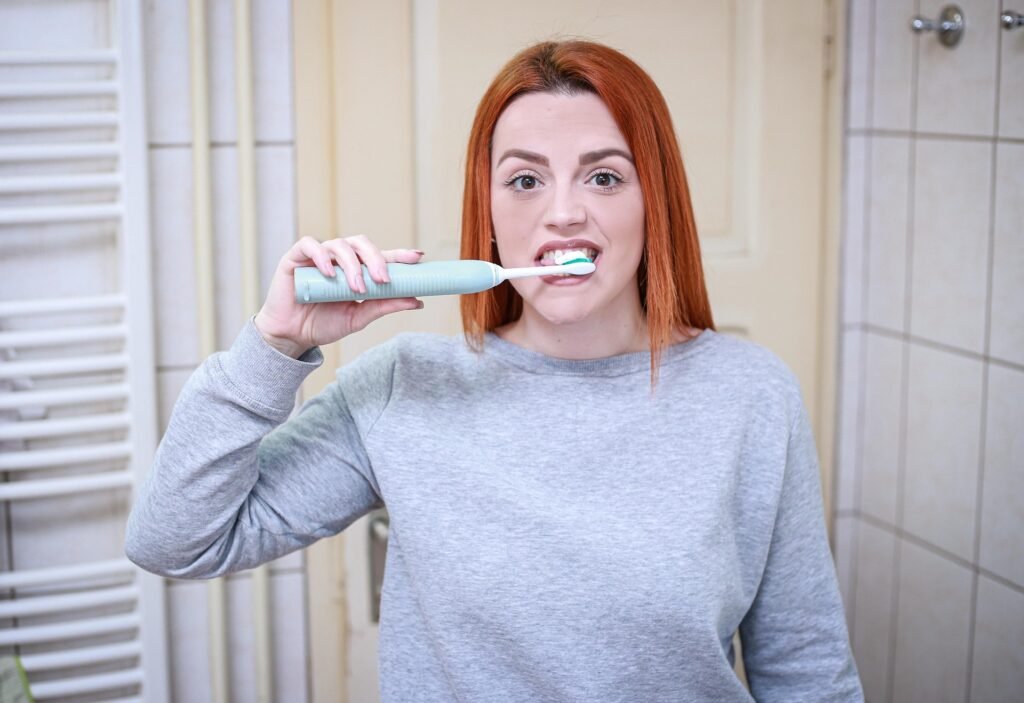
Many people dream of a perfectly straight smile, but the thought of spending years in braces can be daunting. Traditional orthodontic treatment, while effective, often takes 18 to 24 months, sometimes even longer. That’s where accelerated orthodontics comes in. It’s a collection of techniques and technologies that, when used alongside traditional braces or clear aligners, can significantly reduce treatment time. Essentially, it’s about making your teeth move faster and more efficiently, getting you to that dream smile in a fraction of the time.
Before we dive into the “how,” let’s briefly touch on why teeth move slowly in the first place. When orthodontic forces are applied, whether from braces or aligners, they create pressure on the surrounding bone. This pressure triggers a biological process where cells called osteoclasts resorb (break down) bone on one side of the tooth, and osteoblasts build new bone on the other side. This constant remodeling allows the tooth to gradually shift. The speed of this process is naturally limited by our biology. Accelerated orthodontics aims to influence or enhance this natural process.
How Does Accelerated Orthodontics Work? Boosting Biology
Accelerated orthodontics isn’t about magically making teeth jump from one spot to another. Instead, it works by influencing the cellular activity in the bone surrounding the teeth. By stimulating this bone remodeling process, teeth can move more quickly and sometimes even with less discomfort. There are a few key ways this is achieved:
Enhancing Bone Remodeling
The primary mechanism behind most accelerated orthodontic techniques is to either directly stimulate the bone or create conditions that make bone remodeling more efficient. Think of it as giving your body a little nudge to work faster.
- Micro-osteoperforations (MOPs): This technique involves creating tiny, shallow perforations in the bone around the teeth that need to move. These micro-injuries trigger a localized inflammatory response, which in turn increases cellular activity and bone turnover in that specific area. More cellular activity means faster bone remodeling and thus, faster tooth movement. The procedure is minimally invasive and performed with a local anesthetic.
- Pulsed Electromagnetic Fields (PEMF): While less common in general orthodontic practice, research has explored the use of PEMF to stimulate bone healing and regeneration. The idea is that these electromagnetic fields could influence cellular activity related to bone remodeling, potentially accelerating tooth movement. More studies are still needed to fully establish its efficacy and widespread application in orthodontics.
Increasing Cellular Activity Through Vibration
Another approach focuses on using gentle, targeted vibrations to stimulate the bone and supporting structures. This isn’t about shaking your teeth out; it’s about providing a low-level stimulus that encourages biological activity.
- Vibrational Devices: These are small, handheld devices that patients use at home for a short period each day, typically under 20 minutes. They deliver gentle, high-frequency vibrations to the teeth through the appliance (braces or aligners). The exact mechanism is still being fully understood, but it’s believed that these vibrations increase blood flow to the gums and surrounding bone, which can promote cellular activity and reduce inflammation. Some studies also suggest they may help improve aligner seating, making the aligners more effective.
Utilizing Light to Accelerate Movement
Photobiomodulation, or low-level light therapy, is another rapidly developing area in accelerated orthodontics. This technique uses specific wavelengths of light to stimulate cellular activity.
- Photobiomodulation Therapy (PBM): Devices for PBM deliver specific wavelengths of near-infrared light to the tissues surrounding the teeth. This light energy is absorbed by the cells, particularly the mitochondria, which are the “powerhouses” of cells. This absorption can lead to increased ATP (cellular energy) production, enhanced blood circulation, and a reduction in inflammation. The net effect is a potentially faster and more comfortable tooth movement. Patients typically use these devices at home for a few minutes each day.
Popular High-Tech Acceleration Options in Detail

Now let’s delve into some of the most widely recognized and utilized accelerated orthodontic options you might encounter. Each has its own benefits and considerations.
AcceleDent Aura
AcceleDent Aura is one of the most well-known vibrational devices. It’s a hands-free device that patients use for just 20 minutes a day.
- How it works: The device uses SoftPulse Technology®, which delivers gentle micropulses through a comfortable mouthpiece. These micropulses are designed to accelerate bone remodeling by gently stimulating the bone and surrounding tissues.
- Benefits: Patients often report reduced discomfort during treatment, and some studies suggest it can reduce treatment time by up to 50% when used consistently. It’s easy to integrate into a daily routine.
- Ideal for: Both braces and clear aligner wearers looking for a non-invasive way to speed up their treatment and potentially alleviate some soreness.
Propel Orthodontics (VPro5, Excellerator)
Propel offers a range of devices, with the VPro5 being a popular vibrational choice and Excellerator representing their MOPs technology.
- VPro5 (Vibrational Device): Similar to AcceleDent, the VPro5 is a high-frequency vibrational device. Patients use it for 5 minutes a day. The vibrations are designed to help seat aligners better, improve blood flow, and stimulate bone remodeling.
- Excellerator (MOPs Device): This is the tool used by the orthodontist to create micro-osteoperforations. These targeted perforations stimulate a localized inflammatory response, which significantly increases the rate of bone remodeling around the teeth that need to move.
- Benefits: VPro5 offers convenience with its short daily use and can help with aligner tracking and discomfort. Excellerator, being a more direct biological stimulus, can lead to substantial reductions in treatment time, often allowing for aligner changes every 5 days instead of 7 or 10.
- Ideal for: VPro5 is great for general acceleration and comfort. Excellerator is for patients looking for a more aggressive approach to significantly shorten treatment, and who are comfortable with a minor in-office procedure.
OrthoPulse
OrthoPulse is a device that utilizes near-infrared light technology (photobiomodulation).
- How it works: Patients hold the mouthpiece in their mouth for 10 minutes a day (5 minutes for the upper arch, 5 minutes for the lower arch). The device emits low-level near-infrared light that penetrates the tissue and stimulates cellular activity, enhancing bone remodeling.
- Benefits: Reduces treatment time, often allowing for aligner changes every 3-5 days. It’s hands-free during use and completely non-invasive. Some users also report reduced discomfort.
- Ideal for: Patients using clear aligners who want a convenient, non-invasive method to speed up their treatment.
Customized Surgical Options (e.g., Wilckodontics/PAOO)
While most accelerated options are non-surgical, there are more impactful surgical procedures that can dramatically reduce treatment time. These are typically reserved for more complex cases or patients seeking the absolute fastest route.
- Periodontally Accelerated Osteogenic Orthodontics (PAOO) / Wilckodontics: This is a more involved surgical procedure performed by a periodontist or oral surgeon. It involves making controlled cuts or grooves in the bone surrounding the teeth, similar to regional acceleratory phenomenon (RAP). The bone is also often augmented with bone grafts. This extensive stimulation of bone remodeling significantly increases the rate of tooth movement, sometimes reducing treatment times by two-thirds or more.
- Benefits: Extremely fast tooth movement, often allowing for completion in 6-12 months even for complex cases. Can also help with certain types of bone deficiencies.
- Considerations: This is a surgical procedure with a recovery period, involving local anesthesia, swelling, and potential discomfort. It’s more expensive and generally reserved for specific cases where the benefits outweigh the invasiveness.
- Ideal for: Patients with complex orthodontic needs, those with certain bone deficiencies, or anyone requiring the quickest possible completion of treatment and willing to undergo a surgical procedure.
The Role of Compliance and Orthodontist’s Expertise

It’s crucial to understand that even the most advanced accelerated orthodontic techniques are only as effective as your commitment to them and your orthodontist’s skill in integrating them into your treatment plan.
Your Role: Compliance is Key
For home-use devices like AcceleDent, VPro5, or OrthoPulse, consistent daily use is non-negotiable. Skipping days or not using them for the recommended time will diminish their effectiveness and could prolong your treatment, defeating the purpose of using acceleration in the first place. Think of it like taking medication; if you don’t follow the dosage, it won’t work as intended.
Your Orthodontist’s Role: Strategic Integration
An experienced orthodontist plays a vital role in determining if accelerated orthodontics is right for you, which method is most suitable for your specific needs, and how to best incorporate it into your overall treatment plan.
- Proper Diagnosis: Not every case benefits equally from every acceleration technique. Your orthodontist will assess your tooth movement goals, bone density, and overall oral health to recommend the most appropriate option.
- Treatment Planning: Accelerators aren’t a standalone solution; they work in conjunction with braces or aligners. Your orthodontist will adjust your treatment plan – for example, recommending more frequent aligner changes – to capitalize on the accelerated tooth movement.
- Monitoring Progress: Regular check-ups are still essential to monitor tooth movement, ensure proper tracking, and make any necessary adjustments to your treatment.
Common Questions About Accelerated Orthodontics
| Technique | Speed of Treatment | Effectiveness |
|---|---|---|
| AcceleDent | Up to 50% faster | Effective for mild to moderate cases |
| Propel | 3-4 months faster | Effective for all types of cases |
| Wilckodontics | 3 times faster | Effective for complex cases |
Patients often have several questions when considering these high-tech options. Let’s address some of the most common ones.
Is Accelerated Orthodontics Safe?
Yes, when performed by a qualified orthodontist, accelerated orthodontics techniques are generally considered safe. Non-invasive methods like vibrational devices and photobiomodulation have extensive safety records. Procedures like micro-osteoperforations are minimally invasive and carry low risks, similar to other minor dental procedures. Surgical options like PAOO are more invasive and carry the inherent risks associated with any surgery, but are safe when performed by experienced oral surgeons or periodontists. Your orthodontist will discuss any potential risks specific to the chosen method.
Does it Hurt More?
Surprisingly, many patients report less discomfort with accelerated orthodontics, particularly with vibrational and light-based therapies. While the goal is faster movement, these methods often seem to reduce the initial soreness experienced after aligner changes or brace adjustments. MOPs might come with some mild, temporary discomfort from the procedure itself, but this usually subsides quickly.
Is it More Expensive?
Yes, accelerated orthodontic options typically add to the overall cost of treatment. The exact cost varies depending on the specific method used, the duration of use, and your geographic location. It’s an investment in a shorter treatment time and potentially greater comfort. Your orthodontist will provide a clear breakdown of all costs upfront.
Can Anyone Use Accelerated Orthodontics?
Most people are candidates for some form of accelerated orthodontics. However, specific medical conditions, certain medications, or severe periodontal disease might preclude some individuals from certain options. Your orthodontist will conduct a thorough examination and review your medical history to determine if these options are suitable for you.
Does it Affect the Stability of the Results?
There’s no evidence to suggest that accelerated orthodontics negatively impacts the long-term stability of your treatment results. The fundamental biological processes of bone remodeling still occur, just at an enhanced pace. As with traditional orthodontics, meticulous use of retainers after treatment is crucial to maintain your new smile for life.
Making an Informed Decision
Deciding whether accelerated orthodontics is right for you boils down to a conversation with your orthodontist and a personal evaluation of your priorities.
What are Your Priorities?
Do you prioritize speed above all else? Are you willing to invest a bit more for a shorter treatment duration? Is comfort a major concern? Understanding what matters most to you will help guide your decision.
Consult Your Orthodontist
The most important step is to have an open and honest discussion with your orthodontist. They can:
- Assess your individual case and determine if you are a good candidate.
- Explain the pros and cons of each accelerated option relevant to you.
- Discuss the potential reduction in treatment time.
- Provide a clear cost estimate.
- Address any concerns or questions you may have.
Remember, accelerated orthodontics is a powerful tool in the hands of an experienced professional. It’s not a magic bullet, but a scientifically backed approach to making your orthodontic journey more efficient and often more comfortable, helping you achieve your dream smile sooner.
FAQs
What is accelerated orthodontics?
Accelerated orthodontics is a type of treatment that aims to speed up the process of straightening teeth and correcting bite issues. This can be achieved through various high-tech options and techniques.
How does accelerated orthodontics work?
Accelerated orthodontics works by stimulating the bone remodeling process, which allows teeth to move more quickly into their desired positions. This can be done using methods such as high-frequency vibration, micro-osteoperforations, and certain types of braces.
What are the high-tech options for accelerated orthodontics?
High-tech options for accelerated orthodontics include devices such as AcceleDent, Propel, and certain types of clear aligners. These devices use advanced technology to apply targeted forces to the teeth and surrounding bone, helping to expedite the orthodontic treatment process.
Who is a good candidate for accelerated orthodontics?
Good candidates for accelerated orthodontics are typically individuals who are looking to shorten the duration of their orthodontic treatment. However, not everyone is a suitable candidate, and it’s important to consult with an orthodontist to determine if accelerated orthodontics is the right option for you.
Are there any risks or drawbacks to accelerated orthodontics?
While accelerated orthodontics can offer faster results, there are potential risks and drawbacks to consider. These may include increased discomfort during treatment, potential damage to the roots of the teeth, and a higher risk of relapse if proper retention measures are not followed. It’s important to discuss these factors with an orthodontist before pursuing accelerated orthodontic treatment.