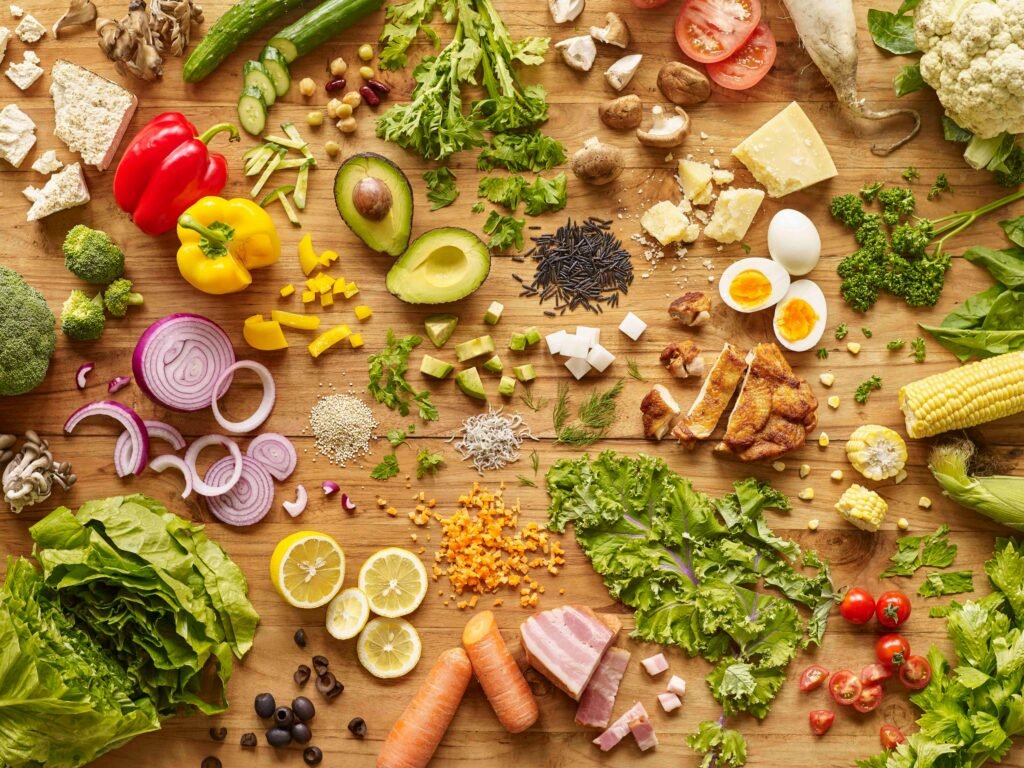
Feeling that uncomfortable, tight sensation in your belly after a meal? You’re definitely not alone. Bloating is a common complaint, and thankfully, there are plenty of foods that can actually help ease that feeling rather than worsen it. The key is focusing on foods that are easy for your digestive system to break down and absorb, and that can support a healthy gut environment.
Understanding the Bloat: Why It Happens
Before we dive into what to eat, it’s helpful to briefly touch on why we feel bloated. It’s often a result of gas buildup in the digestive tract. This gas can be produced when bacteria in your gut ferment undigested food, or it can be swallowed air from eating too quickly, chewing gum, or drinking carbonated beverages. Sometimes, it’s related to specific food intolerances or digestive issues that make certain foods harder to process.
Fiber-Rich Foods That Don’t Fray Your Gut
Fiber is crucial for a healthy digestive system, promoting regularity and feeding beneficial gut bacteria. However, some high-fiber foods can be gas-producing culprits if you’re not used to them or if they’re the wrong type for your individual needs. The trick is to choose soluble fiber, which dissolves in water and forms a gel-like substance, making it gentler on the gut.
Soaked Oats: A Gentle Start to the Day
Oats are a fantastic source of soluble fiber, but for maximum gut comfort, soaking them overnight can make a world of difference.
The Overnight Soak Advantage
Soaking oats overnight, especially in water or a plant-based milk, begins the breakdown process. This pre-digestion makes the starches and fibers easier for your body to handle, reducing the potential for gas and bloating.
Probiotic Boost with Yogurt or Kefir
Adding plain, unsweetened yogurt or kefir to your soaked oats can introduce beneficial probiotics, further supporting your gut health and digestion.
Cooked Root Vegetables: Soft and Easy
While raw vegetables can sometimes be tough on the stomach, cooked root vegetables become soft and much easier to digest.
Carrots: Sweet and Soothing
Cooked carrots are wonderfully soft and contain beneficial compounds that can soothe the digestive tract. They are also a good source of beta-carotene.
Sweet Potatoes: Nutrient-Dense and Gentle
Sweet potatoes are packed with vitamins and minerals, and when cooked until tender, they are very easy to digest. Their natural sweetness also makes them a pleasing option.
Butternut Squash: Mild and Versatile
Butternut squash, when roasted or steamed until soft, offers a mild flavor and a smooth texture that’s gentle on the stomach.
Lean Proteins: Building Blocks Without the Burden
Protein is essential for many bodily functions, but certain types can be harder to digest, leading to discomfort. Opting for lean, easily digestible protein sources can help.
Fish: Omega-3s and Easy Digestion
Fatty fish like salmon and mackerel are not only rich in anti-inflammatory omega-3 fatty acids but are also generally easy for most people to digest.
Salmon: A Gut-Friendly Choice
The tender texture of cooked salmon makes it a good choice for those experiencing bloating. Its nutrient profile also supports overall health.
Cod: Lean and Mild
White fish like cod are very lean and have a mild flavor, making them a gentle protein option that’s unlikely to cause digestive upset.
Poultry: Skinless and Boneless is Best
Chicken and turkey, particularly when the skin is removed, are lean protein sources that are typically well-tolerated.
Chicken Breast: A Staple for Sensitive Stomachs
Skinless chicken breast is a lean and versatile protein that’s a go-to for many when their digestive system needs a break.
Turkey Breast: Another Gentle Option
Similar to chicken breast, turkey breast is lean and easy to digest, providing essential protein without a heavy load on the gut.
Fermented Foods: The Probiotic Powerhouses
Fermented foods are champions of gut health. The fermentation process breaks down sugars and pre-digests the food, making it easier for your body to absorb and introducing beneficial probiotics.
Sauerkraut: A Tangy Gut-Friendly Treat
When choosing sauerkraut, opt for raw, unpasteurized varieties found in the refrigerated section of your grocery store. Pasteurization kills the beneficial bacteria.
Look for ‘Live Cultures’
The label should indicate ‘live and active cultures’ or ‘raw’. This ensures you’re getting the probiotic benefits.
Start Small and Gradual
If you’re new to sauerkraut, begin with a small spoonful and gradually increase your intake to allow your gut to adjust.
Kimchi: Spicy Goodness for Your Gut
Kimchi, a Korean staple, is fermented vegetables, most commonly napa cabbage and radishes. Like sauerkraut, choose raw, unpasteurized versions.
Probiotic Rich and Flavorful
Kimchi offers a unique flavor profile and a potent dose of probiotics that can aid digestion and support gut flora.
Moderation is Key for Spiciness
While beneficial, the spiciness of kimchi might be a trigger for some. Listen to your body and adjust your portion size accordingly.
Kefir: The Drinkable Probiotic
Kefir is a fermented milk drink, similar to yogurt but often with a wider range of beneficial bacteria and yeasts.
Plain and Unsweetened Varieties
Always opt for plain, unsweetened kefir to avoid added sugars, which can sometimes feed unwanted gut bacteria.
A Great Smoothie Ingredient
Kefir can be easily incorporated into smoothies, making it a convenient way to boost your probiotic intake.
Low-FODMAP Fruits and Veggies: Reducing Fermentable Sugars
For some individuals, certain types of carbohydrates, known as FODMAPs (Fermentable Oligosaccharides, Disaccharides, Monosaccharides, and Polyols), can be difficult to digest, leading to gas and bloating. While a full low-FODMAP diet is complex and usually guided by a professional, focusing on generally well-tolerated fruits and vegetables can be a good starting point.
Lower-FODMAP Fruits
Many fruits are low in FODMAPs and are well-digested.
Bananas (Slightly Ripe): Easily Digestible
While very ripe bananas can be higher in certain sugars, slightly ripe bananas are a good source of potassium and are generally easy on the stomach.
Blueberries: Antioxidant Powerhouse
Blueberries are low in FODMAPs and packed with antioxidants, making them a gut-friendly and healthy choice.
Cantaloupe: Hydrating and Gentle
Cantaloupe is hydrating and contains natural sugars that are usually well-tolerated.
Strawberries: Sweet and Simple
Strawberries are another low-FODMAP fruit that offers sweetness without causing significant digestive distress for most.
Lower-FODMAP Vegetables
Some vegetables are naturally easier for the body to process.
Zucchini: Mild and Versatile
Zucchini, especially when cooked, is very mild and breaks down easily, making it a great choice for sensitive stomachs.
Spinach: Nutrient-Rich and Gentle
Cooked spinach is a powerhouse of nutrients and is generally well-digested.
Bell Peppers (Red): Lower in Certain Compounds
Red bell peppers tend to be lower in certain fermentable compounds compared to green ones, making them a better option for some.
Carrots (Already Mentioned): A Consistent Winner
Carrots, as mentioned earlier, are a reliable choice for gut comfort.
Hydration and Gentle Cooking Methods
How you prepare your food and how much you drink also plays a significant role in your digestive comfort.
The Power of Water
Staying adequately hydrated is fundamental for smooth digestion. Water helps move food through your digestive tract and prevents constipation, which can contribute to bloating.
Sip Throughout the Day
Instead of chugging large amounts at once, try sipping water consistently throughout the day.
Warm Water Can Be Soothing
Some people find that warm water can be particularly soothing for their digestive system.
Steaming and Baking: Gentle on the Gut
Harsh cooking methods like deep-frying can make foods harder to digest. Gentler methods are your friends.
Steaming: Preserves Nutrients and Softens Food
Steaming vegetables and fish helps retain their nutrients while making them tender and easy to break down.
Baking: A Simple and Effective Method
Baking meats and vegetables until they are soft and cooked through is another excellent way to prepare meals that are kind to your gut.
Foods to Approach with Caution
While the above foods are generally beneficial, it’s also worth knowing which foods might be common triggers for bloating. This isn’t an exhaustive list, and individual tolerance varies greatly.
Cruciferous Vegetables (in large raw portions)
While incredibly healthy, vegetables like broccoli, cauliflower, cabbage, and Brussels sprouts can produce more gas due to their high sulfur content and complex carbohydrates. Cooking them thoroughly and consuming them in moderation can help.
Legumes (beans and lentils)
These are fiber-rich powerhouses, but they also contain oligosaccharides that can be tough to digest for some. Soaking, sprouting, and thorough cooking can improve their digestibility.
Carbonated Drinks
The bubbles in fizzy drinks introduce excess air into your digestive system, which can quickly lead to bloating.
Artificial Sweeteners
Some artificial sweeteners, particularly sugar alcohols like sorbitol and xylitol, can have a laxative effect and cause gas and bloating in sensitive individuals.
Chewing Gum
Similar to carbonated drinks, chewing gum can lead to swallowing excess air.
Listening to Your Body: The Ultimate Guide
Ultimately, the most effective way to beat the bloat naturally is to pay attention to your own body. Keep a food diary for a week or two, noting what you eat, when you eat it, and any digestive symptoms you experience. This personalized approach will reveal your unique triggers and the foods that bring you the most comfort. By incorporating these digestible foods and understanding your own digestive landscape, you can significantly improve your gut comfort and enjoy your meals without the dreaded bloat.
FAQs
What are some common causes of bloating?
Some common causes of bloating include eating gas-producing foods, swallowing air while eating or drinking, constipation, and certain medical conditions such as irritable bowel syndrome (IBS) or lactose intolerance.
What are some of the best digestible foods for gut comfort?
Some of the best digestible foods for gut comfort include yogurt, kefir, bananas, ginger, papaya, and cooked vegetables such as carrots, spinach, and zucchini.
How can I naturally beat the bloat?
You can naturally beat the bloat by incorporating more probiotic-rich foods into your diet, staying hydrated, avoiding carbonated drinks, chewing your food thoroughly, and managing stress through relaxation techniques such as yoga or meditation.
What are some foods to avoid if I experience frequent bloating?
Foods to avoid if you experience frequent bloating include beans, lentils, broccoli, cabbage, onions, carbonated drinks, and artificial sweeteners.
When should I seek medical advice for bloating?
You should seek medical advice for bloating if it is persistent and severe, accompanied by other symptoms such as weight loss, blood in the stool, or severe abdominal pain. This could indicate an underlying medical condition that requires attention.