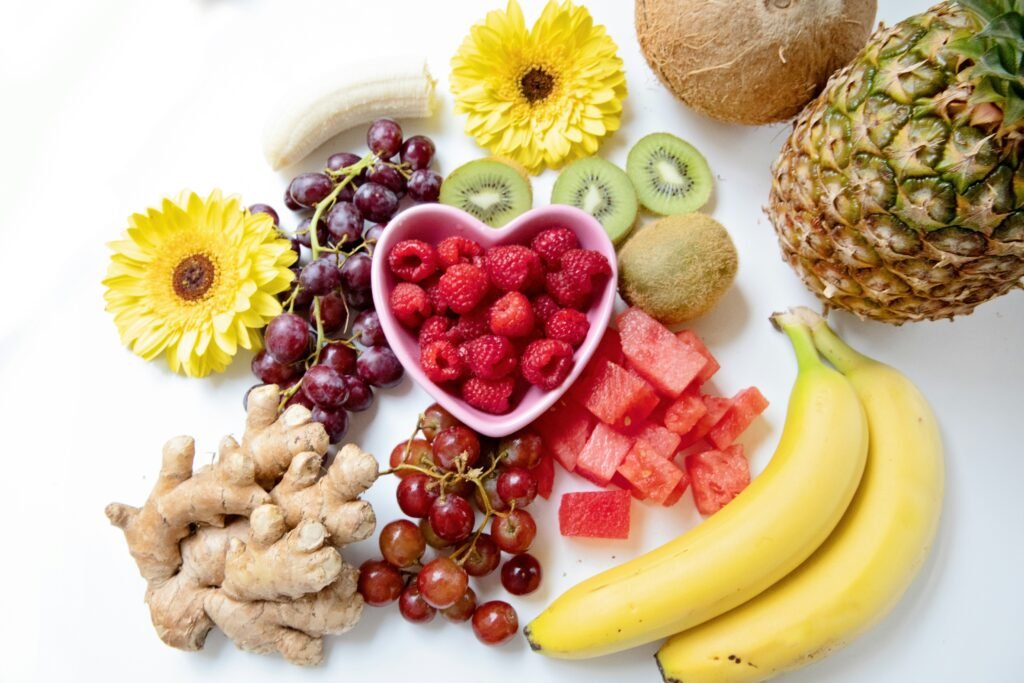
Looking to give your heart a little extra love through your diet? You’re in the right place. While there’s no single “magic” food, incorporating certain items into your regular meals can significantly contribute to cardiovascular health. Think of it as a cumulative effect – small, consistent choices add up. This article will lay out ten heart-healthy foods you should seriously consider adding to your weekly plate, explaining why they’re beneficial and offering some practical ways to get them in.
Understanding Heart Health Through Food
Before we dive into the list, let’s briefly touch on what we mean by “heart-healthy” foods. Generally, we’re talking about foods that help manage cholesterol levels (especially reducing “bad” LDL cholesterol), control blood pressure, reduce inflammation, and provide essential nutrients that support the overall function of your cardiovascular system. These foods are often rich in fiber, healthy fats, antioxidants, and specific vitamins and minerals.
The Role of Diet in Preventing Heart Disease
It’s a well-established fact that diet plays a critical role in preventing and managing heart disease. While genetics, lifestyle, and other factors are certainly in play, what you eat day-to-day has a profound impact. A diet rich in whole, unprocessed foods and low in saturated and trans fats, added sugars, and excessive sodium can make a significant difference in your long-term heart health.
Beyond Just “Good” or “Bad” Foods
It’s not about labeling foods as simply “good” or “bad.” Instead, it’s about balance and emphasis. The foods we’re discussing here aren’t miracle cures, but rather excellent components of a broader, heart-supportive eating pattern. Think of them as allies in your pursuit of a healthier heart.
The Power of Omega-3s and Lean Protein
When it comes to heart health, healthy fats and quality protein are non-negotiable. Omega-3 fatty acids, in particular, are superstars for their anti-inflammatory properties and their ability to help lower triglycerides.
1. Fatty Fish (Salmon, Mackerel, Sardines)
These cold-water fish are powerhouse sources of omega-3 fatty acids, specifically EPA and DHA. These fats are known to reduce inflammation, lower triglyceride levels, decrease blood pressure, and improve overall arterial function. Aim for two servings a week.
Why They’re So Good
- Omega-3s: Directly contribute to a healthier heart by supporting various cardiovascular functions.
- Lean Protein: Provides essential amino acids without excess saturated fat, supporting muscle health, including the heart.
- Vitamin D: Many fatty fish also contain vitamin D, which plays a role in blood pressure regulation and inflammation.
Practical Ways to Include Them
- Baked or Grilled Salmon: A classic, easy-to-prepare option. Pair with roasted vegetables.
- Sardines on Toast: Don’t knock it until you’ve tried it! Mash sardines with a little lemon juice and pepper on whole-grain toast.
- Mackerel Fillets: Great for grilling or pan-searing with a simple herb rub.
- Fish Tacos: Use grilled or baked fish in whole-wheat tortillas with plenty of fresh salsa.
2. Lean Poultry (Skinless Chicken and Turkey)
While not a direct source of omega-3s, lean poultry offers a great source of protein without the high saturated fat often found in red meats. This helps in managing cholesterol and supports overall health.
Why They’re So Good
- High-Quality Protein: Essential for building and repairing tissues, including muscle.
- Lower Saturated Fat: Compared to many cuts of red meat, making it a heart-friendlier protein choice.
- Versatile: Easy to incorporate into a wide range of meals.
Practical Ways to Include Them
- Chicken Breast Stir-Fry: Quick, easy, and customizable with plenty of vegetables.
- Turkey Chili: A hearty, fiber-rich meal that can be made in a big batch.
- Grilled Chicken Salad: A light yet satisfying lunch or dinner.
- Baked Turkey Meatballs: A healthier alternative to beef meatballs, especially when made with whole grains.
The Wonderful World of Whole Grains
Moving away from refined carbohydrates is a big step towards better heart health. Whole grains retain all parts of the grain kernel – the bran, germ, and endosperm – meaning they’re packed with fiber and essential nutrients.
3. Oats (Old-Fashioned or Steel-Cut)
Oats are a champion for heart health, primarily due to their soluble fiber content, particularly beta-glucan. This fiber forms a gel-like substance in your gut, which helps to bind to cholesterol and prevent its absorption, thus lowering LDL (“bad”) cholesterol.
Why They’re So Good
- Soluble Fiber (Beta-Glucan): Directly helps lower LDL cholesterol.
- Sustained Energy: High fiber content keeps you feeling full and provides a steady release of energy.
- Antioxidants: Contain avenanthramides, unique antioxidants that may reduce inflammation and improve blood vessel health.
Practical Ways to Include Them
- Oatmeal for Breakfast: Cook with water or unsweetened milk, then top with berries and a sprinkle of nuts.
- Overnight Oats: Prepare the night before for a quick morning meal.
- Oat Flour in Baking: Substitute some wheat flour with oat flour in muffins or pancakes.
- Oats as a Thickener: Use a small amount of rolled oats to thicken soups or stews.
4. Brown Rice and Quinoa
These grains offer more than just carbohydrates; they provide a significant amount of fiber, magnesium, and other heart-protective nutrients that refined grains lack.
Why They’re So Good
- Dietary Fiber: Promotes healthy digestion and helps manage blood sugar and cholesterol levels.
- Magnesium: Essential for blood pressure regulation and muscle function, including the heart.
- B Vitamins: Important for energy metabolism and nerve function.
- Quinoa is a Complete Protein: A rarity among plant foods, providing all nine essential amino acids.
Practical Ways to Include Them
- Side Dish: Substitute white rice or pasta with brown rice or quinoa.
- Grain Bowls: Use as a base for hearty grain bowls with roasted vegetables, lean protein, and a light dressing.
- Stuffed Peppers/Tomatoes: Mix cooked brown rice or quinoa with vegetables and lean ground turkey for a flavorful stuffing.
- Salad Component: Add cooked and cooled quinoa to salads for extra texture and nutrition.
The Bounty of Berries and Leafy Greens
Antioxidants are crucial for protecting your cells, including those in your cardiovascular system, from damage caused by free radicals. Berries and leafy greens are packed with these protective compounds.
5. Berries (Blueberries, Strawberries, Raspberries)
These small but mighty fruits are bursting with antioxidants, particularly anthocyanins, which give them their vibrant colors. Anthocyanins have been linked to lower blood pressure, improved blood vessel function, and reduced inflammation.
Why They’re So Good
- Antioxidants (Anthocyanins): Protect against oxidative stress and inflammation, supporting arterial health.
- Fiber: Contributes to satiety and digestive health.
- Vitamin C: An important antioxidant and immune booster.
Practical Ways to Include Them
- Smoothies: Blend with unsweetened yogurt or milk for a quick, nutritious snack.
- Topping for Cereal/Oatmeal: Adds natural sweetness and a nutrient boost.
- Snack on Their Own: A refreshing and healthy snack.
- In Salads: Berries can add a surprising and delicious twist to savory salads.
- Dessert: A naturally sweet and healthy dessert option.
6. Leafy Greens (Spinach, Kale, Swiss Chard)
These vegetables are nutritional powerhouses, loaded with vitamins, minerals, and antioxidants. They are particularly rich in nitrates, which the body converts into nitric oxide, a compound that helps relax and widen blood vessels, promoting healthy blood flow and lower blood pressure.
Why They’re So Good
- Nitrates: Converted to nitric oxide, which helps improve blood vessel function and lower blood pressure.
- Vitamins K, C, E: Essential for blood clotting, immune function, and antioxidant protection.
- Potassium: Helps balance sodium levels and supports healthy blood pressure.
- Fiber: Aids digestion and contributes to feelings of fullness.
Practical Ways to Include Them
- Salads: Make leafy greens the base of your salads, mixing different types for variety.
- Sautéed as a Side: Quickly sauté with garlic and a touch of olive oil.
- Added to Smoothies: A handful of spinach or kale can blend seamlessly into a fruit smoothie without altering the taste significantly.
- In Soups and Stews: Stir in at the end of cooking for added nutrients.
- Eggs: Add chopped spinach or kale to omelets or scrambled eggs.
The Goodness of Legumes and Nuts
These plant-based powerhouses offer a fantastic combination of protein, fiber, and heart-healthy fats, making them excellent choices for cardiovascular health.
7. Legumes (Lentils, Chickpeas, Black Beans)
Legumes are incredibly versatile and nutrient-dense. They’re an excellent source of soluble fiber, which helps lower cholesterol, and resistant starch, which supports gut health. They also provide plant-based protein, which can help reduce your reliance on red meat.
Why They’re So Good
- Soluble Fiber: Crucial for lowering LDL cholesterol and regulating blood sugar.
- Plant-Based Protein: A healthy alternative to animal protein, with less saturated fat.
- Folate: Important for red blood cell formation and may help reduce homocysteine levels, a risk factor for heart disease.
- Potassium and Magnesium: Contribute to blood pressure regulation.
Practical Ways to Include Them
- Soups and Stews: Lentil soup, black bean soup, or adding chickpeas to vegetable stew.
- Salads: Add cooked lentils or chickpeas to a variety of salads.
- Hummus: A delicious dip made from chickpeas, tahini, lemon juice, and olive oil.
- Bean Burgers: A hearty and healthy alternative to traditional burgers.
- Taco/Burrito Filling: Use black beans or pinto beans as a primary filling.
8. Nuts (Almonds, Walnuts, Pecans)
A small handful of nuts each day can have a significant positive impact on your heart. They’re rich in unsaturated fats, fiber, and plant sterols, all of which contribute to lowering cholesterol levels. Walnuts, in particular, are notable for their omega-3 content (ALA).
Why They’re So Good
- Unsaturated Fats: Help lower LDL cholesterol and improve overall blood lipid profiles.
- Fiber: Contributes to satiety and digestive health.
- Plant Sterols: Compounds that can help block the absorption of cholesterol in the gut.
- Omega-3 Fatty Acids (ALA in Walnuts): Anti-inflammatory and heart-protective.
- Vitamin E: An antioxidant that protects cells from damage.
Practical Ways to Include Them
- Snack: A small handful (about a quarter-cup) is a great, satisfying snack.
- Topping for Yogurt/Oatmeal: Adds crunch and nutrients.
- Salad Topping: Instead of croutons, use toasted nuts for added flavor and texture.
- Homemade Trail Mix: Combine with dried fruit (in moderation) and seeds.
- Nut Butter: Choose natural nut butters without added sugars or hydrogenated oils.
The Wonders of Healthy Fats and Spices
Not all fats are created equal, and some are definitely your heart’s best friends. Additionally, certain spices offer powerful anti-inflammatory and antioxidant benefits.
9. Olive Oil (Extra Virgin)
Extra virgin olive oil (EVOO) is a cornerstone of the Mediterranean diet, widely recognized for its heart-protective benefits. It’s rich in monounsaturated fatty acids (MUFAs) and antioxidants, which help reduce inflammation and improve cholesterol levels.
Why It’s So Good
- Monounsaturated Fats: Help lower LDL cholesterol and raise HDL (“good”) cholesterol.
- Antioxidants (Polyphenols): Protect against oxidative stress and inflammation.
- Anti-inflammatory Properties: Contributes to overall cardiovascular health.
Practical Ways to Include It
- Dressing for Salads: Whisk with vinegar, herbs, and spices for a simple, healthy dressing.
- Cooking Oil: Use for sautéing, roasting, and light frying.
- Drizzle over Vegetables: Enhance the flavor and nutrient absorption of cooked vegetables.
- Bread Dip: A healthier alternative to butter.
10. Garlic and Turmeric
While not a food group on their own, these spices are so potent in their heart-healthy benefits that they deserve a spot on this list. They offer powerful anti-inflammatory and antioxidant properties.
Why They’re So Good
- Garlic (Allicin): Contains compounds that may help lower blood pressure, reduce cholesterol, and prevent blood clots.
- Turmeric (Curcumin): A potent anti-inflammatory and antioxidant compound that can improve endothelial function (the lining of blood vessels) and reduce the risk of heart disease.
Practical Ways to Include Them
- Garlic in Everything: Mince fresh garlic into sauces, stir-fries, roasted vegetables, and marinades.
- Turmeric in Curries: A staple in Indian and Asian cuisine, adds flavor and color.
- “Golden Milk”: A warm beverage made with turmeric, milk (dairy or non-dairy), and other spices.
- Soups and Stews: Both garlic and turmeric can add depth of flavor and health benefits.
- Roasted Vegetables: Sprinkle with garlic powder and turmeric for an earthy flavor boost.
Making It a Habit
Incorporating these foods doesn’t mean a complete overhaul overnight. Start small. Pick one or two items from this list each week and find ways to add them to your routine. Gradually, you’ll build a plate that’s not only delicious but also genuinely supports a strong, healthy heart. Remember, consistency is key when it comes to dietary changes for long-term health. Enjoy experimenting with these heart-friendly options!
FAQs
What are heart-healthy foods?
Heart-healthy foods are those that are low in saturated and trans fats, cholesterol, and sodium, and high in nutrients like fiber, antioxidants, and omega-3 fatty acids. These foods can help lower the risk of heart disease and promote overall heart health.
What are some examples of heart-healthy foods?
Some examples of heart-healthy foods include fruits and vegetables, whole grains, lean proteins such as fish and poultry, nuts and seeds, and healthy fats like olive oil and avocado. These foods are rich in nutrients that support heart health and can be beneficial when included in a balanced diet.
How can adding heart-healthy foods to your diet benefit your heart?
Adding heart-healthy foods to your diet can benefit your heart by helping to lower cholesterol levels, reduce blood pressure, decrease inflammation, and improve overall cardiovascular health. These foods can also support weight management and reduce the risk of developing heart disease.
What are some ways to incorporate heart-healthy foods into your meals?
You can incorporate heart-healthy foods into your meals by including a variety of fruits and vegetables in your daily diet, choosing whole grains over refined grains, opting for lean proteins like fish and poultry, using healthy fats in cooking and meal preparation, and snacking on nuts and seeds.
Are there any specific heart-healthy foods that are particularly beneficial?
Some specific heart-healthy foods that are particularly beneficial include salmon and other fatty fish rich in omega-3 fatty acids, oats and barley for their soluble fiber content, nuts and seeds for their heart-healthy fats, and berries for their antioxidant properties. These foods can have a significant impact on heart health when included in a well-rounded diet.