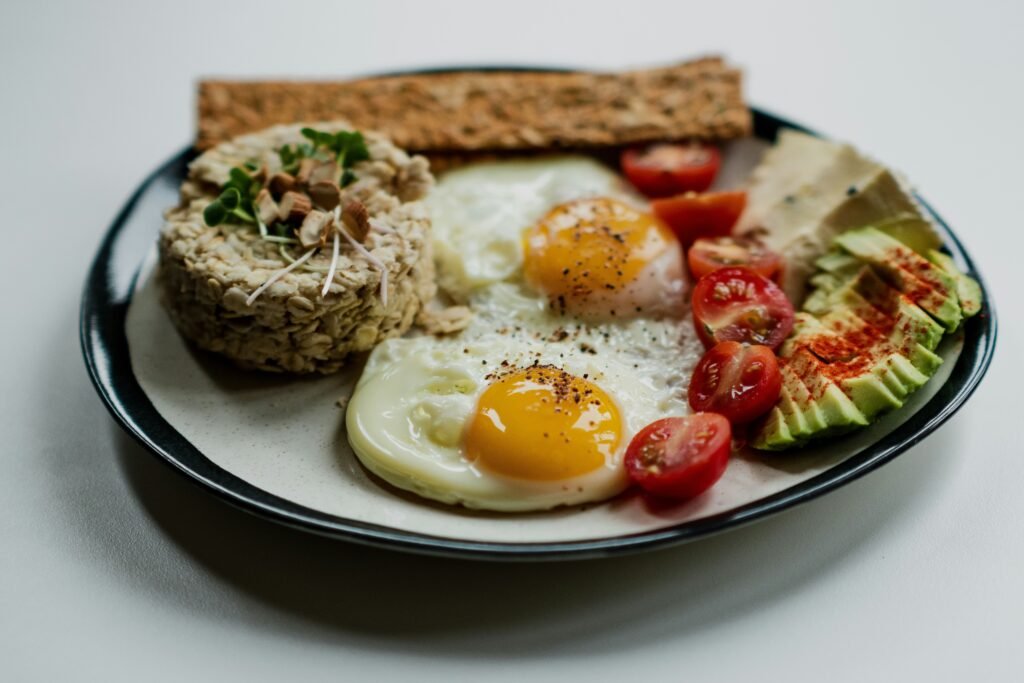
Ever wondered how to build a healthy meal without getting bogged down in calorie counting? The good news is, you absolutely can! It’s all about focusing on proportions and the quality of your food. Think of your plate as a canvas, and you’re the artist, creating a balanced and nourishing masterpiece. This approach not only makes healthy eating less stressful but also helps you develop a more intuitive understanding of what your body needs.
Let’s be real, calorie counting can be a chore. It can feel restrictive, create an unhealthy relationship with food, and often misses the bigger picture of nutrient density.
The Pitfalls of Calorie Focus
Fixating solely on calories can lead us astray. Not all calories are created equal. 100 calories of potato chips offer a very different nutritional profile than 100 calories of almonds. The former might give you a quick energy spike and then a crash, while the latter provides sustained energy, fiber, and healthy fats.
Reclaiming Intuitive Eating
By stepping away from calorie tracking, you can start listening to your body’s hunger and fullness cues. This is a powerful tool for long-term health and weight management, fostering a more mindful and enjoyable eating experience. It’s about learning to trust your body again.
The Plate Method: Your Visual Guide
The plate method is a simple, visual tool that helps you create balanced meals without needing a calculator or food scale. It’s incredibly adaptable and works for almost any cuisine.
Half Your Plate: Non-Starchy Vegetables
This is your biggest section, and for good reason. Non-starchy vegetables are powerhouses of vitamins, minerals, and fiber, and they’re generally low in calories. They add volume to your meal, helping you feel full and satisfied.
What Counts as Non-Starchy?
Think colorful! Broccoli, cauliflower, spinach, kale, bell peppers, zucchini, mushrooms, green beans, asparagus, and salads are all excellent choices. The more variety, the better.
Why So Much?
Fiber is your friend! It aids digestion, helps regulate blood sugar, and keeps you feeling full longer. Plus, these veggies are packed with antioxidants that protect your cells. Don’t be shy – load ’em up!
A Quarter of Your Plate: Protein Power
Protein is crucial for muscle repair, building new cells, and keeping you satiated. Aim for a lean protein source in this section.
Excellent Protein Choices
- Animal-based: Chicken breast, turkey, fish (salmon, cod, tuna), lean beef, eggs, Greek yogurt.
- Plant-based: Lentils, beans (black beans, chickpeas), tofu, tempeh, edamame, seitan.
The Satiety Factor
Protein takes longer to digest than carbohydrates, which contributes to that feeling of fullness and helps prevent overeating later on. It also helps stabilize blood sugar levels.
The Remaining Quarter: Smart Carbohydrates
Carbohydrates are your body’s primary energy source. The key here is to choose complex carbohydrates that provide sustained energy and additional nutrients, rather than simple, refined carbs that lead to energy crashes.
Opt for Whole Grains
Brown rice, quinoa, whole-wheat pasta, oats, sweet potatoes, and whole-grain bread are far superior to their refined counterparts. They contain fiber, vitamins, and minerals that are stripped away during processing.
Starchy Veggies Welcome Here Too
Potatoes, corn, and peas also fall into this category. While they offer nutrients, their higher starch content means they should be portioned similarly to grains.
The Importance of Fiber (Again!)
Notice a theme? Fiber in complex carbs helps slow down sugar absorption, preventing those dramatic blood sugar spikes and crashes.
Don’t Forget Healthy Fats!
While not a separate section on the plate diagram, healthy fats are vital and should be incorporated into your meal in moderation. They play a role in hormone production, nutrient absorption, and provide concentrated energy.
Incorporating Healthy Fats
- Cooking oils: Olive oil, avocado oil, canola oil (in moderation).
- Nuts and seeds: Almonds, walnuts, chia seeds, flax seeds.
- Avocado: Creamy and delicious, packed with monounsaturated fats.
- Fatty fish: Salmon and mackerel are rich in Omega-3s.
The Power of Omega-3s
These essential fatty acids are crucial for brain health, reducing inflammation, and supporting heart health.
Beyond the Plate: Putting It All Together

The plate method is a fantastic starting point, but healthy eating extends beyond just your main meals.
Mindful Eating Practices
Eating slowly, savoring your food, and paying attention to your body’s signals can dramatically improve your digestion and satisfaction.
Slow Down and Savor
Put down your fork between bites, chew thoroughly, and really taste your food. This allows your brain to register fullness signals from your stomach.
Listen to Your Body
Are you truly hungry, or are you eating out of boredom, stress, or habit? Learning to distinguish these feelings is a game-changer. Stop when you’re comfortably full, not stuffed.
Hydration is Key
Don’t underestimate the power of water! Often, what we perceive as hunger is actually thirst. Aim for at least 8 glasses of water a day, more if you’re active.
Water Before Meals
Drinking a glass of water before a meal can help you feel more satisfied and prevent overeating.
Healthy Beverage Choices
Unsweetened tea, coffee (in moderation), and sparkling water with a squeeze of lemon or lime are great alternatives to sugary drinks.
Snacking Strategically
If you get hungry between meals, choose snacks that echo the principles of the plate method: a mix of protein, fiber, and healthy fats.
Smart Snack Ideas
- Greek yogurt with berries and a sprinkle of nuts.
- Apple slices with a tablespoon of peanut butter.
- A handful of almonds or walnuts.
- Vegetable sticks with hummus.
- Hard-boiled egg.
Cooking Methods Matter
How you prepare your food can also impact its nutritional value and calorie density.
Leaner Cooking Techniques
- Baking, roasting, grilling, steaming: These methods generally require less added fat than frying.
- Sautéing: Use small amounts of healthy oils like olive or avocado oil.
- Broth-based cooking: Opt for broths instead of heavy creams when making soups or sauces.
Flavor Without Excess
Experiment with herbs, spices, lemon juice, and vinegars to add flavor without relying on excessive salt, sugar, or unhealthy fats.
Practical Tips for Success

Making lasting changes to your eating habits takes time and consistency. Here are a few practical tips to help you on your journey.
Meal Planning Made Simple
A little planning goes a long way. Thinking about your meals in advance can reduce stress and increase the likelihood of making healthy choices.
Batch Cooking
Dedicate an hour or two on the weekend to prep ingredients. Cook a batch of grains, roast some vegetables, or prepare a protein source that can be used in multiple meals throughout the week.
Shopping Smart
Make a grocery list based on your meal plan and stick to it. Avoid shopping when you’re ravenous, as this often leads to impulsive, less healthy purchases.
Embrace Variety
Eating the same few foods repeatedly can lead to nutrient deficiencies and boredom. Aim for a wide array of colors and food groups.
Seasonal Eating
Buying seasonal produce is often more cost-effective and ensures you’re getting the freshest, most nutrient-dense options.
Try New Recipes
Explore different cuisines and cooking methods. This keeps your taste buds excited and exposes you to a broader range of nutrients.
Flexibility and Forgiveness
No one eats perfectly all the time, and that’s okay! Don’t let a “slip-up” derail your entire healthy eating effort.
The 80/20 Rule
Aim for healthy choices 80% of the time, and allow for flexibility and treats the other 20%. This sustainable approach helps prevent feelings of deprivation.
Learning from Your Choices
Instead of self-criticism, reflect on what led to a less-than-ideal food choice. Was it stress? Lack of preparation? Understanding these triggers can help you make different choices next time.
Education is Empowerment
The more you learn about food and nutrition, the more confident you’ll become in making informed choices.
Reliable Sources
Follow reputable nutritionists, dietitians, and scientific organizations for accurate information. Be wary of fad diets and quick fixes.
Understand Food Labels (Beyond Calories)
While we’re moving away from calorie counting, understanding other aspects of food labels like fiber content, added sugars, and sodium can still be very helpful.
Conclusion
| Nutrient | Food Source | Recommended Daily Intake |
|---|---|---|
| Protein | Chicken, fish, tofu | 46 grams for women, 56 grams for men |
| Carbohydrates | Whole grains, fruits, vegetables | 225-325 grams |
| Fats | Avocado, nuts, olive oil | 20-35% of total daily calories |
| Fiber | Beans, lentils, whole grains | 25 grams for women, 38 grams for men |
| Vitamins and Minerals | Fruits, vegetables, dairy | Varies by specific nutrient |
Building a balanced nutrient plate without counting calories is a liberating and effective way to nourish your body. By focusing on proportions, prioritizing non-starchy vegetables, lean proteins, and complex carbohydrates, and incorporating healthy fats, you’re setting yourself up for long-term health and a positive relationship with food. Remember, it’s a journey, not a destination. Be patient with yourself, experiment, and enjoy the process of discovering what truly makes you feel your best.
FAQs
What is a balanced nutrient plate?
A balanced nutrient plate is a meal that includes a variety of nutrients such as carbohydrates, proteins, healthy fats, vitamins, and minerals in appropriate proportions to support overall health and well-being.
How can I structure a balanced nutrient plate without counting calories?
To structure a balanced nutrient plate without counting calories, focus on including a variety of whole foods such as fruits, vegetables, whole grains, lean proteins, and healthy fats. Aim to fill half of your plate with fruits and vegetables, one-quarter with lean protein, and one-quarter with whole grains or starchy vegetables.
What are some examples of balanced nutrient plates?
Examples of balanced nutrient plates include a grilled chicken breast with quinoa and a side of steamed broccoli, a mixed green salad with grilled salmon and a serving of brown rice, or a stir-fry with tofu, mixed vegetables, and a small portion of brown rice.
Why is it important to focus on nutrient balance rather than calorie counting?
Focusing on nutrient balance rather than calorie counting allows for a more sustainable and holistic approach to healthy eating. It encourages the consumption of nutrient-dense foods that provide essential vitamins, minerals, and other beneficial compounds, rather than solely focusing on calorie restriction.
What are some tips for creating a balanced nutrient plate?
Some tips for creating a balanced nutrient plate include choosing a variety of colorful fruits and vegetables, opting for lean sources of protein such as poultry, fish, or legumes, incorporating healthy fats from sources like avocados, nuts, and olive oil, and including whole grains or starchy vegetables for energy and fiber.